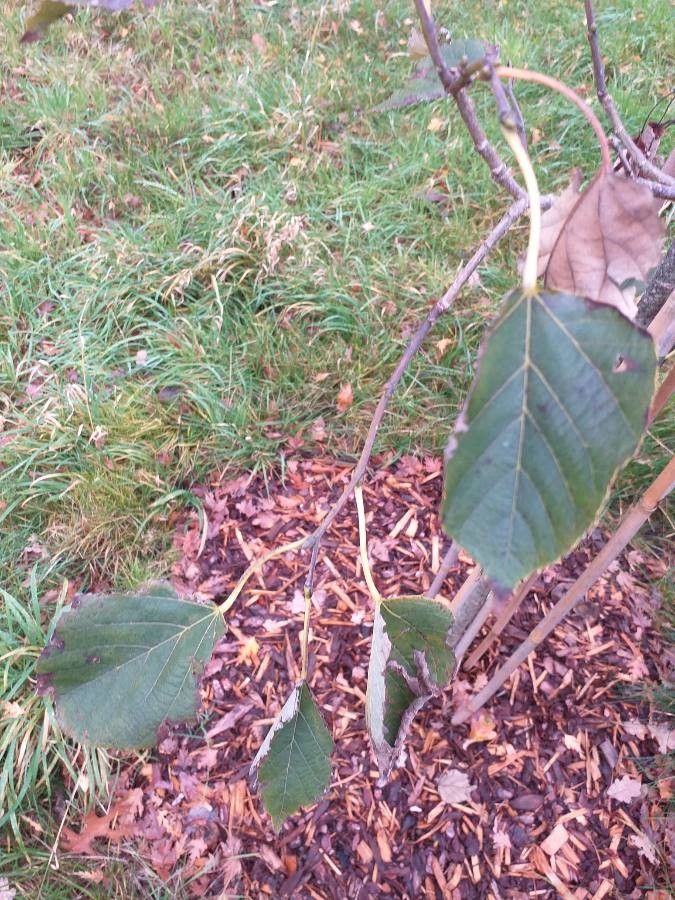
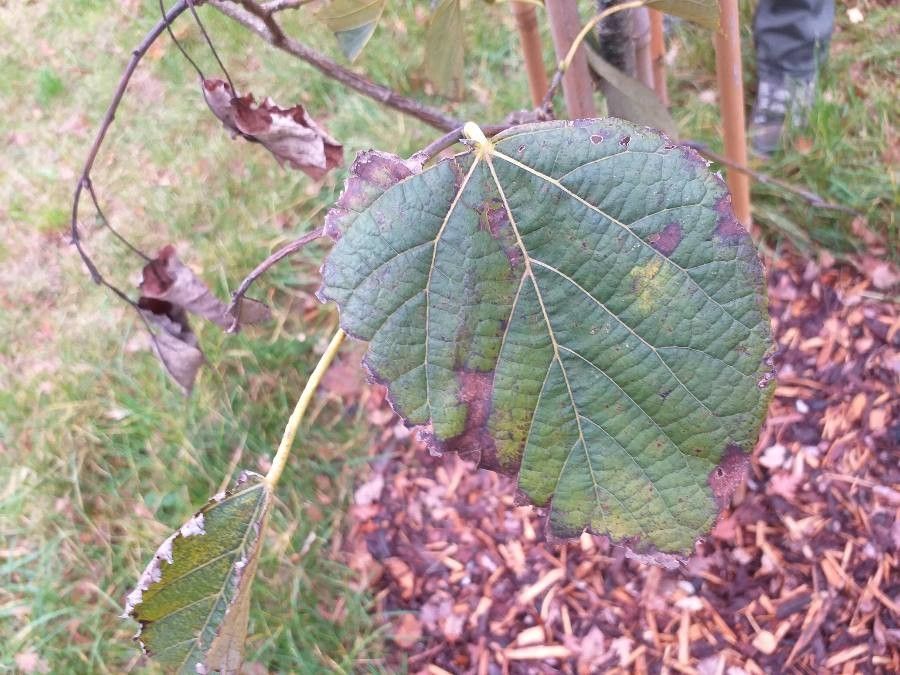
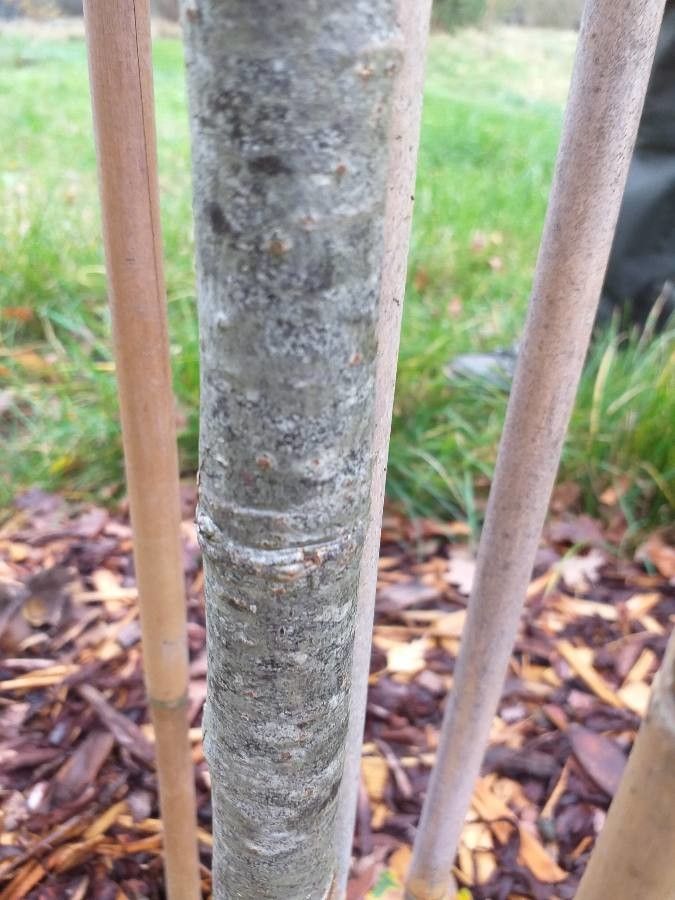
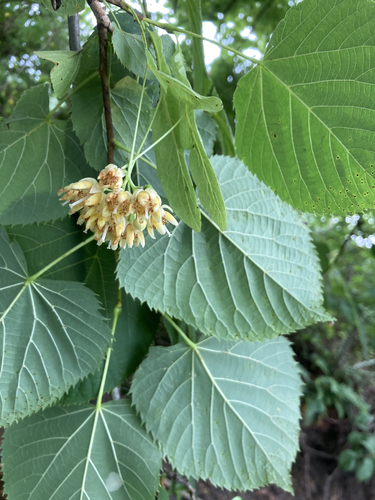
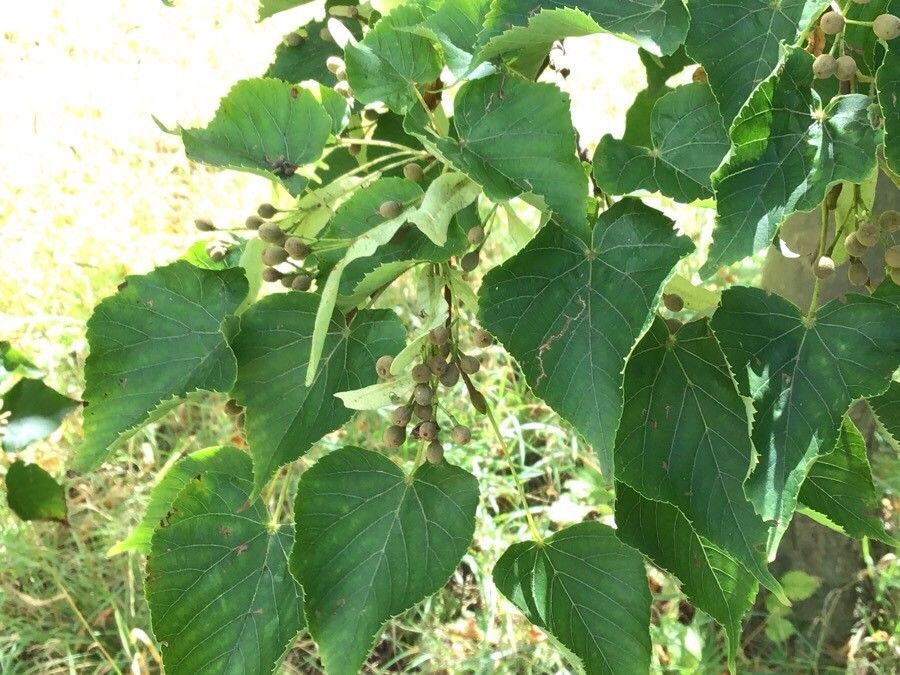
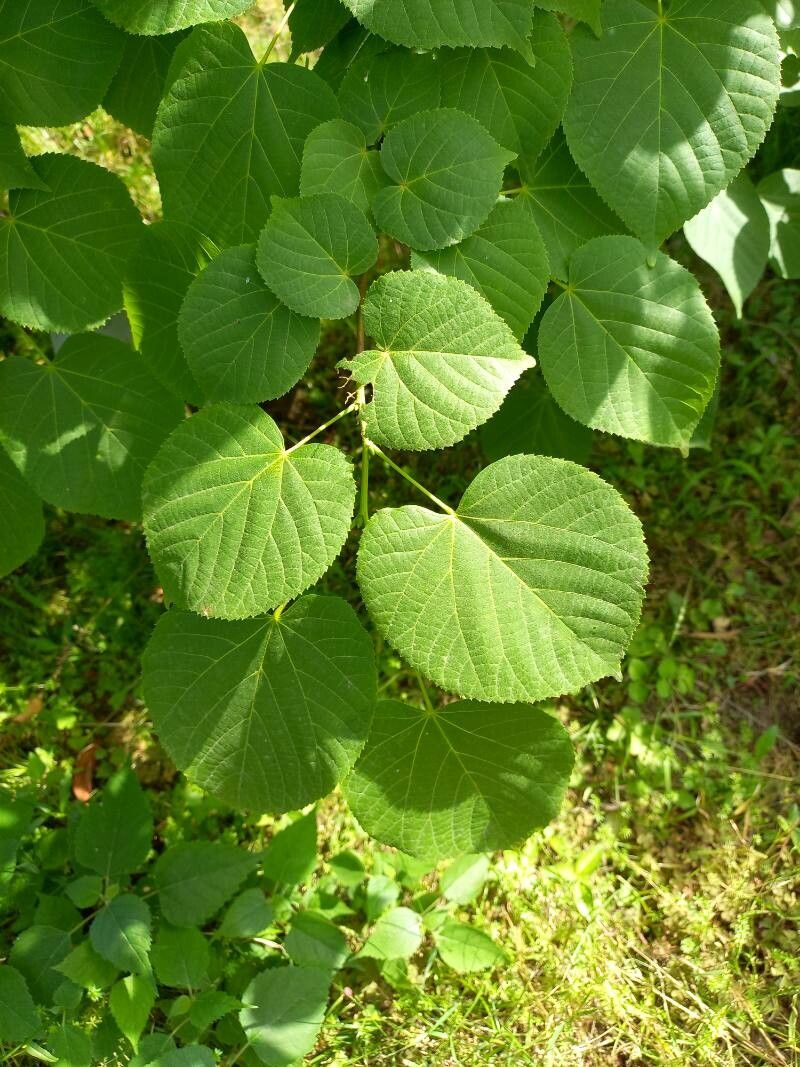
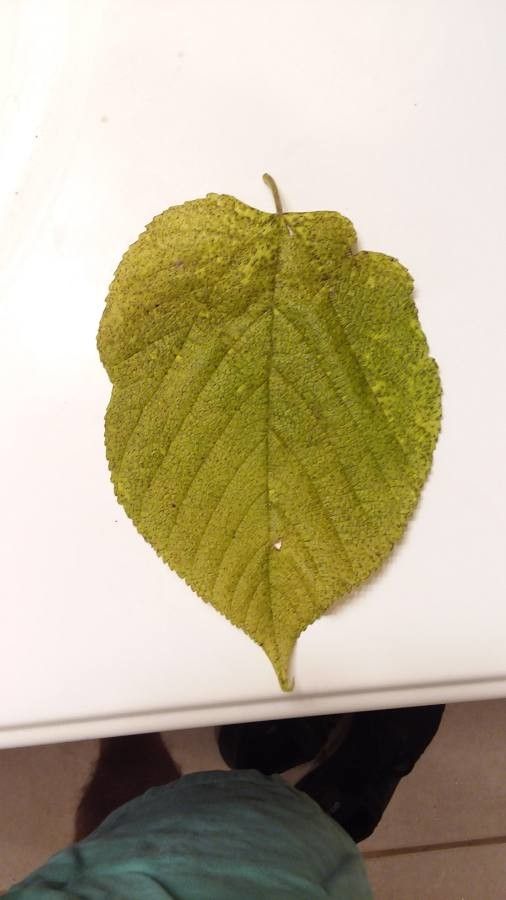
Tilia chinensis (Chinese linden, Chinese: 椴树) is a species of lime or linden tree that is endemic to China. It flowers in July or August when honey bees collect honey from its flowers. Especially famous is honey taken from the Chinese linden flowers in Changbai Mountain.
Tilia chinensis exhibits strong disease resistance and is generally not prone to illnesses. In terms of care, this plant is fairly low-maintenance. When planted outdoors it needs little watering, and larger specimens typically do not require pruning. However, smaller plants should be pruned after they have finished blooming. Tilia chinensis is suitable for anyone with an outdoor space, such as a garden or deck, and does not require much care experience.
How to keep Tilia Chinensis.
Light
Tilia chinensis comes from open habitats, such as sunny meadows and forest edges, that provide abundant light. It performs best in Full Sun but can also tolerate Partial Sun, adapting well to a range of sunlight conditions.
Water
Tilia chinensis thrives in moist soil and cannot tolerate drought or stagnant water. It is important to water the plant thoroughly in early spring, as well as during its flowering and fruiting stages. However, watering should be stopped during rainy seasons. Once mature, Tilia chinensis requires minimal watering, but in dry conditions, using organic mulch can help retain moisture.
Temperature
Tilia chinensis displays considerable adaptability to a range of climatic conditions, from scorching summers to chilly winters. However, it does have an optimal temperature range for growth. When temperatures become excessively high, the plant is susceptible to heat and humidity stress, which can lead to its death. In areas where temperatures approach the lower limit of its cold tolerance, it is important to use insulation measures to protect the plant.
Fertilizer
Correct timing is important for fertilizing Tilia chinensis. Apply fertilizer in early spring and continue once a month through early summer. Fertilizer promotes attractive blooms and supplies energy both during dormancy and periods of active growth.
Pruning
Tilia chinensis, known for its broad canopy and heart-shaped leaves, flourishes when pruned annually in early spring. To maintain its health and appearance, it's important to remove dead branches, thin out crowded areas to improve airflow, and shape the tree appropriately. Making clean cuts is essential to prevent disease, and avoiding heavy pruning helps reduce stress on the plant.
Botanical profile.
- Plant Type
- Tree
- Life Cycle
- Perennial
- Genus
- Tilia
- Family
- Malvaceae
- Hardiness Zone
- 4-8
- Mature Height
- 14.94 m to 24.99 m
- Mature Spread
- 10.06 m to 14.94 m
- Leaf Color
- Green, Dark Green
- Leaf Type
- Deciduous
- Flower Color
- Yellow, Cream
- Flower Size
- 0.76 cm to 1.27 cm
- Bloom Time
- Early summer, Mid summer
- Planting Time
- Spring, Summer, Autumn
- Harvest Time
- Late summer, Early fall, Mid fall
- Native Area
- China
Other names.