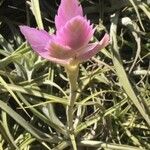
Tillandsia cacticola
Description
Source: leafsnapTillandsia cacticola is a species in the genus Tillandsia, endemic to Peru.
Care Guide
💧 Water once a week
Tillandsia cacticola has better drought tolerance than other air plants. Even so, these plants need to be bathed once a week. Look for curling leaves, which indicate that your Tillandsia cacticola needs to be watered. If this happens, submerge your plant in a bowl of water and leave it there for 10 to 30 minutes. If your plant is in bloom, keep the delicate blossom above the water to avoid harm. Make sure the water is clean and free of pollutants. Springwater, filtered water, and rainfall are the best sources of water. If you must use tap water, let it sit for at least 24 hours to allow the chlorine to evaporate. Once your air plant has completed soaking, remove it from the water and shake out any excess water that has formed in the leaves. Make sure your air plant dries completely within a couple of hours to avoid rot. If you're growing this plant outside, placing it where it will receive natural rain may reduce the need to water it as often.
☀️ Light
🌡️ Temperature
Despite being drought resistant, Tillandsia cacticola requires a good amount of moisture. Regular misting will supply it with the extra moisture it needs. You may need to spray your Tillandsia cacticola every day if you live in a dry, hot climate. Every four to five days is sufficient in humid regions. These plants flourish in hot weather. Keep it away from heaters and air conditioners if you're growing it inside. The intense heat or cold produced by these devices can kill plants. In a setting with enough circulation and ventilation, your Tillandsia cacticola will thrive.
💨 Humidity
🪴 Soil
🌱 Fertilizer
Fertilizing your Tillandsia cacticola regularly is not essential for it to thrive. Too much fertilizer can burn and kill air plants. By boosting blooming, growth, and pup production, the correct fertilizer in the right amounts may help to build a healthy, happy plant. Use fertilizer for bromeliads or tillandsias that is designed to be absorbed via the leaves. Common fertilizer is meant to be absorbed by a plant's roots from the soil. Air plants, on the other hand, do not get their nutrition through their roots. Fertilize your Tillandsia cacticola once a month for best results, especially if it appears to be blooming.
🪴 Pot & Repot
✂️ Pruning
Remove any dead, damaged, or browning leaves, but avoid trimming the plant's bottom or interior leaves, as air plants develop from their core. Also, avoid cutting the stem in the center, since this will prevent the air plant from surviving or reproducing. Finally, don't prune your Tillandsia to the point where there isn't enough foliage.
🌿 Propagating
🐛 Diseases & pets
☠️ Toxicity
Characteristics
- Plant Type
- Houseplant or annual
- Genus
- Tillandsia
- Family
- Bromeliaceae
- Hardiness Zone
- 9-11
- Bloom Time
- Once, when fully matured
- Native Area
- Peru