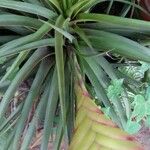
Tillandsia lindenii
Linden's airplant
Description
Source: leafsnapTillandsia lindenii is a species in the genus Tillandsia. It is endemic to Peru.
🌳 Pink quill is mainly recognized for its decorative value, with vibrant pink bracts and purplish-blue flowers that catch the eye in any home or garden. Beyond its appearance, pink quill also serves a practical role indoors as a natural air purifier. It is known to remove harmful chemicals like formaldehyde from the air, helping create a healthier living space for people. This combines beauty and health benefits, illustrating a plant that is both visually striking and advantageous for indoor air quality.
Care Guide
💧 Water
☀️ Light Partial sun
The pink quill grows best with plenty of sunlight, though it can tolerate lower light. Too much sun can weaken it, while too little may cause slower growth or less vibrant flowering. Native to a habitat with mixed sun and shade, it copes well with both conditions during different stages of growth.
🌡️ Temperature 20–37.8°C
Pink quill grows best in temperatures of 68 to 100 ℉ (20 to 38 ℃). It originates from rainforests with warm, humid conditions. In winter, it is advisable to keep the temperature above 60 ℉ (15.5 ℃) to avoid cold damage.
💨 Humidity
🪴 Soil 5-6
🌱 Fertilizer
Correct fertilization is essential for the Pink quill’s health and appearance. Feed the Pink quill in summer, applying fertilizer once a month throughout the season. These nutrients fuel growth and help maintain the plant’s structures. Fertilizing improves the Pink quill’s flower display, helping ensure the best blooms.
🪴 Pot & Repot 2-3 years
When repotting Pink quill, choose a pot 1-2 inches (2.5–5.1 cm) larger with ample drainage. Use a well-draining potting mix. Repot in spring or fall, ensuring the root ball is slightly lower than the rim of the flower pot. Water thoroughly after repotting and place it in a warm spot with indirect sunlight.
✂️ Pruning
🌿 Propagating
🐛 Diseases & pets
☠️ Toxicity
Characteristics
- Plant Type
- Herb
- Life Cycle
- Perennial
- Genus
- Tillandsia
- Family
- Bromeliaceae
- Hardiness Zone
- 9-12
- Mature Height
- 49 cm
- Mature Spread
- 49 cm
- Leaf Color
- Green, White
- Leaf Type
- Evergreen
- Flower Color
- Violet
- Flower Size
- 2.54 cm to 5.08 cm
- Bloom Time
- Spring
- Planting Time
- Spring, Autumn
- Harvest Time
- Early summer, Mid summer
- Native Area
- Ecuador, Peru