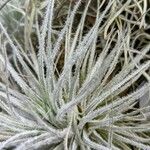
Tillandsia tectorum
Description
Source: leafsnapTillandsia tectorum is a species of flowering plant in the genus Tillandsia. It is native to Peru and Ecuador.
Care Guide
💧 Water Every 2 days
☀️ Light
🌡️ Temperature
The Roof Air Plant prefers warm, humid climates, especially thriving in USDA hardiness zone 11. Most species thrive between 70 to 85 degrees Fahrenheit but regular household temperatures will work fine. These tropical plants should not be allowed to dry out, so ensure that you keep them away from winter weather, cold drafts, and vents. It will not survive temperatures under 40 degrees Fahrenheit. Keep humidity levels up by having a humidifier close by situating the plant in a humid room, such as a bathroom or kitchen.
💨 Humidity high (>60%)
This plant needs special care because it loves high humidity levels of 60-80% or more. The best way to achieve this is by placing a humidifier near the plant. Daily misting is also essential! Make sure the room has good ventilation.
🪴 Soil
🌱 Fertilizer
Fertilizing air plants is not critical for healthy growth, although a monthly or quarterly application of fertilizer will help them thrive. You may opt to use a fertilizer specifically formulated for air plants or bromeliads, or a water-soluble fertilizer diluted to one-fourth strength.
🪴 Pot & Repot
✂️ Pruning
Roof Air Plants are relatively slow-growing and low-maintenance, so there is really no need for pruning. If you see any brown tips or mushy stems, as a result of overwatering, trim them off as soon as possible.
🌿 Propagating
🐛 Diseases & pets
☠️ Toxicity
All varieties of the Tillandsia genus, including the Roof Air Plant, are not reported to be toxic. This unique and striking epiphyte is safe for nearly all households with children and pets. The ASPCA has confirmed that it is highly unlikely for dogs and cats to fall ill after nibbling a bit of the leaf.
Characteristics
- Plant Type
- Perennial, succulent
- Genus
- Tillandsia
- Family
- Bromeliaceae
- Hardiness Zone
- 11 and above
- Native Area
- South America