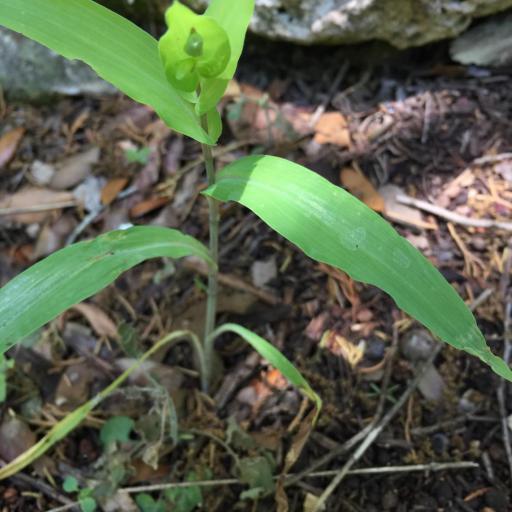
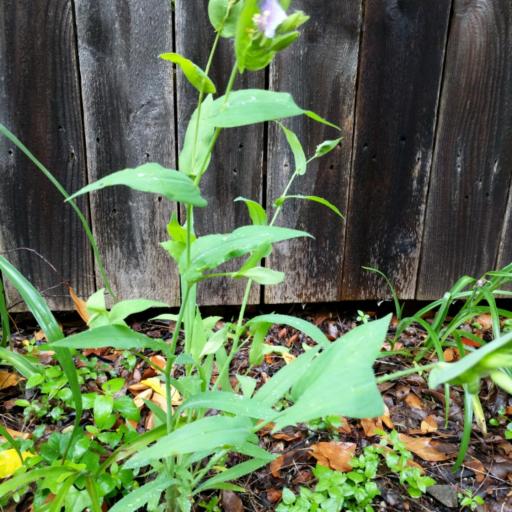
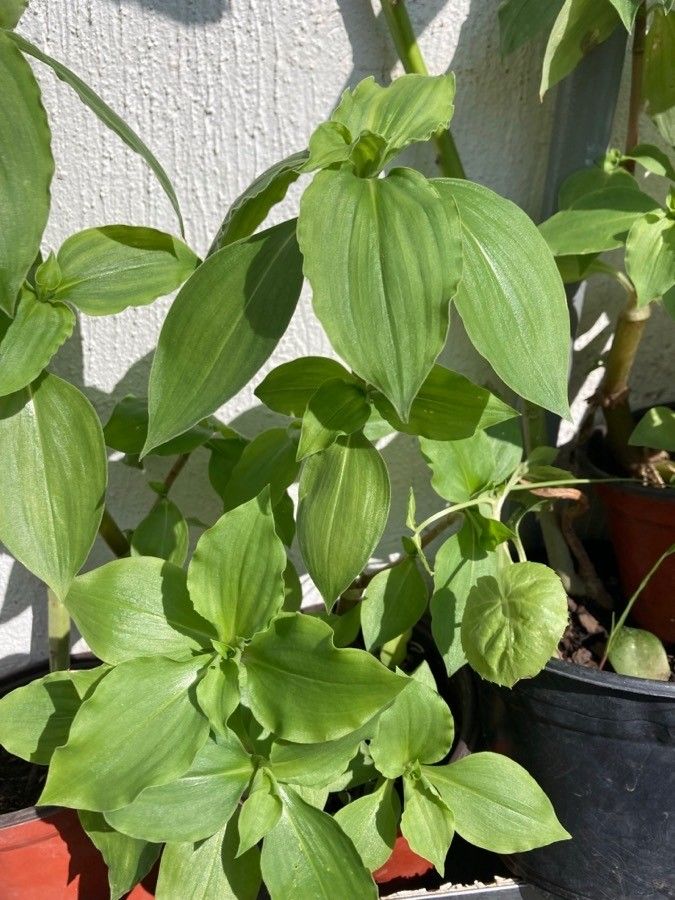
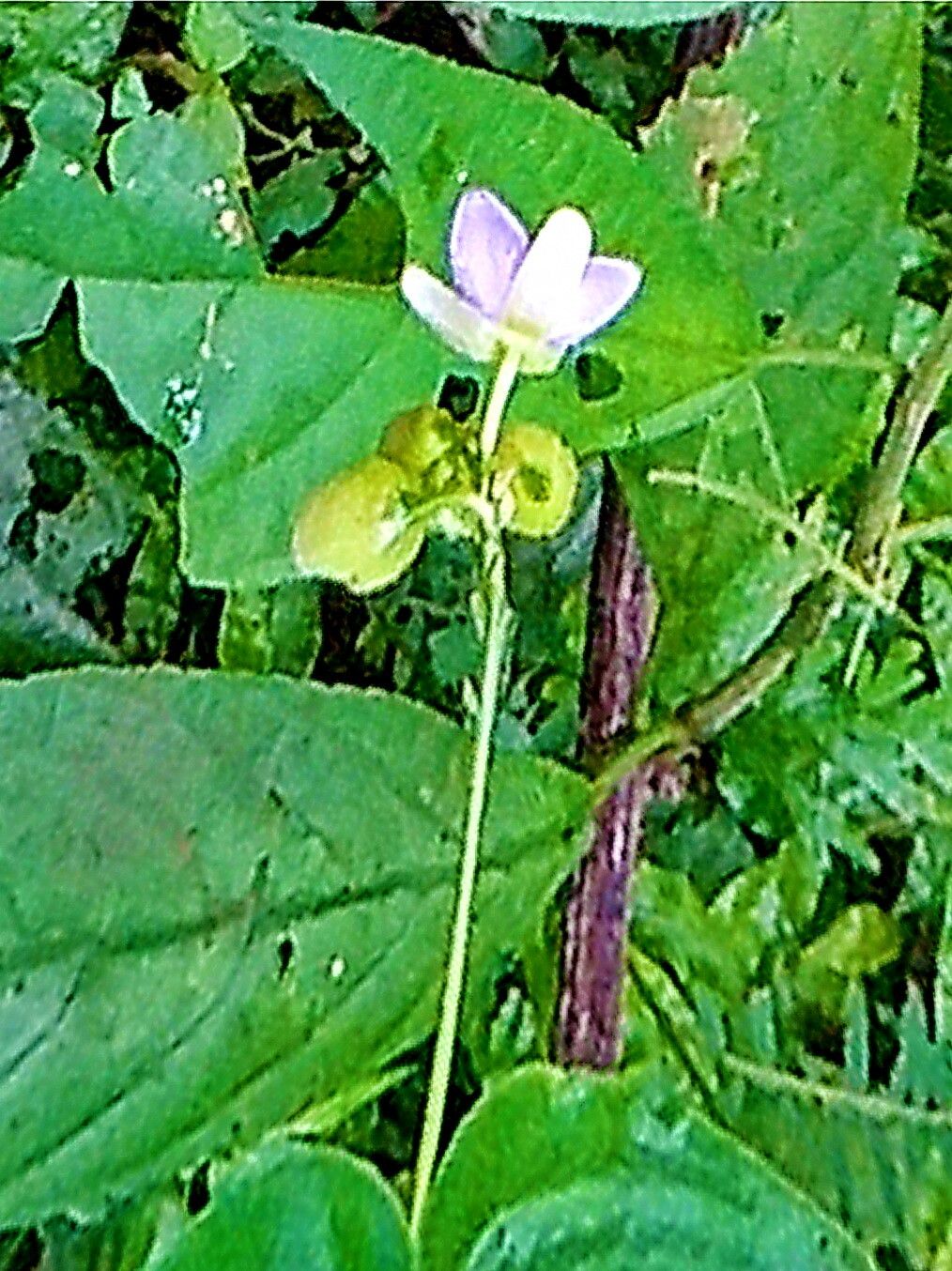
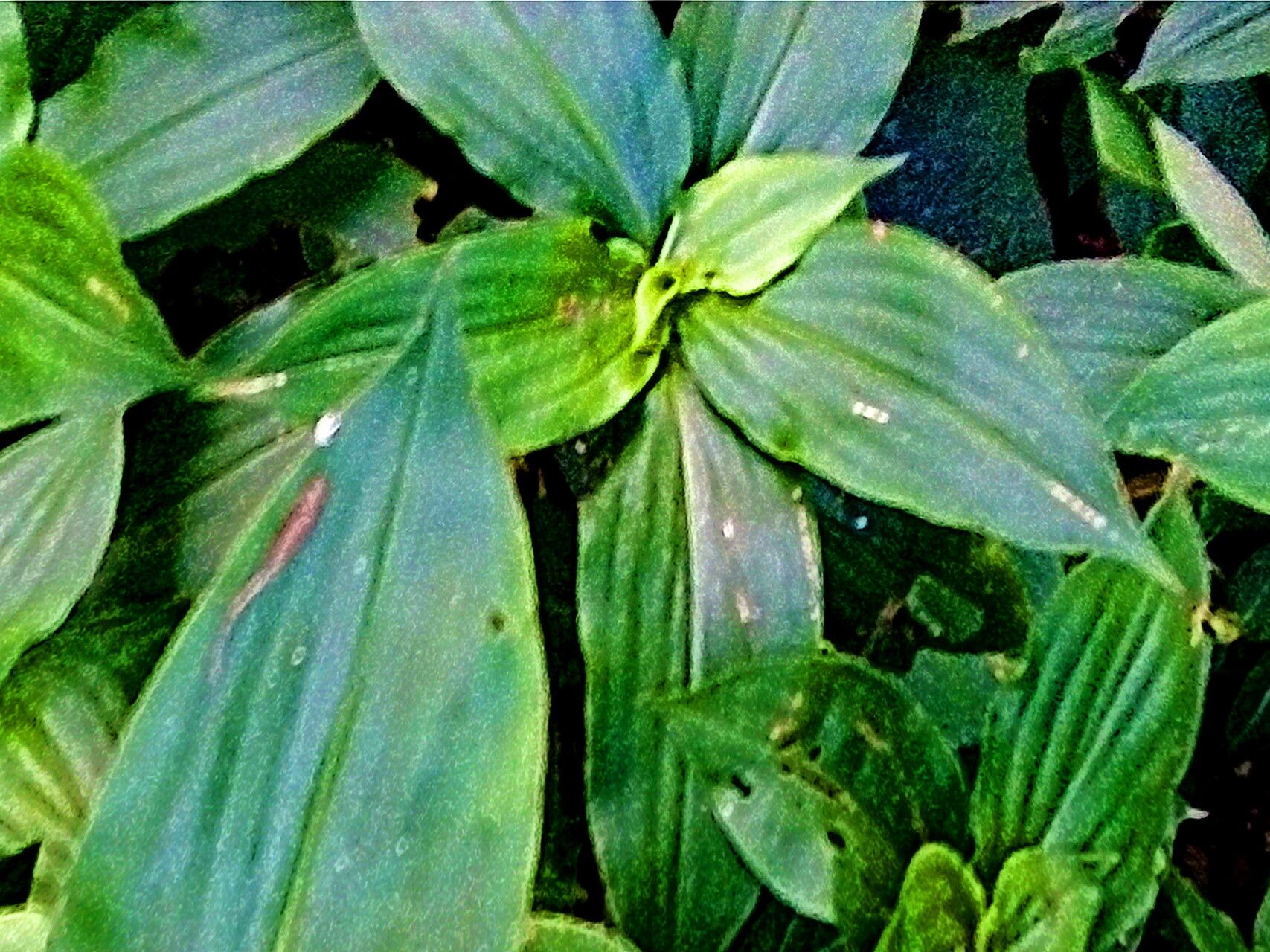
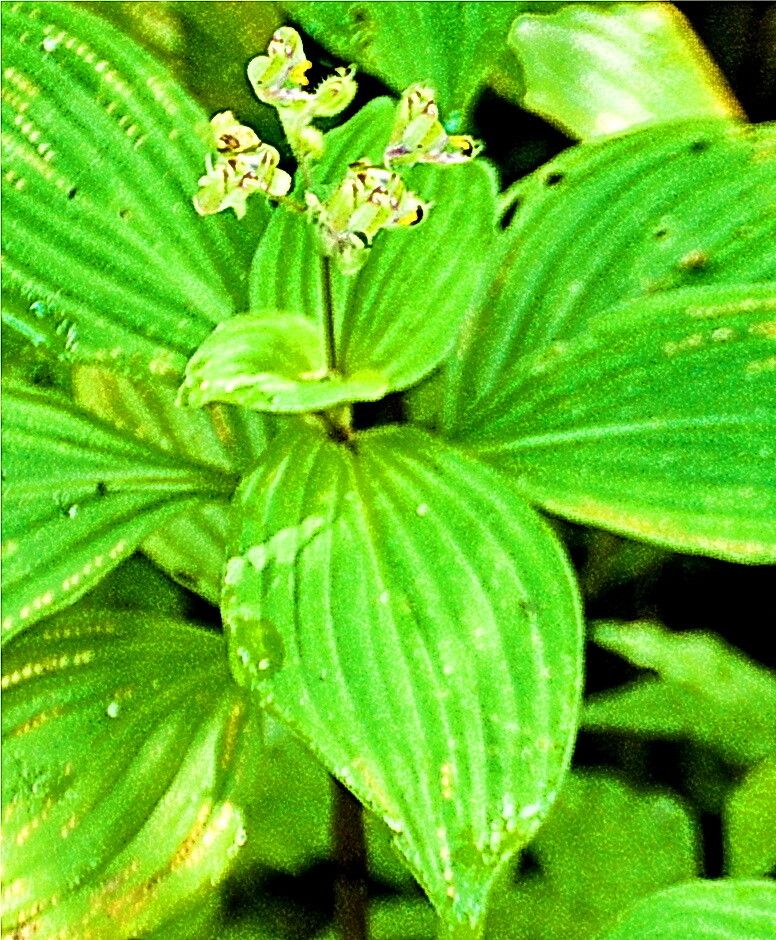
Tinantia anomala, common name false dayflower or widow's-tears, is a plant species in the Commelinaceae, related to the Mexican wandering Jew, Tinantia pringlei. It is known only from Texas except for a single specimen from the Mexican state of Durango. It is found on rocky slopes, ravines, the edges of woodlands etc. Tinantia anomala is an annual herb up to 80 cm (32 inches) tall. Basal leaves have petioles but the stem leaves do not. Flowers are bicolored, white with some blue or lavender.
Widows Tears is fairly resistant to diseases and typically does not suffer from them. However, it can be vulnerable to pests and pathogens present in its surroundings. Such infestations or infections are generally mild. In terms of care, the plant requires a moderate level of maintenance. Regular pruning is needed to keep it looking good and to encourage healthy growth. Fertilizing can also help to improve flowering. Widows Tears is suitable for anyone with an outdoor area, such as a garden or patio, and does not demand extensive care experience. It may need more attention if grown indoors.
How to keep Tinantia Anomala.
Light
Widows Tears prefers settings where it gets sunlight for part of the day. In the wild it grows in areas where sunlight filters through. It can tolerate less-than-ideal light. However, too much sun or too little can impede its healthy growth.
Water
Widow's Tears thrives in tropical climates, where it requires consistent moisture and high humidity. It prefers soil that remains evenly moist and should be watered weekly. Often grown indoors, Widow's Tears needs adequate soil moisture during its active growing season to ensure vigorous growth.
Temperature
Widows Tears naturally does best in temperate areas, preferring temperatures of 68 to 95°F (20 to 35℃). It favors moderate warmth but can tolerate higher heat. Adjust temperatures with the seasons to suit its natural habitat needs.
Fertilizer
Once Widows Tears has opened most of its blooms to full size, resume fertilizing. At the peak of bloom production, begin fertilizing every three to four weeks, as weather permits. Then, when Widows Tears starts producing fewer new blooms, stop fertilizing; there's no need to fertilize if the plant can no longer produce additional blooms.
Pruning
Widow's Tears showcases delicate purple blooms and has a trailing growth habit. It thrives with regular pruning from early to late spring. To promote new growth and improve air circulation, trim away spent flowers and overgrown stems. Be sure to use clean tools and monitor the plant's health for the best results.
Botanical profile.
- Plant Type
- Herb
- Life Cycle
- Annual
- Genus
- Tinantia
- Family
- Commelinaceae
- Hardiness Zone
- 4
- Mature Height
- 61 cm
- Mature Spread
- 46 cm
- Leaf Color
- Green, Dark Green
- Leaf Type
- Evergreen
- Flower Color
- Blue, White, Purple, Lavender
- Flower Size
- 2.54 cm
- Bloom Time
- Late spring, Summer, Early fall
- Planting Time
- Autumn, Winter, Spring
- Harvest Time
- Mid summer, Late summer, Fall
Other names.