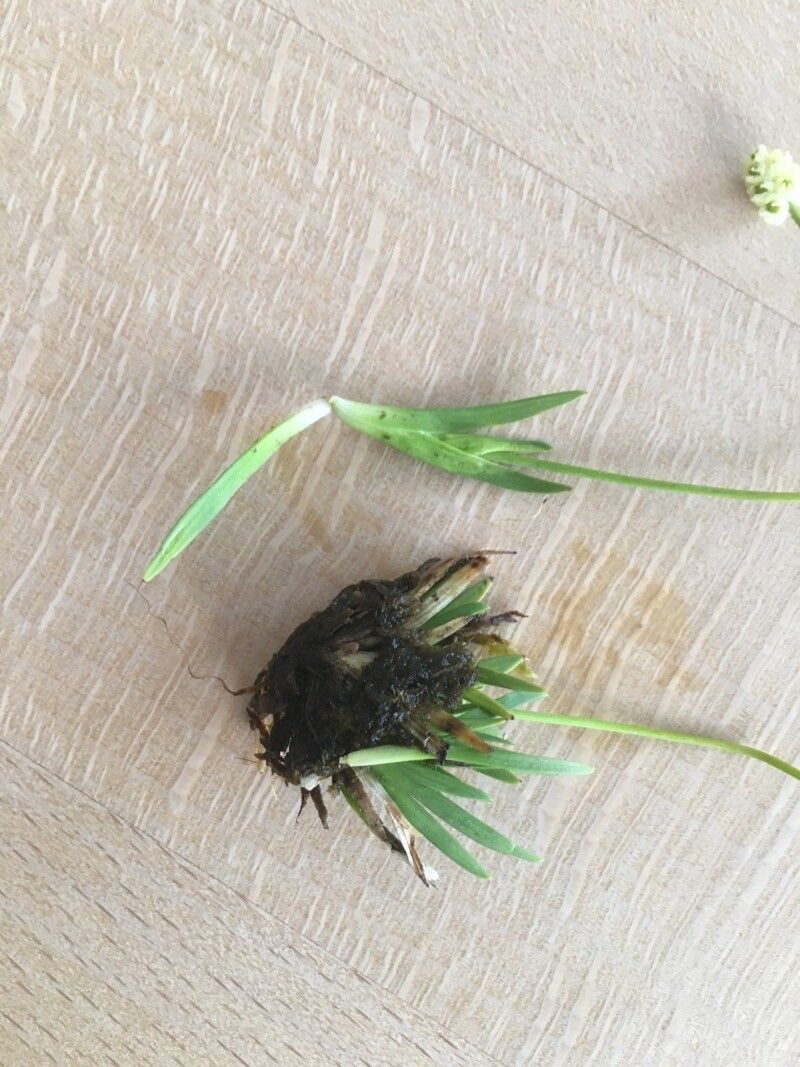
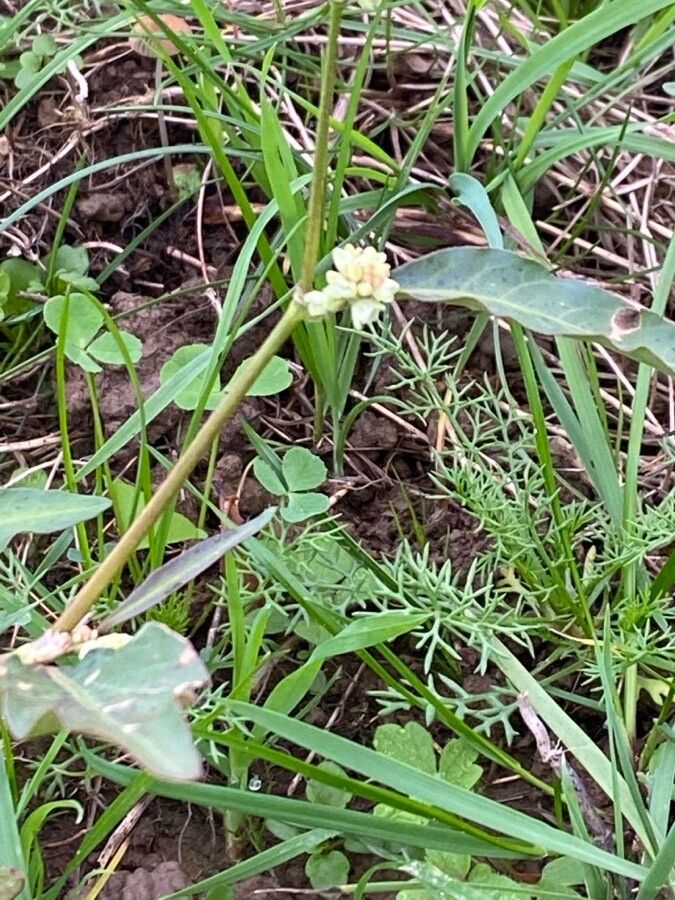
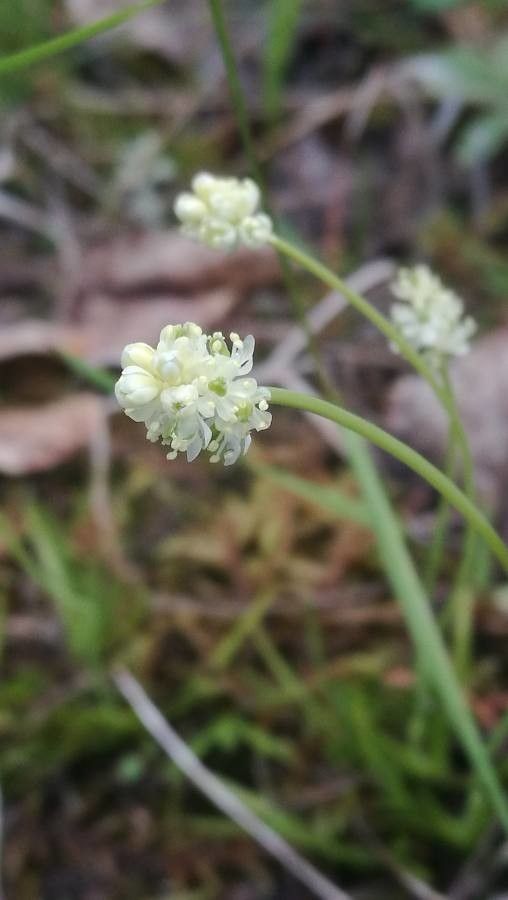
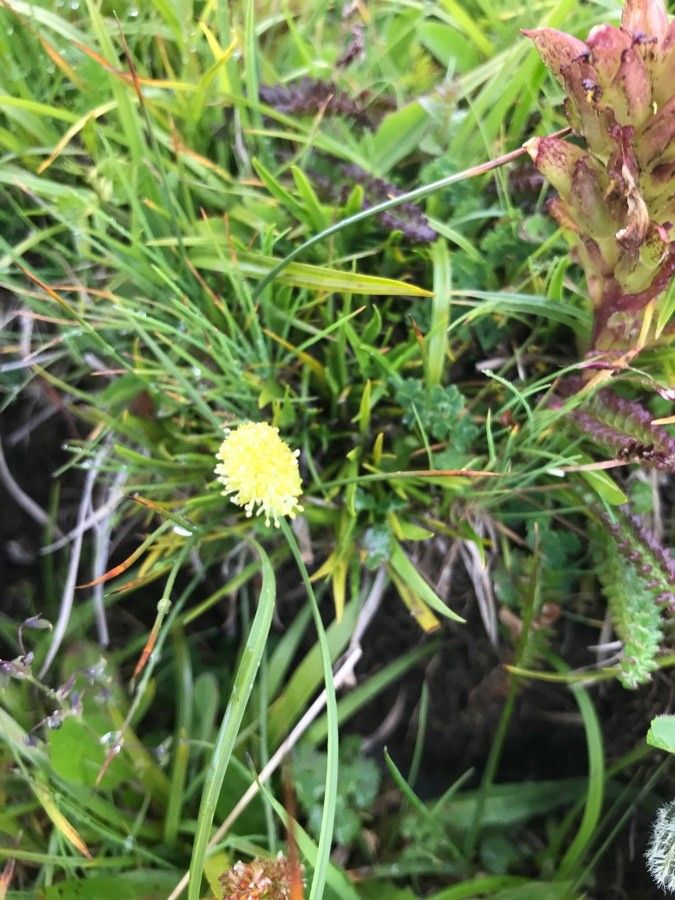
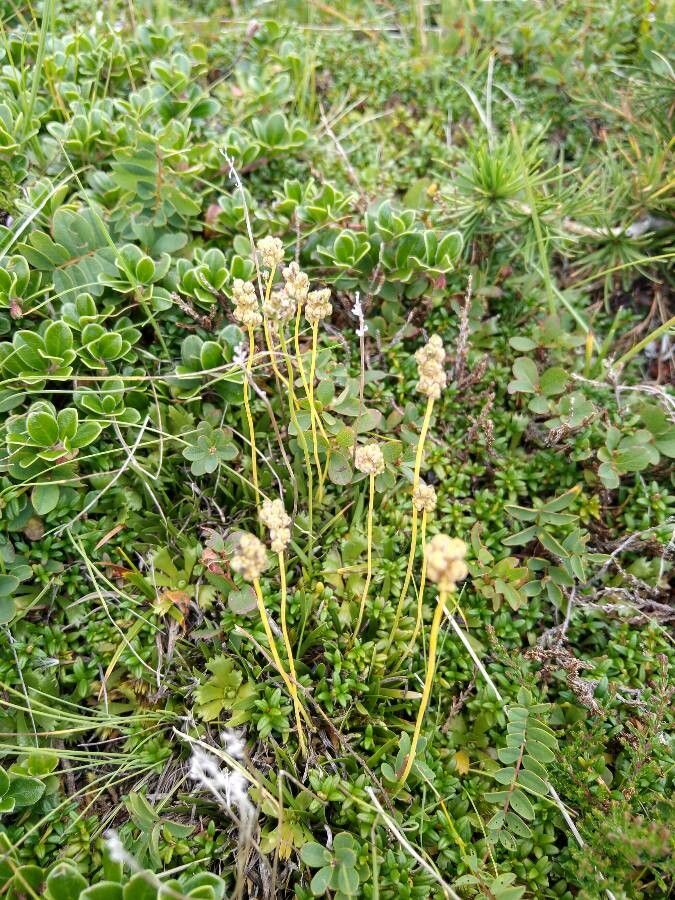
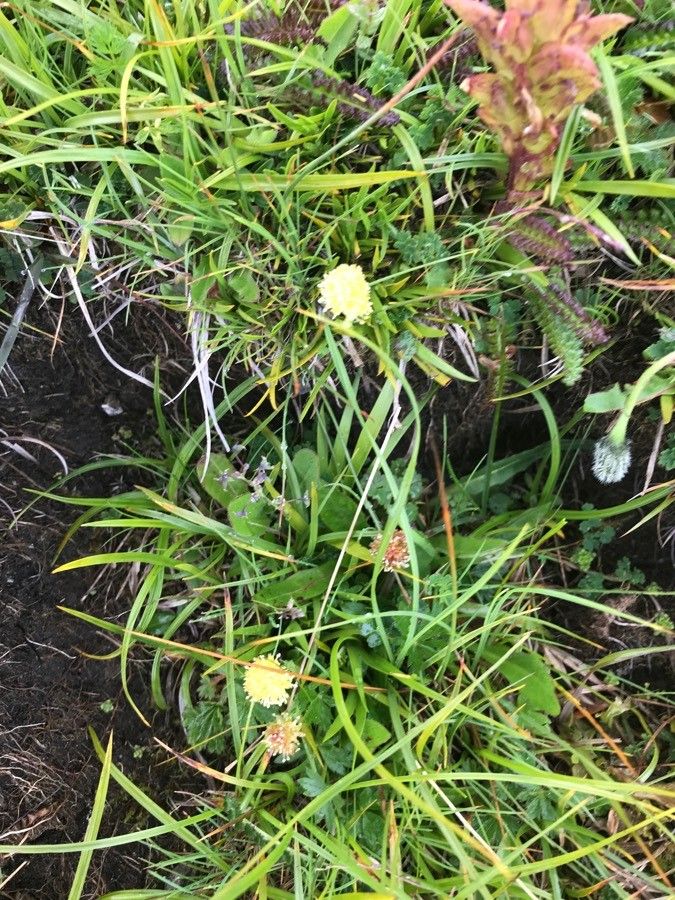
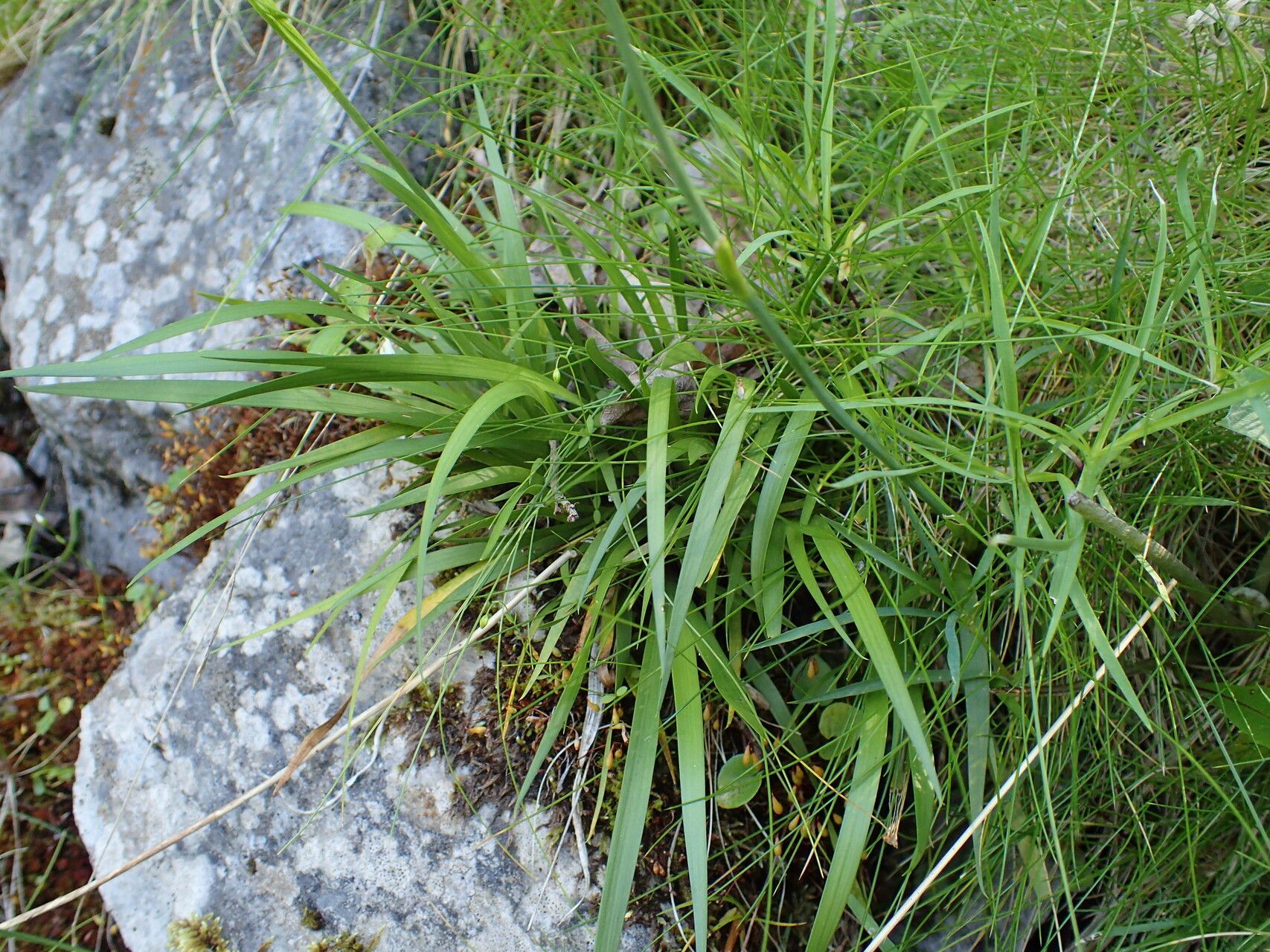
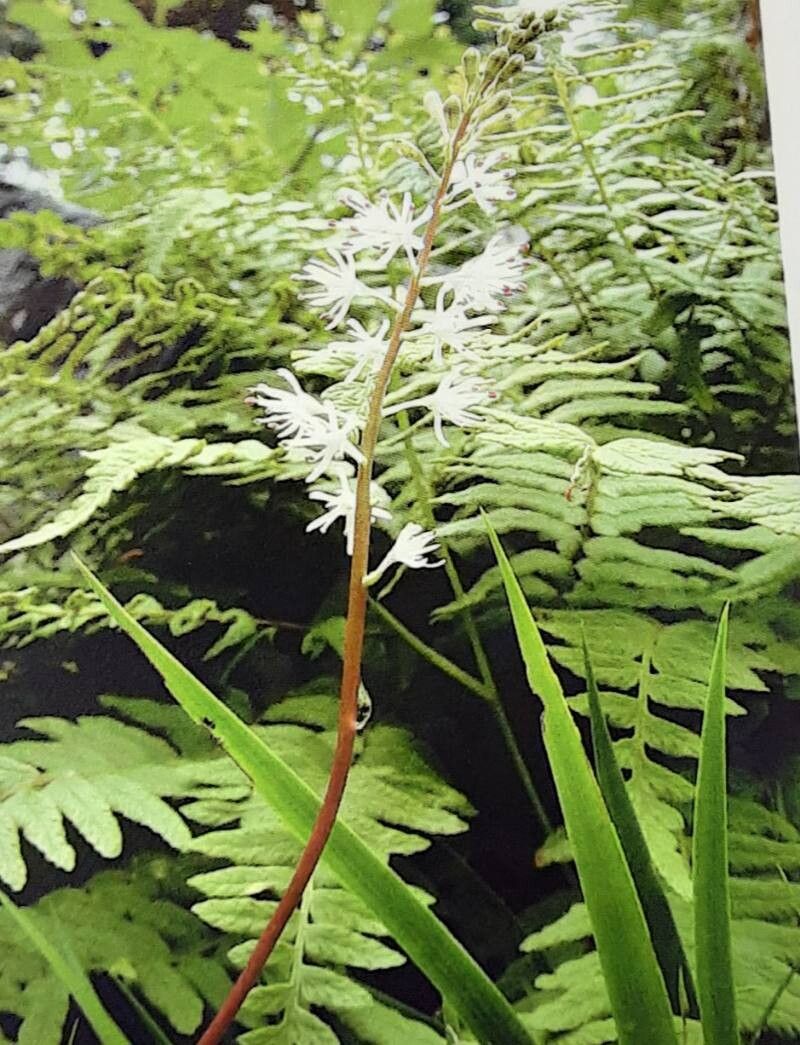
Tofieldia pusilla is a species of flowering plant in the family Tofieldiaceae. It is also sometimes classified in the lily family, Liliaceae. Its common name is Scottish asphodel in Europe, and Scotch false asphodel in North America. The plant is native to northern North America and parts of Eurasia, its circumpolar distribution extending across Canada and the northern United States to Greenland, Iceland and northern Europe. It grows in moist, open areas.
Scottish asphodel is relatively disease-resistant and generally not prone to illnesses. Still, it can be vulnerable to pests and diseases present in its surroundings. These problems are typically not serious. As for maintenance, the plant requires a moderate amount of care. It should be pruned regularly to keep a pleasing appearance and encourage healthy growth. Fertilizing can also aid in promoting blooms. Scottish asphodel is well suited for anyone with outdoor areas like a garden or patio and does not need extensive experience in plant care. It may need more attention when kept indoors.
How to keep Tofieldia Pusilla.
Light
Scottish asphodel naturally occurs in habitats like forest understories or rocky areas, where it grows in natural shade. It prefers partial sun but can tolerate full sun or full shade, showing its versatility and hardiness.
Water
The Scottish asphodel is well-suited for moist environments and needs regular weekly watering to flourish without becoming waterlogged. As a herbaceous perennial, it displays moderate drought tolerance but benefits greatly from careful watering during its active growing season, which helps maintain its lush foliage and delicate blooms.
Fertilizer
Usually, one fertilizer application in spring is adequate for Scottish asphodel, though multiple feedings can maximize growth. Feed every month to a month and a half. Fertilizing improves the leaves' appearance and function, helping maintain consistent color and a healthy texture. It also promotes root growth and nutrient absorption for the plant's long-term health.
Pruning
Scottish asphodel features star-shaped flowers and grass-like foliage. To enhance growth and increase flower production, prune the plant from early to late spring. Remove dead leaves and faded blooms to encourage new flowers, maintain the plant's shape, and improve airflow. This reduces the risk of disease and ensures the plant stays healthy.
Botanical profile.
- Plant Type
- Herb
- Life Cycle
- Perennial
- Genus
- Tofieldia
- Family
- Tofieldiaceae
- Hardiness Zone
- 2-7
- Mature Height
- 8 cm to 20 cm
- Mature Spread
- 3 cm to 5 cm
- Leaf Color
- Light Green
- Leaf Type
- Semi-evergreen
- Flower Color
- White
- Flower Size
- 0.25 cm to 0.76 cm
- Bloom Time
- Early summer, Mid summer
- Planting Time
- Spring, Summer
- Harvest Time
- Late summer, Early fall
- Native Area
- Sweden, Austria, Slovakia, Poland, Russia, Norway, Germany, Italy, Switzerland, Denmark, Iceland, Finland, United Kingdom, France
Other names.