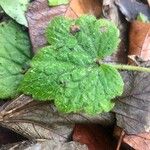
Tolmiea menziesii
Pick-a-back-plant · Youth On Age · Youth-on-age · Piggyback plant · Pick-a-back Plant
Description
Source: leafsnapTolmiea menziesii, commonly known as the piggyback plant or youth-on-age, is a perennial herbaceous plant native to the Pacific Northwest region of North America. It belongs to the Saxifragaceae family and typically thrives in moist, shaded environments such as forests and streambanks. This plant is characterized by its distinctive heart-shaped leaves, which grow in a rosette pattern at the base of its stem. The dark green leaves, marked by prominent veins, can reach lengths of up to 10 inches. The stem itself can grow up to 2 feet tall and produces small clusters of greenish-yellow flowers in late spring or early summer. A unique feature of Tolmiea menziesii is its ability to generate new plants from tiny buds that form along the edges of its leaves. These buds eventually develop into miniature plants that can be separated from the parent plant and grown independently. For centuries, indigenous peoples have utilized the piggyback plant for medicinal purposes, employing various parts to treat ailments such as headaches, coughs, and skin irritations. Overall, Tolmiea menziesii is an intriguing and aesthetically pleasing addition to any garden or indoor space, thanks to its unique growth habits and striking foliage.
Care Guide
💧 Water Every 7 days
The Piggyback Plant thrives in consistently humid environments and needs evenly moist soil. It typically requires weekly watering. Although it is usually grown indoors, it benefits from regular misting to mimic its native habitat. The plant's growth cycle is closely tied to water availability, so it flourishes when it receives plenty of hydration.
How should I water my Piggyback Plant?
To best care for the Piggyback Plant, use filtered water at room temperature. This is because tap water may have harmful particles. The plant prefers warmer water, as it is native to warm environments and cold water can be a shock. Avoid watering from above, as this can cause issues with the leaves. Instead, thoroughly soak the soil with filtered, room temperature water. This helps the roots to spread and collect nutrients.
What should I do if I give my Piggyback Plant too much water or too little water?
Overwatering is a common issue for Piggyback Plants and can lead to wilted, yellow leaves, as well as diseases like root rot, mold, and mildew. Underwatering is less common, but still a possibility, resulting in brittle and brown leaves. It's important to recognize the signs of overwatering and adjust your watering schedule accordingly. If the soil drains poorly, replace it with a well-draining mix. If underwatering is the problem, simply water more regularly until the signs improve.
How many times a week should I water my Piggyback Plant?
If your Piggyback Plant is in a pot, you can check if it needs water by sticking your finger into the soil. If the top few inches of soil are dry, it's time to water it. The same method applies if you're growing your Piggyback Plant outdoors in the ground. Typically, you'll need to water this plant once a week during spring and early fall. However, during hot weather, you may need to water it twice a week or more. It's important to note that mature, well-established Piggyback Plants have a good tolerance for drought.
How much water does my Piggyback Plant require?
When you water your Piggyback Plant, don't be afraid to give it a good amount of water. Make sure the top few inches of soil are dry, then give the plant a thorough soaking. The water should fill the soil completely and drain out of the bottom of the pot. If you don't see any water draining, you probably didn't give enough water. However, be careful not to let the water build up in the soil, as this can harm the plant. If you're watering the plant outdoors, one inch of rain per week should be enough.
How do I water my Piggyback Plant as it grows?
The water needs of the Piggyback Plant can vary depending on its growth stages. In the first few years of its life or when it has just been transplanted, it requires more water than usual. During these stages, the plant focuses on producing new roots to support future growth, so it benefits from increased moisture. As the plant matures, it will require less water. Another stage that may necessitate more water is during the bloom period, as the development of flowers requires a significant amount of moisture.
☀️ Light Partial sun
The Piggyback Plant prefers moderate sunlight but can tolerate areas with less light. It originates from habitats that are not constantly exposed to sunlight. Too much sun can cause harm, while too little light may stunt its healthy growth, reflecting its light preferences at different growth stages.
What are the sunlight requirements for the Piggyback Plant?
The Piggyback Plant, known botanically as Tolmiea menziesii, thrives best in conditions that offer a moderate amount of sunlight. While it is capable of growing in areas with less light, the ideal exposure involves about 3-6 hours of sunlight, categorizing it under partial sun preferences. For spaces receiving less than 3 hours of sunlight, such as full shade conditions, careful observation of the garden's light dynamics is crucial to identify suitable spots that balance light and shade. This ensures the plant's health by matching its natural habitat, which is not predominantly sunny.
How does artificial lighting help with the growth of indoor plants like the Piggyback Plant?
Artificial lighting plays a vital role in the growth of indoor plants, especially for the Piggyback Plant when natural sunlight is insufficient, such as during winter or in less sunny spaces. LED lights are recommended due to their efficiency and ability to provide specific light wavelengths needed for plant growth. For optimal growth, full sun plants should receive 30-50W per square foot of artificial light, partial sun plants need 20-30W per square foot, and full shade plants require 10-20W per square foot. The light source should be placed 12-36 inches above the plant, simulating natural sunlight conditions, and should remain on for about 8-12 hours daily to meet the plant's light requirements effectively.
What are the symptoms of light deficiency in the Piggyback Plant?
When the Piggyback Plant receives insufficient light, several symptoms may manifest, indicating a need for better light conditions. These include smaller new leaves, leggy or sparse growth due to longer spaces between leaves or stems, and faster leaf drop as the plant conserves resources. Additionally, the plant might display slower or no new growth, enter survival mode with halted leaf production, and develop lighter-colored or irregularly patterned new leaves. Chlorosis, or the loss of green color in leaves, and sunscald, marked by pale or necrotic areas on plant tissue, are extreme symptoms alongside leaf curling, wilting, and leaf scorching, which indicate significant stress due to improper light exposure.
How can I solve light deficiency issues for my Piggyback Plant both indoors and outdoors?
To address light deficiency in Piggyback Plants, a gradual approach to increasing sunlight exposure is recommended. For indoor plants, moving them weekly to sunnier spots until they receive the ideal 3-6 hours of direct sunlight daily helps them adapt without stress. If the plant is large or not easily movable, consider artificial lighting solutions such as keeping a desk or ceiling lamp on for a minimum of 8 hours daily or investing in professional grow lights. Outdoors, the strategy involves moving plants gradually to sunnier locations to prevent sunburn from abrupt changes. If sunlight is blocked by obstacles like trees, pruning to enhance light filtration or transplanting during the plant's dormant period to a sunnier spot with good drainage can significantly benefit growth. It's important to note that parts of the plant already affected by light deficiency might not recover, but new growth will be healthy following these adjustments.
🌡️ Temperature 15–35°C
The Piggyback Plant originates from temperate climates, where it experiences temperatures ranging from 59 to 95 °F (15 to 35 °C). These plants favor moderate warmth, so seasonal adjustments should be made to replicate those conditions.
What is the native climate of the Piggyback Plant?
The Piggyback Plant, also known by its botanical name Tolmiea menziesii, is native to temperate environments. It thrives in conditions where temperatures range between 59 to 95 °F (15 to 35 °C), preferring moderate warmth. As the seasons change, it may be necessary to adjust the environment of the plant to emulate these native conditions as closely as possible.
How does the Piggyback Plant handle cold temperatures?
The Piggyback Plant has a strong resistance to cold and does not usually require special protection against frost during winter. However, if winter temperatures are expected to plunge below -15°C, it's crucial to offer the plant some form of cold protection. This can involve covering the plant with insulating materials such as soil or straw. Additionally, watering the plant abundantly before the first freeze of autumn, ensuring the soil remains moist and enters a frozen state, helps prevent drought and water scarcity for the plant throughout the winter and into early spring.
What should be done if the Piggyback Plant experiences temperatures below 15°C?
The Piggyback Plant is quite cold-tolerant, ideally kept in temperatures above 15°C. Should winter temperatures fall below -10°C, and especially if they dip below -15°C, the plant might not show immediate distress but may experience reduced or no sprouting in the following spring. To manage this, remove any plant parts in spring that have failed to sprout.
How should the Piggyback Plant be cared for during high temperatures?
In high temperatures, particularly during summer when temperatures should ideally stay below 35°C, the Piggyback Plant requires special care if temperatures exceed 38°C. The leaves may lighten, curl, become susceptible to sunburn, and in severe cases, the plant might wilt and dry out completely. To mitigate this, trim away sunburned and dry parts. Move the plant to a shaded location or use a shade cloth to protect it from the midday and afternoon sun. Ensuring the soil remains moist through watering in the morning and evening is also crucial.
💨 Humidity high (>60%)
This plant needs special care because it loves high humidity levels of 60-80% or more. The best way to achieve this is by placing a humidifier near the plant. Daily misting is also essential! Make sure the room has good ventilation.
🪴 Soil 5-6
🌱 Fertilizer
The best time to fertilize a Piggyback Plant is in early spring, when it is coming out of dormancy and beginning active growth. Fertilizing supplies essential nutrients for healthy development. Although the Piggyback Plant has fairly low fertilizer requirements, applying fertilizer once a year can improve its survival and encourage better, longer-lasting flowers.
Why should I add fertilizer to my Piggyback Plant?
The Piggyback Plant's leaves are a crucial part of its structure. Fertilization plays a significant role in keeping the leaves healthy and vibrant. By properly fertilizing, you can ensure that the leaves maintain their color and texture. Fertilization goes beyond the surface, benefiting the plant's root system as well. It helps generate new roots and maintain existing ones, enabling the plant to absorb nutrients more effectively in the long run. Essentially, fertilizing your Piggyback Plant not only keeps it healthy in the present but also improves its ability to absorb soil nutrients in the future.
What is the recommended time to fertilize my Piggyback Plant?
If you choose to grow your Piggyback Plant outdoors, it will send new growth in early spring. This is when you should start fertilizing the plant. Typically, a single application of fertilizer is sufficient for the plant in spring. But, if you want to enhance its growth, you can fertilize it multiple times throughout the spring and early summer. In this case, you can feed your Piggyback Plant once every month to a month and a half.
When should I not put fertilizer on my Piggyback Plant?
During the late fall and winter, your Piggyback Plant will go into a dormant phase and stop producing new growth. It's important to avoid fertilizer during this time. In the spring and summer, you can choose to fertilize multiple times, but as summer approaches, you should start reducing the rate of fertilization because the plant's growth rate will slow down. It's never a good idea to fertilize the Piggyback Plant when the weather is unusually hot or the soil is very dry. Fertilizing in these conditions can cause stress and lead to the plant dying prematurely.
What kind of fertilizer does my Piggyback Plant need?
Choosing the best fertilizer for a Piggyback Plant is actually quite simple. These plants thrive on a general-purpose garden fertilizer with equal amounts of nitrogen, phosphorus, and potassium, such as a 10-10-10 ratio. It's important to avoid fertilizers with high nitrogen levels if you're unsure. Granular fertilizers that are slow-release are usually the best option. They are easy to apply to the soil and most suitable for Piggyback Plants. Additionally, using organic soil amendments like compost can also be beneficial for feeding your Piggyback Plant.
How can I help my Piggyback Plant grow better with fertilizer?
To properly feed your Piggyback Plant, wait until you see its first leaves emerging in early spring. Then, apply a balanced slow-release fertilizer to the soil around the base of the plant. If needed, you can repeat this process later in the season. Remember to apply the fertilizer to the soil, not the plant itself, which may require moving some leaves aside to access the soil above the roots. Additionally, it is best to water your Piggyback Plant before and after applying the fertilizer.
🪴 Pot & Repot 2-3 years
When repotting Piggyback Plant, choose a pot 1-2 inches (2.5–5.1 cm) larger with ample drainage. Use a well-draining potting mix. Repot in spring or fall, making sure the root ball is slightly lower than the rim of the flower pot. Water thoroughly after repotting and place it in a warm spot with indirect sunlight.
✂️ Pruning
To keep your Piggyback Plant healthy and attractive, consider pruning it occasionally from early to late spring. This will promote better growth and appearance. Concentrate on cutting back any leggy stems and removing damaged leaves to help the plant maintain a bushy shape. Make sure to use clean, sharp tools to minimize the risk of damage and disease, ensuring that your plant stays in top condition.
🌿 Propagating
🐛 Diseases & pets
☠️ Toxicity
Tolmiea menziesii is not poisonous to cats or dogs, as per the ASPCA.
Characteristics
- Plant Type
- Herb
- Life Cycle
- Perennial
- Genus
- Tolmiea
- Family
- Saxifragaceae
- Hardiness Zone
- 7-9
- Mature Height
- 30 cm to 76 cm
- Mature Spread
- 49 cm
- Leaf Color
- Green
- Leaf Type
- Evergreen
- Flower Color
- Brown, Green
- Flower Size
- 0.76 cm to 1.02 cm
- Bloom Time
- Mid spring, Late spring, Early summer, Mid summer
- Planting Time
- Spring, Summer, Autumn
- Harvest Time
- Summer, Early fall
- Native Area
- North America