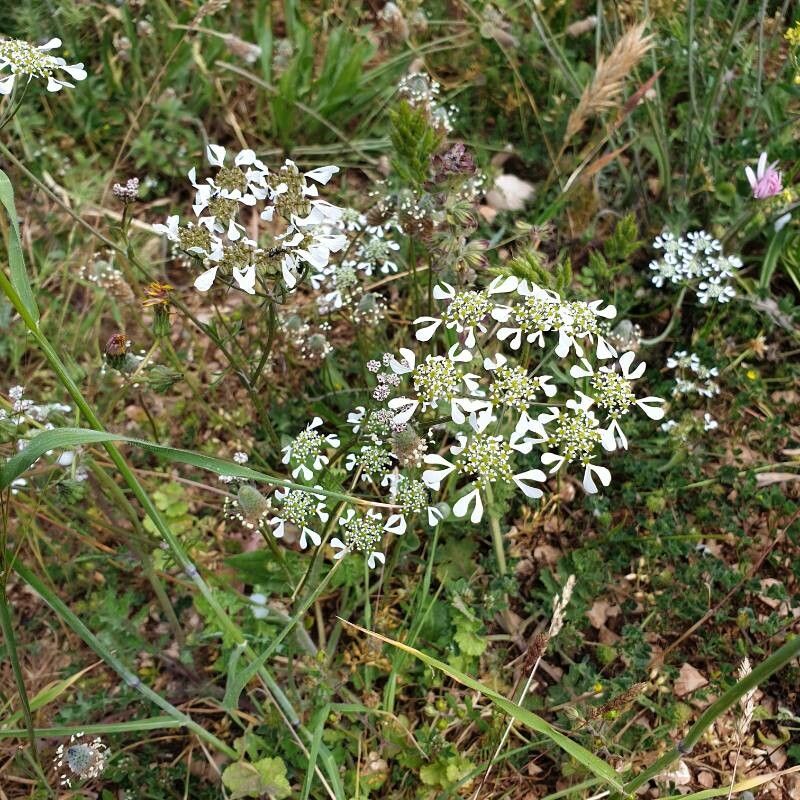
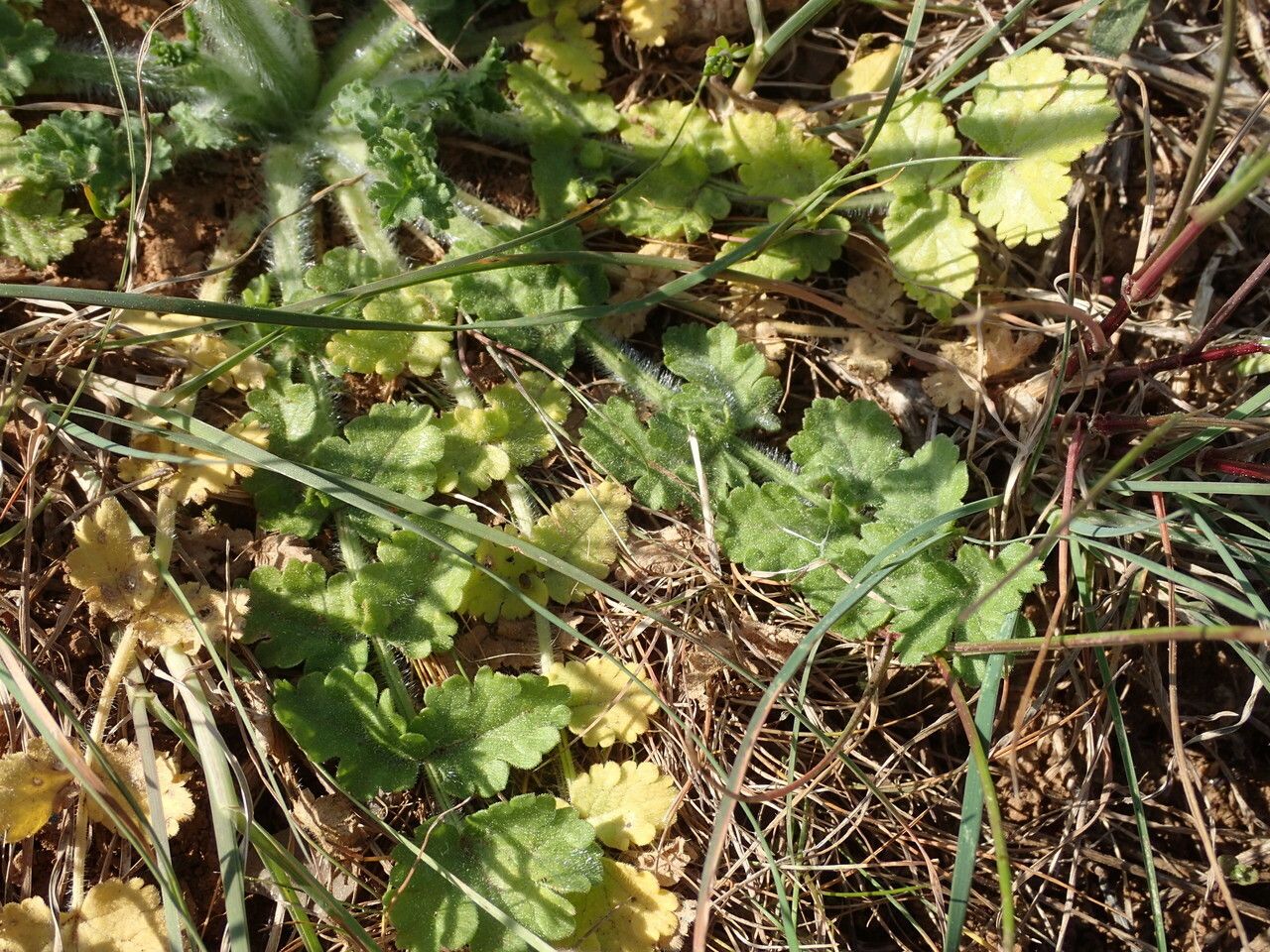
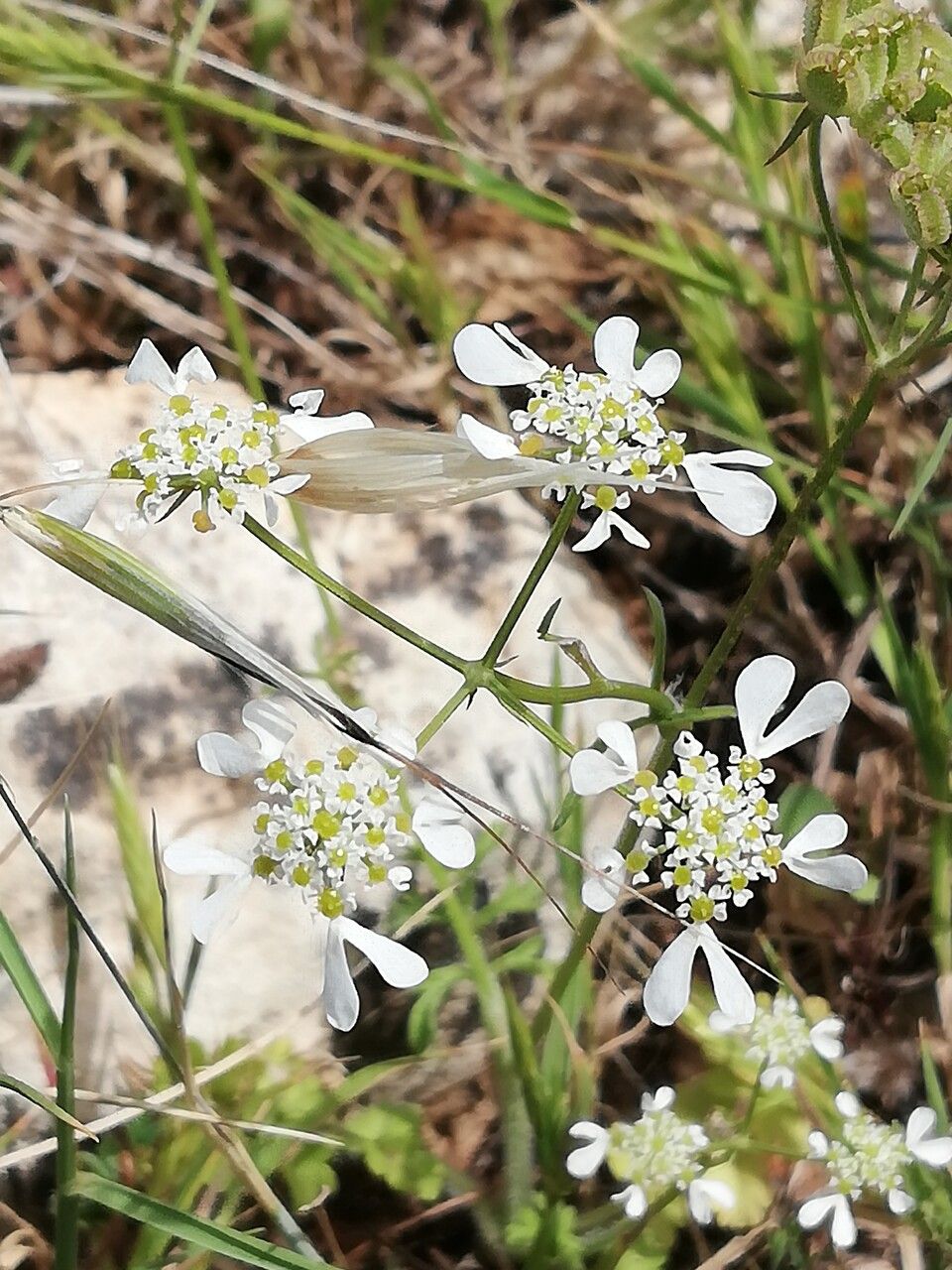
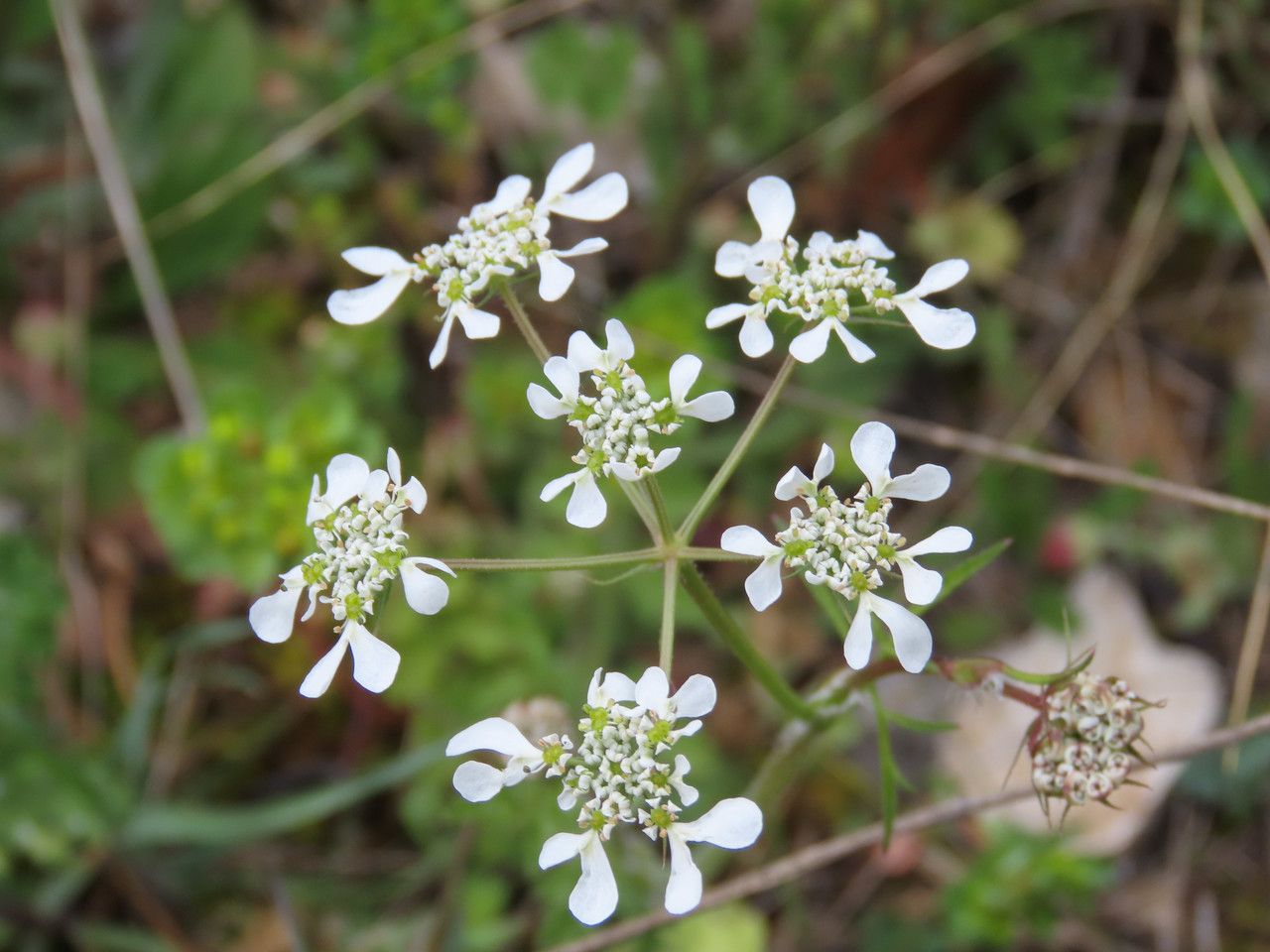
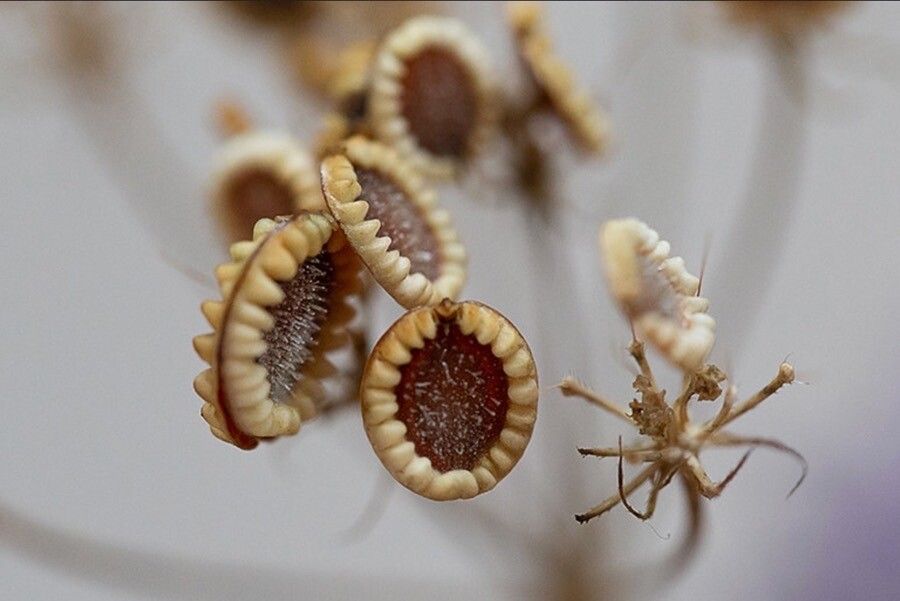
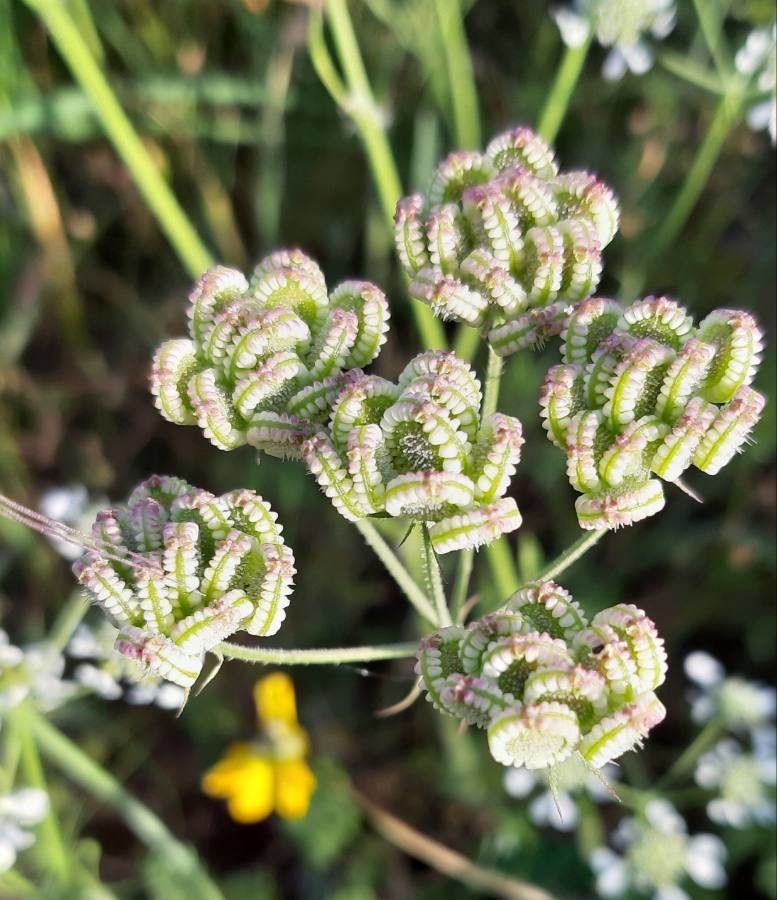
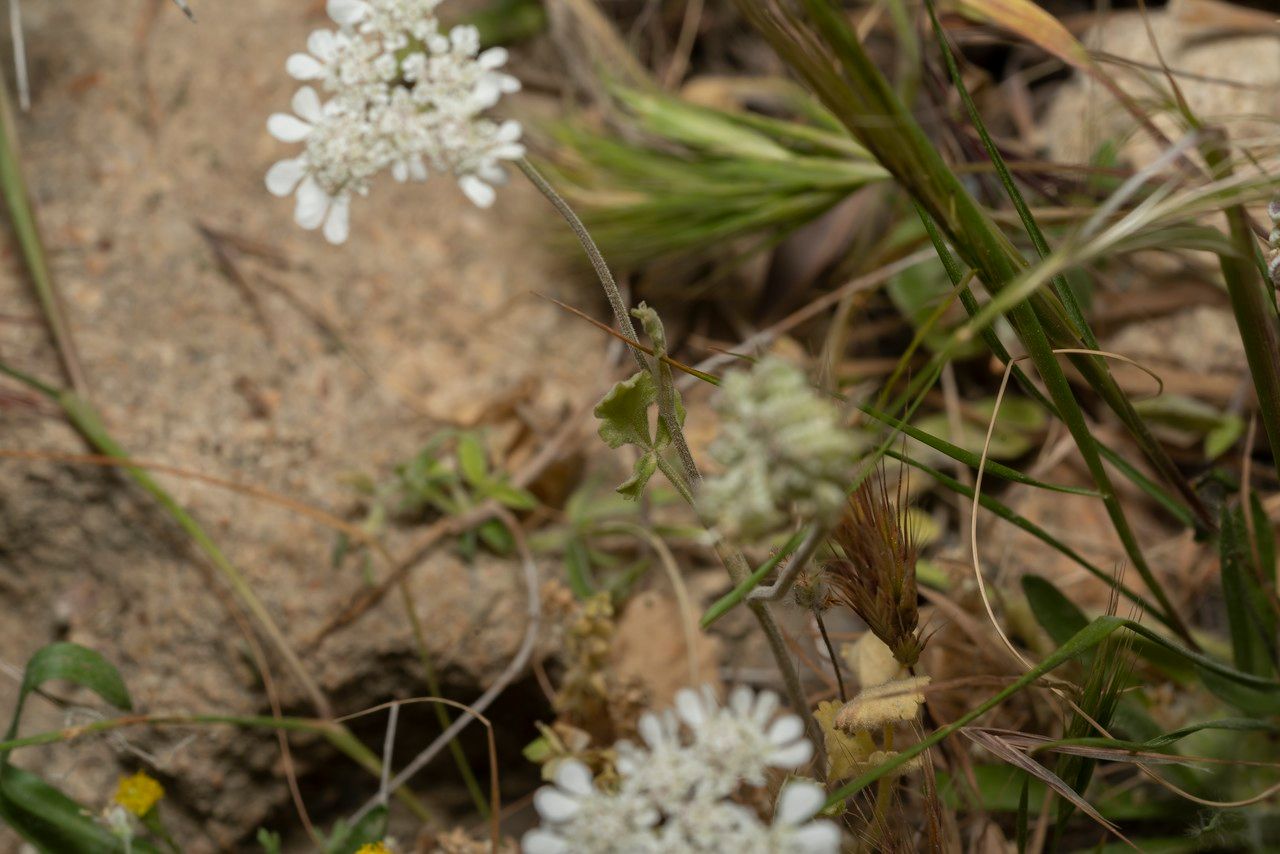
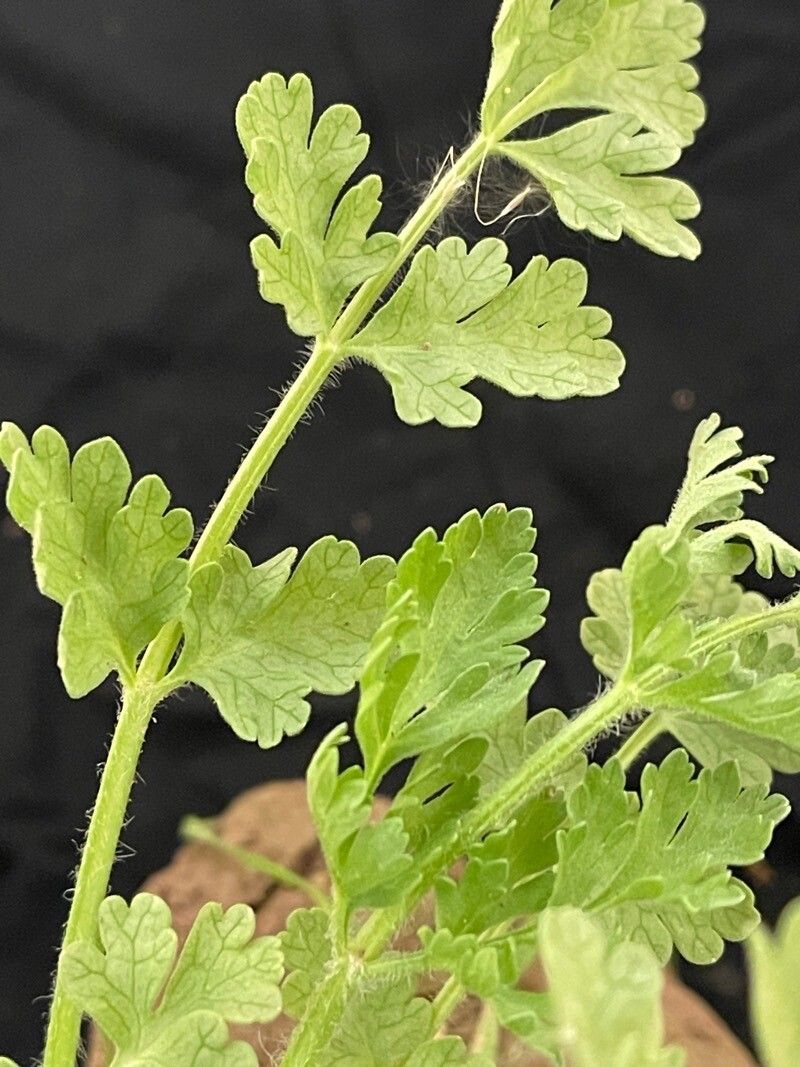
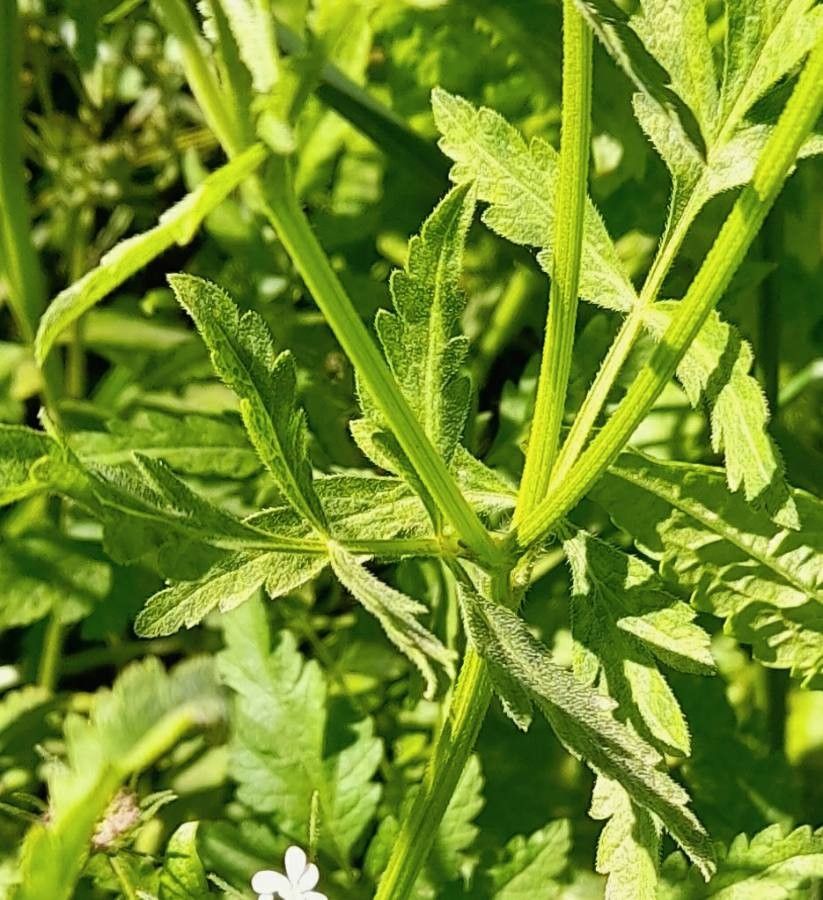
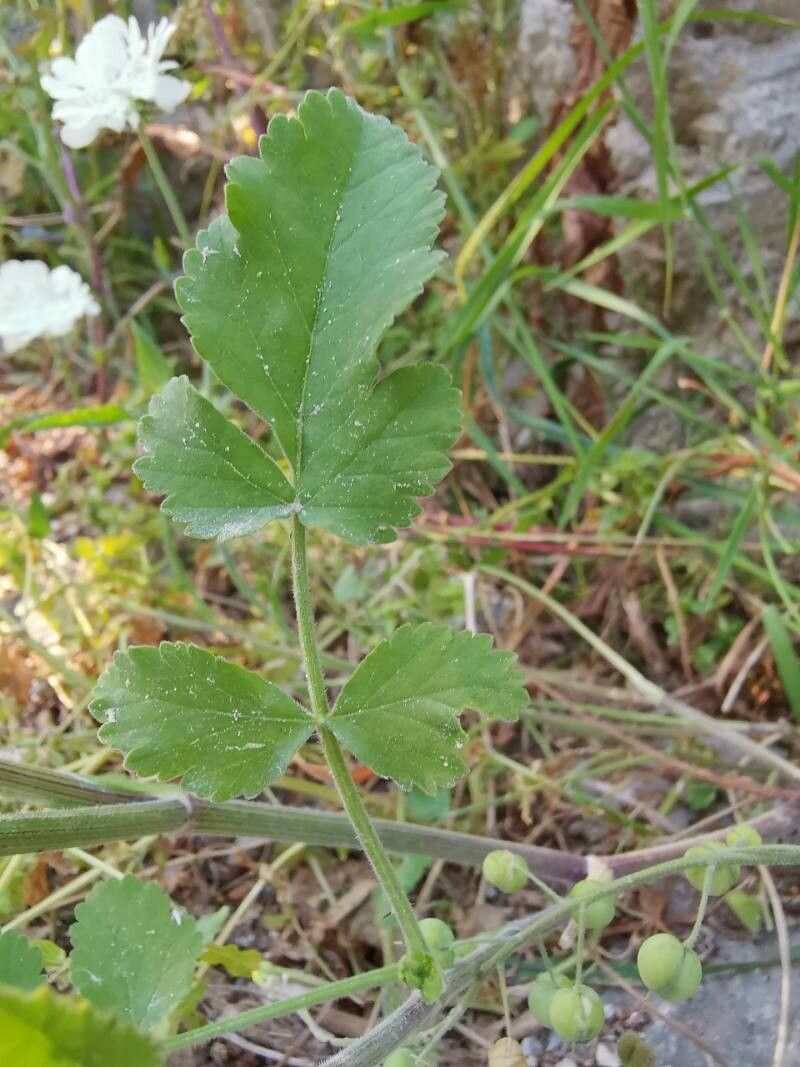
Tordylium apulum, commonly known as the Mediterranean hartwort, is an annual forb or herb. It is classified within the family Apiaceae, the carrot family. It is native to Europe and Western Asia, but has been introduced to the United States, where it is now found only in Arizona. This plant's seeds are suggested as the plant model used for the famous gold "Malia Pendant", a jewel of high quality gold-smithery of the Minoan times now on display at the Heraklion Archaeological Museum.
Mediterranean hartwort is fairly resistant to disease and generally not easily affected by illnesses. Still, it can be vulnerable to pests and diseases present in its environment, though such infestations are typically mild. Regarding care, the plant has moderate maintenance needs. Regular pruning is necessary to keep it looking tidy and to support healthy growth. Applying fertilizer can also encourage blooming. This plant is suitable for people with outdoor areas like a garden or patio and does not require extensive experience in plant care. When grown indoors it may need more attention.
How to keep Tordylium Apulum.
Light
For healthy development, mediterranean hartwort does best when it receives ample light each day, reflecting its native habitat where light is plentiful. If it lacks enough light, the plant's vigor lessens. Conversely, too much light can cause scorching or increase the risk of dehydration, although no particular tolerance level has been reported for mediterranean hartwort.
Water
The Mediterranean hartwort, originally from the Mediterranean region, grows best in dry and sunny conditions, and it is tolerant of drought. Watering the plant once a week is sufficient, and it thrives in soil that drains well, which helps prevent root rot. Maintaining the right moisture balance is crucial to its health, particularly during periods of heavy rain or excessive watering.
Temperature
Mediterranean hartwort is a plant species native to Mediterranean climates that prefers temperatures between 68 and 95 °F (20 to 35 ℃). To replicate its natural habitat, keep temperatures within this range and adjust them with seasonal changes.
Fertilizer
Mediterranean hartwort benefits from regular, dilute fertilizer applications to encourage healthy leaf development. You should feed Mediterranean hartwort roughly once a month throughout the summer. Nitrogen is essential for foliage, and adding nitrogen-rich sources helps Mediterranean hartwort thrive.
Pruning
Mediterranean hartwort is a biennial herb that benefits greatly from pruning in early to late spring. Pruning helps encourage bushy growth and prevents the plant from becoming leggy. To maintain its shape and promote a healthy structure, regularly remove spent flowers and cut back any overgrown stems. This not only improves air circulation but also reduces the risk of disease.
Botanical profile.
- Plant Type
- Herb
- Life Cycle
- Annual, Perennial
- Genus
- Tordylium
- Family
- Apiaceae
- Hardiness Zone
- 4-8
- Mature Height
- 20 cm to 49 cm
- Mature Spread
- 20 cm to 40 cm
- Leaf Color
- Green, Dark Green
- Leaf Type
- Semi-evergreen
- Flower Color
- White
- Flower Size
- 5.08 cm to 8.89 cm
- Bloom Time
- Mid spring, Late spring
- Planting Time
- Spring
- Harvest Time
- Early summer, Mid summer
- Native Area
- Libya, Turkey, Tunisia, Syria, Italy, Spain, France, Montenegro, Cyprus, Bulgaria, Albania, Greece, Croatia, Slovenia, Algeria, Portugal
Other names.
Reader questions.
How should I water my Mediterranean hartwort to ensure it grows well?
When watering Mediterranean hartwort, you have several options such as using a garden hose with a spray nozzle or a watering can. This plant is not too particular about the type of water it receives and can survive on rainwater, tap water, or filtered water. However, it's generally best to avoid overhead watering as it can harm the leaves and flowers and even lead to disease. A drip irrigation system is often the most effective way to water this plant, as it provides even and direct water supply to the soil. If you have a container-grown Mediterranean hartwort, you can follow a similar watering approach but use tools like a cup, watering can, or tap to water the soil directly.
What are the sunlight requirements for Mediterranean Hartwort?
Mediterranean Hartwort requires more than 6 hours of sunlight daily to ensure healthy growth. This light requirement aligns with its natural habitat, where it flourishes under abundant light. Insufficient light may lead to diminished vitality, while excess exposure could risk scorching or dehydration, although it typically handles sunlight well. Observing how sunlight moves through your garden can help you find the ideal spots that offer a balance of light and shade, ensuring your plants thrive.
What is Mediterranean hartwort and where is it native to?
Mediterranean hartwort, botanically known as Tordylium apulum, is a plant species indigenous to Mediterranean climates. These regions offer optimal growing conditions, with temperatures ranging between 68 to 95 °F (20 to 35 °C). This plant thrives in these temperatures, making the Mediterranean climate ideal for its growth.
What should I do if I give too much or too little water to my Mediterranean hartwort?
The solution for underwatering Mediterranean hartwort is simple: water it more regularly when you notice it lacks moisture. Overwatering, on the other hand, can be much more dangerous. If your plant gets too much water, it can get sick and eventually die. To avoid this, choose a sunny spot with good drainage for your hartwort. If you overwater a potted hartwort, you may need to transfer it to a new pot with better drainage and loose soil.
What essentials are needed for the healthy growth of Mediterranean Hartwort?
For optimal growth, Mediterranean Hartwort needs plenty of light daily, consistent with its origin habitat's abundant light. When natural sunlight isn't enough, especially during winter or in shaded areas, artificial lighting can be a vital solution. It promotes healthier, faster growth through adequate light exposure. LED lights are recommended for their ability to provide specific wavelengths needed by plants. The necessary artificial light intensity varies depending on the plant's light requirement, with full sun plants needing 30-50W/sq ft, partial sun 20-30W/sq ft, and full shade 10-20W/sq ft. Positioning the light source 12-36 inches above the plant for 8-12 hours daily can mimic natural sunlight conditions effectively.
How should I mimic the native environment for Mediterranean hartwort?
To mimic the Mediterranean hartwort's native environment, maintain temperatures within 68 to 95 °F (20 to 35 °C), and adjust these conditions according to seasonal changes. Although the plant has strong cold resistance and typically does not require special frost protection, it's important to prepare for winter by watering the plant abundantly before the first freeze. This ensures the soil remains moist and prevents drought during winter and early spring. If winter temperatures are expected to drop below -30°C, provide cold protection by covering the plant with soil or straw.
How frequently do I need to water my Mediterranean hartwort?
Mediterranean hartwort requires regular watering throughout the growing season. In spring, water once per week. As the season progresses and temperatures rise, increase watering to two to three times per week. However, be cautious not to exceed this frequency as it can harm the plant. It is important to maintain a relatively moist but not wet soil. Watering Mediterranean hartwort in a pot is slightly different. Due to the soil in the pot heating up and drying out faster, watering frequency should be increased. Generally, water a potted Mediterranean hartwort a few times per week compared to once per week for an in-ground plant.
What are the common symptoms of improper lighting conditions for Mediterranean Hartwort?
Mediterranean Hartwort shows various symptoms under insufficient or excessive light. Insufficient light can lead to smaller new leaves, leggy or sparse growth, faster leaf drop, slower or stopped new growth, lighter colored new leaves indicating a lack of chlorophyll, and chlorosis where leaves turn yellow. Excessive sunlight may cause symptoms like sunscald, leaf curling as a defense mechanism, wilting due to increased water loss, and leaf scorching characterized by brown, dry edges. These symptoms highlight the plant's struggle with incorrect lighting conditions.
What should I do if the temperature falls below or exceeds the optimal range for Mediterranean hartwort?
For temperatures below the optimal range, Mediterranean hartwort remains cold-tolerant but should be kept above 0°C to avoid damage. Even though it may not show noticeable changes when temperatures dip below -30°C, there may be a decrease in sprouting or no sprouting during spring. If this occurs, remove any parts that failed to sprout. During the summer when temperatures can exceed 35°C, it's crucial to keep the plant below this threshold to prevent the leaves from becoming lighter, curling, or suffering from sunburn. In severe cases, the plant might wilt and become dry. To mitigate heat stress, trim away the sunburned and dried-up parts, move the plant to a shaded location or use a shade cloth, and water the plant in the morning and evening to keep the soil moist.
How much water does my Mediterranean hartwort plant need?
There are a few ways to determine how much water your Mediterranean hartwort needs. Some gardeners feel the soil to gauge its moisture and water until the top six inches are moist. Alternatively, you can use a set measurement, such as two gallons per week, adjusting based on temperature and soil dryness. However, be cautious of overwatering if your plant requires less. For container-grown hartwort, water until all layers of dry soil are moist, checking with your finger or observing water draining from the pot.
How can one improve the lighting conditions for Mediterranean Hartwort?
To optimize growth, gradually expose Mediterranean Hartwort to more sunlight, ideally reaching at least 6 hours of direct sunlight daily. For indoor plants, utilize a south-facing window or artificial light sources like desk lamps or professional grow lights for a minimum of 8 hours each day. Outdoors, gradually move plants to sunnier spots to avoid shock and potential sunburn. If sunlight is being obstructed, consider pruning or transplanting to a better-lit area. Note that parts of the plant damaged by poor light may not recover, but new growth will be healthy with improved lighting.
How do I know if I'm giving enough water to my Mediterranean hartwort?
Avoiding overwatering your Mediterranean hartwort can be somewhat difficult. These plants have deep roots and require weekly soil moisture. However, they are also highly prone to root rot, which can result in browning of the plant. While underwatering is less likely to occur, as these plants can survive without supplemental watering for a period of time, prolonged lack of water may cause wilting and dry leaves.