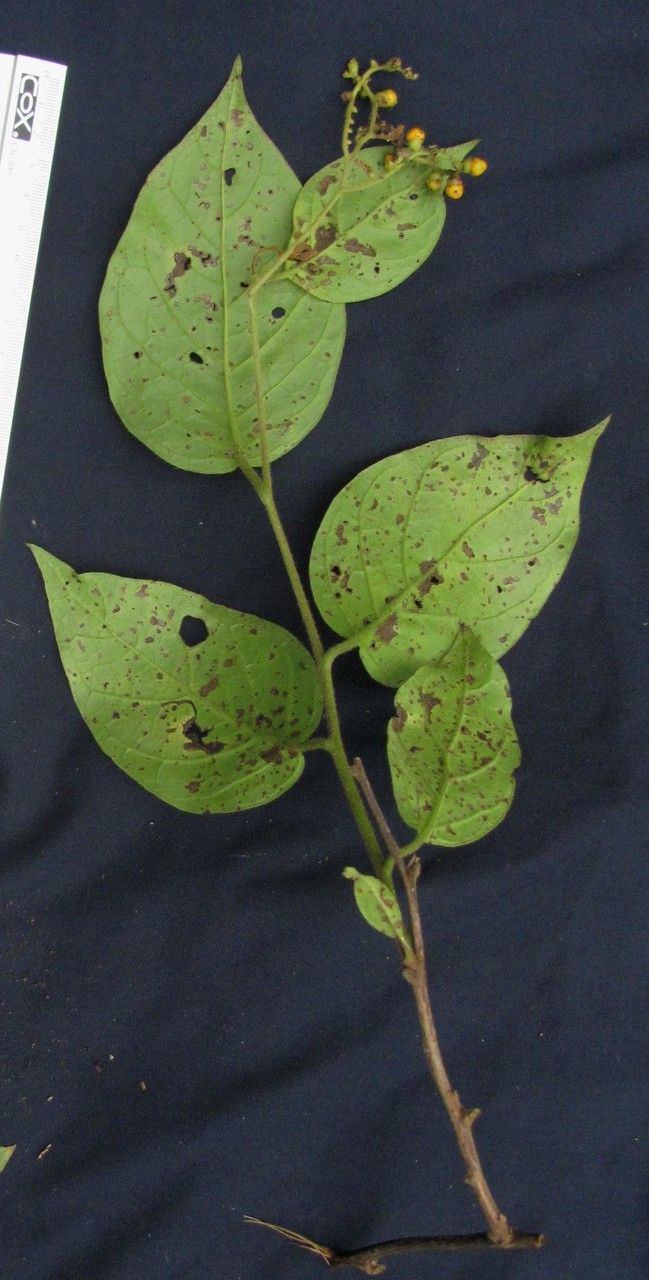
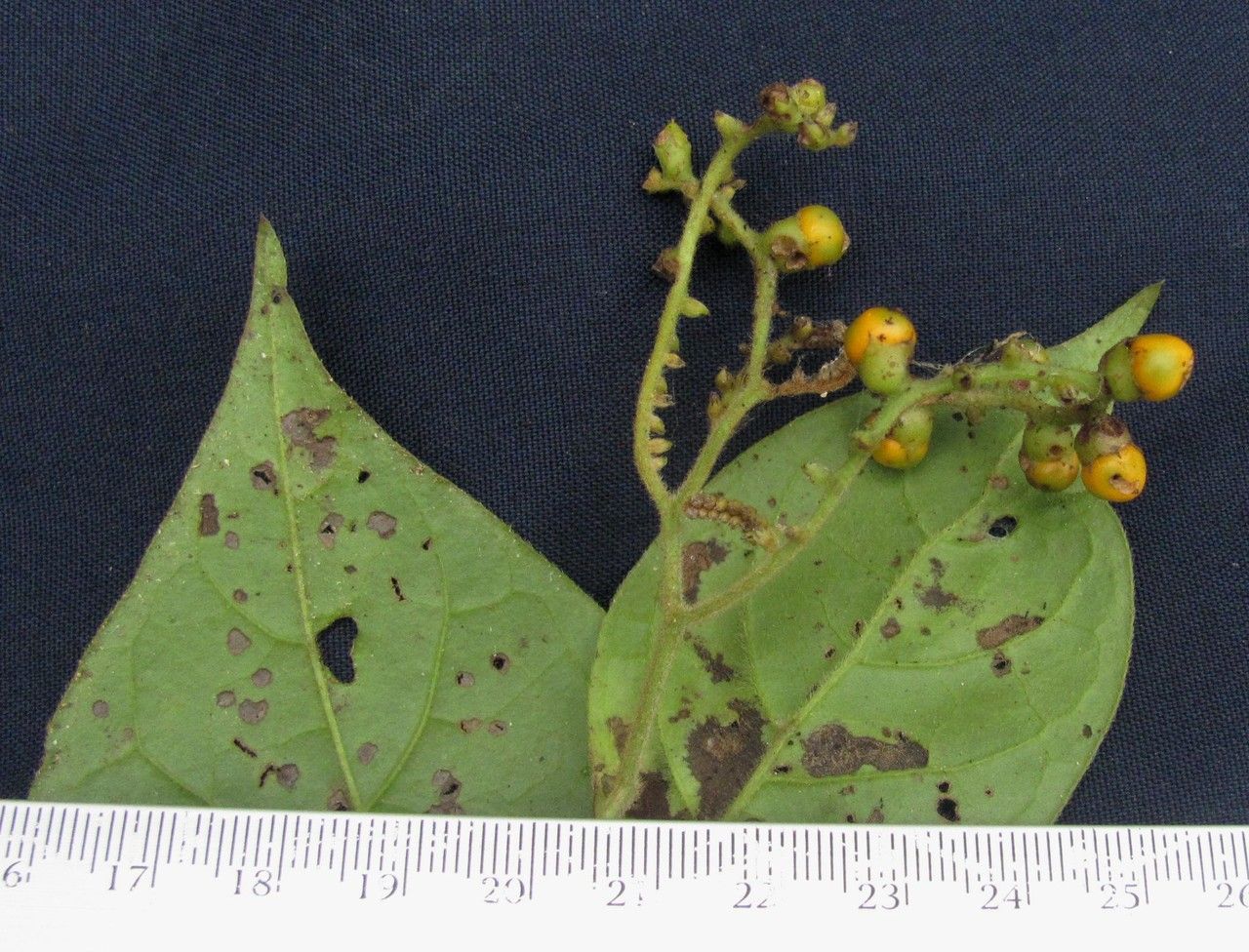
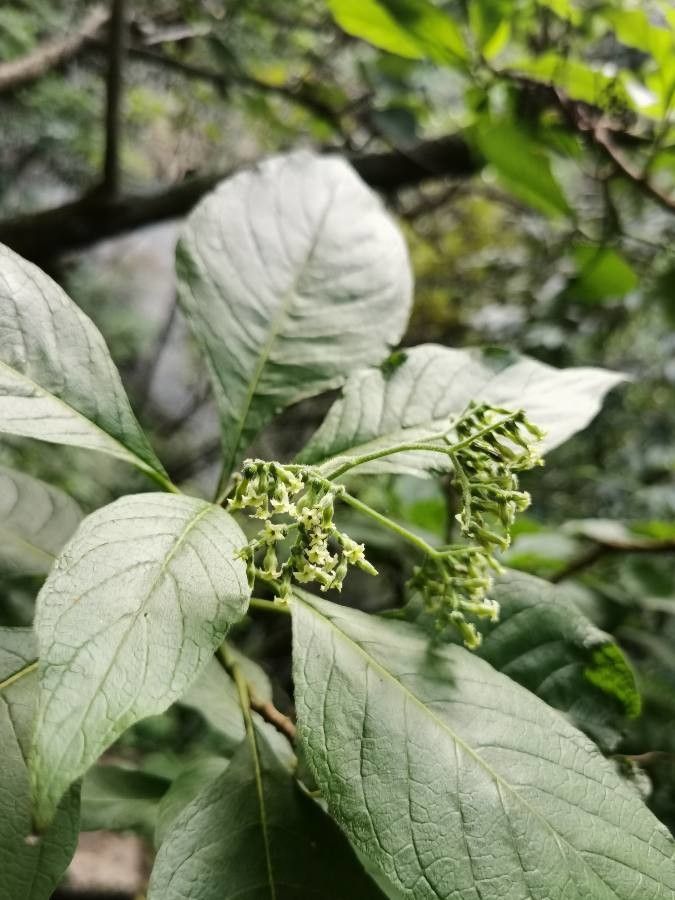
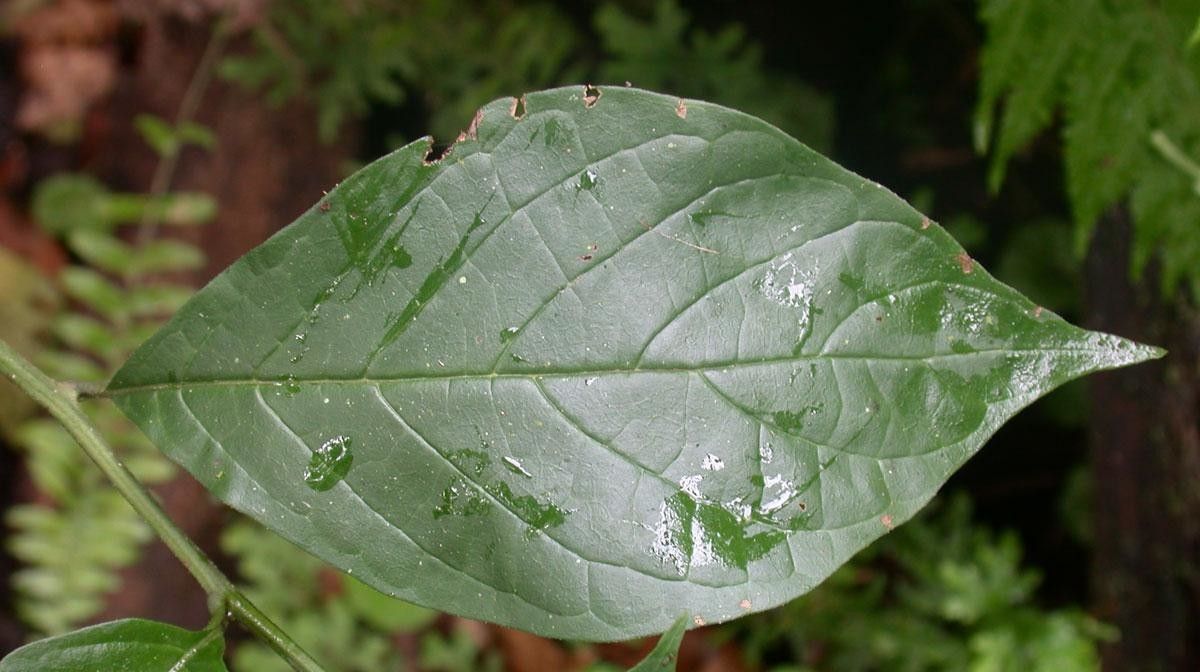
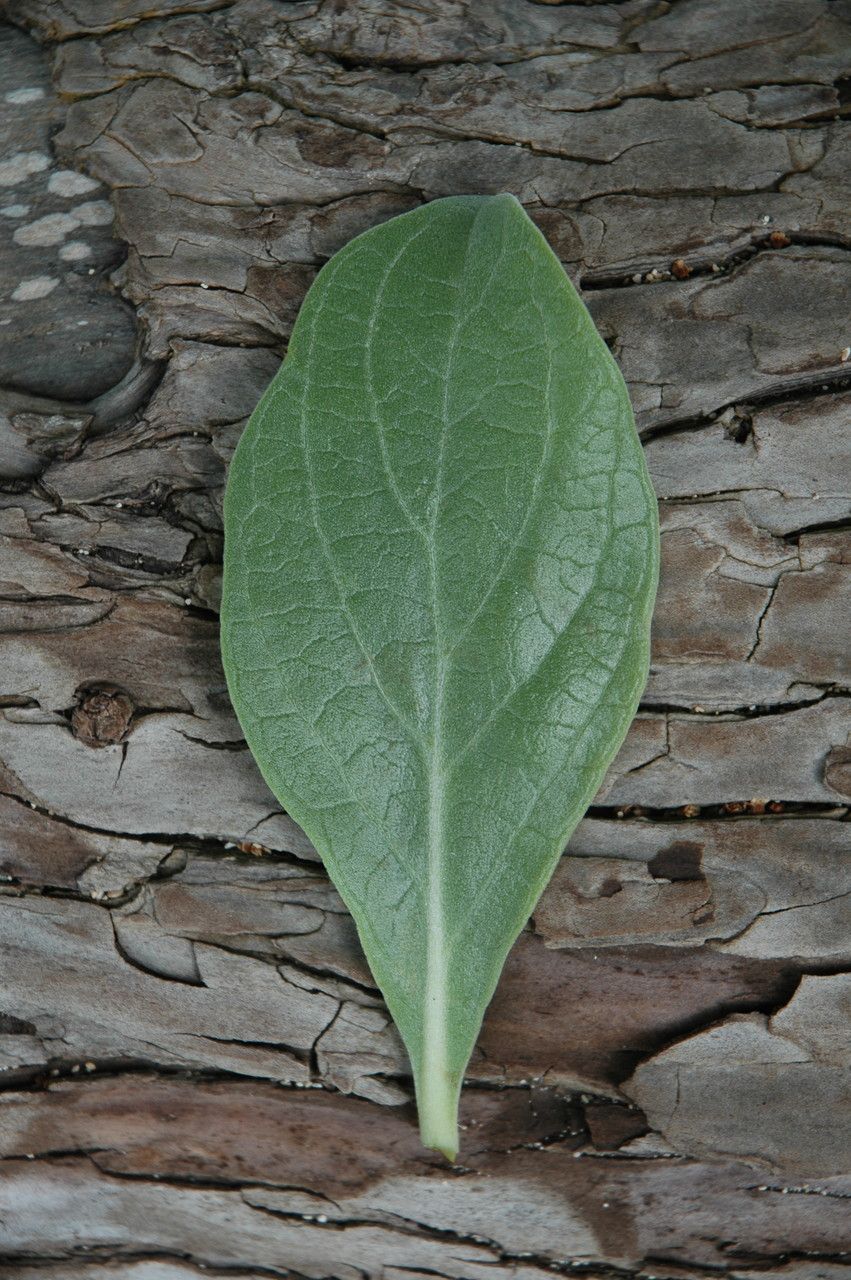
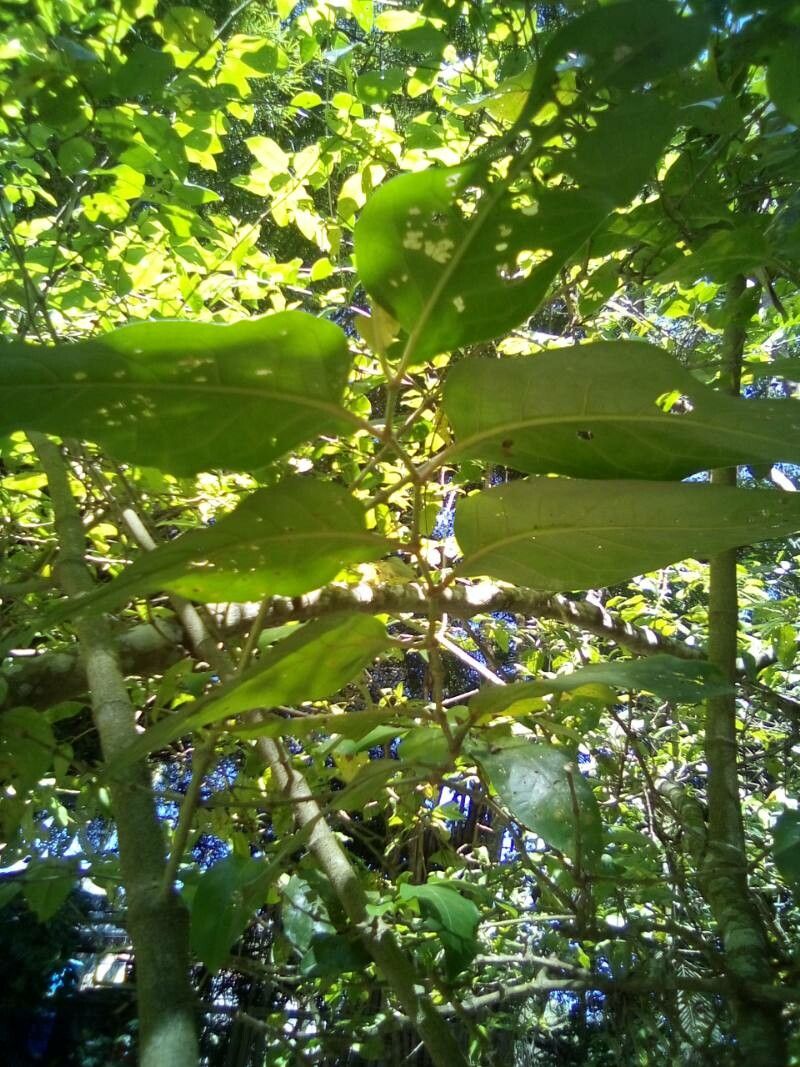
Twining soldierbush is fairly disease-resistant and typically does not suffer from illnesses. Still, it can be vulnerable to pests and diseases found in its environment. Such infections are generally mild. Regarding maintenance, this plant needs a moderate amount of care. It should be pruned regularly to keep a tidy appearance and support healthy growth. Applying fertilizer can also encourage more blooms. Twining soldierbush is appropriate for anyone with outdoor space, like a garden or patio, and does not demand extensive gardening experience. It may need increased attention if grown indoors.
How to keep Tournefortia Volubilis.
Light
Twining soldierbush is a sun-loving, perennial herbaceous plant native to open habitats, commonly found in meadows and grasslands. It prefers full sun but can also tolerate partial sun.
Fertilizer
A single fertilizer application in spring is typically enough for Twining soldierbush, though repeated feedings can boost growth. Feed every month to a month and a half. Fertilizing improves the leaves' appearance and function, helping maintain even color and a healthy texture. It also promotes root development and nutrient uptake for long-term plant health.
Botanical profile.
- Plant Type
- Vine, Herb
- Life Cycle
- Perennial
- Genus
- Tournefortia
- Family
- Boraginaceae
- Leaf Type
- Semi-evergreen
- Native Area
- Belize, Honduras, Mexico, Guatemala, Peru, Panama, Jamaica, Colombia, Bahamas, Cuba, Venezuela, Guyana, El Salvador, Nicaragua, Costa Rica
Other names.