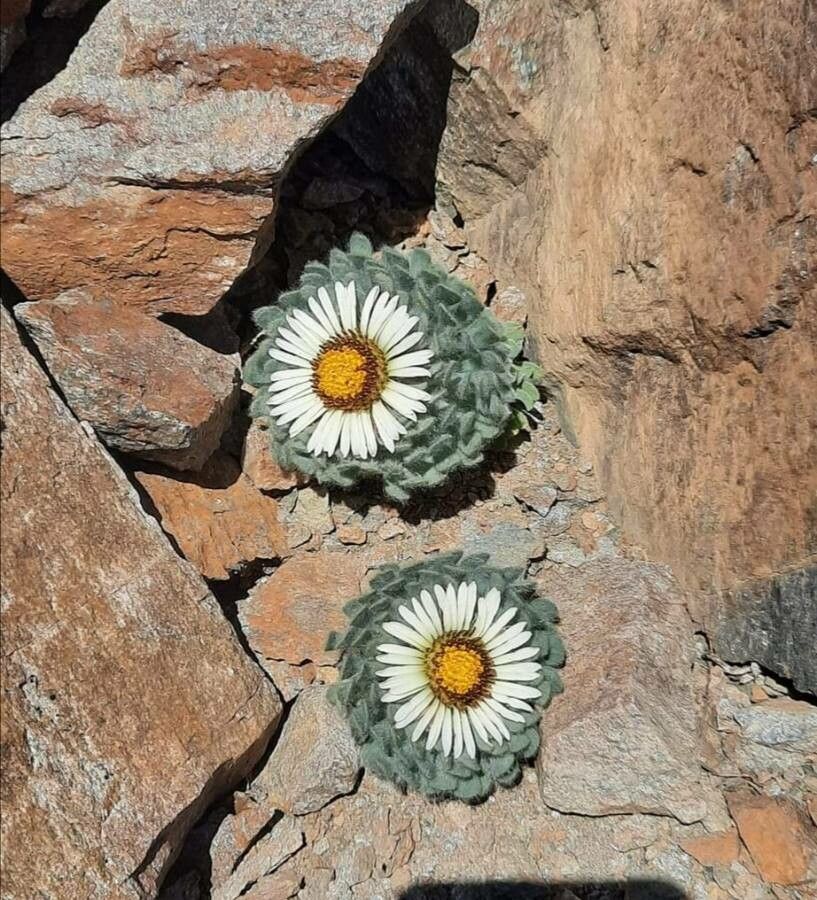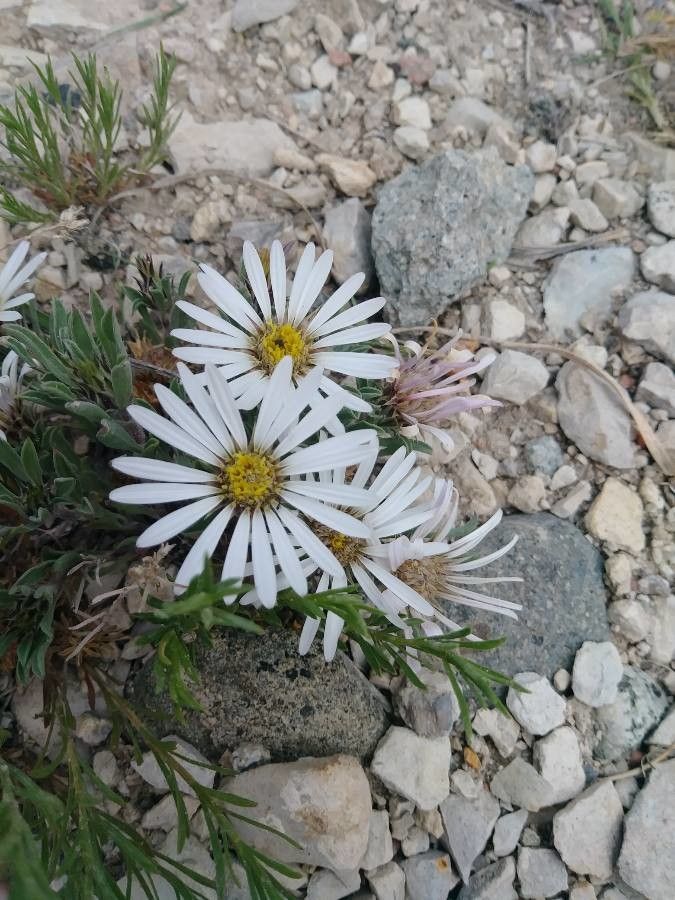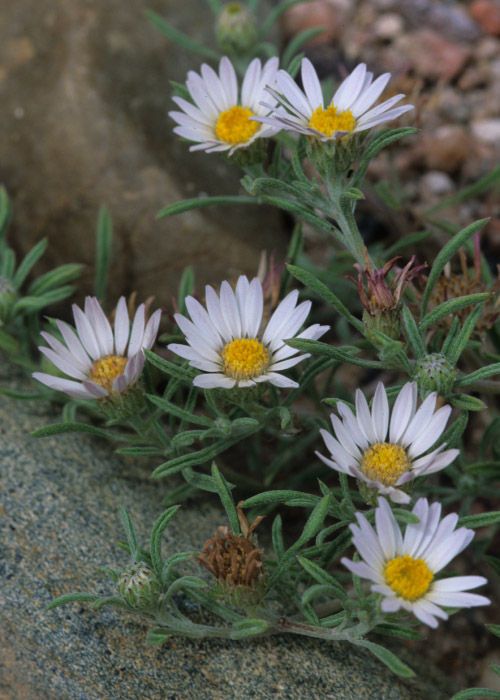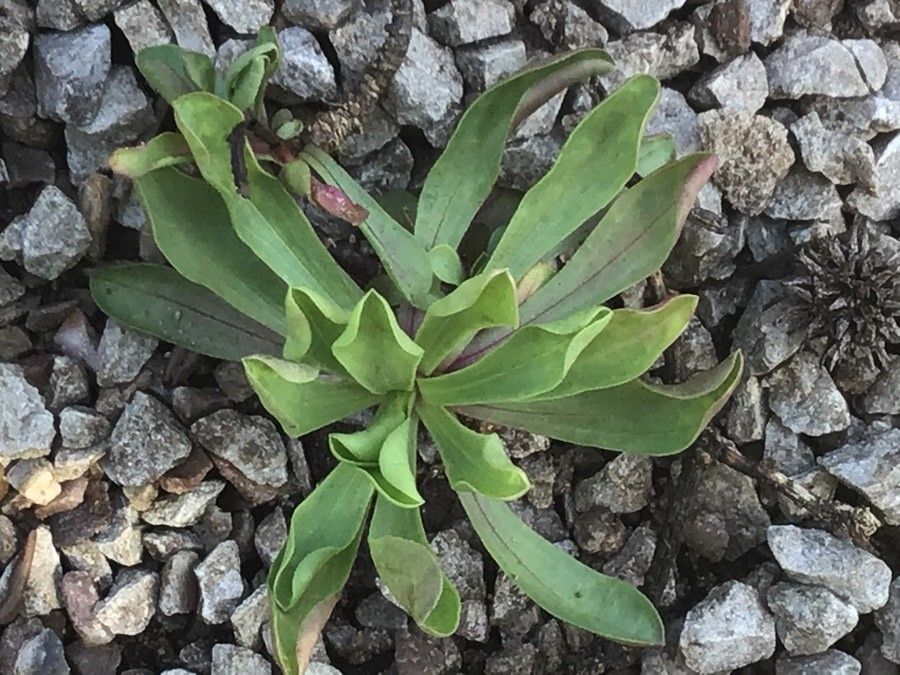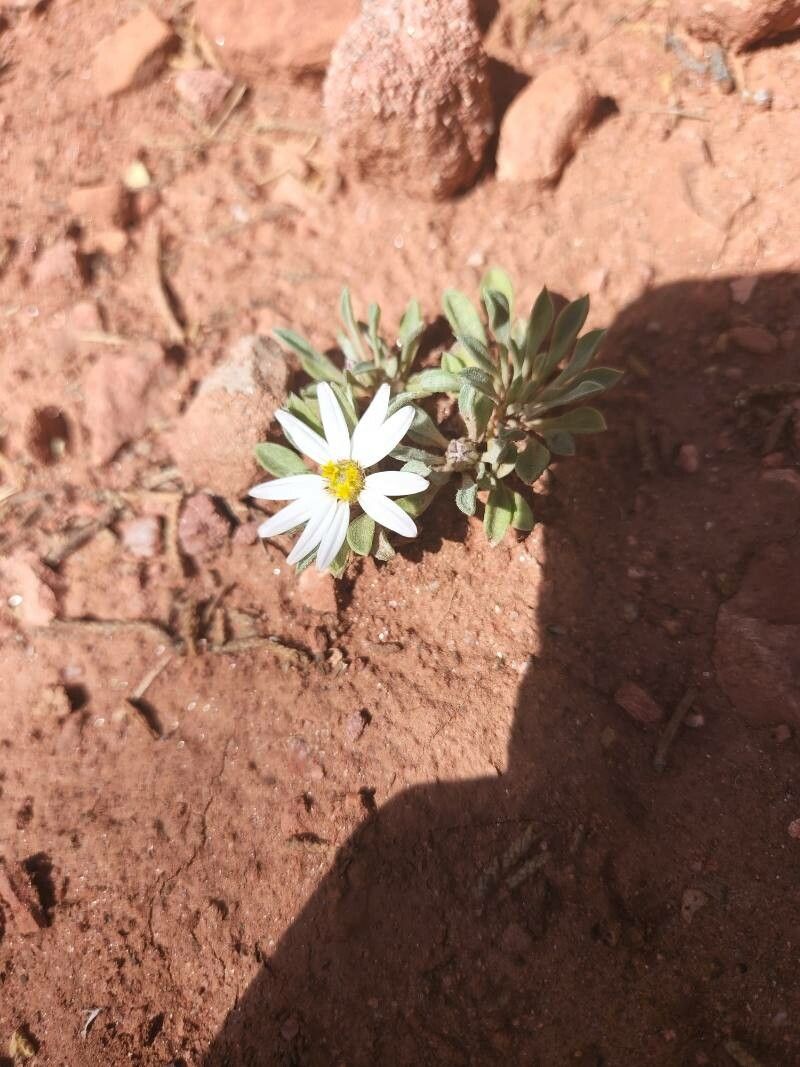
The hoary townsend daisy is fairly disease-resistant and generally does not tend to suffer from illnesses. However, it can be affected by pests and diseases present in its environment. These problems are usually minor. For care, this plant requires moderate maintenance. It should be pruned regularly to keep a neat appearance and support healthy growth. Fertilizing can also encourage flowering. The hoary townsend daisy is suitable for anyone with outdoor space, such as a garden or patio, and does not demand extensive gardening experience. It may need more attention when grown indoors.
How to keep Townsendia Incana.
Light
Hoary townsend daisy is native to bright, open habitats where it thrives in full sun. It can tolerate partial sun but favors direct sunlight for the best growth. This plant, which may be annual or biennial, is noted for its sun-loving habit.
Water
The hoary Townsend daisy flourishes in environments similar to its native habitat, which receives periodic rainfall. While it exhibits moderate drought tolerance, it should be watered weekly, allowing the soil to dry out slightly between waterings. This plant prefers well-draining soil and is ideal for xeriscaping because of its minimal water requirements.
Fertilizer
Hoary townsend daisy benefits from frequent, low-strength fertilizer applications to encourage healthy leaf growth. You should fertilize Hoary townsend daisy about once a month during the summer months. Nitrogen is essential for foliage, and adding nitrogen-rich sources helps Hoary townsend daisy thrive.
Pruning
The hoary Townsend daisy is distinguished by its silver-white foliage and daisy-like blooms. To keep the plant healthy and attractive, prune it from early to late spring. This helps remove dead stems, encourages new growth, and improves air circulation. Regular maintenance not only enhances the plant's ornamental appeal but also promotes vigorous flowering and prevents legginess.
Botanical profile.
- Plant Type
- Herb
- Life Cycle
- Annual, Biennial, Perennial
- Genus
- Townsendia
- Family
- Asteraceae
- Leaf Color
- Green, Blue
- Leaf Type
- Semi-evergreen
- Flower Color
- White
- Bloom Time
- Mid spring, Late spring, Early summer, Mid summer
Other names.
Reader questions.
What are the sunlight requirements for Hoary Townsend Daisy?
The Hoary Townsend Daisy is a plant that originates from bright, open environments and thrives in full sun, requiring above 6 hours of sunlight for optimal growth. It can also tolerate partial sun, meaning about 3-6 hours of sunlight. However, it prefers full sun conditions for optimal performance. It's important to observe how sunlight moves through your garden, choosing spots that provide the perfect balance of light and shade for your plants, ensuring their happiness and health.
How do artificial lights support plant growth indoors?
Indoor plants, including the Hoary Townsend Daisy, may require artificial lighting for optimal growth, especially when natural sunlight is insufficient. LED lights are a popular choice because they can be customized to provide specific wavelengths of light needed by plants. Full sun plants need 30-50W/sq ft of artificial light, partial sun plants need 20-30W/sq ft, and full shade plants need 10-20W/sq ft. The artificial light source should be placed 12-36 inches above the plant to mimic natural sunlight, and plants typically need 8-12 hours of light per day.
What are common symptoms of inadequate sunlight in Hoary Townsend Daisy?
When the Hoary Townsend Daisy does not receive sufficient sunlight, it may exhibit several symptoms indicating light deficiency. These include smaller new leaves, leggy or sparse growth, faster leaf drop, slower or no new growth, lighter-colored new leaves, chlorosis (leaves turn yellow), sunscald (damage from intense sunlight), leaf curling (to minimize water loss), wilting (due to increased water loss from overexposure to sunlight), and leaf scorching (brown, dry edges on leaves due to excessive sunlight). These symptoms highlight the plant's need for adequate sunlight exposure.
What are the solutions for Hoary Townsend Daisy suffering from inadequate sunlight?
For Hoary Townsend Daisies suffering from inadequate sunlight, there are several solutions. Indoors, gradually move plants to a sunnier location to receive at least 6 hours of direct sunlight daily, utilize south-facing windows, and consider using artificial lights for at least 8 hours daily for plants that are large or not easily movable. Outdoors, the gradual adjustment to sunlight is vital; slowly move plants to sunnier locations to avoid sunburn. If sunlight is obstructed by trees, consider pruning branches and leaves. For smaller plants, transplanting during the plant's dormant period to locations with ample sunlight and good drainage is beneficial. Notably, areas of the plant that have been severely affected by light deprivation may not recover, but new growth should be healthy with improved light conditions.