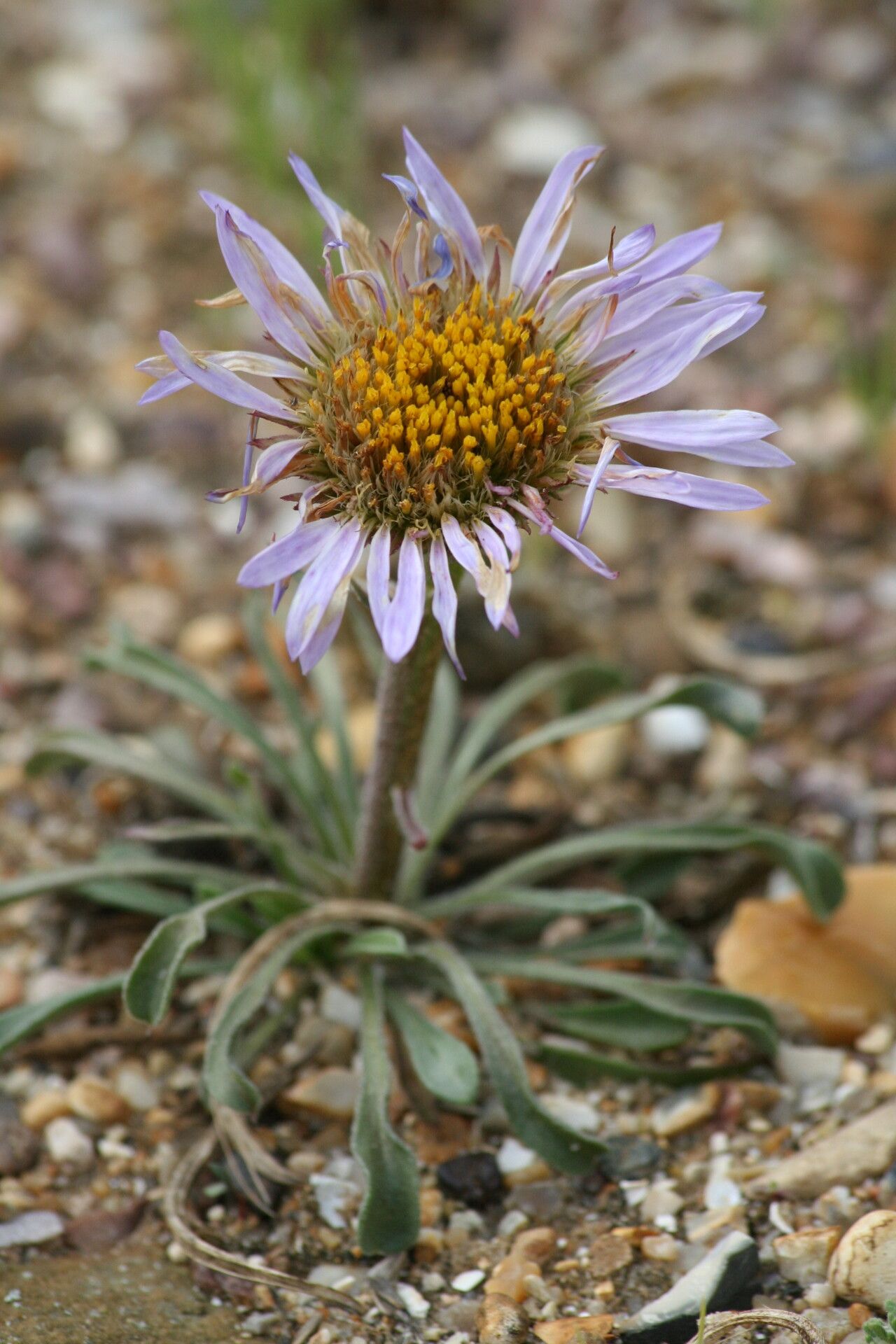
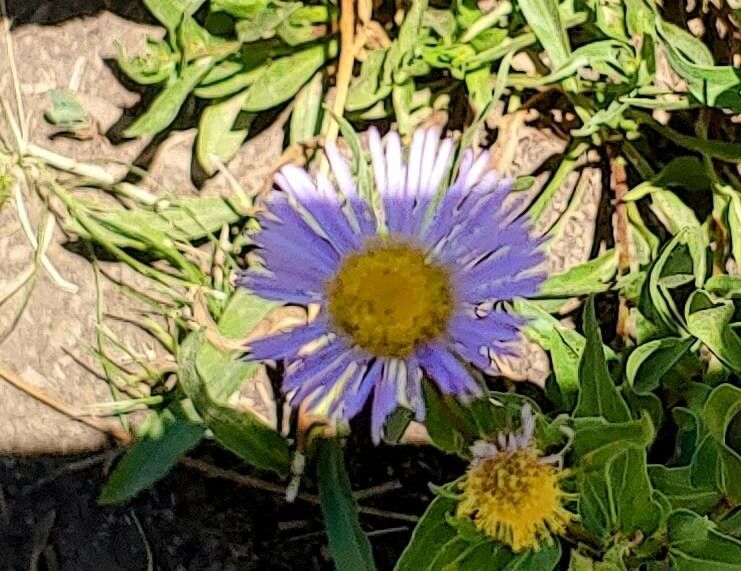
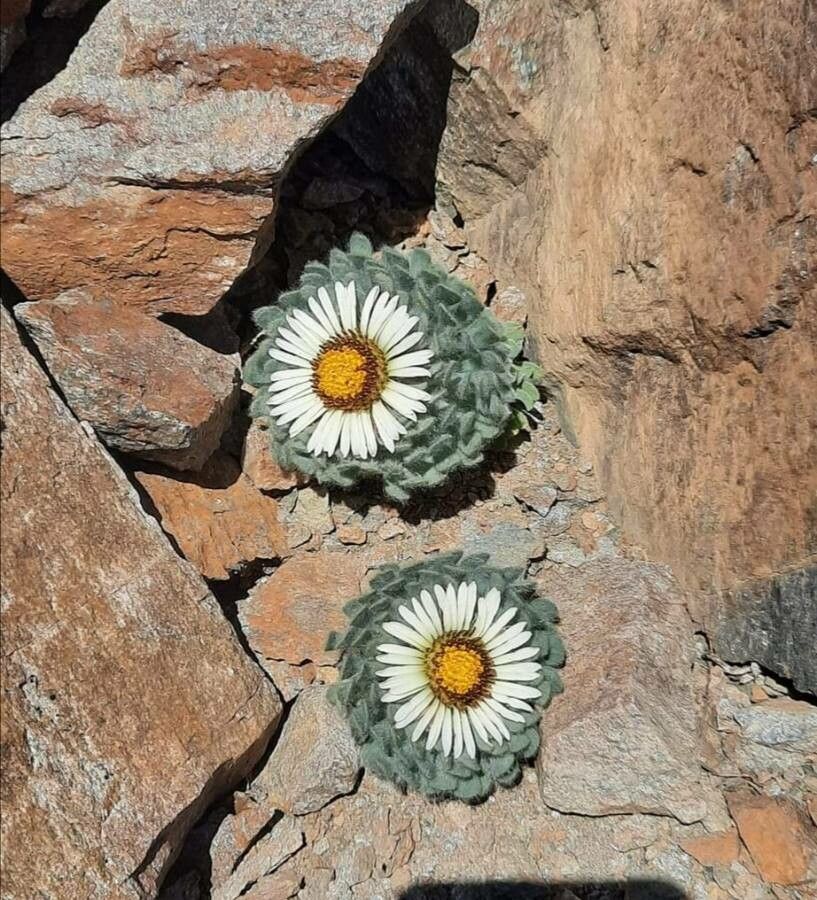
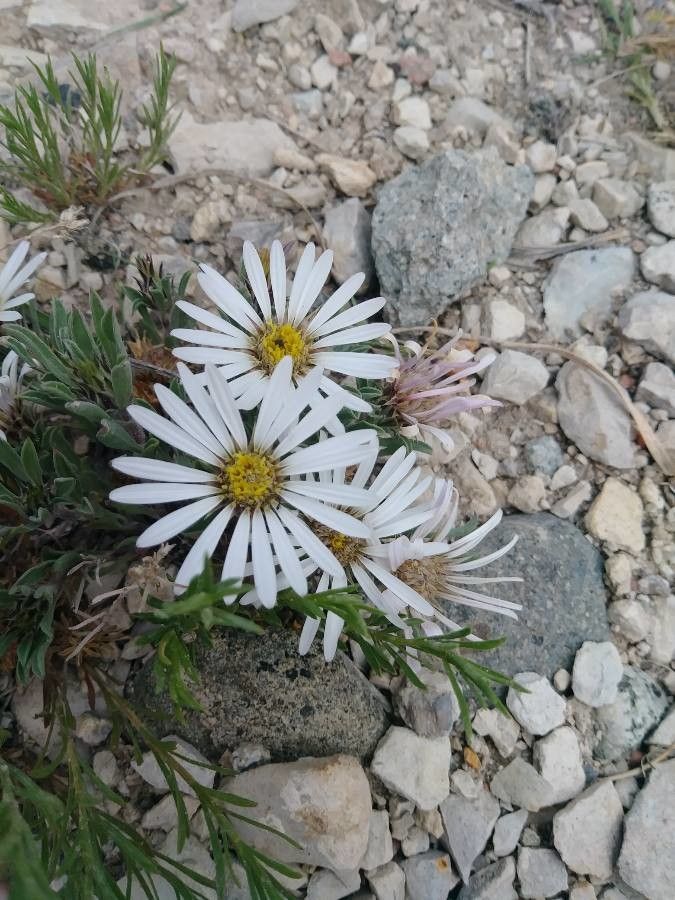
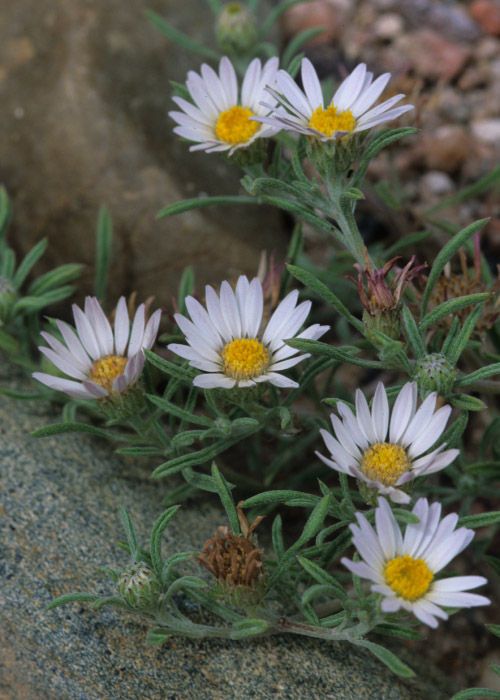
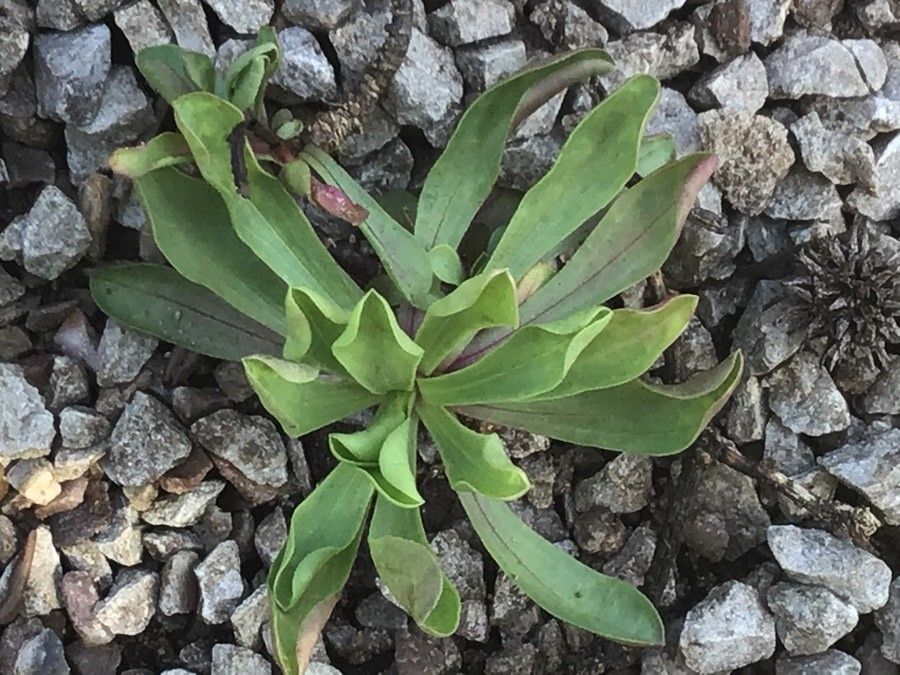
Parry's townsend daisy has good resistance to disease and is generally not prone to illnesses. However, it can be vulnerable to pests and diseases present in its surroundings. These infections are generally not serious. In terms of care, this plant needs moderate maintenance. Regular pruning is required to keep a neat appearance and support healthy growth. Fertilizing can also help promote flowering. Parry's townsend daisy is appropriate for anyone with an outdoor area, such as a garden or patio, and does not demand extensive gardening experience. It may need more attention when grown indoors.
How to keep Townsendia Parryi.
Light
Parry's townsend daisy comes from bright, open habitats and does best in full sun. It can tolerate partial sun but favors direct sunlight for optimal growth. This annual or biennial plant is recognized for its sun-loving nature.
Fertilizer
Parry's townsend daisy requires regular fertilization to encourage flowering but doesn't tolerate excess. It needs small, frequent applications of fertilizer throughout its life, especially during periods of vigorous growth and while it is flowering. You will feed your Parry's townsend daisy until they stop blooming.
Pruning
The Townsend daisy, a perennial that grows low to the ground, thrives in rocky soils. To maintain its shape, prune it from early to late spring by removing dead stems and spent flowers. This encourages new growth. Regular maintenance not only prevents disease but also improves air circulation, ensuring a vibrant display.
Botanical profile.
- Plant Type
- Herb
- Life Cycle
- Biennial, Perennial
- Genus
- Townsendia
- Family
- Asteraceae
- Hardiness Zone
- 3-7
- Mature Height
- 5 cm to 30 cm
- Mature Spread
- 10 cm to 20 cm
- Leaf Color
- Green, Gray
- Leaf Type
- Deciduous
- Flower Size
- 2.03 cm to 4.06 cm
- Bloom Time
- Early spring, Mid spring
- Planting Time
- Spring, Autumn
- Harvest Time
- Late spring, Early summer
Other names.