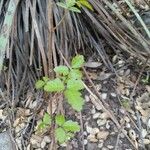
Toxicodendron diversilobum
Pacific poison oak · Western poison-oak · Poison oak
Description
Source: leafsnapToxicodendron diversilobum, commonly known as poison oak, is a woody vine or shrub native to western North America. Belonging to the Anacardiaceae family, it can grow up to 6 feet tall. The plant features distinctive leaves divided into three leaflets, which have a glossy appearance and turn red in the fall. In the spring, poison oak produces small greenish-white flowers, followed by small white berries that ripen in late summer or early fall. The plant contains urushiol oil, which can cause an allergic reaction upon contact with the skin. Poison oak thrives in various habitats, including forests, woodlands, grasslands, and chaparral areas. It serves as an important food source for wildlife, such as birds and deer. To avoid contact with poison oak, it is essential to learn how to identify the plant and steer clear of areas where it grows. If you come into contact with poison oak oil on your skin or clothing, wash immediately with soap and water. Overall, Toxicodendron diversilobum plays a significant ecological role but should be handled with caution due to its potential for causing allergic reactions in humans upon contact.
🎭 Protection, Health, Money
Care Guide
💧 Water
☀️ Light Full sun
🌡️ Temperature 5–35°C
💨 Humidity
🪴 Soil 5-7
🌱 Fertilizer
🪴 Pot & Repot
✂️ Pruning
🌿 Propagating
🐛 Diseases & pets
☠️ Toxicity
Characteristics
- Plant Type
- Shrub, Vine
- Life Cycle
- Perennial
- Genus
- Toxicodendron
- Family
- Anacardiaceae
- Hardiness Zone
- 5-9
- Mature Height
- 0.49 m to 3.96 m
- Mature Spread
- 0.61 m to 2.13 m
- Leaf Color
- Green, Yellow, Red
- Leaf Type
- Deciduous
- Flower Color
- White, Yellow, Green
- Flower Size
- 0.51 cm to 0.76 cm
- Bloom Time
- Late spring, Early summer
- Planting Time
- Winter
- Harvest Time
- Mid summer
- Native Area
- Mexico