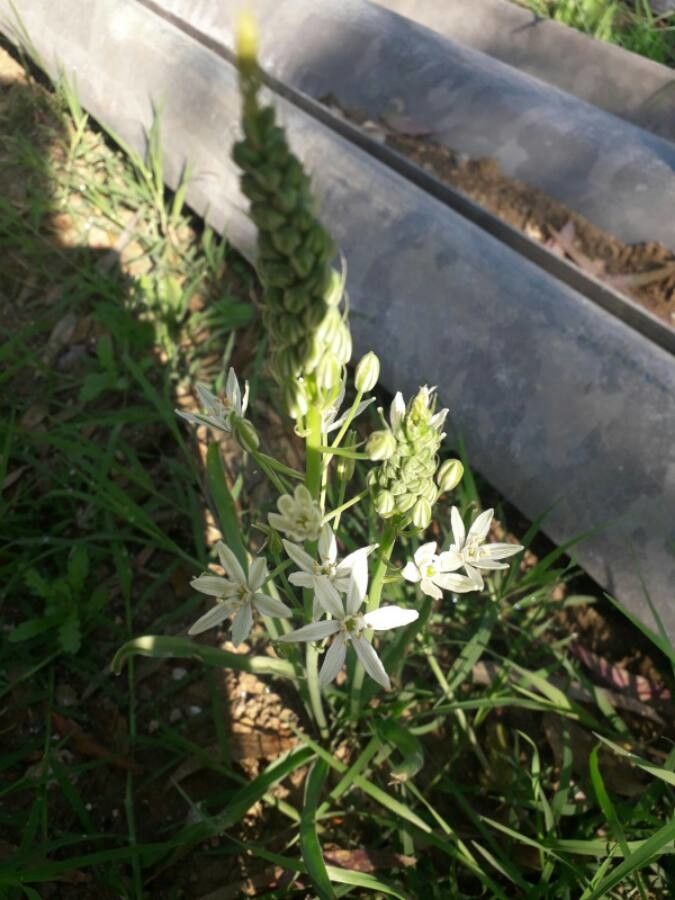
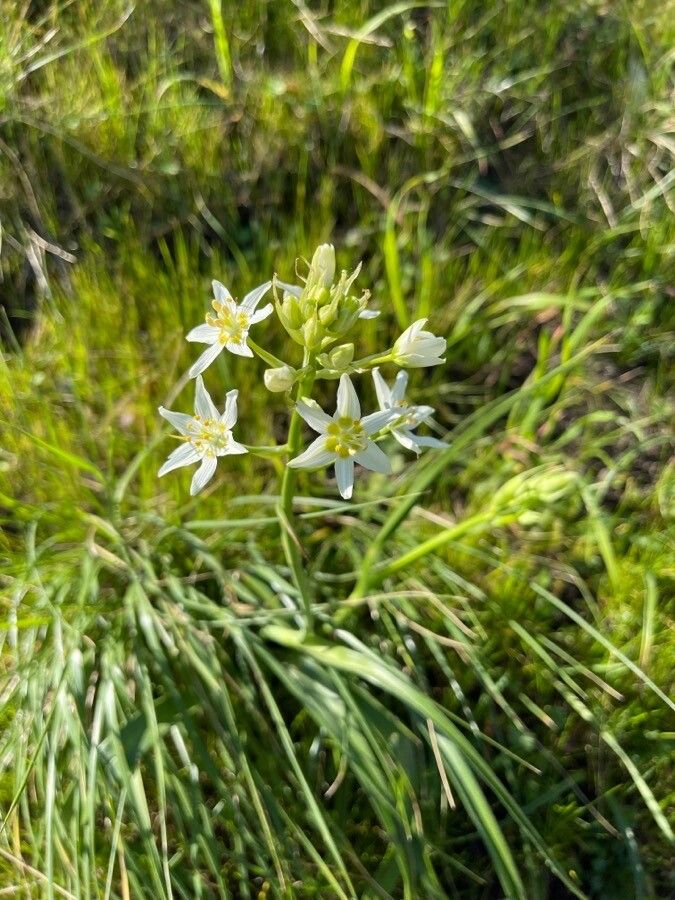
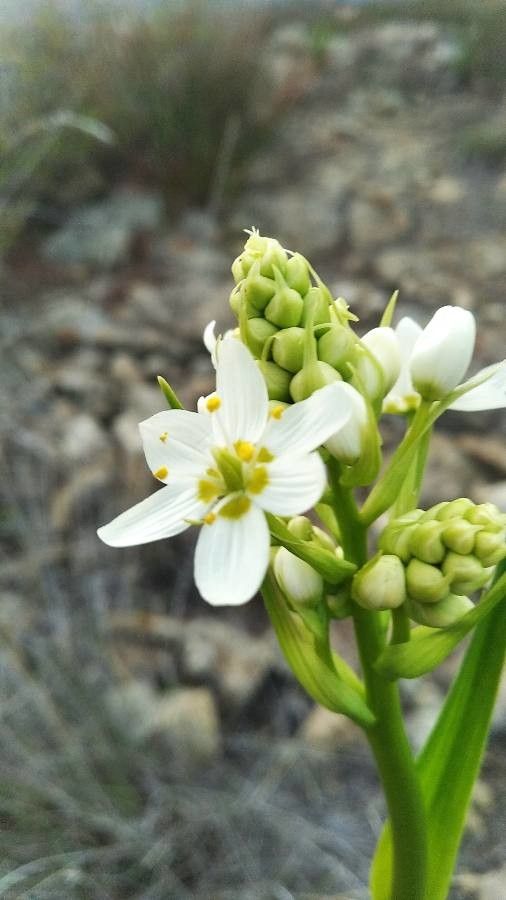
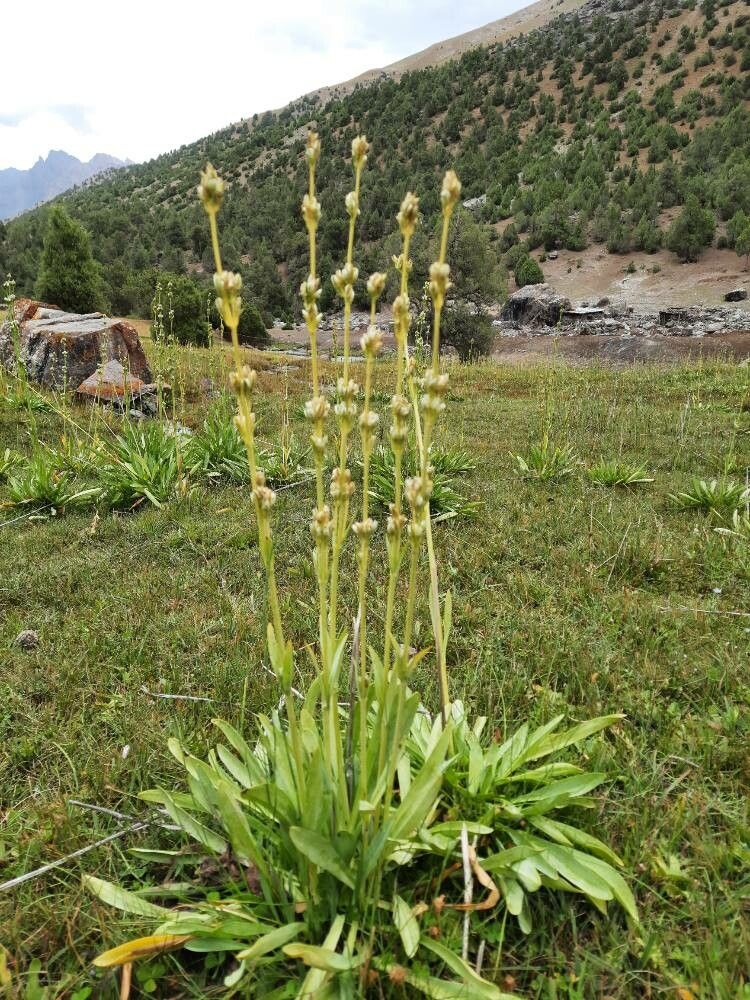
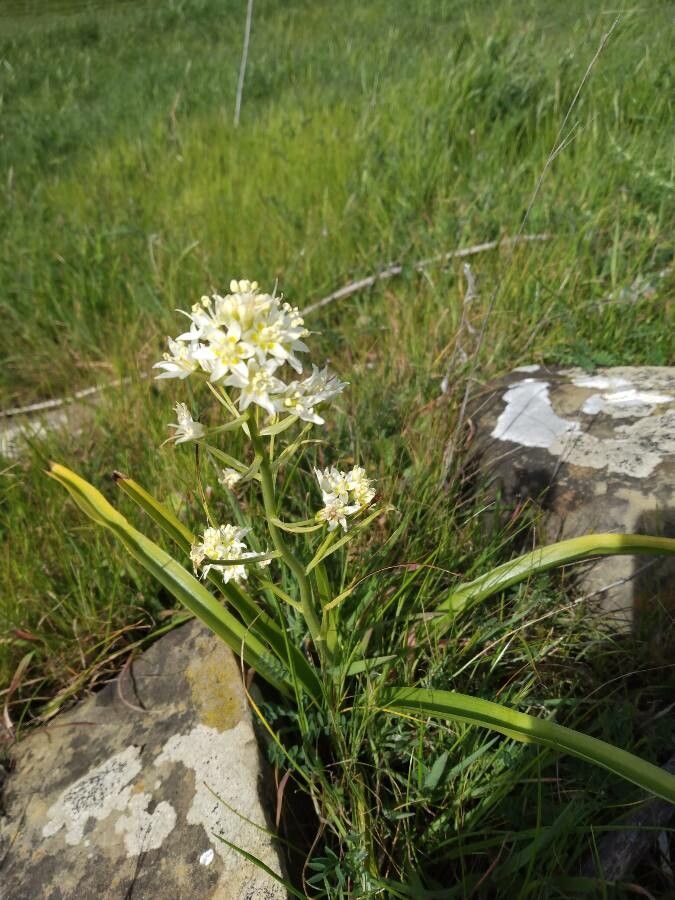
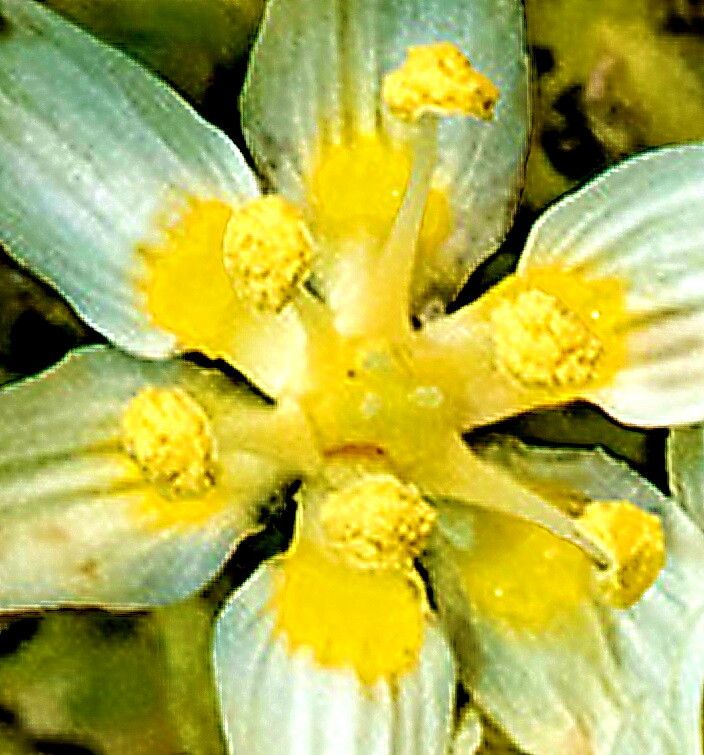
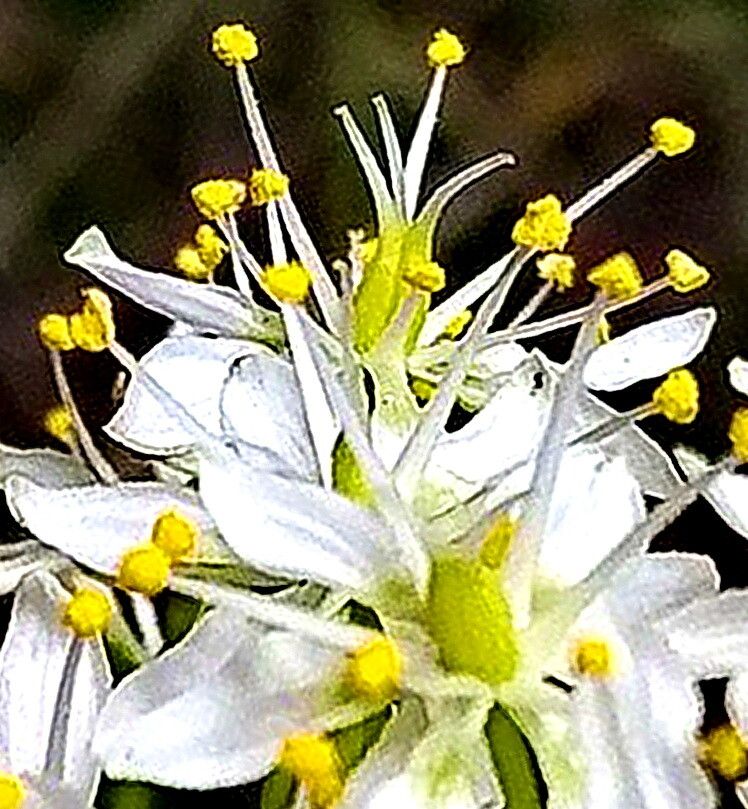
Toxicoscordion fremontii, commonly known as Fremont's deathcamas, is a perennial herbaceous plant in the Melanthiaceae family. Native to western North America, it thrives in a variety of habitats, including meadows, sagebrush flats, and rocky slopes.
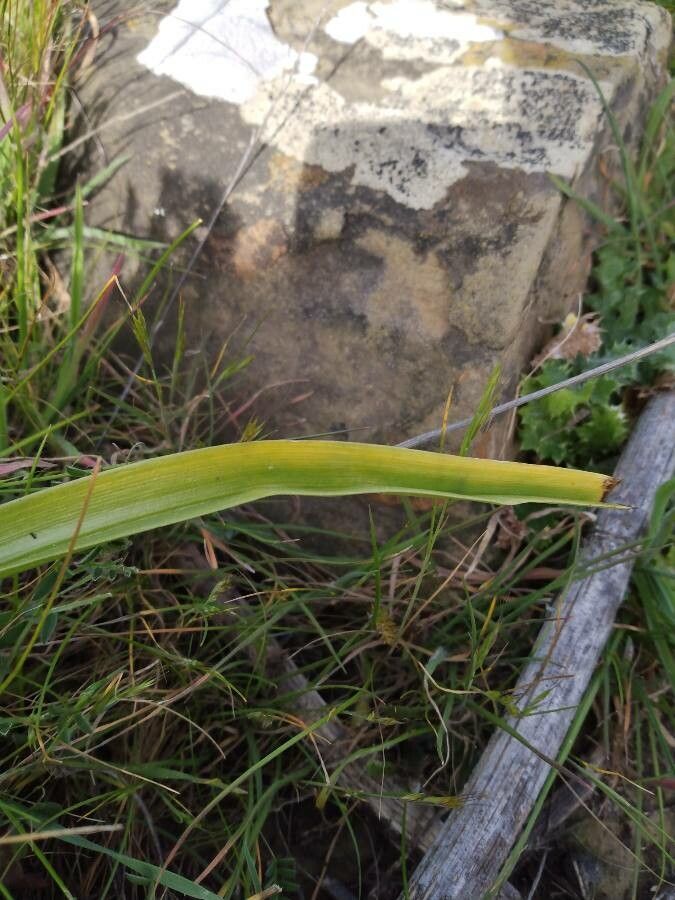
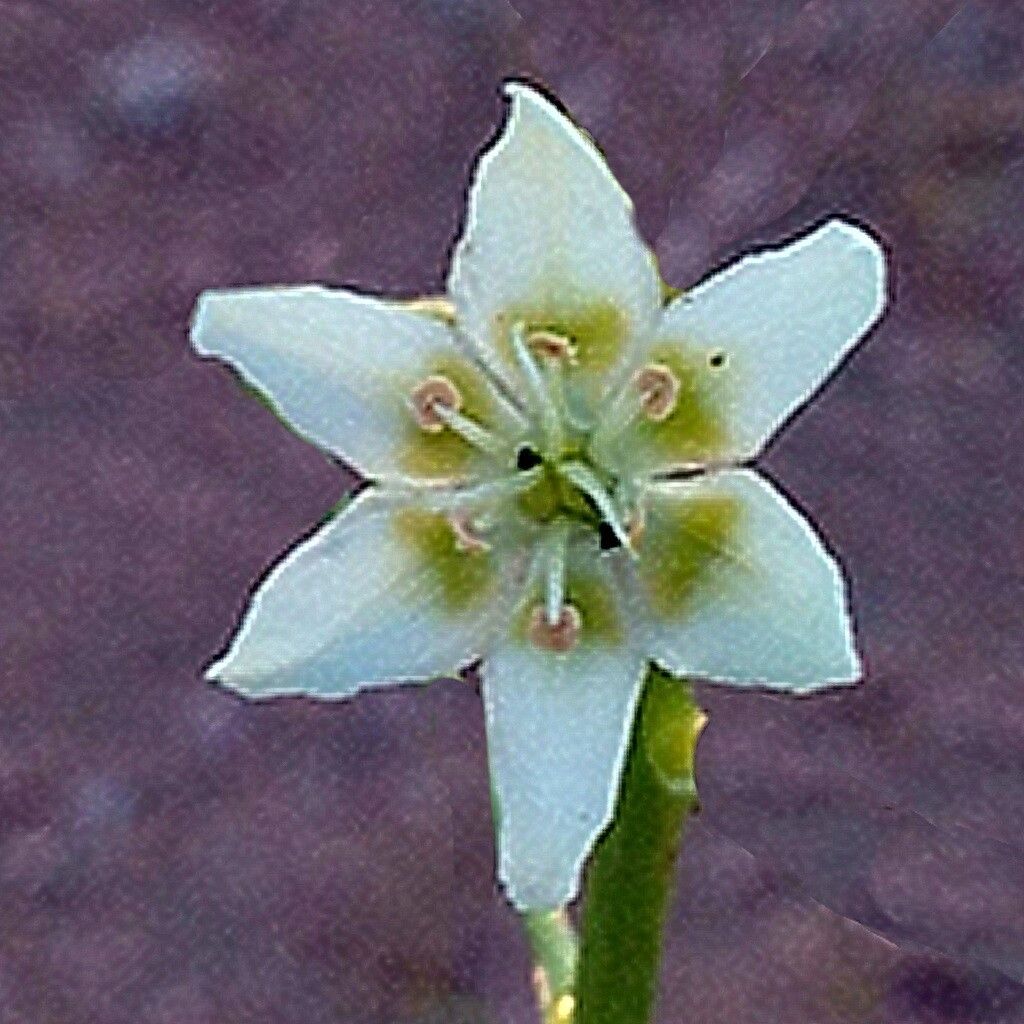
The plant can grow up to 60 cm tall, featuring narrow leaves approximately 20 cm in length. It produces a tall inflorescence adorned with numerous small white flowers that bloom from May to July. Each flower has six petals and is arranged in a raceme.
Despite its attractive appearance, Toxicoscordion fremontii is highly toxic due to the presence of steroidal alkaloids such as zygadenine and zygacine in all parts of the plant. Ingesting even small amounts can lead to severe symptoms including vomiting, diarrhea, convulsions, and potentially death.
Historically, Native Americans utilized this plant for medicinal purposes, but it should be handled with extreme caution due to its high toxicity. Toxicoscordion fremontii plays an important ecological role by providing food for pollinators like bees, while its toxicity acts as a deterrent against herbivores.
Overall, Toxicoscordion fremontii is an intriguing yet dangerous species. It should be admired from a distance and not consumed or handled directly by humans or animals.
The common star lily is fairly disease-resistant and usually does not commonly suffer from illnesses. However, it can be vulnerable to pests and diseases present in its environment. These problems are typically mild. For care, this plant needs moderate maintenance. It should be pruned regularly to maintain an attractive appearance and healthy growth. Fertilizing can also help encourage flowering. The common star lily is suitable for anyone with outdoor space, such as a garden or patio, and does not demand extensive gardening experience. It may need more attention if grown indoors.
How to keep Toxicoscordion Fremontii.
Light
The common star lily thrives with plenty of sunlight each day. Its growth depends on receiving abundant light, similar to the conditions in its native habitat. Too little sun can restrict its growth, while too much may be damaging.
Water
The common star lily thrives in dry environments due to its remarkable drought tolerance, requiring only minimal watering—ideally just once a week. Its resilience makes it an excellent choice for xeriscaping or rock gardens. Thanks to its bulbous form, the plant efficiently stores water, further minimizing the need for irrigation during the growing season.
Temperature
Common star lily typically grows in temperate climates with temperatures between 68 and 95 °F (20 to 35 ℃). It prefers these warmer conditions, so in cooler areas it is advisable to provide extra warmth, especially during the colder months.
Fertilizer
The best time to fertilize a Common star lily is in early spring, as it comes out of dormancy and begins active growth. Fertilizing supplies essential nutrients needed for healthy development. Although Common star lily does not require heavy feeding, applying fertilizer once a year can improve its chances of survival and encourage nicer, longer-lasting blooms.
Pruning
The common star lily, known for its star-shaped white flowers, requires minimal pruning. Performing light pruning in early spring can help remove dead foliage and encourage healthy blooms. Be sure to use clean, sharp tools for precise cuts to prevent disease and promote vigorous growth. Focus on maintaining the bulb rather than allowing the stem to elongate.
Botanical profile.
- Plant Type
- Herb
- Life Cycle
- Perennial, Annual
- Genus
- Toxicoscordion
- Family
- Melanthiaceae
- Hardiness Zone
- 8-9
- Mature Height
- 40 cm to 91 cm
- Mature Spread
- 20 cm to 30 cm
- Leaf Color
- Green
- Leaf Type
- Deciduous
- Flower Color
- White, Cream
- Flower Size
- 1.02 cm to 4.06 cm
- Bloom Time
- Early spring, Mid spring
- Planting Time
- Spring
- Harvest Time
- Late spring, Early summer
- Native Area
- Mexico
Other names.
Reader questions.
How should I water my Common star lily?
To properly water the Common star lily, it is best to use filtered water at room temperature. Tap water should be avoided as it may contain harmful particles. The plant is accustomed to warm environments, so it is important to avoid using cold water which can shock its system. Additionally, overhead watering should be avoided as it can cause issues with the foliage. Instead, water the plant by saturating the soil with filtered room temperature water. This helps to hydrate the roots and support their growth and nutrient absorption.
What kind of sunlight does the Common star lily require?
Common star lilies require full sun every day, with a minimum of six hours of sunlight to maintain healthy leaves, roots, and blooms. While most perennials also need six hours of sunlight, certain plants such as the Orange Daylily or Giant Coreopsis can survive on just three hours of sunlight per day. However, it's important to note that although these perennial flowering plants can survive with less sun, they won't reach their full potential and flourish as they would under sunnier conditions.
What is the ideal temperature range for the Common Star Lily?
The Common Star Lily, or Toxicoscordion fremontii, thrives in moderate climates, favoring temperatures between 68 to 95 °F (20 to 35 °C). This preference for warmer temperatures means that in cooler climates, it might be necessary to provide extra warmth during the colder months to ensure the plant's health and growth.
If I give my Common star lily too much or too little water, what should I do?
When taking care of your Common star lily, it's important to be wary of both overwatering and underwatering. Overwatering is a more common issue, causing the stems and leaves to wilt and turn yellow. It can also lead to diseases like root rot, mold, and mildew, which can be fatal to the plant. While underwatering is less common due to the plant's drought tolerance, it can still happen, resulting in brittle and brown leaves. It's crucial to identify signs of overwatering early on as some diseases may be irreversible if left untreated. If overwatering is detected, reduce watering and check the soil's draining quality. If it drains poorly, replace it with a loose, well-draining potting mix. Conversely, if underwatering is the issue, increase watering until the signs subside.
Can the sunlight harm the Common star lily? How can you protect the Common star lily from damage caused by the sun and heat?
In warm climates, some Perennial Flowering Plants may struggle with excessive heat and suffer from sun damage. They can wilt, dry out, or even experience growth problems if they are consistently exposed to the intense afternoon sun. However, not all plants require protection from the light afternoon sun. For those that are harmed by intense afternoon exposure, it is recommended to provide them with some shade in warmer climates. Gardeners can achieve this by planting these plants in areas that do not receive direct heat during the afternoon, such as under trees or behind bushes.
How does the Common Star Lily react to cold temperatures?
The Common Star Lily has a moderate tolerance to low temperatures, but it thrives best when the temperature remains above 20°C. If temperatures are expected to fall below 0°C, you should take temporary measures to protect the plant, such as wrapping it with plastic film, fabric, or other materials. However, if temperatures drop below -10°C, the plant's leaves may start to droop, and in severe cases, this can lead to wilting and leaf drop. To counteract frost damage, you should trim off frost-damaged parts and wrap the plant for protection before any further low-temperature events.
How often do I need to water my Common star lily?
If your Common star lily is in a pot, the most precise way to determine if it needs water is to check the soil by sticking your finger into it. If the top two to three inches of soil feel dry, then it's time to water it. If you have your Common star lily planted in the ground outdoors, you can use a similar method to test the soil. Again, if the first few inches of soil have dried out, it's time for watering. Typically, during spring and early fall, watering once a week is sufficient. However, if there is extremely hot weather, you might need to water the plant twice or more per week. It's important to note that mature and well-established Common star lilies can tolerate drought well.
Should I keep Common star lily out of the sun?
Certain perennial plants require ample sunlight to reach their maximum bloom. However, in warmer climates, some of these plants actually benefit from less sun. For instance, individuals residing in hotter regions might find it beneficial to shade their flowering perennials during the intense afternoon sun, especially during summer months. Although many perennial flowering plants prefer partial shade in the hottest climates, there are exceptions. Take the Giant Coreopsis, for example, as it is not bothered by excessive sun exposure. These plants can flourish even when placed in the full sun during scorching weather.
What should I do if the Common Star Lily experiences high temperatures?
During summer, it's crucial to ensure the Common Star Lily is kept below 35°C to prevent heat stress. If temperatures exceed 38°C, the plant may exhibit symptoms such as lighter leaf color, dry and withered leaf tips, curling leaves, and increased susceptibility to sunburn. To manage these issues, trim away sunburned and dried parts of the plant. Additionally, move it to a shaded location or use a shade cloth to protect it during the hottest parts of the day. Keeping the soil moist with morning and evening watering can also help alleviate the effects of high temperatures.
How much water does my Common star lily plant need?
When watering your Common star lily, don't hold back on the amount of water you use. Make sure the first two to three inches of soil are dry before watering it thoroughly. The goal is to completely soak the soil, enough that excess water drains through the pot's drainage holes. If you don't see any excess water draining, you likely haven't given enough water. Avoid letting water accumulate in the soil, as this can harm the plant. Conversely, if water isn't draining through the pot, it may indicate poorly draining soil, which is unhealthy for the plant. For outdoor plants, one inch of rain per week is enough.
What will happen if the Common star lily doesn't get enough sunlight?
If your Common star lily doesn't get enough sunlight, you'll see signs that its needs are not being met. It will produce fewer blooms compared to if it had full sun exposure. Some plants may have dry spots on their leaves, but they will still manage to bloom with insufficient sun. However, the flowers will be smaller and less full.
How do I water my Common star lily as it grows?
The water needs of the Common star lily can vary depending on its growth stages. In the early years or after transplanting, it requires more water to support root growth. As the plant matures, it will need less water. Additionally, during the bloom period, extra water might be necessary due to the flower development process.