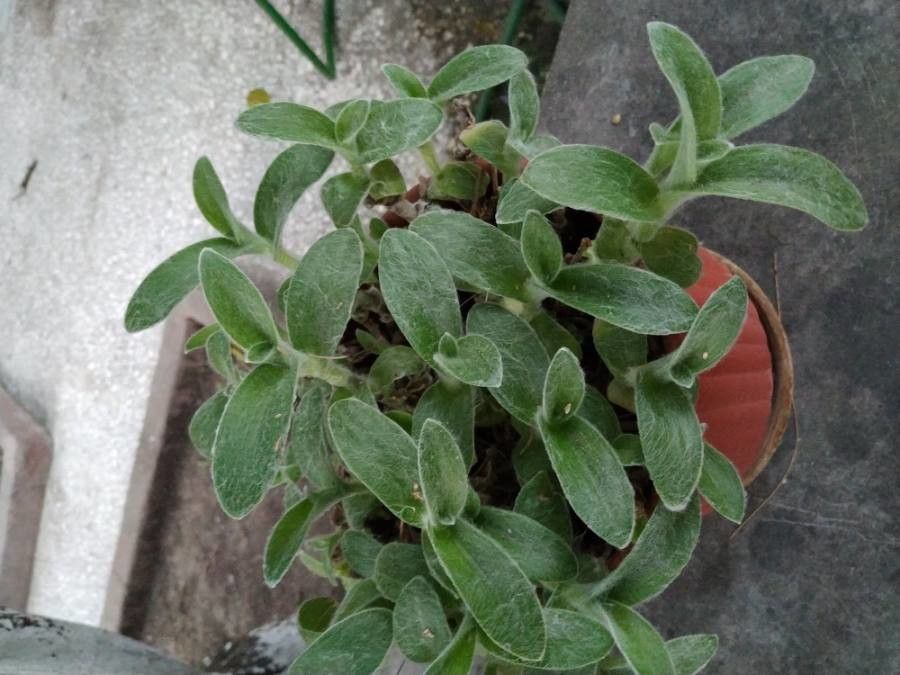
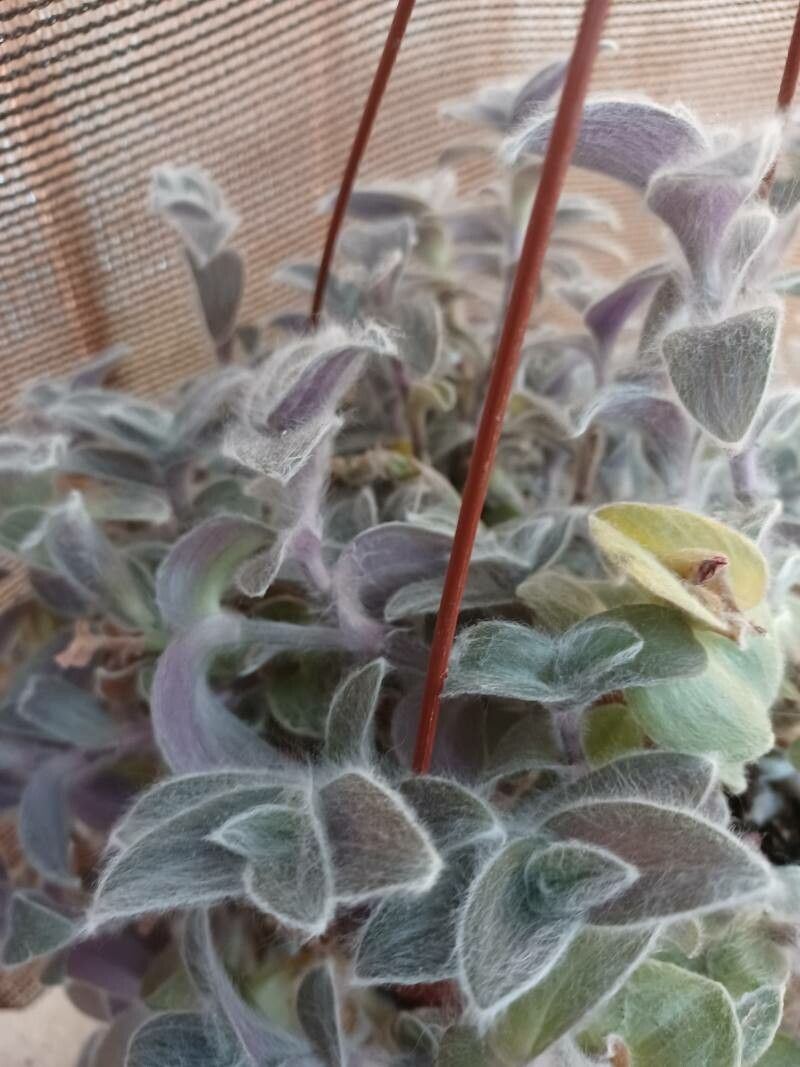
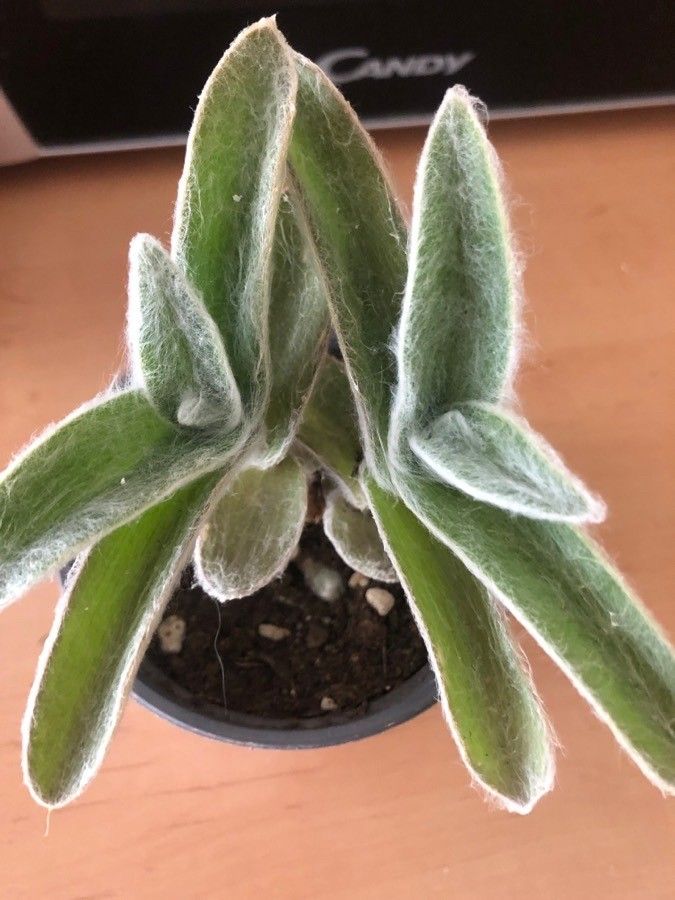
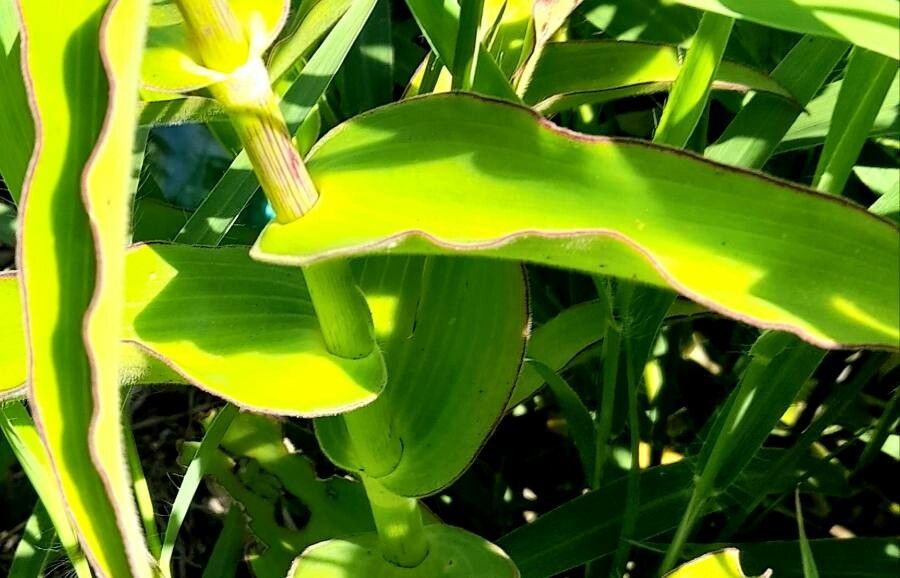
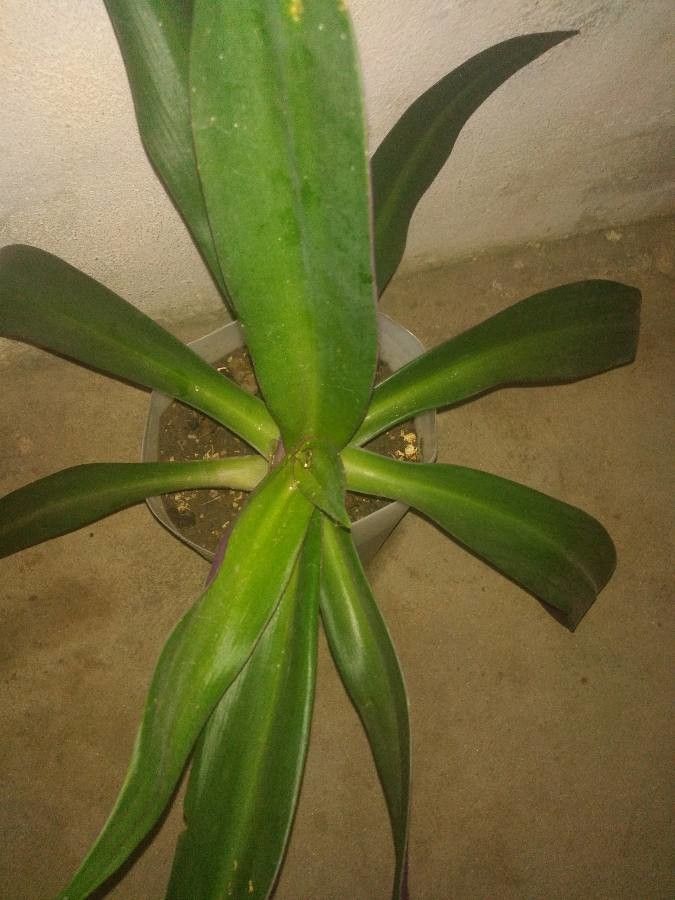
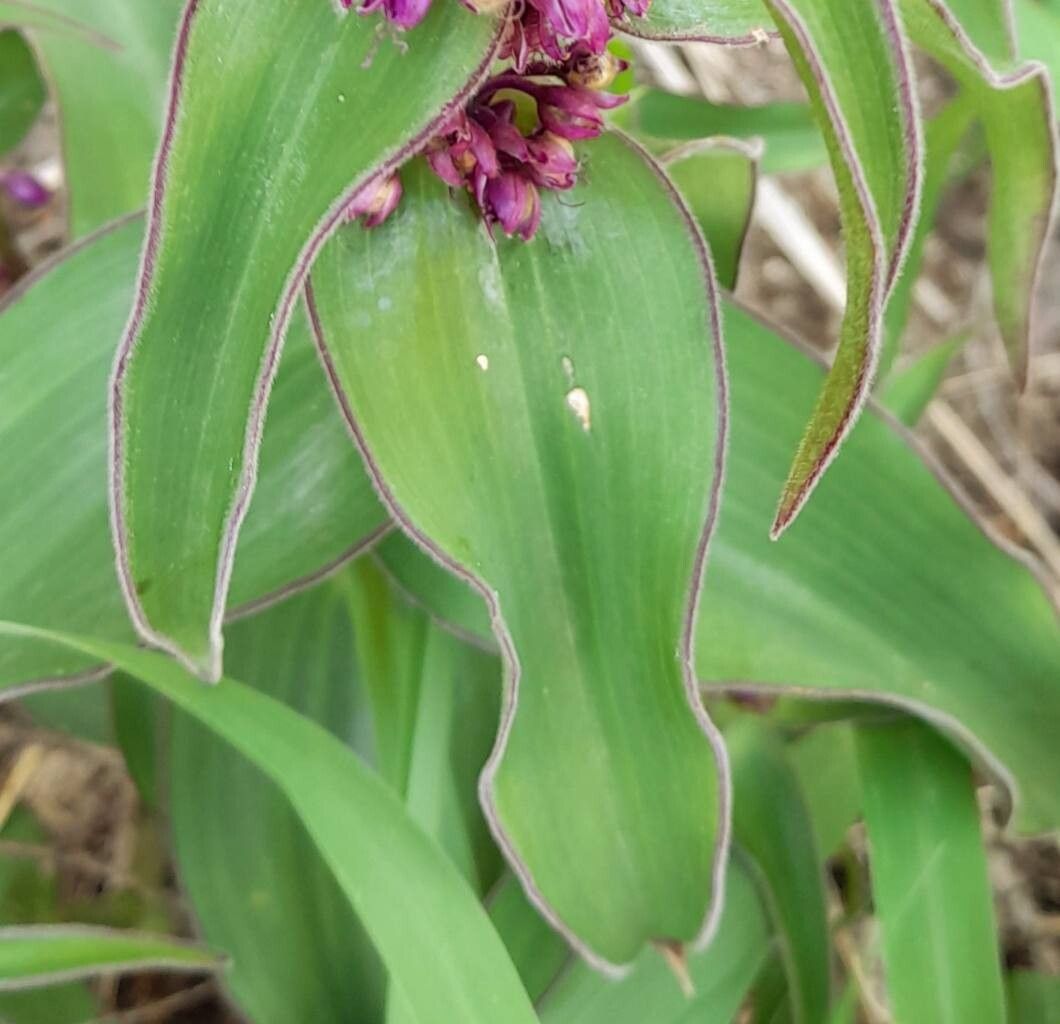
Tradescantia crassifolia, commonly known as the thick-leaved spiderwort, is a perennial herbaceous plant from the Commelinaceae family. Native to Mexico and Central America, it thrives in rocky areas, forests, and along riverbanks.
The plant features thick, succulent leaves arranged in a rosette formation. These green leaves, with striking purple undersides, can grow up to 30 cm in length. The succulent stems can reach up to 60 cm in height.
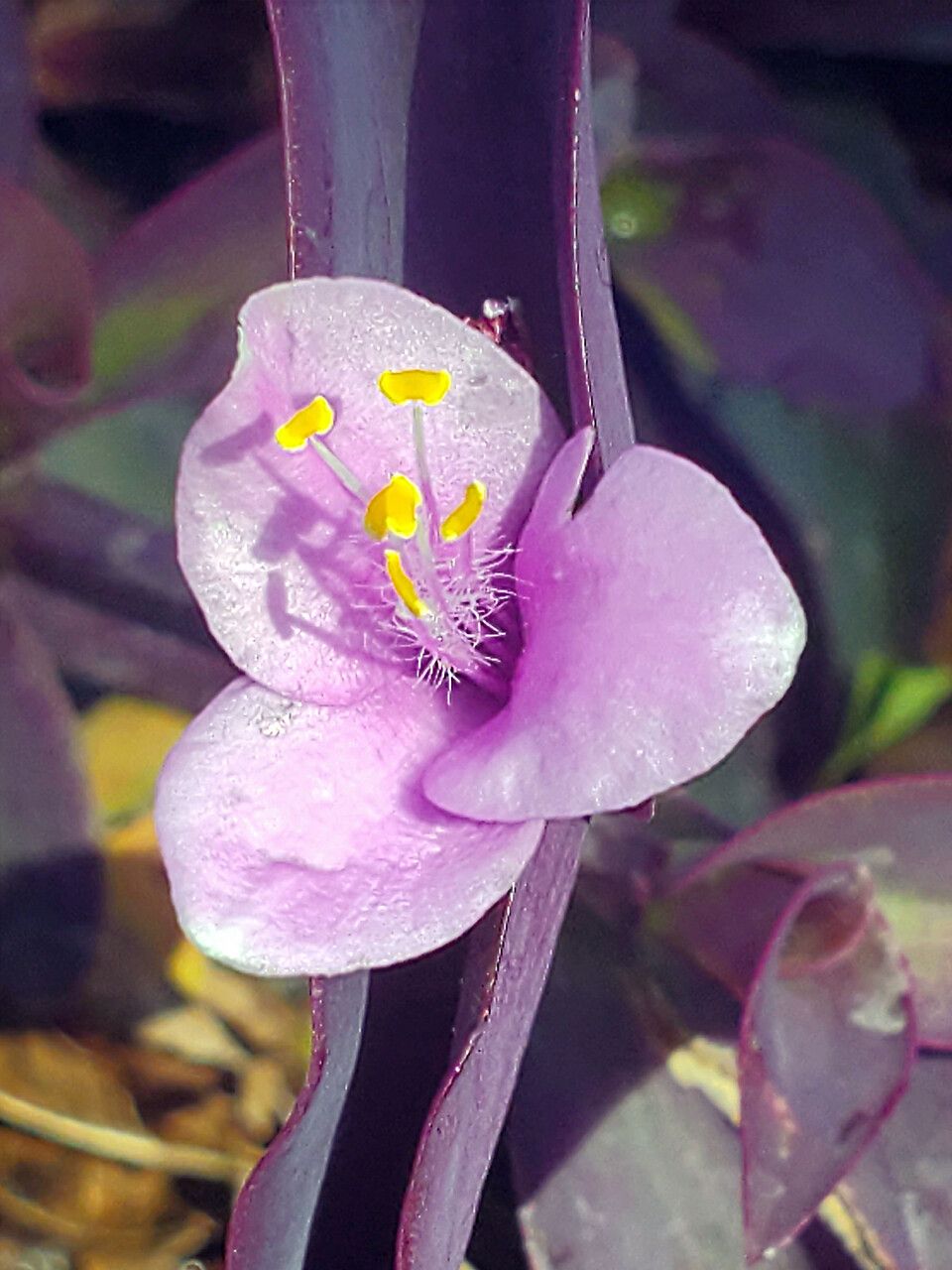
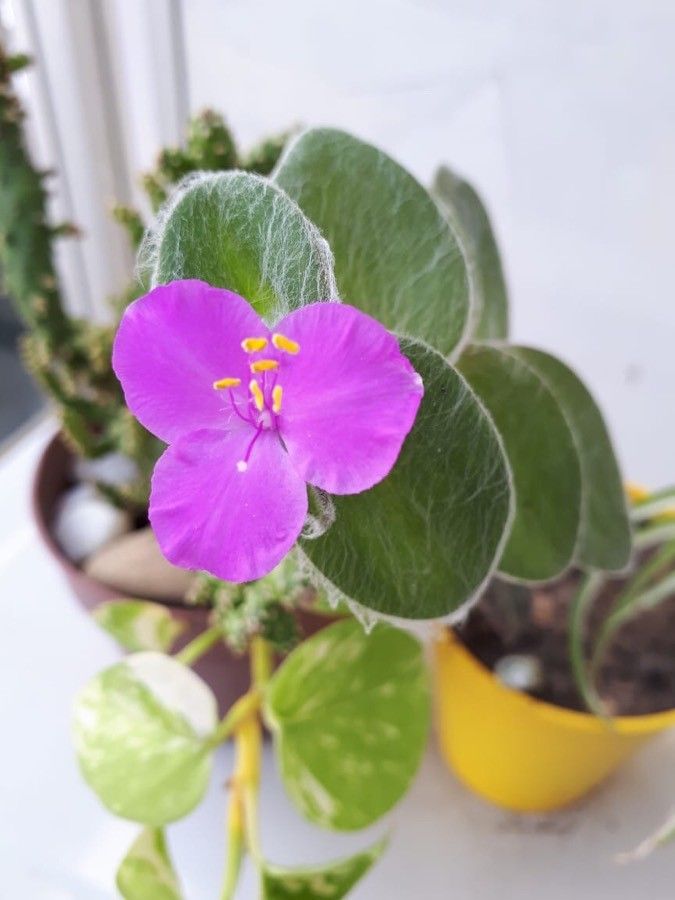
From spring through summer, Tradescantia crassifolia produces small purple flowers with three petals and yellow stamens at their centers.
This plant is low-maintenance and prefers well-draining soil with moderate watering. It flourishes in both full sun and partial shade but may require protection from extreme heat or cold.
Historically, indigenous people have used Tradescantia crassifolia for its anti-inflammatory properties. It is also a popular ornamental houseplant, prized for its attractive foliage and easy care requirements.
Overall, Tradescantia crassifolia makes a beautiful addition to any garden or indoor space, thanks to its unique appearance and minimal maintenance needs.
Leatherleaf spiderwort is fairly disease-resistant and generally not prone to illnesses. That said, it can still be affected by pests and diseases present in its surroundings. Such infections are typically not severe. Regarding care, this plant requires moderate maintenance. Regular pruning is necessary to maintain a good appearance and support healthy growth. Fertilizing can also help encourage flowering. Leatherleaf spiderwort is appropriate for anyone with an outdoor area, such as a garden or patio, and does not need extensive gardening experience. When grown indoors, it may demand more attentive care.
How to keep Tradescantia Crassifolia.
Light
Leatherleaf spiderwort occurs naturally in habitats like forest understories and rocky sites, where it grows in natural shade. It favors partial sun but can tolerate both full sun and full shade, illustrating its adaptable, hardy nature.
Water
The leatherleaf spiderwort flourishes in humid conditions, but it can be damaged by water-logging. While the plant is growing, it is important to maintain adequate moisture, as overly dry conditions can hinder its development. In winter, reduce watering, and in hot, dry weather, mist the leaves to keep them hydrated. To prevent root rot, make sure to drain any excess water after heavy rainfall.
Temperature
Leatherleaf spiderwort is native to tropical areas, where the climate is generally warm and humid. Therefore, it is adapted to high heat and moisture. It does poorly with abrupt temperature changes and prefers a steady temperature, so avoiding indoor temperature swings is important. It typically cannot tolerate cold and needs warmer conditions to grow. If the ambient temperature falls too low, the plant may stop growing or even die.
Fertilizer
Appropriate fertilization is essential for Leatherleaf spiderwort's health and appearance. Fertilize Leatherleaf spiderwort during summer, repeating the treatment monthly throughout the season. Nutrients supply the energy for growth and maintain the plant's parts. Fertilization improves Leatherleaf spiderwort's flower display, ensuring the best blooms.
Pruning
Leatherleaf spiderwort is distinguished by its sturdy, arching stems and lance-shaped leaves. To maintain its health and ornamental appeal, it is best to prune in early spring. Focus on removing dead or overgrown stems to improve its shape and increase air circulation. Make sure to use clean, sharp tools to prevent injury to the plant.
Botanical profile.
- Plant Type
- Herb
- Life Cycle
- Perennial
- Genus
- Tradescantia
- Family
- Commelinaceae
- Hardiness Zone
- 9-11
- Mature Height
- 30 cm to 49 cm
- Mature Spread
- 40 cm to 61 cm
- Leaf Color
- Green, Dark Green
- Leaf Type
- Evergreen
- Flower Color
- Purple, Lavender
- Flower Size
- 2.03 cm to 3.05 cm
- Bloom Time
- Mid spring, Late spring, Summer, Early fall, Mid fall
- Planting Time
- Spring, Autumn
- Harvest Time
- Summer, Fall
- Native Area
- Honduras, Mexico, Guatemala
Other names.
Reader questions.
What are the sunlight requirements for Leatherleaf spiderwort (Tradescantia crassifolia)?
Leatherleaf spiderwort (Tradescantia crassifolia) requires specific sunlight conditions to thrive. It needs full sun, which means the plant should receive above 6 hours of sunlight daily. Alternatively, it can grow in partial sun, with about 3-6 hours of sunlight each day. It's important to observe how sunlight moves through your garden, allowing you to identify the ideal spots that offer the right balance of light and shade. This careful selection will help ensure the plants remain happy and healthy.
What is the botanical name of Leatherleaf spiderwort?
The botanical name of Leatherleaf spiderwort is Tradescantia crassifolia. This plant belongs to the Tradescantia genus and is known for its distinctive characteristics and adaptations.