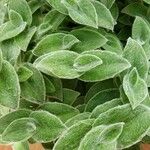
Tradescantia sillamontana
Velvet plant · White velvet · Cobweb Spiderwort · Transcasia · Spider Vine.
Description
Source: leafsnapTradescantia sillamontana, commonly known as Cobweb Spiderwort or White Velvet, is a low-growing perennial plant that belongs to the Commelinaceae family. Native to Mexico, this plant has gained popularity as a houseplant due to its unique appearance and ease of care. The plant features succulent leaves covered in fine white hairs, giving them a velvety texture. These leaves are arranged in rosettes and can grow up to 4 inches long. Tradescantia sillamontana also produces small, pinkish-purple flowers. This plant prefers bright, indirect light but can tolerate some shade. It requires well-draining soil to prevent root rot, which can occur if it is overwatered. Therefore, you should water the plant only when the top inch of soil feels dry. Propagation of Tradescantia sillamontana is straightforward, either through stem cuttings or by division during the growing season. Although relatively pest-free, it can attract mealybugs or spider mites if not properly cared for. Overall, Tradescantia sillamontana is an excellent addition to any indoor garden, thanks to its unique appearance and low maintenance requirements.
🌳 White velvet plays a distinctive role in garden ecosystems, drawing a range of pollinators with its uncommon blossoms. These plants provide food for bees and butterflies, helping pollinate numerous garden species. Although not noted for many uses, white velvet's velvety foliage contributes an appealing texture to gardens, which may interest landscape designers looking for novel visual elements.
🎭 Eternal life, hopefulness and ethical authority
Care Guide
💧 Water Every 7 days
Originating from arid regions, white velvet is a drought-tolerant plant that thrives with minimal moisture, needing to be watered only once a week. It grows best in well-draining soil, which makes it an excellent choice for indoor cultivation while maintaining its ornamental appeal.
How should I water my White velvet plant?
To properly water the White velvet plant, it is best to use filtered water at room temperature. Tap water may contain harmful particles, so filtration is important. The water temperature should be warm to mimic the plant's natural environment, as cold water can be detrimental. Instead of overhead watering, focus on saturating the soil with filtered, room temperature water. This will benefit the plant by providing moisture to the roots and aiding in nutrient absorption.
What should I do if I give my White velvet plant too much or too little water?
Both overwatering and underwatering can harm the health of your White velvet plant, but overwatering is more common. When the plant gets too much water, the stems and leaves may wilt and turn yellow. Overwatering for a long time can cause diseases like root rot, mold, and mildew, which can be fatal to the plant. Underwatering is less likely, as the White velvet plant can tolerate drought to some extent. However, if it is underwatered, the leaves may become brittle and brown. It is important to recognize the signs of overwatering early. Some diseases caused by overwatering, like root rot, may not be reversible if not addressed promptly. If you notice early signs, reduce watering immediately. Check the quality of the soil the plant is growing in. If it drains poorly, replace it with a loose, well-draining potting mix. Conversely, if you notice signs of underwatering, increase watering until the signs improve.
How often do I need to water my White velvet plant?
If your White velvet plant is in a pot, the most precise way to determine if it needs water is to check the soil. Stick your finger into the soil and if the top two to three inches are dry, it's time to water it. For outdoor White velvet plants, use a similar method to test the soil. When the top few inches are dry, it's time to water. Usually, during spring and early fall, watering once a week is sufficient. In extremely hot weather, increase watering to twice a week or more. However, larger, well-established White velvet plants can withstand drought conditions quite well.
How much water does my White velvet plant need?
To properly water your White velvet, don't be afraid to give it a generous amount. When the first two to three inches of soil are dry, it's time to water thoroughly. Make sure to water enough to completely saturate the soil, causing excess water to flow out of the drainage holes at the bottom of the pot. If you don't see water draining from the pot, you likely haven't watered enough. However, be careful not to let water accumulate in the soil as this can harm the plant. Additionally, if water doesn't drain properly from the pot, it could indicate a poorly draining soil which should be avoided for the plant's health. If the plant is outside, about 1 inch of rain per week would be adequate.
How should I water my White velvet as it grows?
The water needs of the White velvet can vary depending on its growth stages. In the first few years or after transplanting, more water than usual is required because the plant is focused on developing new roots for future growth. These new roots perform best with slightly more moisture. As the White velvet matures, it will require less water. Another stage that may require increased watering is during the bloom period, as flower development uses up significant moisture. Therefore, giving more water to your White velvet during these times is necessary.
☀️ Light Full sun
White velvet favors abundant sunlight. In its natural habitat it receives a large amount of sun to support strong growth. It can tolerate lower light levels, but insufficient light may lead to poorer health. Too much exposure, however, can scorch the leaves or stress the plant.
What are the sunlight requirements for White Velvet (Tradescantia sillamontana)?
White Velvet (Tradescantia sillamontana) thrives in environments where it can absorb ample sunlight. It prefers full sun, meaning it should receive above 6 hours of sunlight daily, but can also tolerate partial sun, with about 3-6 hours of sunlight. In its natural habitat, it enjoys considerable sunlight to ensure vigorous growth. While it can withstand lesser sun exposure, not enough light might lead to health decline. However, too much direct sunlight could potentially scorch its leaves or stress the plant. It’s important to watch how sunlight moves through your garden throughout the day to find spots that offer the right balance of light and shade.
How do indoor White Velvet plants cope with insufficient natural light?
When natural sunlight is insufficient for indoor White Velvet plants, especially during winter or in less sunny spaces, artificial lighting serves as a crucial alternative to promote faster and healthier growth. LED lights are a popular choice because they can be adjusted to provide the specific wavelengths of light that plants need. For optimal growth, full-sun plants require 30-50 watts per square foot of artificial light, partial sun plants need 20-30 watts per square foot, and full shade plants need 10-20 watts per square foot. The light source should be placed 12-36 inches above the plant to mimic natural sunlight and be kept on for 8-12 hours per day.
What are the symptoms of inadequate lighting in White Velvet plants?
Inadequate lighting can lead to a range of symptoms in White Velvet plants, such as lighter-colored new leaves, which may develop irregular color patterns or appear pale due to lack of chlorophyll and essential nutrients. Leggy or sparse growth, with long spaces between leaves or stems, may result in a thin and stretched-out appearance. Faster leaf drop can occur as the plant sheds older leaves early to conserve resources. Chlorosis, or the loss of green leaf color, and sunscald, which results from intense sunlight exposure, can damage the plant’s health. Leaf curling, wilting, and leaf scorching are other symptoms that might occur under extreme sunlight conditions or insufficient lighting.
What solutions can help White Velvet plants recover from insufficient sunlight?
To help White Velvet plants recover from insufficient sunlight: For indoor plants, gradually increase sunlight exposure by moving them to a sunnier location each week until they get at least 6 hours of direct sunlight daily. Use a south-facing window and keep curtains open during the day for maximum sunlight exposure. Consider using artificial light for additional support, keeping a lamp on for at least 8 hours daily or investing in professional plant grow lights. For outdoor plants, gradually move them to sunnier spots each week to avoid sunburn. Observe and minimize obstructions like trees by pruning to allow more sunlight to reach the plants. For smaller plants, consider transplanting during their dormant period to a location with better sunlight and drainage. Note that parts of the plant affected by insufficient light may not recover fully, but new growth should be healthy with improved lighting conditions.
🌡️ Temperature 20–37.8°C
This white velvet, native to high-altitude environments, prefers cool to warm temperatures ranging from 68 to 100 ℉ (20 to 38 ℃). In warmer months, put the plant in a cooler location to prevent overheating. During colder seasons, provide additional warmth with indoor heating or supplemental lighting to keep it within its preferred temperature range.
What are the ideal temperature conditions for White Velvet?
White Velvet (Tradescantia sillamontana), thrives in cool to warm environments, preferring temperatures between 68 to 100°F (20 to 38°C). This plant is native to high-altitude environments and loves heat, but it is crucial to protect it from cold temperatures which can cause harm. During warmer months, it's recommended to place the White Velvet in a cooler spot to avoid overheating. Conversely, in colder seasons, it's beneficial to provide extra warmth through indoor heating or supplemental lighting, ensuring temperatures stay above 20°C. During autumn and winter, it's advised to bring outdoor plants indoors, placing them near a bright window but away from direct heat sources to maintain the ideal temperature range.
How should you care for White Velvet during low temperatures?
When temperatures drop below 20°C, especially in winter, it's essential to keep White Velvet in a warm environment and prevent exposure to temperatures nearing 0°C. If exposed to temperatures below -5°C, its leaves may lighten in color and, following frost damage, gradually turn brown or black. Symptoms of cold stress include wilting and drooping. If frost damage occurs, trim off the damaged parts and move the plant to a warm, indoor space immediately. Placing it near a south-facing window ensures ample sunlight, but avoid locations near heaters or air conditioning vents to prevent air dryness.
What measures should be taken when White Velvet is exposed to high temperatures?
During summer, ensure that White Velvet does not experience temperatures exceeding 38°C to prevent its leaves from lightening and increasing the risk of sunburn, which is more likely when temperatures surpass 43°C. If sunburn occurs, remove the sunburned and dried-up parts of the plant. Relocate the plant to a shadier spot that protects it from the midday and afternoon sun, which helps in preventing further damage. Additionally, it's beneficial to water the plant in the morning and evening to maintain soil moisture, thereby aiding in its recovery and health during high temperatures.
💨 Humidity normal (40-60%)
This plant will thrive in moderate humidity, which is probably the level in your home. However, misting it a few times a week can be very beneficial. Make sure the room has good ventilation.
🪴 Soil 6-7
🌱 Fertilizer
White velvet needs the most fertilizer during its active growth period, which takes place mainly in spring, summer, and early fall. Fertilizing supplies essential nutrients the soil may lack, encouraging healthy root and stem development and producing the attractive foliage that is a key characteristic of this plant.
Why should I put fertilizer on my White velvet?
All plants need soil nutrients to grow, including the White velvet plant. However, there is no guarantee that the soil where your plants grow will have all the necessary nutrients. To make sure your garden plants have the right nutrients, fertilization and soil amendments are used. For the White velvet plant, fertilization is important for healthy root and stem development. It also helps the plant have beautiful leaves, which are a key aspect of its ornamental appeal.
When should I fertilize my White velvet?
During the active growing seasons of spring, summer, and early fall, the White velvet plant will require the greatest amount of fertilizer. After winter, it is recommended to feed the White velvet plant every two to four weeks until fall. As fall approaches, gradually reduce the fertilization rate until it is completely stopped in anticipation of winter when the plant's growth slows down.
When is it best to not put fertilizer on my White velvet plant?
During most of the year, including spring, summer, and most of the fall, it is important to consistently feed your White velvet. The only exception is if you notice that the plant has received too much fertilizer or if it was fertilized incorrectly, resulting in fertilizer burn or another issue. In such cases, you need to address the problem before resuming regular feeding. However, it is essential to avoid fertilizing the White velvet during winter, especially if you grow it indoors in cold winter conditions. This is because the plant enters a dormant phase during winter, and feeding it during this period is not only unnecessary for its growth but also likely to cause fertilizer burn.
What kind of fertilizer does my White velvet plant need?
To effectively nourish a White velvet plant, it requires a specific fertilizer blend with nutrients in relatively low amounts. The ideal fertilizer would have a balanced N-P-K ratio of 3-1-2. However, in some cases, a general-purpose fertilizer with an even nutrient blend can be effective too. Regardless of the fertilizer choice, it is important to ensure that the volume of each nutrient remains at 10 or lower. The fertilizer can be either granular or liquid-based, but if opting for liquid, it's advised to dilute the strength by half. Granular fertilizer has few downsides, but using liquid fertilizer is generally sensible, especially when watering the White velvet.
How do I make my White velvet plant grow better?
When purchasing fertilizer for your White velvet plant, it's important to follow the application instructions provided. Generally, it is recommended to fertilize just before or during watering to prevent root damage. If you are using a slow-release granular fertilizer, sprinkle it on the soil and immediately water the plant. For a liquid-based fertilizer, dilute it with water, apply it to the soil, and then give some additional water. It is especially crucial to dilute the fertilizer by at least half during the spring and fall when the plant's growth is increasing or slowing down.
🪴 Pot & Repot 2-3 years
When repotting White velvet, pick a pot 1-2 inches (2.5–5.1 cm) larger with good drainage. Use a well-draining potting mix. Repot in spring or fall, making sure the root ball sits slightly below the rim of the flower pot. Water thoroughly after repotting and keep it in a warm place with indirect sunlight.
✂️ Pruning
Pruning white velvet plants in early to late spring encourages bushier growth and improves air circulation and light penetration. Key techniques include removing damaged leaves and pinching back leggy stems. Regular pruning is essential for maintaining plant health, and it's important to always sterilize your tools to prevent the spread of disease.
🌿 Propagating
🐛 Diseases & pets
☠️ Toxicity
All varieties of Tradescantia have a sap that is poisonous to domestic animals like dogs, cats, and horses. Additionally, it has a low level of toxicity to humans. If consumed by mistake, it has the potential to irritate both the mouth and the stomach. Aside from consumption, it is risk-free and may be cultivated indoors with other plants to create very decorative arrangements.
Characteristics
- Plant Type
- Herb
- Life Cycle
- Perennial
- Genus
- Tradescantia
- Family
- Commelinaceae
- Hardiness Zone
- 9-12
- Mature Height
- 15 cm to 20 cm
- Mature Spread
- 40 cm to 49 cm
- Leaf Color
- Green, Silver, Gray, White, Purple
- Leaf Type
- Evergreen
- Flower Color
- Pink
- Flower Size
- 2.03 cm
- Bloom Time
- Early summer, Mid summer
- Planting Time
- Autumn, Winter, Spring
- Harvest Time
- Mid summer, Late summer
- Native Area
- Mexico