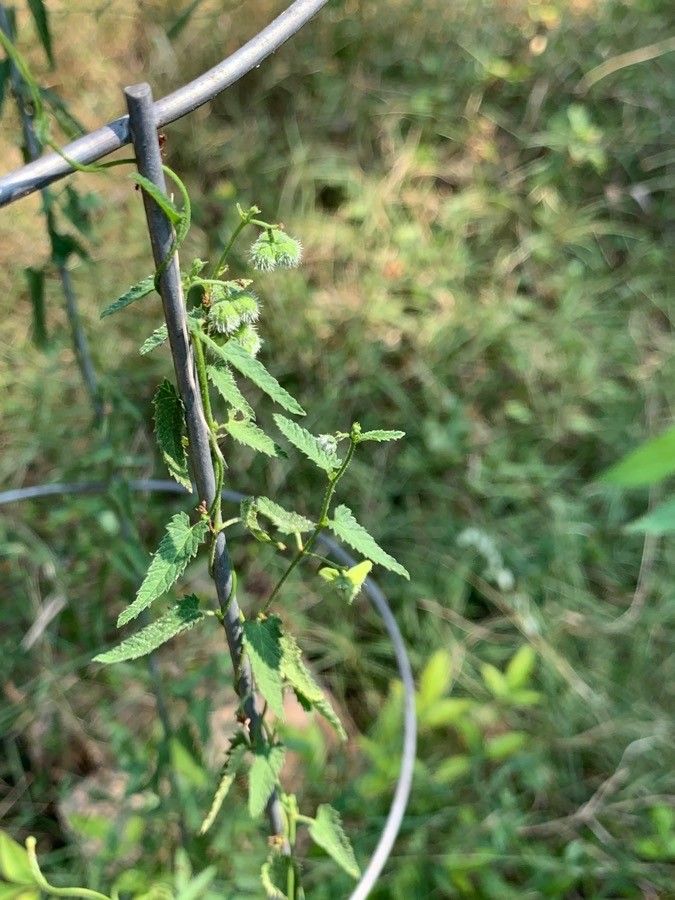
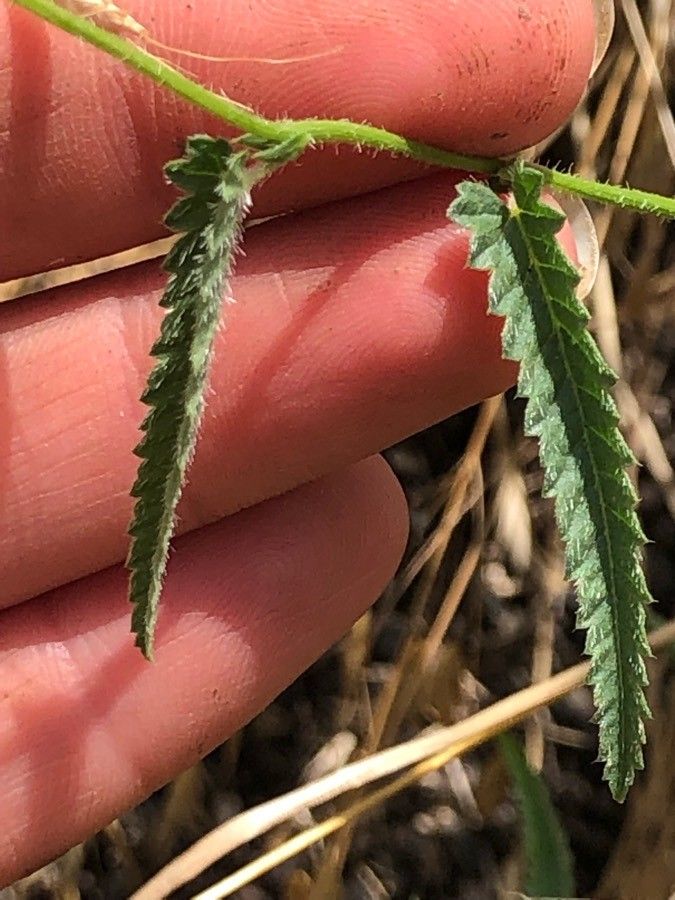
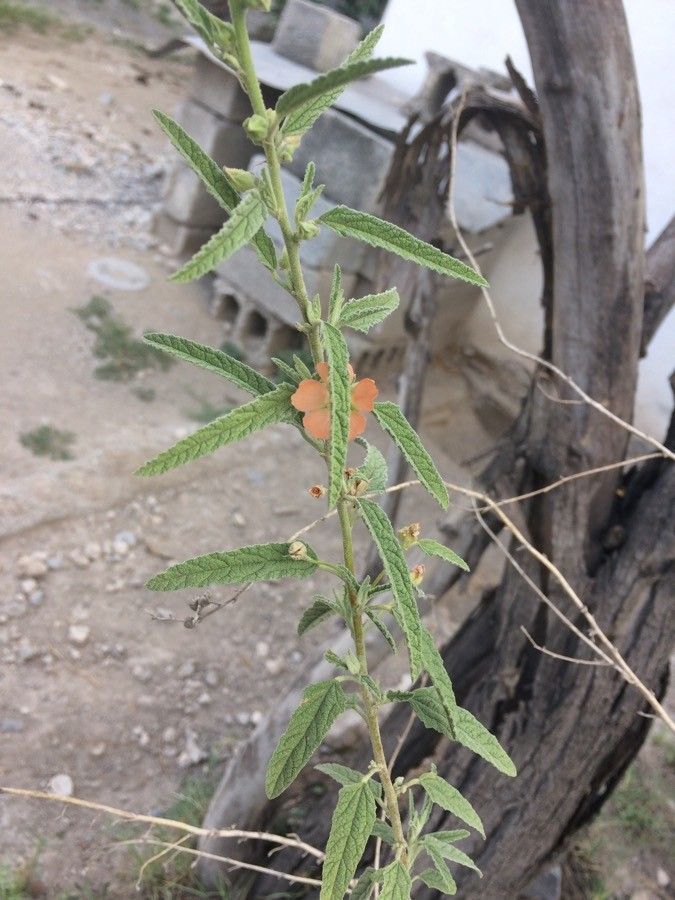
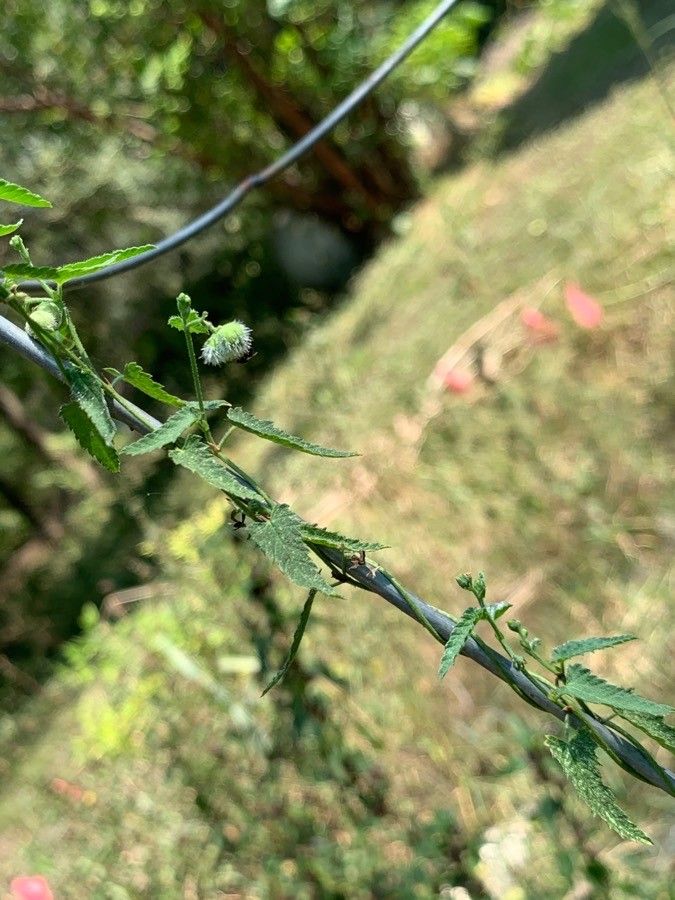
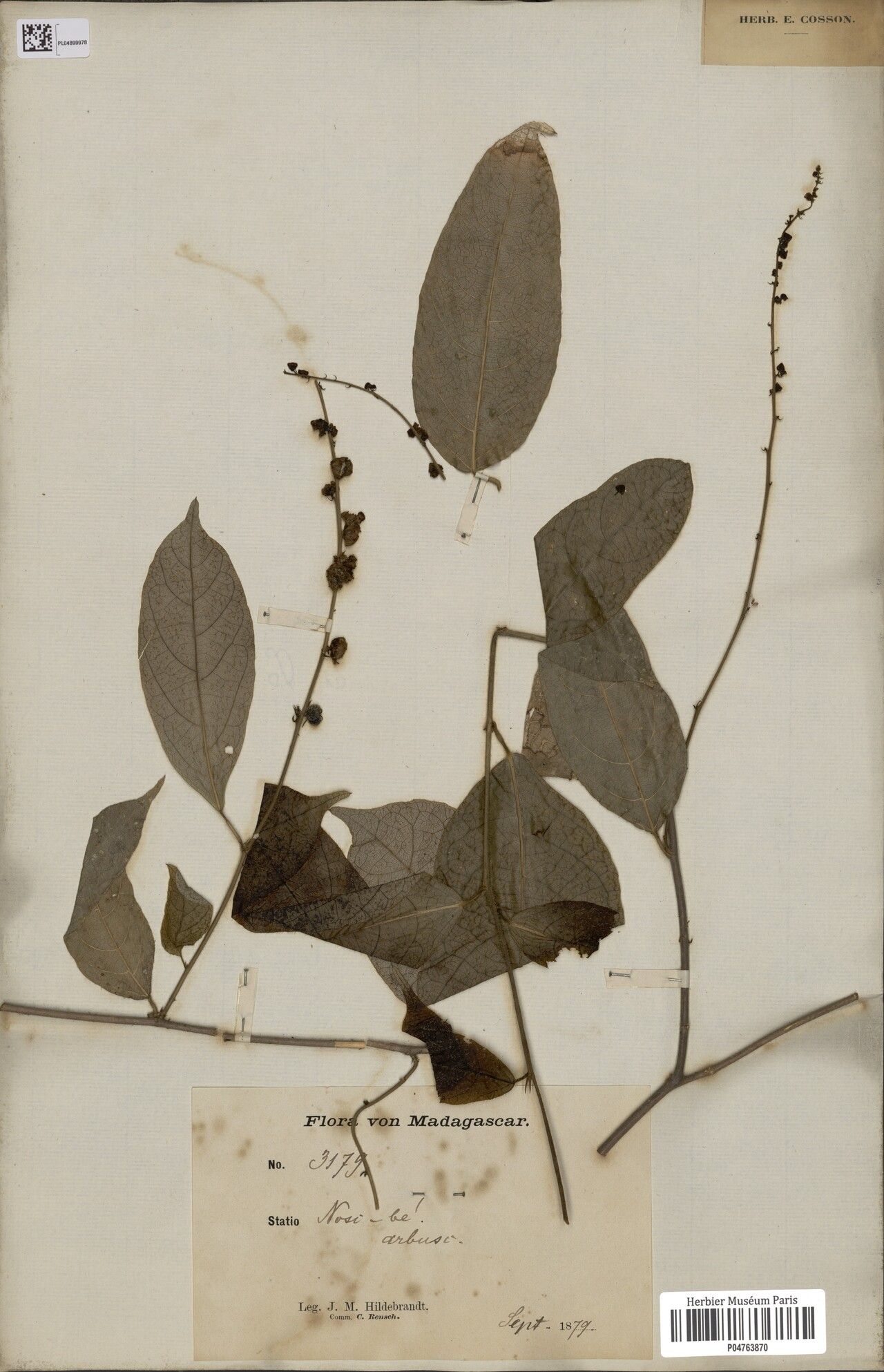
Tragia ramosa, a perennial plant in the Euphorbiaceae family, is commonly known as the noseburn plant for its ability to cause a burning sensation in the nose when its leaves are crushed. This plant is native to tropical and subtropical regions of Africa, Asia, and Australia.
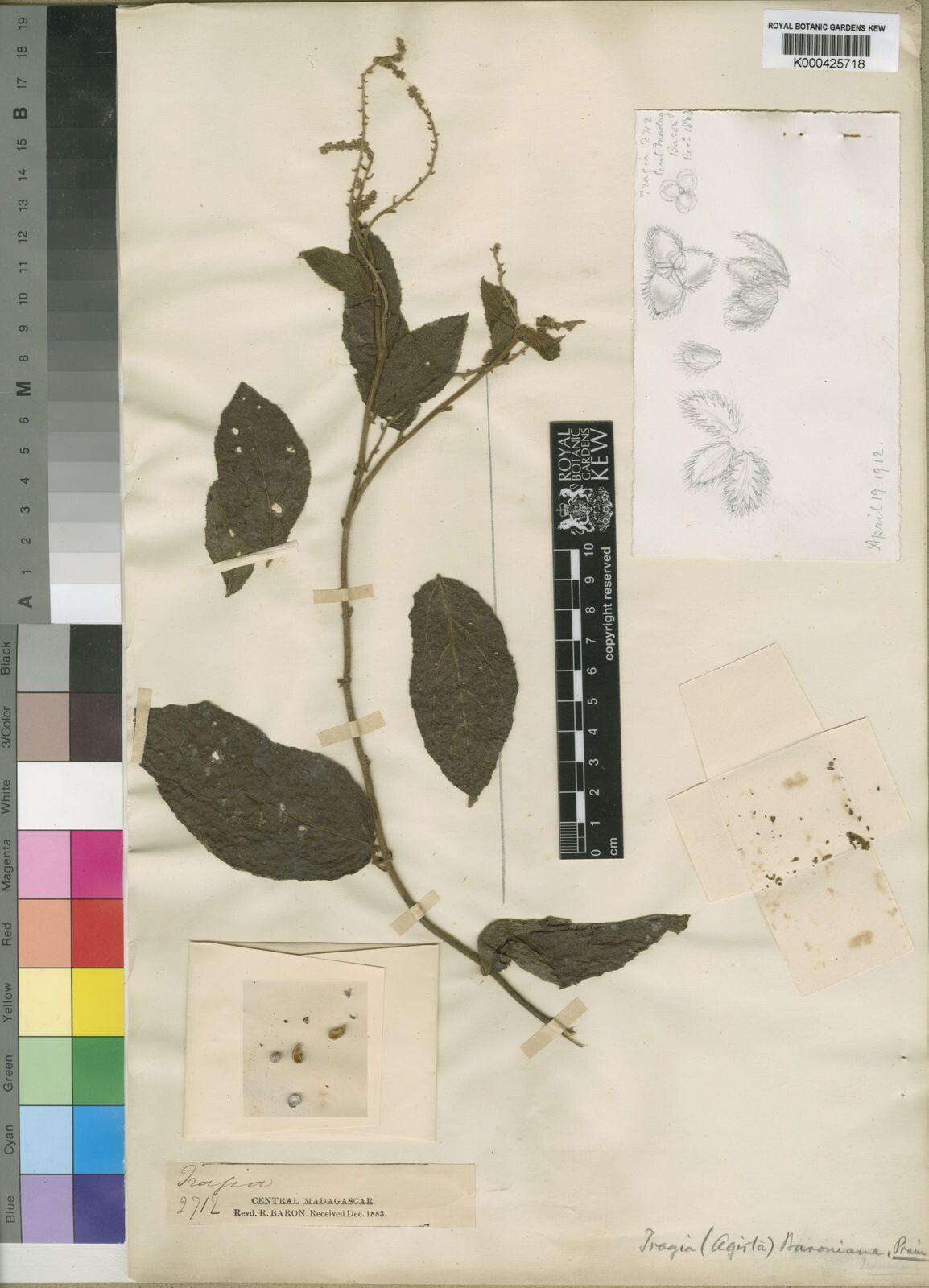
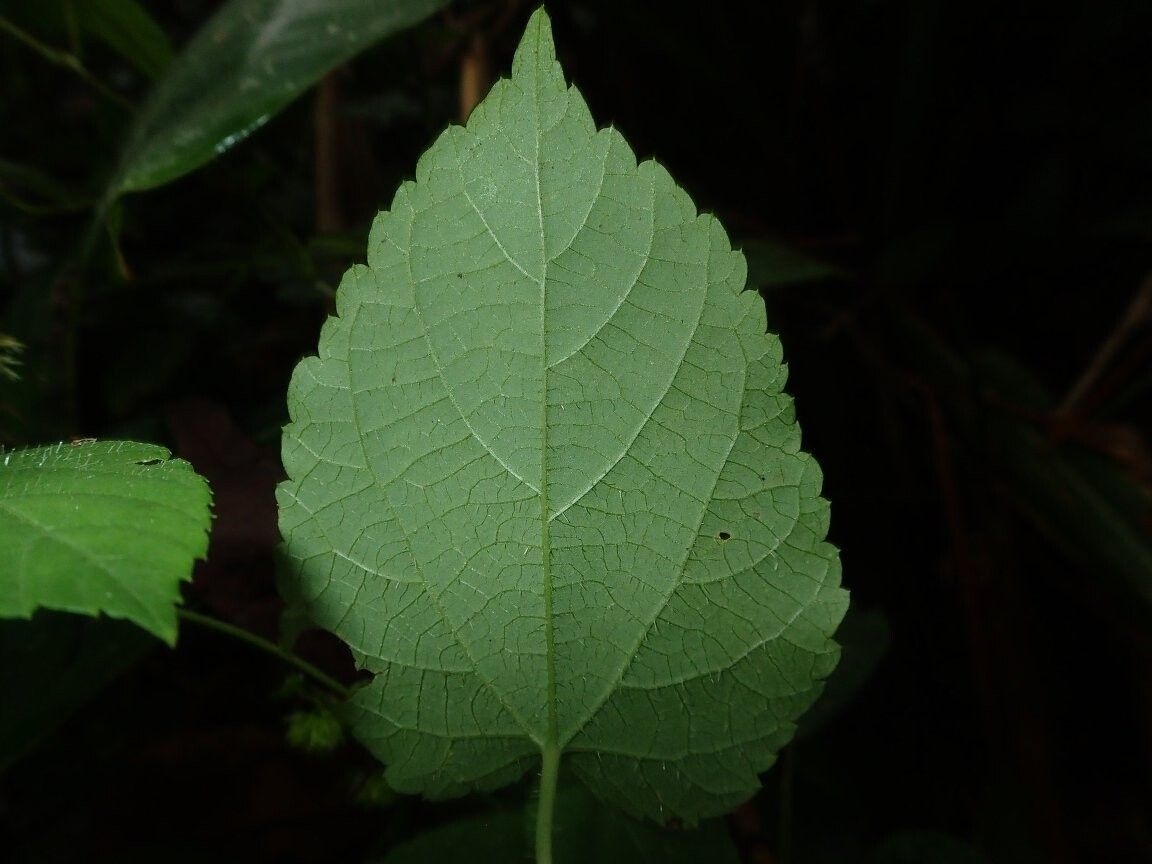
Tragia ramosa features a woody stem that can grow up to 2 meters in height. Its leaves are alternate, simple, and ovate with serrated edges. The plant produces small, greenish-yellow flowers. Male flowers are arranged on long spikes, while female flowers grow on shorter spikes.
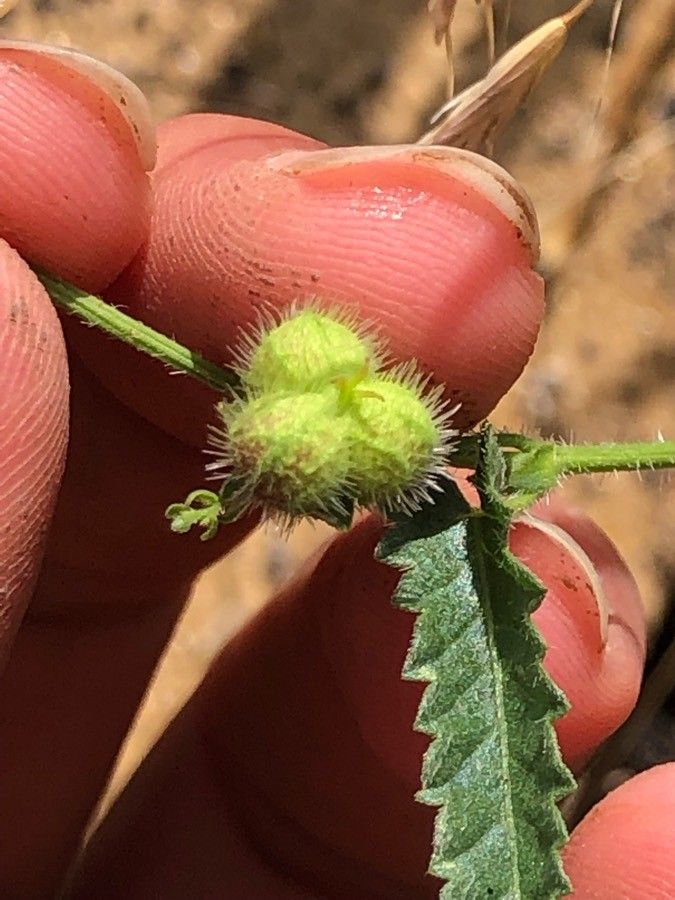
The fruit of Tragia ramosa is a three-lobed capsule containing three seeds with an oily texture. Traditionally, these seeds have been used for their medicinal properties, as they contain compounds such as triterpenoids, flavonoids, and alkaloids, which possess anti-inflammatory properties.
Beyond its medicinal uses, the noseburn plant has various practical applications. Its stem fibers can be used to make ropes, and due to its high calorific value, it can also be used as fuelwood.
Overall, Tragia ramosa is a fascinating species with unique characteristics. It plays a significant role in traditional medicine and has practical applications in everyday activities like rope-making and fuelwood production.
Branched noseburn is fairly resistant to disease and typically does not suffer from illnesses. Still, it can be vulnerable to pests and diseases present in its environment. Such infections are generally mild. Regarding care, the plant requires moderate maintenance. It should be pruned on a regular basis to maintain a neat appearance and support healthy growth. Applying fertilizer can also help encourage flowering. Branched noseburn is suitable for anyone with an outdoor area, such as a garden or patio, and does not require extensive care experience. When grown indoors it may need additional attention.
How to keep Tragia Ramosa.
Light
Branched noseburn performs best with plentiful light for most of the day, although it tolerates periods of semi-shade. It comes from a place with strong sunlight and is adapted to those conditions. Too little light generally restricts its growth, while excessively strong illumination can harm its foliage.
Water
Branched noseburn, which originates from moderate climates, thrives in conditions with consistent moisture and steady humidity. To keep the soil moist without causing waterlogging, water the plant weekly. Since branched noseburn is usually grown outdoors, take local rainfall into account when planning your watering schedule. Its growth cycle is influenced by the availability of water throughout the seasons, so be especially attentive to its irrigation needs during dry periods.
Temperature
Branched noseburn comes from tropical areas where the climate is usually warm and humid. Therefore, it is adapted to high temperatures and moisture. It does not tolerate abrupt temperature changes and prefers a stable thermal environment, so avoiding indoor temperature swings is important. It generally cannot withstand cold and needs higher temperatures to grow. If the surrounding temperature falls too low, the plant may stop growing or even die.
Fertilizer
Branched noseburn needs the most fertilizer during its active growth period, which takes place mainly in spring, summer, and early fall. Fertilization is required to supply essential nutrients that the soil may lack, encouraging healthy root and stem growth as well as the attractive foliage that is a key feature of this plant.
Pruning
The branched noseburn plant has a branched structure that can cause skin irritation. To maintain its health and appearance, it's best to prune it between early and late spring. During pruning, remove any dead branches and thin out crowded areas to improve airflow and encourage growth. Be sure to wear gloves for protection, as pruning during the active growth period enhances the plant's health and shape.
Botanical profile.
- Plant Type
- Herb
- Life Cycle
- Perennial
- Genus
- Tragia
- Family
- Euphorbiaceae
- Hardiness Zone
- 8-11
- Mature Height
- 20 cm to 30 cm
- Mature Spread
- 20 cm to 30 cm
- Leaf Color
- Green
- Leaf Type
- Deciduous
- Flower Color
- Yellow, Green
- Flower Size
- 2.54 cm
- Bloom Time
- Late spring, Summer
- Planting Time
- Spring, Summer, Autumn
- Harvest Time
- Mid summer, Late summer, Early fall, Mid fall
- Native Area
- Mexico
Other names.
Reader questions.
What are the sunlight requirements for Branched noseburn?
Branched noseburn requires full sun, meaning it thrives best with above 6 hours of sunlight per day, but it can also tolerate partial sun, which is about 3-6 hours of sunlight. It's essential to observe how sunlight moves through your garden to find the perfect balance of light and shade, ensuring the plant's health and happiness. Originally from regions with intense sunlight, Branched noseburn has adapted to flourish under abundant light but can endure periods of semi-shade. Insufficient sunlight may stunt its growth, while too much direct light can harm its foliage.
What is Branched noseburn?
Branched noseburn, botanically known as Tragia ramosa, is a plant species. Unfortunately, no additional details about its characteristics, uses, or distribution have been provided.
How can artificial lighting be used for indoor Branched noseburn plants?
For indoor Branched noseburn plants that don't receive enough natural sunlight, especially during winter or in less sunny spaces, artificial lighting is crucial for optimal growth. LED lights are recommended because they can provide specific light wavelengths needed by the plants. Full sun plants require 30-50W/sq ft, partial sun plants need 20-30W/sq ft, and full shade plants require 10-20W/sq ft of artificial light. The artificial light source should be placed 12-36 inches above the plant to emulate natural sunlight and be kept on for 8-12 hours a day, depending on the plant species' needs.
What are the symptoms of inadequate light in Branched noseburn?
Symptoms of inadequate light in Branched noseburn include new leaves growing smaller than previous ones, leggy or sparse growth due to elongated spaces between leaves or stems, faster drop of older leaves as the plant tries to conserve resources, and a halt in growth or no new growth as the plant enters survival mode. Insufficient light can also lead to lighter-colored new leaves, which indicates a lack of chlorophyll and essential nutrients. Excessive sunlight exposure may cause chlorosis, sunscald, leaf curling, wilting, and leaf scorching, all detrimental to the plant's health.
What solutions can help Branched noseburn receive adequate sunlight?
To ensure Branched noseburn receives adequate sunlight, gradually move indoor plants to sunnier locations, aiming for at least 6 hours of direct sunlight daily. Utilize a south-facing window and keep curtains open. For large or immobile plants, consider artificial lighting, keeping a lamp on for at least 8 hours a day or investing in professional plant grow lights. Outdoors, gradually acclimate plants to sunnier spots to prevent sunburn. Pruning trees that block sunlight or transplanting smaller plants to sunnier locations can also help. Remember, parts of the plant damaged by insufficient light may not recover, but new growth should be healthy with improved light exposure.