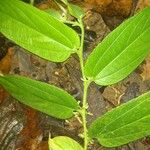
Trema micrantha
Jamaican nettletree · Capulin · Florida trema
Description
Source: leafsnapTrema micrantha, the Jamaican nettletree or capulin, is a plant species native to warmer parts of the Western Hemisphere. It has been reported from Mexico, Central America, tropical South America, the Virgin Islands, Jamaica, Cuba, Hispaniola, Puerto Rico, and southern Florida.
Care Guide
💧 Water
Native to tropical regions, the Florida trema thrives in high humidity and consistent moisture, displaying a moderate tolerance for drought. Watering the plant every 2-3 weeks is ideal. In warmer climates, using mulch is beneficial for retaining soil moisture, which is essential for the plant's health and vitality.
☀️ Light Full sun
Full light exposure is preferred for the healthiest growth of the Florida trema, although it can moderately tolerate areas that only get sunlight for a portion of the day. Its growth may be stunted by either an excess or deficiency of light exposure.
What are the sunlight requirements for Florida trema?
Florida trema requires full sun exposure, characterized by more than 6 hours of sunlight daily, for optimal growth. It can also tolerate partial sun, which means about 3-6 hours of sunlight. When choosing a location for your plants, observe the movement of sunlight through the garden and find a spot that ensures a good balance of light and shade, conducive to plant health.
How important is light for Florida trema's growth?
Light plays a crucial role in the healthy development of Florida trema. It thrives in full light exposure but can adapt to receiving light only for parts of the day. Inadequate light exposure can hinder its growth, making it essential to provide sufficient sunlight or use artificial lighting to mimic natural light conditions, especially for indoor plants during less sunny periods or winter.
How can artificial lighting benefit indoor plants, and what are the recommendations?
Indoor plants, such as Florida trema, may require artificial lighting to supplement natural sunlight, especially in winter or less sunny spaces. Optimal growth can be achieved by using artificial lights, like LEDs, tailored to provide specific wavelengths needed by plants. For full sun plants, 30-50W/sq ft of artificial light is recommended; partial sun plants need 20-30W/sq ft, while full shade plants require 10-20W/sq ft. Position the light source 12-36 inches above the plant and ensure it receives 8-12 hours of light per day to mimic natural daylight hours.
What are some symptoms of light deficiency in Florida trema?
Florida trema may exhibit several symptoms when exposed to insufficient light, including smaller new leaves, leggy or sparse growth, faster leaf drop, slower or halted growth, and lighter-colored or chlorotic new leaves. These symptoms indicate a struggle in maintaining healthy growth due to inadequate photosynthesis and nutrient absorption. Sunscald, leaf curling, wilting, and leaf scorching may also occur due to overexposure to sunlight.
What solutions are available for Florida trema experiencing light deficiency?
To address light deficiency in Florida trema, consider gradually moving plants to sunnier locations to receive at least 6 hours of direct sunlight daily, or use a south-facing window for indoor plants. Artificial lighting, like desk or ceiling lamps and professional grow lights, can also provide additional light. Outdoors, move plants gradually to avoid shock and sunburn. Minimize obstructions by pruning trees that block sunlight or transplant smaller plants to sunnier spots. Remember, while parts of the plant affected by low light may not recover, new growth should be healthier with improved lighting.
🌡️ Temperature 20–37.8°C
Florida trema thrives in subtropical environments where temperatures range from 68 to 100 °F (20 to 38 ℃). For robust development, it's crucial to uphold these temperature parameters, making necessary adjustments per the season's changes.
What are the ideal temperature conditions for Florida trema?
Florida trema thrives in subtropical climates, favoring temperatures between 68 to 100°F (20 to 38°C). This heat-loving plant requires maintaining this temperature range for vibrant growth, adjusting as necessary for seasonal changes. It's particularly sensitive to cold, and when temperatures begin to drop in the autumn, it is advisable to bring outdoor-grown Florida tremas indoors, placing them near a bright window but away from heaters. Keeping the temperature above 20°C during winter supports its growth, while temperatures around 0°C can be harmful.
How should I care for Florida trema in cold temperatures?
Florida trema prefers warm environments and struggles with cold temperatures, thriving best when above 20°C and needing protection from temperatures dropping below 0°C. If exposed to conditions colder than -5°C, its leaves may lighten before turning brown or black post-frost, accompanied by wilting and drooping. The best solution for frost damage is to trim off the affected parts and move the plant to a warm indoor space. Placing it near a south-facing window for ample sunlight, while avoiding proximity to heaters or air conditioning vents, can help prevent air dryness.
How do I protect Florida trema from high temperatures?
In the summer, it's crucial to keep Florida trema below 38°C to prevent heat stress. High temperatures exceeding 43°C can cause the leaves to lighten and increase susceptibility to sunburn. To mitigate damage, trim away sunburned or dried parts of the plant and relocate it to an area with shade, particularly from the midday and afternoon sun. Watering in the morning and evening helps maintain soil moisture, providing further protection against extreme heat.
💨 Humidity
🪴 Soil 6-7
🌱 Fertilizer
The well-being of the Florida trema largely depends on fertilization. Consistent fertilization during the growing phase aids in maintaining vitality for vibrant leaves and promotes general growth. Overlooking the necessity of fertilization may lead to diseased leaves, reduced decorative attraction, and impeded or frail growth that is susceptible to snapping.
🪴 Pot & Repot
✂️ Pruning
To promote the health and appearance of Florida trema, early spring pruning is essential. This involves shaping the plant and removing any dead branches. Techniques like thinning out overcrowded branches and cutting back vigorous shoots can further enhance growth. By doing so, you improve air circulation, reduce the risk of disease, and create a healthier, more visually appealing plant.
🌿 Propagating
🐛 Diseases & pets
☠️ Toxicity
Characteristics
- Plant Type
- Tree, Shrub
- Life Cycle
- Perennial
- Genus
- Trema
- Family
- Cannabaceae
- Hardiness Zone
- 9-11
- Mature Height
- 10.06 m
- Mature Spread
- 3.05 m to 6.1 m
- Leaf Color
- Green, Dark Green
- Leaf Type
- Deciduous
- Flower Color
- Green
- Flower Size
- 0.20 cm to 0.25 cm
- Bloom Time
- Mid spring, Late spring, Summer, Early fall
- Planting Time
- Spring, Summer, Autumn
- Harvest Time
- Summer, Fall
- Native Area
- Belize, Honduras, Mexico, Guatemala, Peru, Panama, Jamaica, Colombia, Cuba, Bolivia, Venezuela, Guyana, El Salvador, Nicaragua, Brazil, Ecuador, Costa Rica