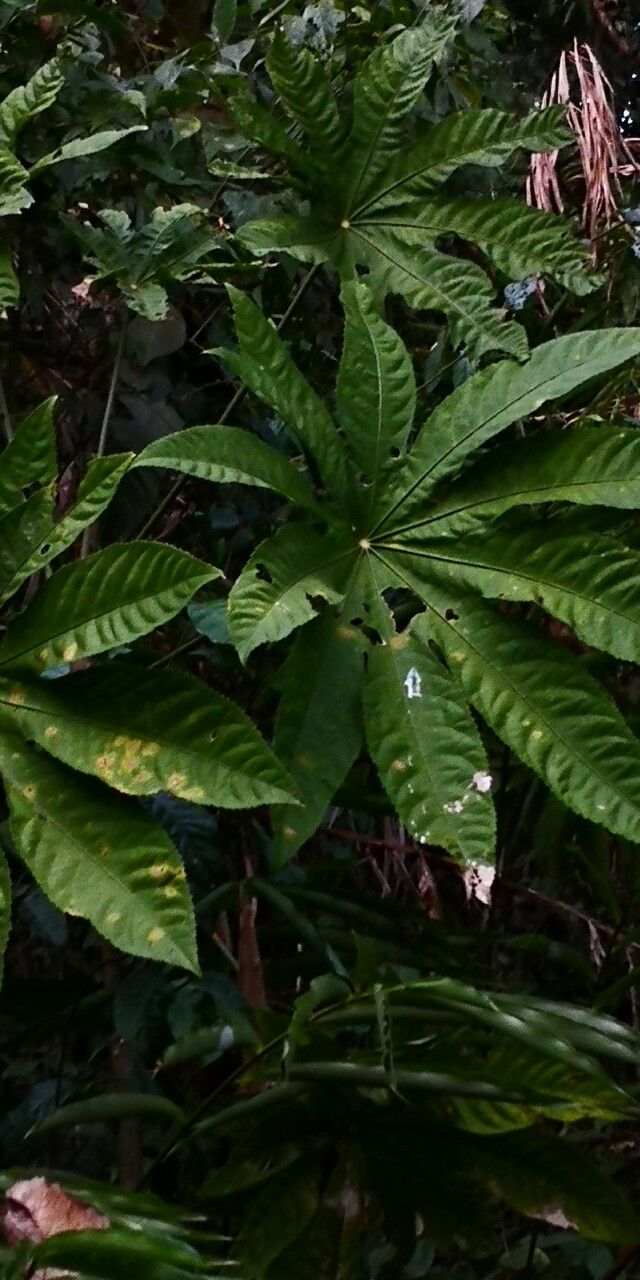
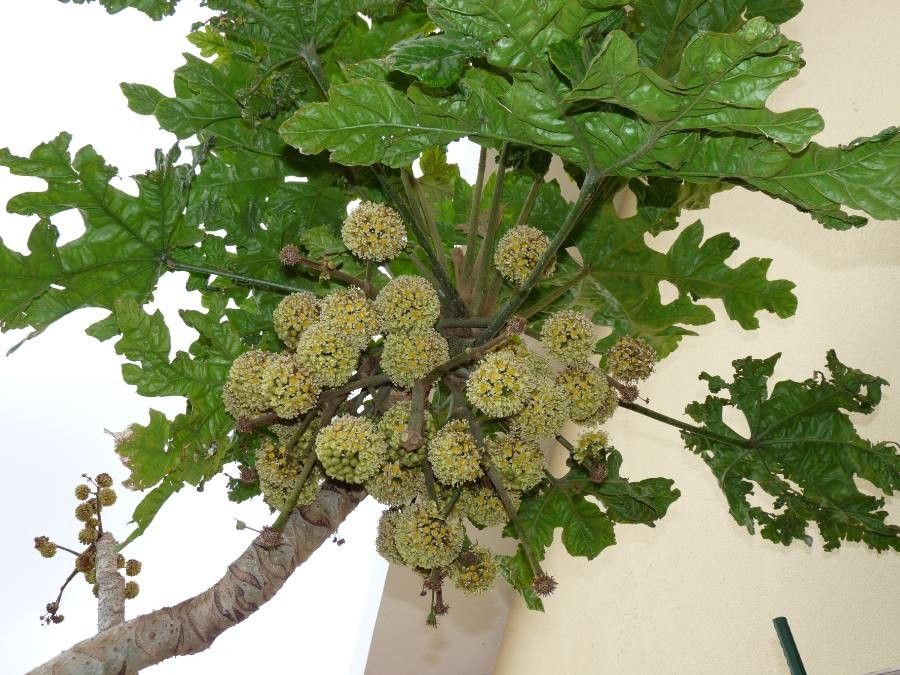
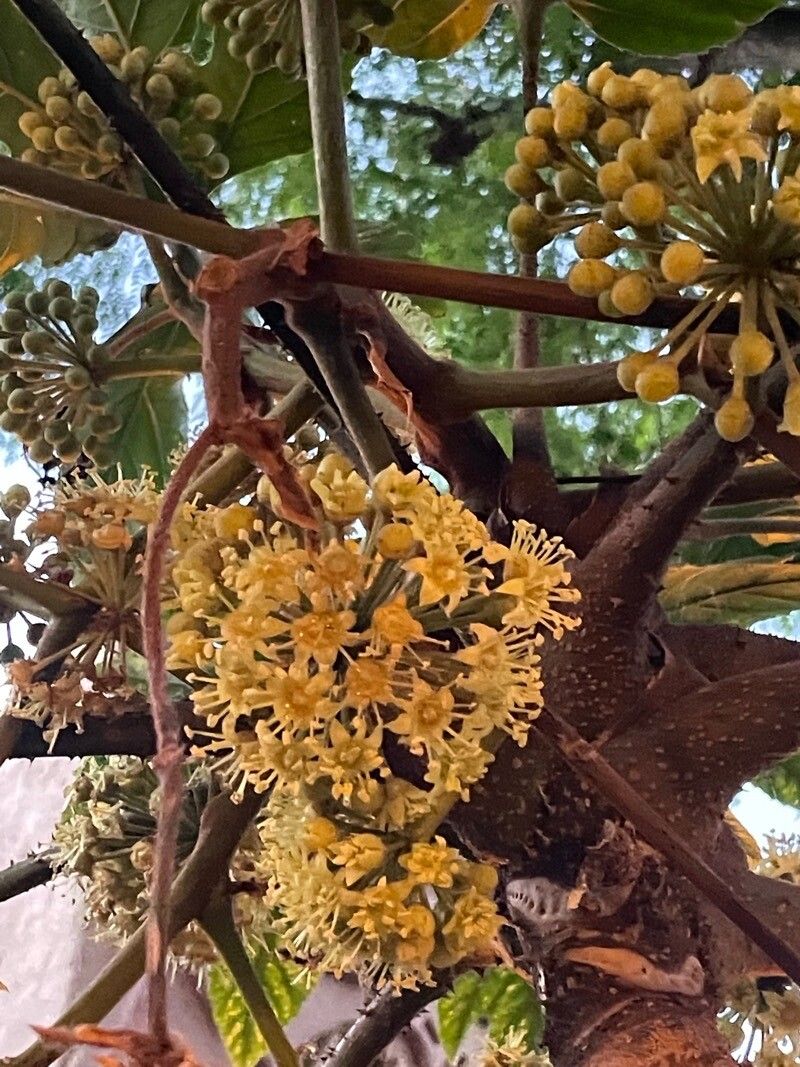
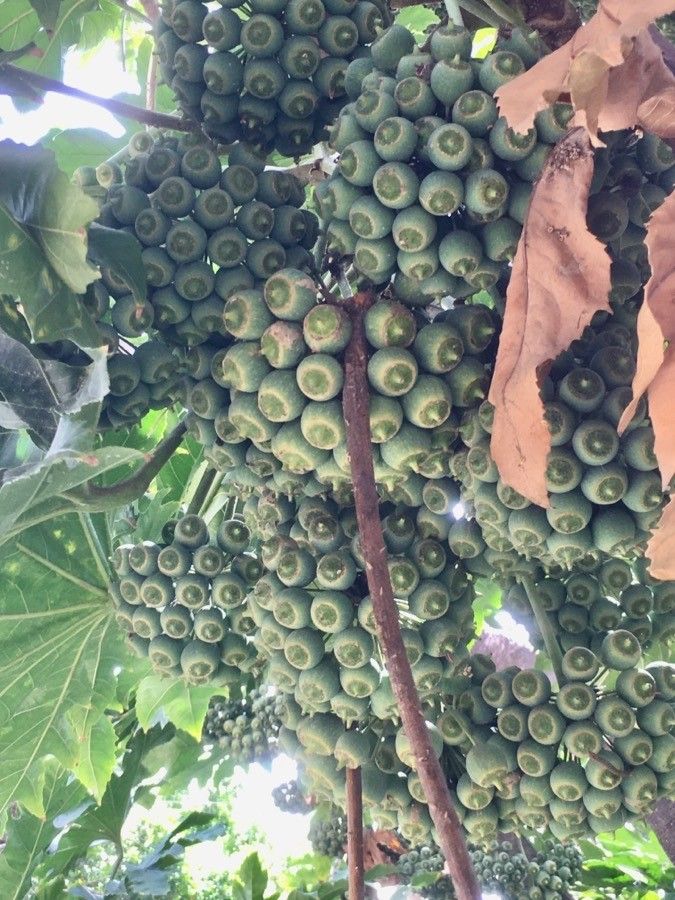
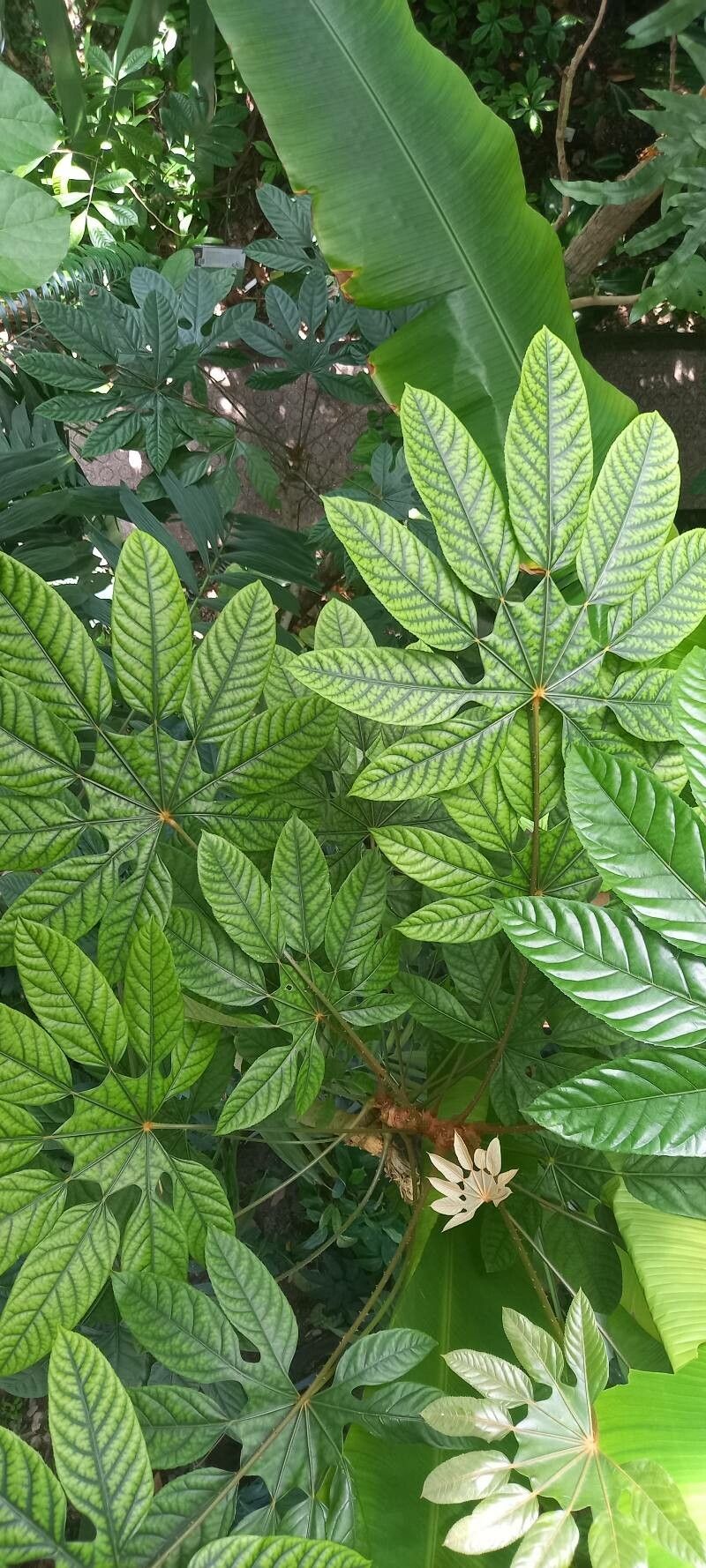
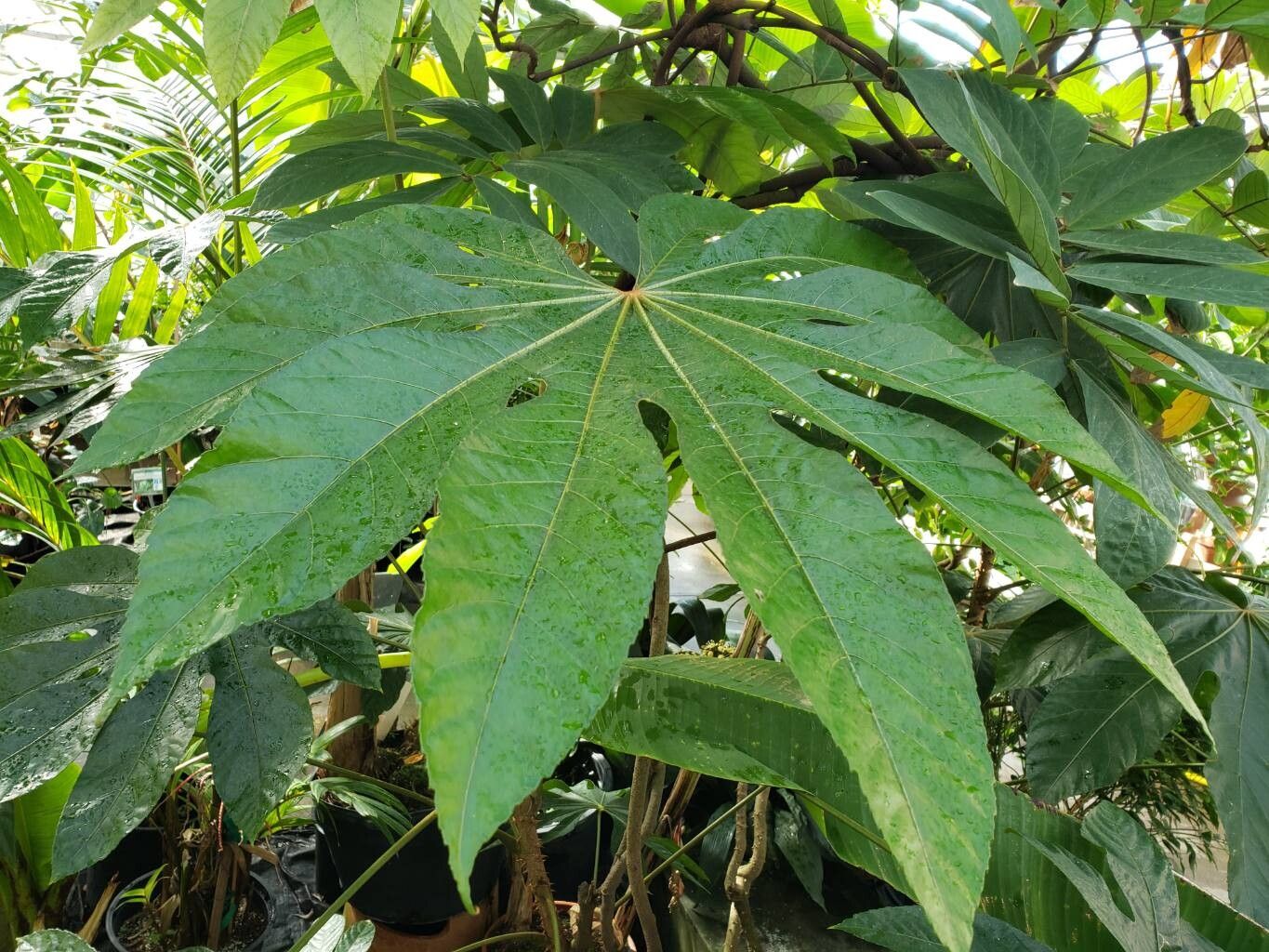
Trevesia palmata is a flowering plant in the family Araliaceae that is found in southeast Asia
The Snowflake tree has strong resistance to disease and is generally not susceptible to illnesses. In terms of care, this plant is fairly low-maintenance. When planted outdoors it needs only minimal watering, and larger specimens typically do not require pruning. Smaller plants, however, should be pruned after they have finished blooming. The Snowflake tree is suitable for anyone with an outdoor area, such as a garden or deck, and does not need a great deal of care experience.
How to keep Trevesia Palmata.
Light
The snowflake tree performs best in full-day sunlight but can tolerate occasional shade. Coming from habitats with abundant sun, it grows vigorously when provided with ample light. Both excessive and insufficient light can weaken its health and impede growth. Its different growth stages generally require similar amounts of sunlight.
Water
The Snowflake tree flourishes in consistently moist soil and high humidity, which reflects its tropical forest origins. While it is moderately drought-tolerant, it still requires weekly watering for optimal growth. This plant is ideal for indoor settings, and regular misting during the growing season helps enhance its lush foliage, replicating its natural habitat.
Temperature
Snowflake tree is native to areas where temperatures usually range from 68 to 100 °F (20 to 38 ℃). It does best in warm conditions, so in cooler regions it may need to be kept indoors or provided with extra heating during winter.
Fertilizer
The best time to fertilize a Snowflake tree is in early spring as it comes out of dormancy. This encourages overall growth and the development of flowers. Fertilizing improves the foliage, stems, and branches, and helps produce flowers that are large, vibrant, and long-lasting. It also assists in moving nutrients from the roots to the flowers and enhances the plant's health and resistance to disease.
Pruning
The Snowflake tree is known for its large, uniquely lobed leaves. To maintain its shape and health, it is best to prune the tree during its dormant period, from early to late winter. Pruning helps to shape the plant, remove any dead branches, and improve air circulation. This practice enhances the tree's ability to recover and reduces the risk of disease, thereby promoting its health and ornamental value.
Pot & Repot
Repot the snowflake tree every 2-3 years, ideally in spring or early summer. Select a wide pot to accommodate its spreading palmate leaves, and position it in a location with bright, indirect light. After repotting, keep the soil consistently moist to encourage healthy growth.
Botanical profile.
- Plant Type
- Tree
- Life Cycle
- Perennial
- Genus
- Trevesia
- Family
- Araliaceae
- Hardiness Zone
- 10-11
- Mature Height
- 4.57 m to 6.1 m
- Mature Spread
- 2.44 m to 3.66 m
- Leaf Color
- Green
- Leaf Type
- Evergreen
- Flower Color
- Yellow, Green
- Flower Size
- 2.54 cm
- Bloom Time
- Summer
- Planting Time
- Spring, Summer, Autumn
- Harvest Time
- Late summer, Early fall, Mid fall
- Native Area
- Nepal, India, Cambodia, Vietnam, Myanmar, Bhutan, Bangladesh, Laos, Thailand, China
Other names.
Reader questions.
What are the sunlight requirements for Snowflake tree?
The Snowflake tree requires full sun exposure, defined as receiving more than 6 hours of sunlight per day, to thrive optimally. It can also tolerate partial sun, which is about 3-6 hours of sunlight. It's important to observe the movement of sunlight through your garden to identify places that offer a good balance of light and shade, ensuring the plants' growth and health. Originally from regions with abundant sunlight, the Snowflake tree's growth is significantly boosted under full-day sun exposure but can withstand occasional shade. However, both too much and too little light can negatively impact the plant's vitality and growth.
What is the native environment for the Snowflake tree?
The Snowflake tree, also known by its botanical name Trevesia palmata, is native to environments where temperatures typically range between 68 to 100 °F (20 to 38 °C). It thrives in warm conditions and is extremely heat-loving. Due to its preference for warmth, cooler regions may require the Snowflake tree to be planted indoors or to have supplemental heating during the winter to maintain ideal growth conditions.
Can artificial lighting supplement sunlight for Snowflake trees?
Yes, artificial lighting can be a vital solution for Snowflake trees, especially for indoor specimens when natural sunlight is insufficient, typically in winter or in areas of the home that receive less sunlight. When choosing artificial lighting, LED lights are recommended because they can be customized to provide specific wavelengths needed by the plant. Full sun plants should have 30-50W/sq ft, partial sun plants need 20-30W/sq ft, and full shade plants require 10-20W/sq ft of artificial light. The ideal distance for placing these lights is 12-36 inches above the plant. Additionally, the duration of light exposure should mimic natural daylight hours, generally between 8-12 hours per day, to promote healthier and faster growth.
How should the Snowflake tree be cared for in different seasons?
During the colder months, it is recommended to bring the Snowflake tree indoors if it was previously growing outside. Placing it near a bright window can ensure it continues to receive adequate light, but it should be kept at a distance from heaters to avoid damage. The key is maintaining temperatures above 20°C during winter to support its growth, as temperatures approaching 5°C can be detrimental to the plant.
What are common symptoms of inadequate lighting in Snowflake trees?
Snowflake trees show several symptoms when exposed to inadequate lighting, especially during winter when they are brought indoors. Some key symptoms include smaller new leaves, leggy or sparse growth, faster leaf drop, slower or halted new growth, lighter-colored new leaves, chlorosis (leaves turning yellow), sunscald, leaf curling, wilting, and leaf scorching. These signs indicate either too much direct exposure or insufficient sunlight, both of which can hamper the plant's ability to grow healthily. For instance, chlorosis reflects a breakdown of chlorophyll due to excessive light, while leggy growth or smaller leaves indicate insufficient light.
What are the symptoms and solutions for Snowflake tree when exposed to low temperatures?
The Snowflake tree prefers warm temperatures and does not tolerate cold well. It thrives best above 20°C. In winter, the temperature should stay above 5°C. Exposure to temperatures below 1°C can cause the leaves to lighten in color, leading to brown or black discoloration as frost damage becomes evident, accompanied by wilting and drooping. To remedy this, trim off frost-damaged parts and move the plant to a warmer indoor location, preferably near a south-facing window for ample sunlight. It's also crucial to avoid placing the plant near heaters or air condition vents to prevent air dryness.
How should Snowflake trees be cared for to improve their light exposure?
To ensure optimal growth and light exposure for Snowflake trees, indoor plants should be gradually moved to sunnier spots, aiming for at least 6 hours of direct sunlight daily. Utilizing a south-facing window can maximize sunlight exposure. If the plant is too large or not easily movable, supplementing with artificial light, like keeping a desk or ceiling lamp on for at least 8 hours a day or investing in professional plant grow lights, is recommended. For outdoor plants, gradually transitioning them to sunnier areas weekly helps avoid sunburn. Reducing obstructions, such as by pruning trees that block sunlight, and transplanting smaller plants during their dormant period to sunnier locations with ample sunlight and good drainage are also effective strategies. However, it's important to note that while these practices can promote healthy new growth, parts of the plant that were already damaged by insufficient sunlight may not recover.
How does high temperature affect the Snowflake tree and what are the solutions?
During the summer, it's important to ensure that the temperature around the Snowflake tree remains below 38°C to avoid heat stress. Temperatures exceeding 43°C can cause the leaves to lighten in color and make the plant more susceptible to sunburn. To address this, trim away the sunburned and dried parts of the plant, and move it to a location that provides afternoon and midday shade. Watering the plant in the morning and evening can help keep the soil moist and support the plant under high temperatures.