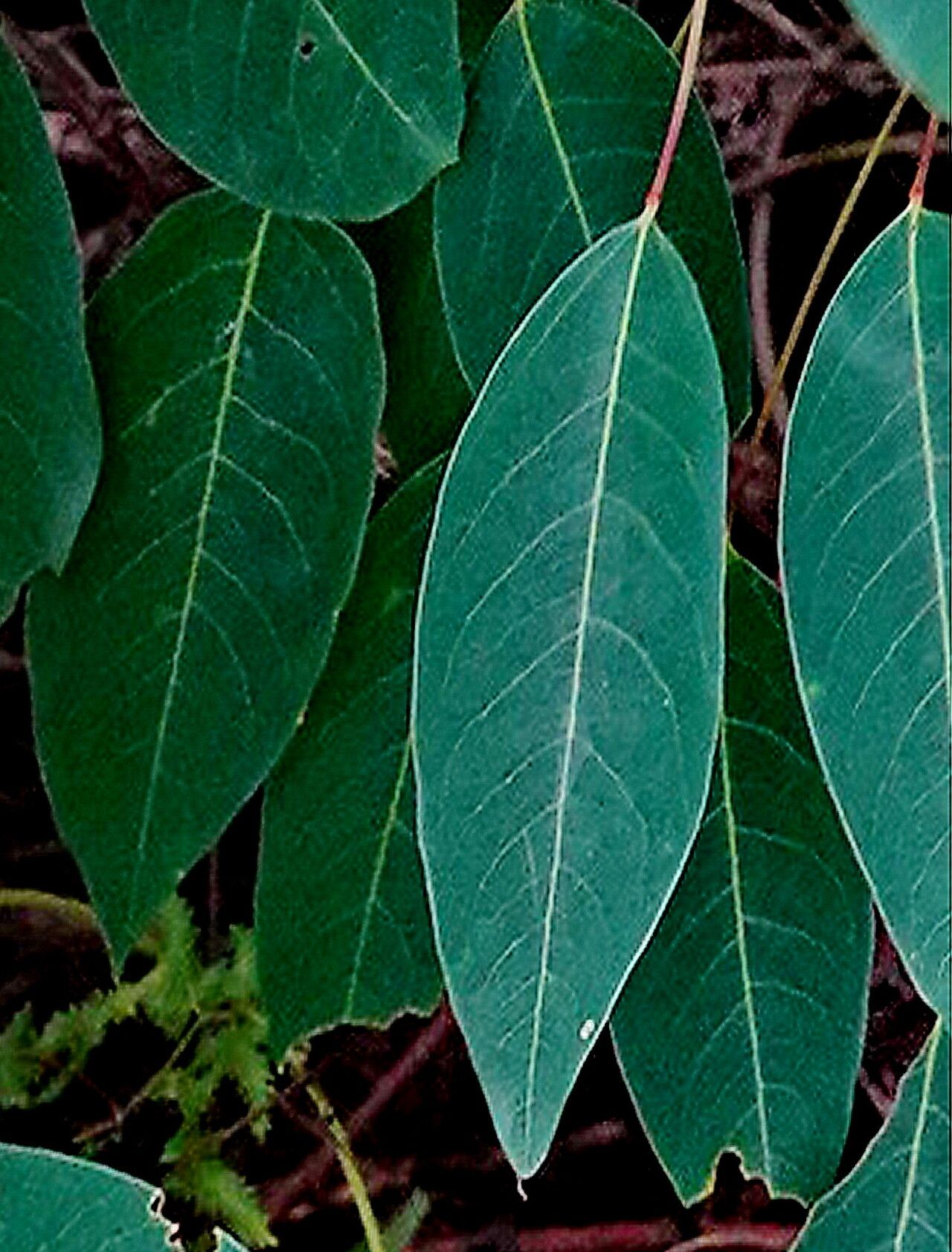
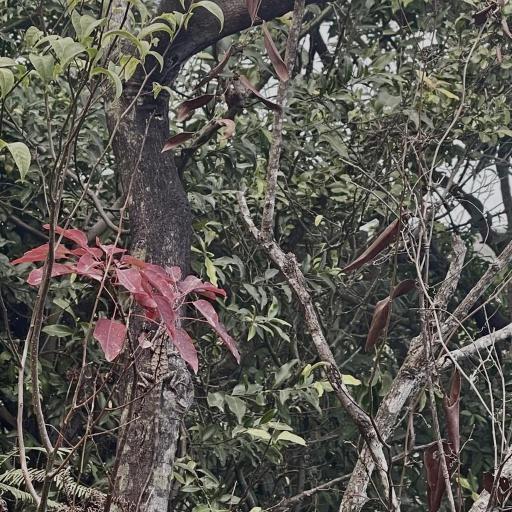
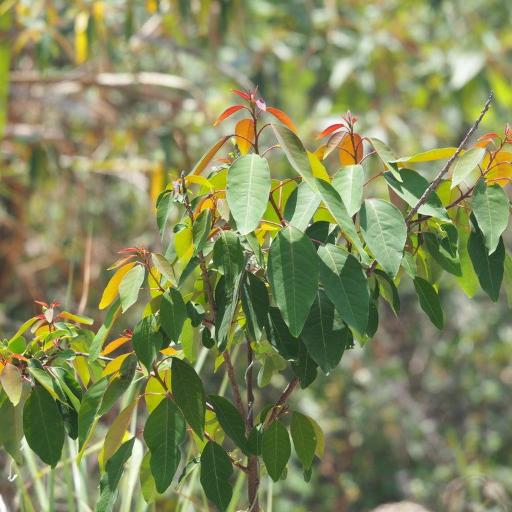
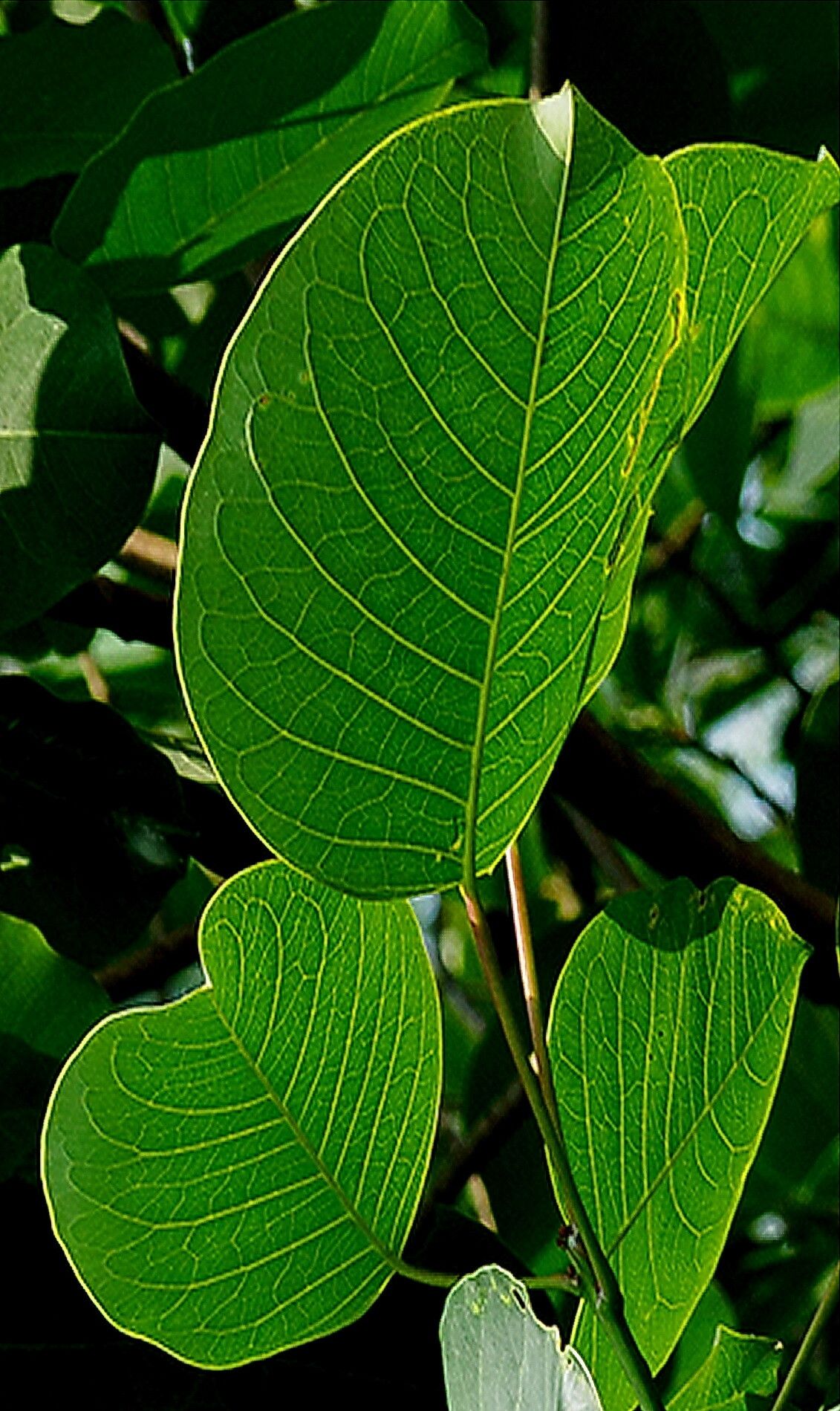
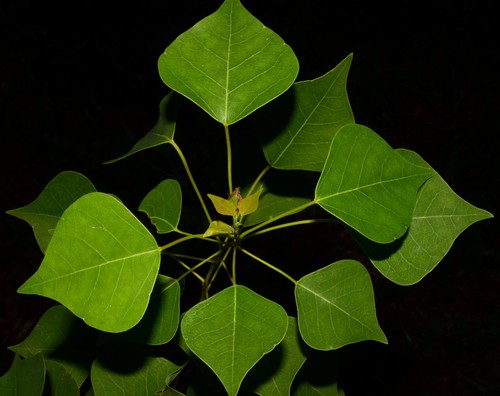
Triadica cochinchinensis is a species of tree known as the mountain tallow tree.The seeds (as well as from those of Triadica sebifera) are the sources of stillingia oil, a drying oil used in paints and varnishes. The fatty coat of the seeds is known as stillingia tallow, hence its common name. The two species were formerly classified in the genus Stillingia, as Stillingia discolor and Stillingia sebifera (hence the name of the oil and tallow). At some time before 1950, this tree was reclassified into the genus Sapium as Sapium discolor. In 2002 or so it was reclassified again into the genus Triadica with its present name.
Mountain tallow tree has strong resistance to disease and is generally not vulnerable to illnesses. In terms of care, this plant is fairly low-maintenance. When grown outdoors it needs minimal watering, and mature plants usually do not require pruning. Smaller plants, however, should be pruned after they finish blooming. Mountain tallow tree is suitable for anyone who has outdoor space, such as a garden or a deck, and does not demand much plant-care experience.
How to keep Triadica Cochinchinensis.
Light
Mountain tallow tree is native to open habitats, such as sunny meadows and forest edges, which supply abundant light. It performs best in Full Sun but can also tolerate Partial Sun, making it adaptable to a range of sunlight conditions.
Temperature
Mountain tallow tree comes from tropical regions, where the climate is usually warm and humid. Consequently, it is adapted to high temperatures and humidity. It is sensitive to sudden temperature changes and favors a stable temperature environment, so indoor temperature fluctuations should be avoided. It generally cannot tolerate cold and requires higher temperatures for growth. If the environmental temperature falls too low, the plant may stop growing or even die.
Fertilizer
Fertilizing is essential for the care of the Mountain tallow tree. Regular feeding during the growing season maintains the energy required for its showy leaves and encourages overall growth. Failing to fertilize can lead to unhealthy foliage, reduced ornamental value, and stunted or weakened growth that is more prone to breakage.
Botanical profile.
- Plant Type
- Tree, Shrub
- Life Cycle
- Perennial
- Genus
- Triadica
- Family
- Euphorbiaceae
- Hardiness Zone
- 9-11
- Mature Height
- 3.05 m to 20.12 m
- Mature Spread
- 4.88 m to 7.92 m
- Leaf Color
- Green
- Leaf Type
- Deciduous
- Flower Color
- Yellow, Green
- Flower Size
- 4.06 cm to 8.89 cm
- Bloom Time
- Late spring, Early summer
- Planting Time
- Autumn
- Harvest Time
- Late summer, Early fall, Mid fall
- Native Area
- India, Malaysia, Indonesia, Cambodia, Vietnam, Philippines, Singapore, Bangladesh, Laos, China