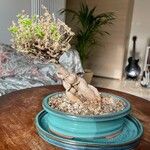
Trichodiadema bulbosum
Pink ice plant · Carpet weed · African bonsai
Description
Source: wikipedia (CC BY-SA)Trichodiadema bulbosum is a succulent plant of the genus Trichodiadema, native to South Africa.
Care Guide
💧 Water
African bonsai plants flourish in arid climates due to their impressive drought tolerance, needing water only once every two weeks. They thrive in well-draining soil, which helps prevent root rot, making them a resilient and low-maintenance option. These characteristics make African bonsai an excellent choice for indoor plant enthusiasts looking to add an exotic touch to their collection.
☀️ Light Full sun
African bonsai flourishes when it receives an ample amount of sunlight, contributing to its robust health. It may not be adversely affected by too much sun. Similarly, a decrease in sun exposure won't stunt its growth. Since it originates from a sun-rich habitat, it easily adapts to all stages of growth within this light spectrum.
🌡️ Temperature 20–37.8°C
The African bonsai comes from regions where the temperature fluctuates from 68 to 100 °F (20 to 38 ℃). This plant grows best under these conditions, and prefers a spot that is warm and sunny. In cooler months, attempt to keep the temperature above 68 °F (20 ℃) to emulate the climate it's used to.
💨 Humidity
🪴 Soil 6-7
🌱 Fertilizer
For bonsai trees native to Africa, it is adequate to apply mild amounts of fertilizer 1-2 times annually during the growth period. It's best to refrain from fertilization during winter and summer seasons when the plant is in a dormant state. For plants that have been repotted, trimming back on the fertilizer and waiting a few months post repotting before introducing fertilizer is advised. The act of fertilizing aids in promoting vigorous growth and stimulates flowering.
🪴 Pot & Repot Every 2 years
When transferring an African bonsai to a different pot, select a pot that is a bit larger than the current one and comes with adequate drainage. Use a well-draining, gritty succulent, or cactus mix for replanting. Gently extract the plant from its former pot, brush away the extra soil, and reestablish it at an equivalent depth. Allow a couple of days before watering it to let any damaged roots recover. Reposition in a well-lit area and repot during the spring or fall.
✂️ Pruning
To maintain the shape of an African bonsai, prune any unnecessary or dense branches during the spring and autumn. Use a knife or scissors for this task. When propagating, choose sturdy stems with 5-6 leaves. Apply sulfur powder to the cut area and allow it to heal before planting. Ensure the soil remains slightly moist.
🌿 Propagating
🐛 Diseases & pets
☠️ Toxicity
Characteristics
- Plant Type
- Succulent
- Life Cycle
- Perennial
- Genus
- Trichodiadema
- Family
- Aizoaceae
- Hardiness Zone
- 9-11
- Mature Height
- 40 cm
- Mature Spread
- 40 cm
- Leaf Color
- Green, White, Gray, Red
- Leaf Type
- Evergreen
- Flower Color
- Pink
- Flower Size
- 2.03 cm to 3.05 cm
- Bloom Time
- Mid spring, Late spring, Early summer
- Planting Time
- Spring, Summer
- Harvest Time
- Summer
- Native Area
- South Africa