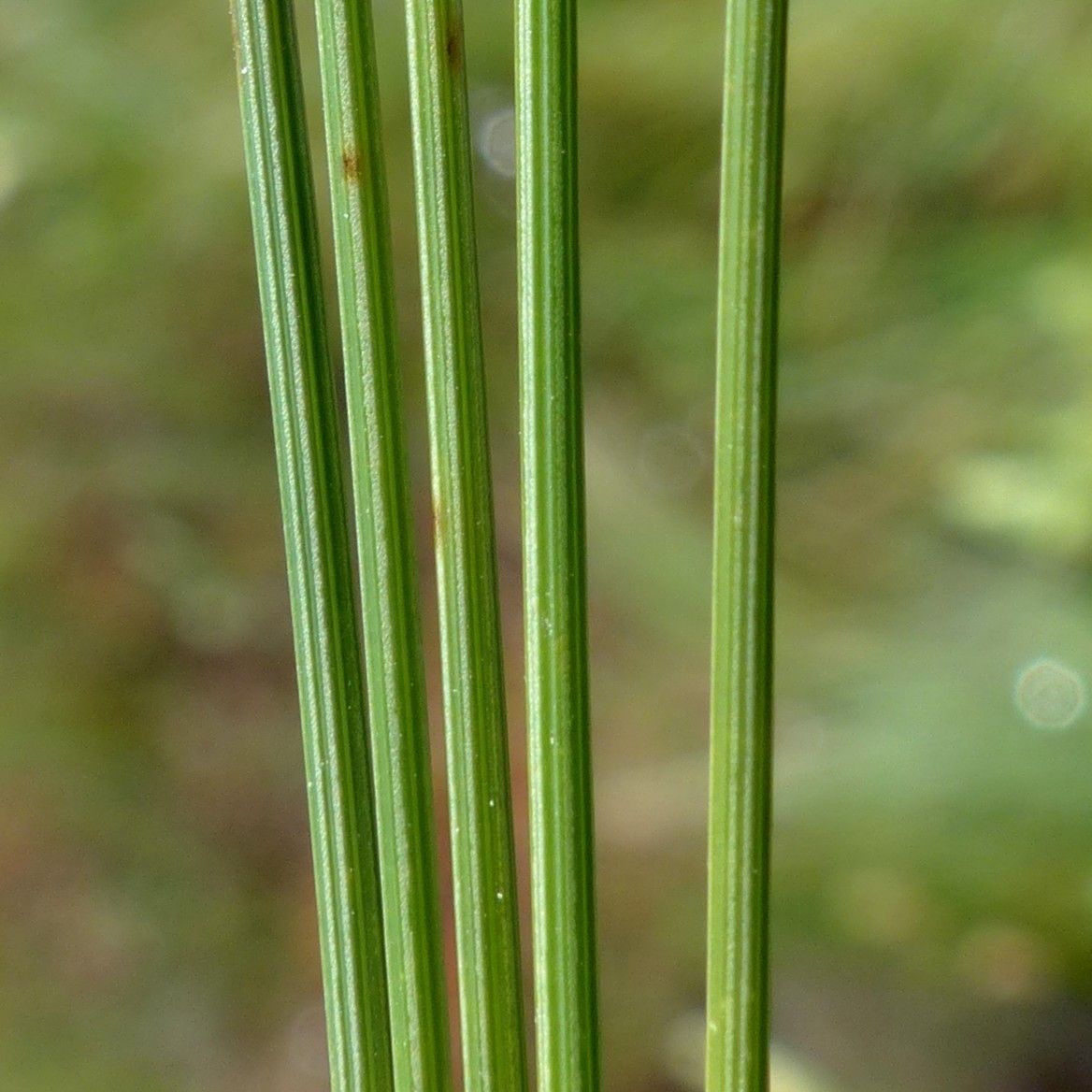
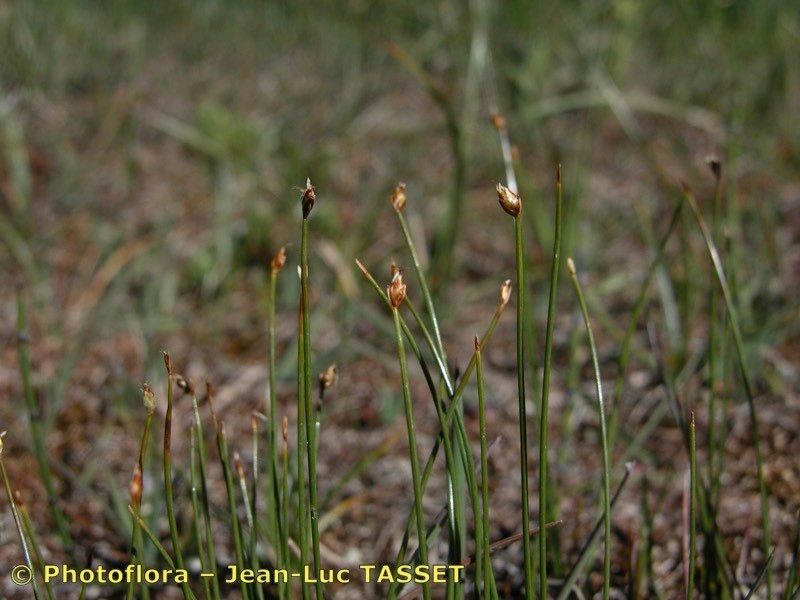
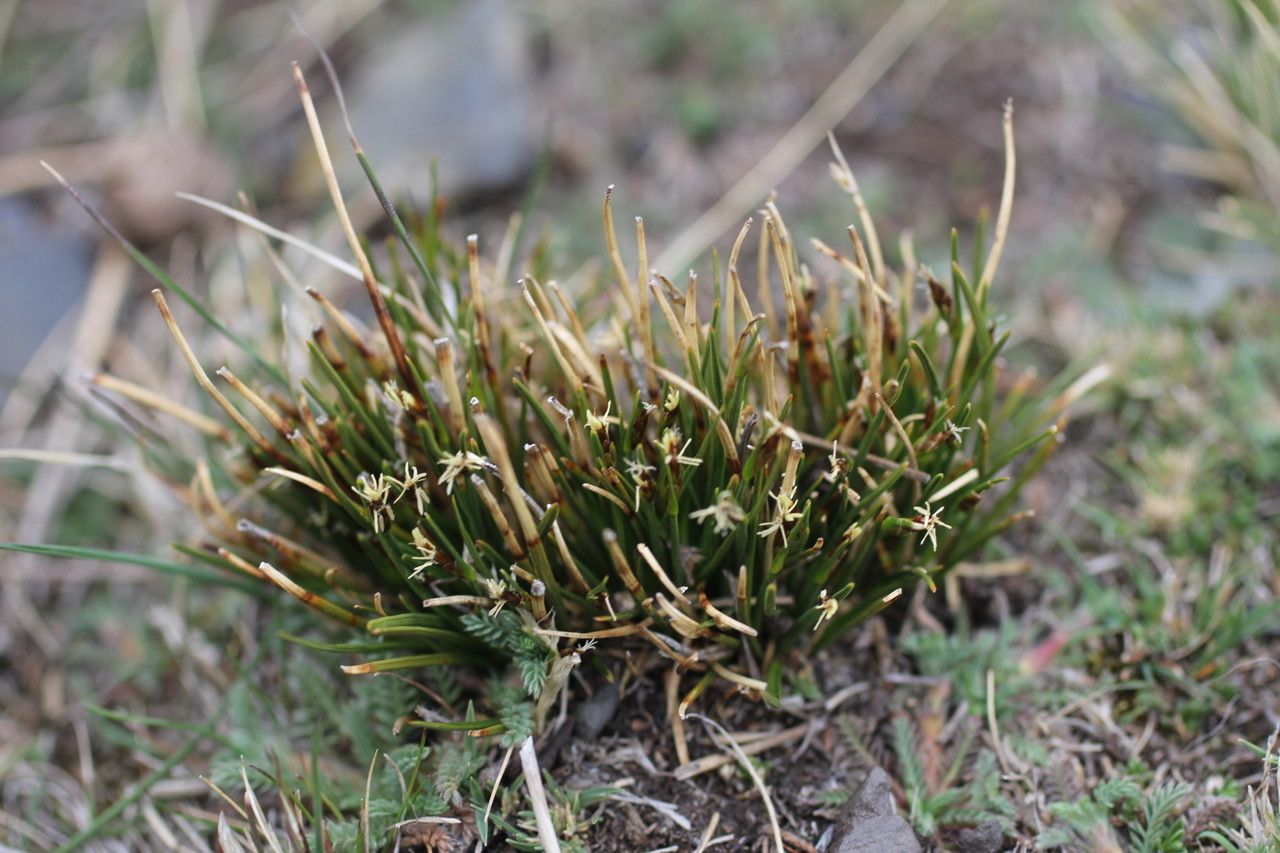
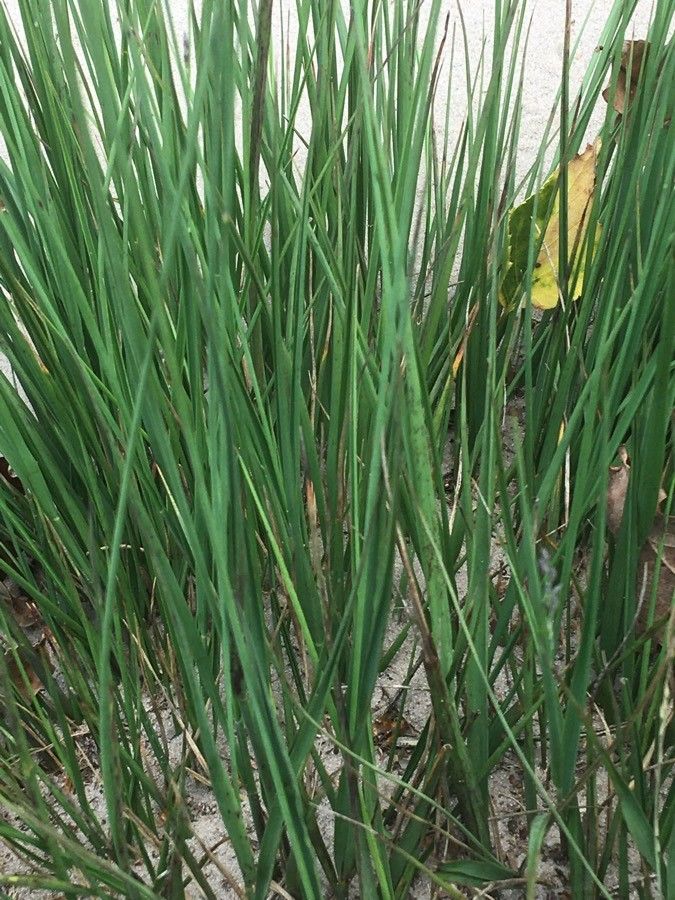
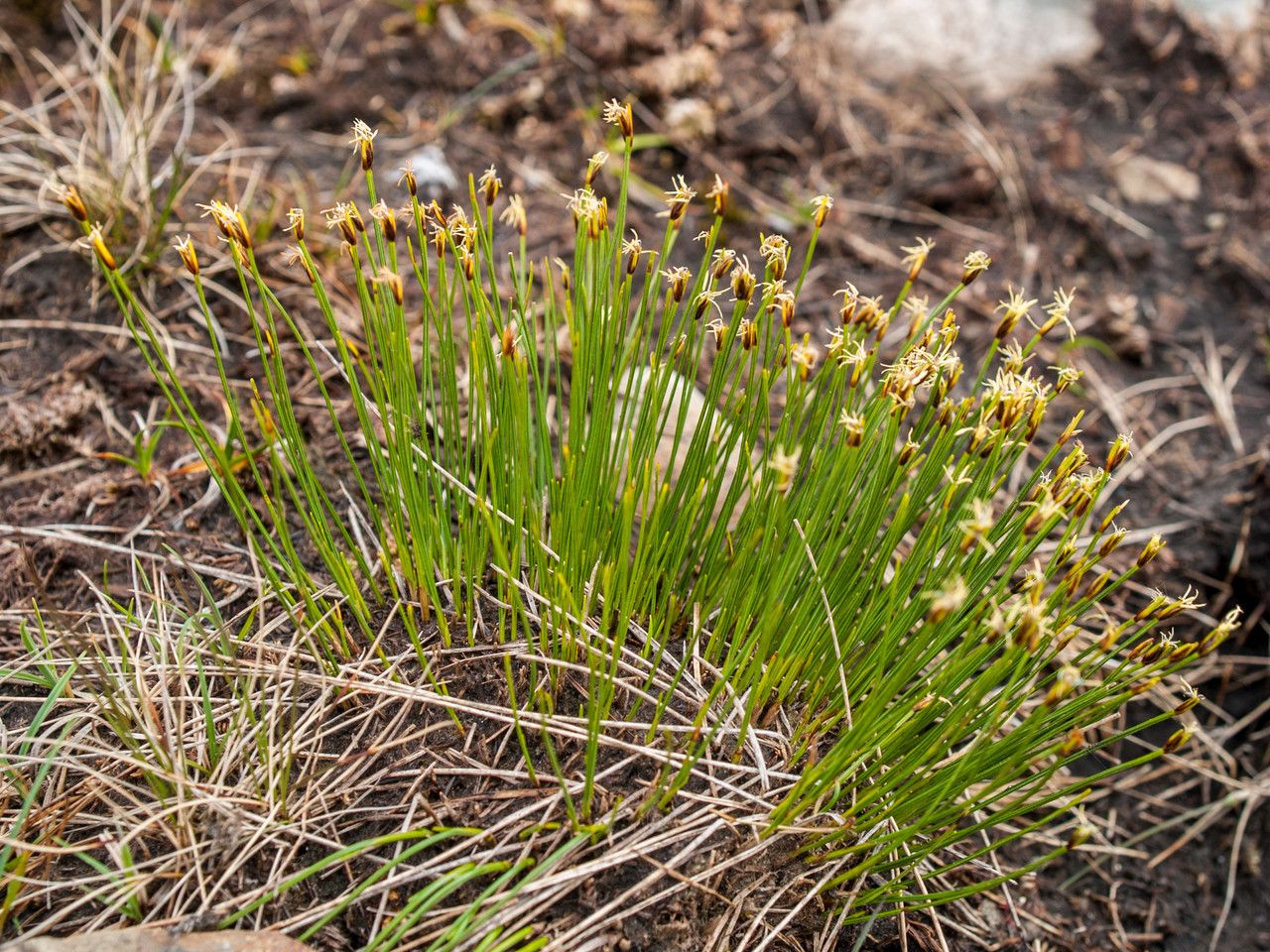
Trichophorum cespitosum, commonly known as deergrass or tussock grass, is a perennial plant species in the Cyperaceae family. Native to Europe and Asia, it thrives in wetlands, bogs, and marshes. This plant has a tufted growth habit with slender stems that can reach up to 60 cm in height. Its leaves are narrow, grass-like, and bluish-green in color.
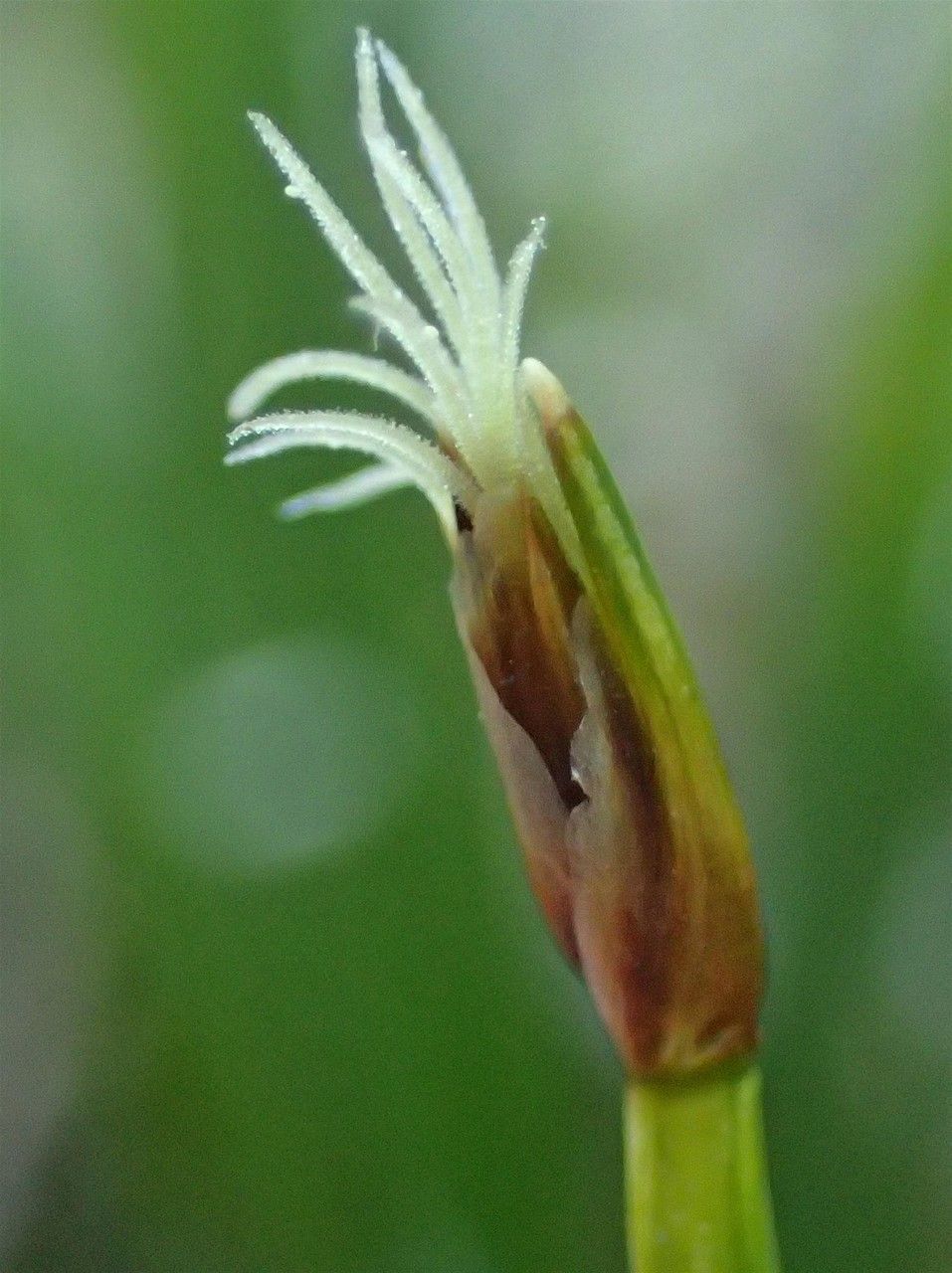
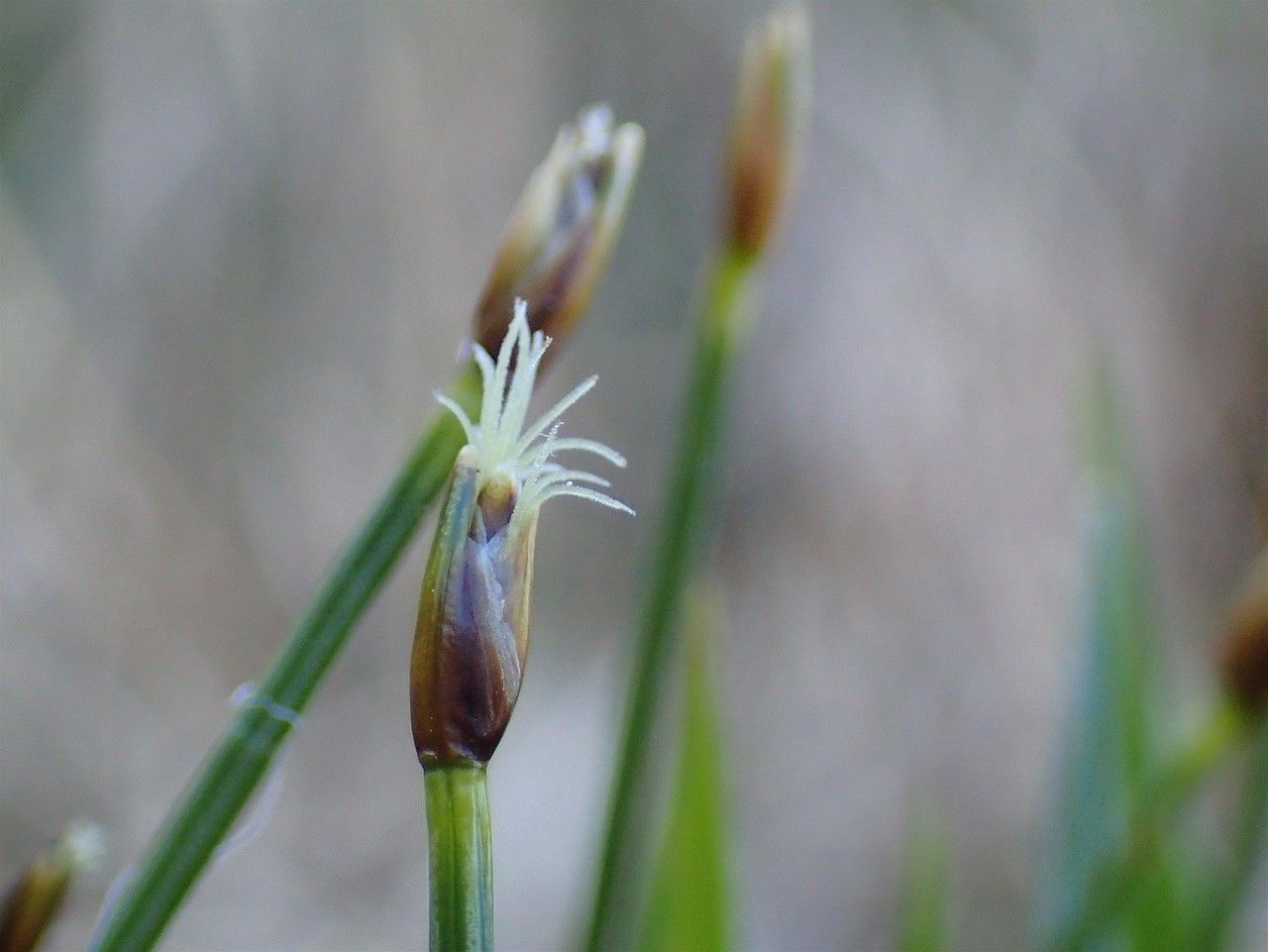
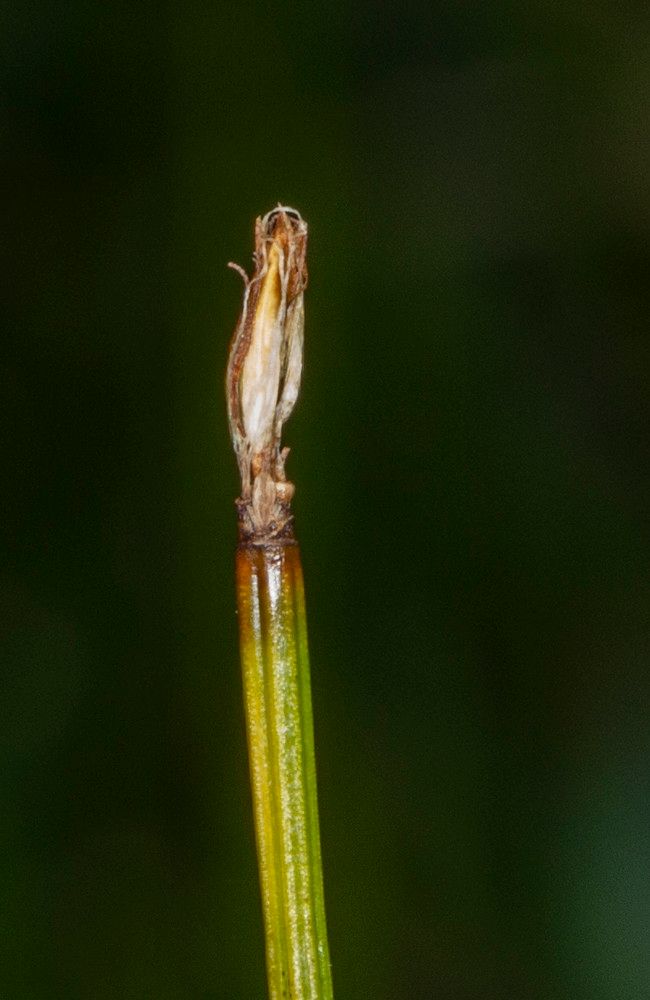
The flowers of Trichophorum cespitosum are small and inconspicuous, with brownish-green spikelets that appear from May to July. The plant produces small seeds that are dispersed by wind or water.
Traditionally, deergrass has been used for various medicinal purposes, such as treating wounds, fever, coughs, and rheumatism among indigenous people of Europe.
Trichophorum cespitosum plays a crucial role in wetland ecosystems by providing habitat for wildlife, including birds and insects. Additionally, it helps prevent soil erosion by stabilizing the soil through its extensive root system.
Overall, Trichophorum cespitosum is an important wetland species due to its ecological significance and traditional medicinal uses. It presents an intriguing subject for further research on ecological conservation and potential medical applications.
In the Home
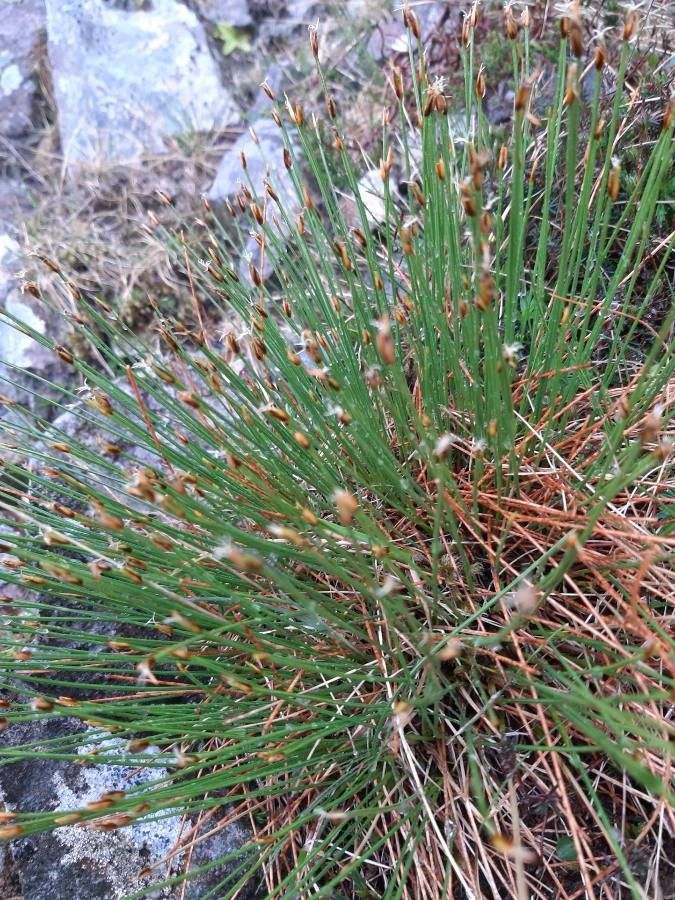
Tufted bulrush has strong resistance to disease and is generally not susceptible to illnesses. In terms of care, this plant is fairly low-maintenance. When grown outdoors it needs minimal watering, and larger plants typically do not require pruning. Smaller plants, however, should be pruned after they finish blooming. Tufted bulrush is suitable for anyone with an outdoor area, such as a garden or deck, and does not require extensive plant-care experience.