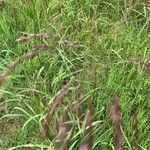
Tridens flavus
Redtop · Purpletop · Purpletop tridens · Tall redtopgrass
Description
Source: leafsnapTridens flavus, commonly known as purpletop tridens or redtop tridens, is a warm-season perennial grass native to North America. It is typically found in prairies, meadows, and open woodlands across the eastern and central regions of the United States. This grass can grow up to 6 feet tall and has long, narrow leaves that are either green or bluish-green. Its inflorescence is a dense, spike-like panicle that can reach up to 8 inches in length, adorned with purple or reddish-brown flowers. Tridens flavus is a valuable forage plant for livestock, offering high-quality grazing during the summer months when other grasses are less productive. It also serves as a crucial food source for wildlife, including deer, rabbits, and birds. Beyond its ecological significance, Tridens flavus has been used medicinally by Native American tribes for its anti-inflammatory properties. Overall, Tridens flavus plays an essential role in maintaining healthy ecosystems while providing valuable resources for both livestock and humans.
Care Guide
💧 Water Every 7 days
Purpletop tridens thrives in grasslands and has a moderate tolerance to drought. To support its growth, regular weekly watering is beneficial, especially in regions where it can also receive natural rainwater. Its vitality improves when seasonal rains coincide with its preferred watering schedule.
How should I water my Purpletop tridens?
To properly care for the Purpletop tridens plant, it is recommended to water it with filtered water at room temperature. Tap water may contain harmful particles that could affect the plant's health. Since the Purpletop tridens is adapted to warm environments, it is important to avoid using cold water, which could be a shock to the plant's system. It is best to water the plant by applying filtered room temperature water directly to the soil, avoiding overhead watering that can cause issues with the foliage. The goal is to thoroughly soak the soil, as this helps moisten the roots and allows them to spread and absorb necessary nutrients.
What do I need to do if I give too much or too little water to my Purpletop tridens plant?
Both overwatering and underwatering can harm your Purpletop tridens, but overwatering is more common. When this plant gets too much water, its stems and leaves may wilt and turn yellow. Overwatering for a long time can also cause diseases like root rot, mold, and mildew, which can kill your plant. Purpletop tridens is less likely to be underwatered because it can handle drought. However, underwatering can still happen, and you'll notice brittle, brown leaves. It's important to recognize signs of overwatering quickly. Some diseases caused by overwatering, like root rot, might be irreversible if you wait too long. If you see early signs of overwatering, reduce watering right away. Check the soil too. If it doesn't drain well, replace it with loose, well-draining potting mix. If you see signs of underwatering, simply water more often until the signs go away.
How frequently should I water my Purpletop tridens?
If your Purpletop tridens plant is in a pot, you can determine if it needs water by sticking your finger into the soil. If the top two to three inches are dry, it's time to water it. If you grow your Purpletop tridens outdoors in the ground, you can use the same method to test the soil. Once the first few inches of soil have dried out, it's time to water the plant. Generally, during spring and early fall, watering once a week is sufficient. However, in extremely hot weather, you may need to water twice a week or more. It's worth noting that mature, well-established Purpletop tridens plants can tolerate drought well.
How much water does my Purpletop tridens plant need?
To properly water your Purpletop tridens, be generous with the amount of water you provide. Make sure the top two to three inches of soil are dry before watering. It's best to water the plant thoroughly, making sure to soak the entire soil. If excess water doesn't drain from the pot, you might be underwatering the plant. However, avoid letting the water accumulate in the soil, as it can harm the plant. If water doesn't drain properly from the pot, it could indicate poorly draining soil, which is not good for the plant's health. If the plant is outdoors, it needs about 1 inch of rain per week.
How do I water my Purpletop tridens plant as it grows?
The water needs of the Purpletop tridens can vary based on its growth stages. In the initial years or after transplanting, it requires more water due to the focus on developing new roots. These roots need additional moisture to support future growth. However, as the plant matures, its water requirements decrease. Additionally, during the bloom period, more water may be needed to support flower development.
☀️ Light Full sun
Purpletop tridens does best with plentiful light, which supports vigorous growth. Native to environments with strong sunlight, it tolerates lower light levels. Nevertheless, if the light is either too dim or excessively intense, its growth may suffer.
What are the sunlight requirements for Purpletop tridens?
Purpletop tridens thrives under conditions of full sun to partial sun. Full sun exposure means the plant should receive more than 6 hours of sunlight daily, while partial sun refers to about 3-6 hours of sunlight. It's crucial to observe how sunlight moves through your garden to choose locations that offer an ideal balance of light and shade, ensuring the plant's well-being. Originating from environments with significant solar exposure, Purpletop tridens adapts well to various light conditions, promoting healthy growth. Yet, insufficient or overly intense light may hinder its development.
How can artificial lighting be used for indoor Purpletop tridens plants?
Indoor Purpletop tridens plants require adequate lighting for optimal growth, especially when natural sunlight is insufficient, such as in winter or less sunny spaces. Artificial lights, like LED lights that can provide specific wavelengths, serve as an effective solution. Depending on the light needs of the plant, akin to full sun, partial sun, or full shade, the intensity of artificial light should range between 10-50W per square foot. The light source should be placed 12-36 inches above the plant, and the duration of light exposure should mimic natural daylight hours, usually 8-12 hours a day.
What are the symptoms of light deficiency or excessive light exposure in Purpletop tridens?
Symptoms of inadequate lighting in Purpletop tridens include smaller new leaves, leggy or sparse growth, faster leaf-drop, delayed or halted growth, and paler new leaves. Excessive sunlight exposure can lead to chlorosis, sunscald, leaf curling, wilting, and leaf scorching. These symptoms range from the plant losing its vibrant color and vigor due to insufficient light, to physical damage and reduced health from too much direct sunlight. Identifying these symptoms early can help in implementing corrective measures to restore plant health.
What are the solutions for light-related issues in Purpletop tridens?
To address light-related issues in Purpletop tridens, gradual adjustments to lighting conditions are crucial. For indoor plants, progressively moving them to sunnier spots or utilizing artificial lighting, such as desk or ceiling lamps for at least 8 hours daily, can ensure they receive sufficient sunlight. For outdoor plants, adjusting their position to progressively sunnier locations helps them acclimate without the risk of sunburn. Reducing obstructions like overhanging branches and, if feasible, transplanting smaller plants during their dormant period to sunnier spots can significantly improve light exposure. It's important to remember that while parts of the plant affected by poor lighting may not recover, new growth will be healthy with improved lighting conditions.
🌡️ Temperature 5–35°C
Purpletop tridens originates from habitats with temperatures between 41 and 95 °F (5 to 35 ℃). It performs best when kept within that temperature range. Across seasons, maintain a steady temperature inside its preferred range for optimal growth.
What is the native environment and optimal temperature range for Purpletop tridens?
Purpletop tridens, also known by its botanical name Tridens flavus, is native to environments where temperatures fluctuate between 41 to 95 °F (5 to 35 °C). It thrives best within this temperature range, indicating a preference for consistency in temperature throughout the different seasons for optimal growth. Maintaining a temperature within this specified range is crucial for the plant's health and development.
Is Purpletop tridens cold-resistant, and how should it be protected during winter?
Purpletop tridens exhibits strong cold resistance, meaning special frost protection measures are not typically required. Despite this strong resistance, protection is advised if winter temperatures are expected to fall below -30°C. Protection can be provided by covering the plant with soil or straw. Before the onset of the first freeze in autumn, it's recommended to water the plant abundantly, so the soil remains moist and freezes in this state, helping prevent drought and water scarcity for the plant during the winter and early spring.
What are the symptoms and solutions for Purpletop tridens when exposed to low temperatures?
Purpletop tridens is cold-tolerant and should be maintained at temperatures above 5°C during winter, avoiding exposure below -25°C. If temperatures fall below -30°C, while initial changes may not be apparent in winter, the plant might exhibit decreased sprouting or fail to sprout at all in spring. The solution for any parts of Purpletop tridens that have failed to sprout due to cold exposure is to remove these parts in spring.
How does high temperature affect Purpletop tridens, and what measures should be taken?
In the summer, it is crucial to ensure that Purpletop tridens is not exposed to temperatures exceeding 35°C. Exposure to temperatures above 38°C can result in lighter leaf coloration, increased susceptibility to curling, sunburn, and, in severe cases, wilting and drying of the plant. To mitigate these issues, it's advised to trim away sunburned and dried-up parts of the plant, relocate it to a shaded area particularly during the midday and afternoon sun, or use shade cloth. Additionally, watering the plant in the morning and evening helps keep the soil moist and can prevent further stress from high temperatures.
💨 Humidity
🪴 Soil 6-7
🌱 Fertilizer
Usually one spring fertilizer application is enough for Purpletop tridens, though repeated feedings can optimize growth. Apply fertilizer about every month to a month and a half. Fertilizing improves the look and function of the leaves, helping maintain even color and a healthy texture. It also promotes root development and nutrient uptake for lasting plant health.
🪴 Pot & Repot
✂️ Pruning
Purpletop tridens showcases tall, purplish flower spikes and benefits from pruning in early spring. To encourage growth, trim away dead stems, and to prevent excessive seed dispersal, remove spent blooms. Maintaining optimal plant health and ornamental appeal can be achieved by using clean tools, which also helps control the plant's spread.
🌿 Propagating
🐛 Diseases & pets
☠️ Toxicity
Characteristics
- Plant Type
- Herb
- Life Cycle
- Perennial
- Genus
- Tridens
- Family
- Poaceae
- Hardiness Zone
- 4-9
- Mature Height
- 0.91 m to 1.52 m
- Mature Spread
- 30 cm to 91 cm
- Leaf Color
- Green, Blue
- Leaf Type
- Deciduous
- Flower Color
- Purple, Violet
- Flower Size
- 0.51 cm to 1.27 cm
- Bloom Time
- Mid summer
- Planting Time
- Spring, Summer
- Harvest Time
- Mid summer, Late summer
- Native Area
- Georgia, Mexico