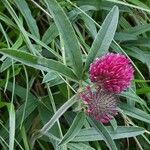
Trifolium alpestre
Owl-head clover · Purple-globe clover · Alpine trefoil · Mountain zigzag clover · Owl-headed flower
Description
Source: leafsnapTrifolium alpestre, the owl-head clover or purple-globe clover, is a species of flowering plant in the family Fabaceae, native to central, southern and eastern Europe, the Caucasus, Turkey, and Iran. It reproduces both clonally and by seed.
Care Guide
💧 Water Every 7 days
Purple globe-clover flourishes in moist environments, needing consistently hydrated soil. To maintain the ideal moisture levels, water it weekly. As a herbaceous perennial, purple globe-clover is well-suited for temperate climates where rainfall naturally meets its watering requirements.
How can I water my Purple globe-clover properly?
To properly water the Purple globe-clover, it is best to use filtered water at room temperature or slightly warmer. Tap water may contain harmful particles that can affect the plant. The Purple globe-clover is native to warm environments, so cold water may shock it. It is also advisable to avoid overhead watering as it can cause issues with the foliage. Instead, it is recommended to thoroughly water the soil with the filtered room temperature water until it is completely saturated. This helps to moisturize the roots and aid their spread in the soil for nutrient absorption.
What do I need to do if I give my Purple globe-clover too much water or too little water?
The health of your Purple globe-clover can be negatively affected by both overwatering and underwatering, but overwatering is more common. When this plant gets too much water, its stems and leaves may wilt and turn yellow. Overwatering for a long period can also lead to diseases like root rot, mold, and mildew, which can be fatal to the plant. Purple globe-clover is generally more drought tolerant, so underwatering is less likely, but still possible. When underwatering occurs, the leaves may become brittle and brown. It is important to recognize the signs of overwatering early on so that diseases like root rot can be addressed. If you notice these signs, reduce your watering schedule and check the quality of the soil. If the soil drains poorly, replace it with a loose, well-draining mix. If you suspect underwatering, water the plant more regularly until the signs improve.
How often do I need to water my Purple globe-clover plant?
If your Purple globe-clover is in a pot, the most precise way to determine if it needs water is by checking the soil. Stick your finger into the soil and if the first two to three inches are dry, it's time to water it. If your Purple globe-clover is planted outdoors in the ground, you can use a similar method. Once the first few inches of soil have dried out, it's time to give it water. Typically, during spring and early fall, it's recommended to water this plant about once a week. However, in extremely hot weather, you may need to water it twice a week or more. It's worth mentioning that mature and well-established Purple globe-clover plants have an impressive ability to withstand drought.
How much water does my Purple globe-clover plant need?
To properly water your Purple globe-clover, it's important to be generous with the amount of water you provide. When the top two to three inches of soil are dry, it's time for a thorough watering. Make sure to water the plant enough so that the soil is completely soaked. You'll know you've added enough water if it starts to drain out of the pot through the drainage holes. If you don't see any excess water draining, it means you haven't watered enough. However, be careful not to let water accumulate in the soil as it can harm the plant. On the other hand, if water doesn't drain well, it could be a sign of poorly draining soil, which is not good for the plant. If the plant is outdoors, it generally needs about one inch of rain per week.
How do I water my Purple globe-clover at different times as it grows?
The water needs of the Purple globe-clover change throughout its growth stages. When the plant is young or has been recently transplanted, it requires more water due to the energy it devotes to developing roots for future growth. These roots perform better with a higher moisture level. As the plant matures, it will require less water. Additionally, during the bloom period, the plant may need extra water to support flower development.
☀️ Light Full sun
Purple globe-clover prefers spots where it gets uninterrupted sunlight for most of the day. Still, it can thrive in areas with lighter sun exposure. Because it originates from alpine environments, it does well under strong solar radiation, which helps its growth and overall vitality. Too little light can slow its growth, while too much can lead to wilting.
What are the sunlight requirements for Purple globe-clover?
Purple globe-clover requires full sun, defined as more than six hours of direct sunlight daily, to thrive and show optimal growth. It can also survive in partial sun, which means it gets about 3-6 hours of sunlight each day. Despite its preference for ample sunlight due to its alpine origins, which makes it well-adapted to intense solar radiation, Purple globe-clover can manage in areas with lighter sun exposure. However, insufficient sunlight can hinder its growth, while too much direct exposure without relief can cause wilting. It's crucial to observe the movement of sunlight in your garden to identify spots that offer a balanced environment for your plants.
How can artificial lighting be used for indoor Purple globe-clover plants?
Indoor Purple globe-clover plants benefit significantly from artificial lighting, especially when natural sunlight is insufficient. During less sunny seasons or in spaces that don’t receive enough sunlight, artificial lights such as LEDs are recommended. They can be customized to meet the specific light wavelength needs of plants. For full sun plants like the Purple globe-clover, 30-50W/sq ft of artificial light is required. The lights should be placed 12-36 inches above the plants, mimicking natural sunlight conditions and adjusted to provide 8-12 hours of light daily to promote healthy growth.
What signs indicate that Purple globe-clover is receiving inadequate light?
Symptoms of inadequate lighting in Purple globe-clover include smaller new leaves, leggy or sparse growth, premature leaf drop, and delayed or halted new growth. These signs indicate that the plant might not be receiving enough sunlight. Furthermore, insufficient light can cause leaves to develop lighter coloration or chlorosis - a condition where leaves turn yellow due to a lack of chlorophyll, impacting the plant’s ability to photosynthesize. Chlorosis, sunscald, leaf curling, wilting, and leaf scorching may also occur from improper light exposure, signaling a need to adjust the plant’s light environment.
How can I address lighting issues for an indoor or outdoor Purple globe-clover plant?
To address lighting issues for Purple globe-clover plants, indoors adjustments include gradually moving the plant to a location with at least 6 hours of direct sunlight daily, using south-facing windows for maximum sunlight, and supplementing with artificial light if necessary. Outdoors, gradually introduce your plant to sunnier spots to adapt without getting sunburned. Reducing obstructions like trees by pruning can increase sunlight exposure. If repositioning or light adjustment is not feasible, consider transplanting smaller plants to a sunnier location during their dormant period for better growth. Note that damaged parts of the plant from low light may not recover, but new growth should be healthy with adjusted light conditions.
🌡️ Temperature 10–35°C
Purple globe-clover tolerates a broad range of temperatures, preferring climates between 50 to 95 °F (10 to 35 ℃). An initial environment resembling its native temperature is ideal. Seasonal adjustments in varied environments can help it thrive.
What is the ideal temperature range for Purple globe-clover to thrive?
Purple globe-clover adapts well to a wide range of temperatures, thriving best in climates that are between 50 to 95 °F (10 to 35 °C). Originally native to environments within these temperature ranges, it can make seasonal adjustments in various climates to ensure growth. It possesses strong cold resistance, negating the need for special frost protection in most cases. However, in exceptionally cold winters where temperatures drop below -25°C, it's crucial to provide protection by covering the plant with soil or straw. To prepare for winter, watering the plant abundantly before the first freeze is recommended, helping to maintain moisture in the soil and preventing drought during the colder months.
How does Purple globe-clover react to low temperatures and what measures should be taken?
Purple globe-clover is cold-tolerant, performing best when the temperature remains above 10°C. During winter, it's advisable to keep it above -15°C. If temperatures fall below -25°C, you might not see any immediate damage during winter; however, you could experience reduced sprouting or even a complete lack of sprouting in spring. The primary solution for any parts of the plant that fail to sprout in spring is removal, ensuring the healthy growth of the remainder.
What should be done if Purple globe-clover experiences high temperatures?
During the hotter summer months, it is important to keep the Purple globe-clover's exposure to temperatures below 35°C to prevent stress. Should temperatures surpass 38°C, the plant's leaves may lighten, curl, become prone to sunburn, and in severe instances, the plant could wilt and dry out completely. To mitigate these risks, sunburned or dried parts should be trimmed away; relocate the plant to a shaded area during peak sun hours or use shade cloth to protect it. Ensuring the soil remains moist by watering in the morning and evening is also crucial during high temperatures.
💨 Humidity
🪴 Soil 6-7
🌱 Fertilizer
For Purple globe-clover, the primary time to apply fertilizer is in early spring while the flowers are developing. The appropriate fertilizer promotes stronger blooms and helps Purple globe-clover produce attractive flowers. Fertilizing in early spring ensures excellent flowers throughout the season and supplies energy for dormant growth stages.
🪴 Pot & Repot
✂️ Pruning
Purple globe-clover, known for its vibrant, spherical flower clusters, needs proper care to thrive. Begin by pruning the plant in early to mid-spring to remove dead stems and shape it effectively. This practice promotes air circulation and encourages healthy blooms. Regular pruning helps reduce the risk of disease and supports vigorous flowering. For the best results, consult trustworthy horticultural sources for optimal care tips.
🌿 Propagating
🐛 Diseases & pets
☠️ Toxicity
Characteristics
- Plant Type
- Herb
- Life Cycle
- Perennial
- Genus
- Trifolium
- Family
- Fabaceae
- Hardiness Zone
- 6-9
- Mature Height
- 20 cm to 49 cm
- Mature Spread
- 15 cm to 25 cm
- Leaf Color
- Green, Dark Green
- Leaf Type
- Deciduous
- Flower Color
- Purple
- Flower Size
- 1.52 cm to 2.03 cm
- Bloom Time
- Early summer, Mid summer
- Planting Time
- Spring, Summer
- Harvest Time
- Late summer, Early fall
- Native Area
- Turkey, Austria, Czech Republic, Slovakia, Montenegro, Bulgaria, Armenia, Poland, Greece, Croatia, Slovenia, Belarus, Ukraine, Serbia, Russia, Lithuania, Hungary, Germany, Italy, Switzerland, Denmark, Estonia, Iran, Albania, Azerbaijan, Romania, Latvia, Belgium, Moldova, France