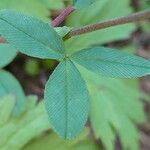
Trifolium badium
Brown clover · Brown trefoil
Description
Source: leafsnapTrifolium badium, commonly known as Brown Clover, is a species of flowering plant in the Fabaceae family. Native to Europe and western Asia, it has also been introduced to North America. The plant typically reaches a height of up to 50 cm and features trifoliate leaves with oval-shaped, green leaflets. Its small, pinkish-brown flowers are arranged in dense clusters at the ends of long stalks. Trifolium badium thrives in well-drained, nutrient-rich soils but can tolerate a wide range of soil types. It grows best in full sun or partial shade and is also drought-tolerant. Brown Clover is an important forage crop for livestock because it provides high-quality feed with a high protein content. Additionally, it improves soil fertility by fixing atmospheric nitrogen into the soil. In traditional medicine, Trifolium badium has been used for its anti-inflammatory properties and as a treatment for respiratory ailments such as coughs and bronchitis. Overall, Trifolium badium is a valuable plant species, offering benefits for both agriculture and medicine.
Care Guide
💧 Water Every 3 days
Brown clover, native to temperate regions, flourishes in consistently moist, well-drained soil and needs weekly watering to stay healthy. Once it is established, it can tolerate moderate drought conditions. Mulching around the plants outdoors helps retain moisture and protect them from temperature fluctuations, supporting their growth cycles.
How should I water my Brown clover plant?
To ensure the health of Brown clover, it is crucial to water it properly. It is recommended to use filtered water at room temperature for this plant. Tap water may contain harmful particles that can negatively affect its health. Additionally, it is important to avoid using cold water as it can shock the plant, considering that Brown clover originates from warm environments. It is advised to refrain from overhead watering as it can lead to issues with the foliage. Instead, the filtered room temperature water should be applied directly to the soil until it is completely saturated. This method benefits the plant by providing moisture to the roots and facilitating their growth and nutrient absorption.
What should I do if I give too much or too little water to my Brown clover plant?
Overwatering is a more common issue than underwatering and can harm your Brown clover plant. When Brown clover receives too much water, its stems and leaves can wilt and turn yellow. Overwatering for a long time can also cause diseases like root rot, mold, and mildew, which can kill the plant. While underwatering is less likely for Brown clover due to its drought tolerance, it's still possible. When underwatering occurs, the leaves can become brittle and brown. It's important to recognize signs of overwatering early on. Some diseases caused by overwatering, such as root rot, may be irreversible if you wait too long. If you see early signs of overwatering, decrease your watering schedule and check the soil quality. Replace poorly draining soil with loose, well-draining potting mix. If your Brown clover shows signs of receiving too little water, water more regularly until the signs improve.
How often do I need to water my Brown clover?
If your plant is in a pot, the best way to determine if your Brown clover needs water is to check the soil with your finger. If the top two to three inches of soil feel dry, then it's time to water the plant. For Brown clover grown outdoors in the ground, the same method can be used. When the first few inches of soil have dried out, it's time to water the plant. Typically, during spring and early fall, watering once a week is sufficient. However, during hot weather, you may need to water the plant twice a week or even more. That being said, mature and well-established Brown clover plants can handle periods of drought quite well.
How much water does my Brown clover plant need?
To properly water your Brown clover, don't hold back on the amount of water. When the top two to three inches of soil are dry, give it a good, deep watering. Make sure to thoroughly soak the soil, allowing any excess water to drain through the holes at the bottom of the pot. If you don't see any excess water draining, you may have not given enough water. However, be careful not to let the water accumulate in the soil, as this can harm the plant. If you notice that water is not draining well through the pot, it may indicate that the soil is not draining properly, which is not favorable for the health of the plant. If the plant is outside, 1 inch of rain per week should be enough.
How do I water my Brown clover at different stages of growth?
The water needs of Brown clover can vary depending on its growth stages. In the first few years or after transplanting to a new location, it requires more water. During this time, Brown clover focuses on developing new roots for future growth, which thrive with additional moisture. As the plant matures, it will require less water. Additionally, during the blooming period, Brown clover requires more water due to the demands of flower development.
☀️ Light Full sun
Brown clover is a perennial herbaceous species that favors sunny locations and comes from open habitats, frequently flourishing in meadows and grasslands. It prefers full sun but is able to tolerate partial sun conditions.
What are the sunlight requirements for Brown clover?
Brown clover, scientifically known as Trifolium badium, thrives in full sun, requiring above 6 hours of sunlight daily for optimal growth. However, it can also tolerate partial sun conditions, which means it can grow well with about 3-6 hours of sunlight per day. It's important to observe how sunlight moves through your garden to find spots that offer a perfect balance of light and shade, ensuring the plant's health and happiness.
How should I use artificial lighting for Brown clover indoor plants?
When natural sunlight is insufficient for your Brown clover indoor plants, especially in winter or less sunny spaces, artificial lighting becomes essential. LED lights are recommended due to their ability to provide specific wavelengths needed by plants. For full sun plants, 30-50W per square foot is suitable; partial sun plants require 20-30W per square foot. Position the light source 12-36 inches above the plant, emulating natural sunlight and ensuring 8-12 hours of light per day to mimic natural daylight hours effectively.
What are the signs of inadequate lighting for Brown clover?
Brown clover plants show several symptoms when they receive inadequate lighting, including the growth of smaller new leaves compared to mature ones, leggy or sparse growth, premature leaf drop, delayed or halted new growth, and the development of lighter-colored or irregularly patterned new leaves. Conditions like chlorosis, sunscald, leaf curling, wilting, and leaf scorching can also arise from either insufficient or excessive sunlight exposure.
How can I address light-related issues for Brown clover plants?
To combat light deficiency in Brown clover plants, gradually increase their sunlight exposure to at least 6 hours daily. For indoor plants, use a south-facing window or provide additional artificial light for at least 8 hours daily. When dealing with outdoor plants, slowly transition them to sunnier spots to avoid sunburn. Pruning trees that obstruct sunlight or transplanting smaller plants to sunnier locations with good drainage can also help improve light exposure. It's noted that parts of the plant damaged by sunlight issues might not recover, but new growth will be healthy with better light conditions.
🌡️ Temperature 5–32.2°C
Brown clover can withstand a broad range of temperatures, but its distribution may still be restricted by different combinations of moisture and heat. It does best in warm summer conditions with sufficient rainfall or watering. Extended periods of cloudy, rainy weather and prolonged high temperatures can increase the chance of Brown clover dying. In winter, proper protection from cold can enhance the plant's survival.
What is the botanical name of Brown Clover?
The botanical name of Brown Clover is Trifolium badium. Despite its name, detailed information about its essential characteristics, symptoms related to it, or any additional insights are not provided in the available data.
💨 Humidity
🪴 Soil 6-7
🌱 Fertilizer
Usually one fertilizer application in spring is enough for Brown clover, although several feedings can increase growth. Apply every month to a month and a half. Fertilizing improves the leaves' appearance and function, helping maintain even color and a healthy texture. It also encourages root development and nutrient uptake for lasting plant health.
🪴 Pot & Repot
✂️ Pruning
Brown clover is a resilient plant with dense foliage. Pruning it from early to late spring helps remove dead stems and promotes new growth, enhancing both its shape and blooms. It's important to use clean, sharp tools during this process to prevent damage or infection. Regular pruning supports the overall health and visual appeal of brown clover.
🌿 Propagating
🐛 Diseases & pets
☠️ Toxicity
Characteristics
- Plant Type
- Herb
- Life Cycle
- Perennial
- Genus
- Trifolium
- Family
- Fabaceae
- Hardiness Zone
- 4-8
- Mature Height
- 10 cm to 30 cm
- Mature Spread
- 15 cm to 25 cm
- Leaf Color
- Green, Dark Green
- Leaf Type
- Deciduous
- Flower Color
- Brown
- Flower Size
- 1.02 cm to 2.03 cm
- Bloom Time
- Early summer, Mid summer
- Planting Time
- Spring
- Harvest Time
- Late summer, Early fall
- Native Area
- Turkey, Austria, Czech Republic, Slovakia, Montenegro, Bulgaria, Poland, Greece, Croatia, Slovenia, Ukraine, Serbia, Iraq, Germany, Italy, Spain, Switzerland, Iran, Albania, Romania, France