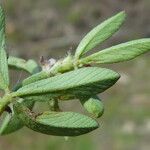
Trifolium bocconei
Boccone's clover · Twin-head clover · Twin-headed Clover · Twin-Flowered Clover
Care Guide
💧 Water
Twin-headed clover flourishes in Mediterranean climates and is known for its drought tolerance. For optimal growth, it prefers to be watered every two weeks. To prevent root rot, it's essential to plant it in well-draining soil, which should also mimic the seasonal rainfall patterns of its natural habitat. Be careful to avoid waterlogging, as this can harm its growth and overall health.
☀️ Light Full sun
Twin-headed clover is a sun-loving perennial herbaceous plant native to open habitats, where it often grows in meadows and grasslands. It prefers full sun but can also tolerate partial sun.
What are the sun requirements for a Twin-headed clover (Trifolium bocconei)?
Twin-headed clover (Trifolium bocconei) has specific sunlight requirements to thrive. For full sun exposure, the plant needs above 6 hours of sunlight daily. If it's partaking in partial sun conditions, about 3-6 hours of sunlight per day is necessary. It's important to watch how sunlight gracefully moves through your garden, choosing spots that provide the perfect balance of light and shade for your plants. This ensures their happiness and healthy growth.
🌡️ Temperature 15–35°C
Twin-headed clover can adjust to a broad range of temperatures, yet its distribution may still be constrained by certain combinations of moisture and heat. It does best in warm summers with adequate rainfall or watering. Long stretches of cloudy, rainy weather and extended high temperatures both raise the risk of Twin-headed clover dying. In winter, protecting it from cold can improve the plant's chances of survival.
What is the Twin-headed clover known scientifically?
The Twin-headed clover is scientifically known as Trifolium bocconei. This name helps in its identification and classification in the world of botany.
💨 Humidity
🪴 Soil 6-8
🌱 Fertilizer
One fertilizer application in spring is typically enough for Twin-headed clover, though repeated feedings can optimize growth. Apply fertilizer every four to six weeks. Fertilization improves the leaves' appearance and function, helping maintain even color and a healthy texture. It also promotes root development and nutrient uptake for sustained plant health.
🪴 Pot & Repot
✂️ Pruning
Twin-headed clover is distinguished by its unique twin-headed blooms. To promote healthy growth, thin out dead or weak stems in early spring. Later in the season, lightly prune the plant to maintain its shape and improve airflow. Regular pruning helps prevent disease and encourages abundant flowering. Be sure to use clean, sharp tools to minimize stress on the plant and ensure a vibrant display.
🌿 Propagating
🐛 Diseases & pets
☠️ Toxicity
Characteristics
- Plant Type
- Herb
- Life Cycle
- Perennial
- Genus
- Trifolium
- Family
- Fabaceae
- Hardiness Zone
- 7-10
- Mature Height
- 20 cm to 40 cm
- Mature Spread
- 30 cm to 61 cm
- Leaf Color
- Green
- Leaf Type
- Deciduous
- Flower Color
- Pink, White
- Flower Size
- 1.02 cm to 2.03 cm
- Bloom Time
- Late spring, Early summer
- Planting Time
- Spring, Summer
- Harvest Time
- Mid summer, Late summer
- Native Area
- Tunisia, Turkey, Montenegro, Bulgaria, Greece, Croatia, Morocco, Serbia, Lebanon, Portugal, Italy, Spain, Albania, United Kingdom, Algeria, France