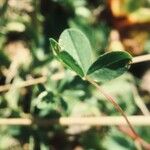
Trifolium fucatum
Puff clover · Sour clover · Bull clover · Buff clover
Description
Source: leafsnapTrifolium fucatum is a species of clover known by the common names bull clover and sour clover. It is native to the western United States (California and Oregon), where it grows in many types of habitat, becoming common to abundant in some areas. It is an edible species of clover.
🎭 A four-leaf clover brings great luck, and people say that wearing one in your hat will let you see fairies.
Care Guide
💧 Water
☀️ Light Full sun
Bull clover originates from bright, open environments and flourishes in full sun. It tolerates partial sun but favors direct sunlight for the best growth. This annual or biennial plant is noted for its sun-loving nature.
What are the sunlight requirements for Bull Clover (Trifolium fucatum)?
Bull Clover (Trifolium fucatum) thrives in specific lighting conditions to ensure its growth and health. It requires 'full sun' exposure, which means it should receive above 6 hours of sunlight daily. For areas that cannot fulfill this requirement, 'partial sun' is also acceptable, with the plant receiving about 3 to 6 hours of sunlight. It's important to observe how sunlight moves through your garden throughout the day. Choosing locations that offer a good balance of light and shade will contribute significantly to the well-being of your Bull Clover plants, keeping in mind the caution to watch for the right balance to ensure the plants' happiness.
🌡️ Temperature 15–35°C
Bull clover can tolerate a broad range of temperatures, although its distribution can still be restricted by different combinations of moisture and heat. It performs best in warm summer climates with sufficient rainfall or watering. Extended periods of cloudy, rainy weather or prolonged high temperatures raise the risk of Bull clover dying. In winter, protecting it from cold can increase its chances of survival.
What is Bull Clover?
Bull Clover, scientifically known as Trifolium fucatum, is a plant species with no provided essential information, symptoms, or additional details at this moment.
💨 Humidity
🪴 Soil 6-7
🌱 Fertilizer
When the majority of Bull clover’s flowers have fully opened, resume fertilizing. During the peak flowering period, feed it every three to four weeks, weather permitting. After Bull clover begins producing fewer new flowers, stop applying fertilizer; there’s no reason to fertilize when the plant can no longer produce more blooms.
🪴 Pot & Repot
✂️ Pruning
Bull clover benefits from selective pruning during its active growth period, which occurs from early to late spring. To encourage healthy flowering and reduce pest problems, remove any dead stems and thin out overcrowded areas to improve air circulation. Be sure to use clean, sharp tools to minimize plant damage and promote faster healing.
🌿 Propagating
🐛 Diseases & pets
☠️ Toxicity
Characteristics
- Plant Type
- Herb
- Life Cycle
- Annual
- Genus
- Trifolium
- Family
- Fabaceae
- Hardiness Zone
- 8-10
- Mature Height
- 20 cm to 49 cm
- Mature Spread
- 15 cm to 30 cm
- Leaf Color
- Light Green
- Leaf Type
- Deciduous
- Flower Color
- White, Pink
- Flower Size
- 1.52 cm to 2.54 cm
- Bloom Time
- Spring
- Planting Time
- Spring, Summer
- Harvest Time
- Late spring, Early summer, Mid summer