Trifolium incarnatum
Crimson clover · Scarlet clover · Carnation clover · Italian clover · Chinese Barberry
Description
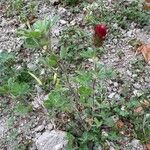
Source: leafsnapTrifolium incarnatum, commonly known as Crimson Clover, is a clover species native to the Mediterranean region. This annual plant can grow up to 60 cm tall and features a deep taproot system. Its leaves are trifoliate, each with a distinctive V-shaped marking. The plant produces bright crimson flowers that form dense, cylindrical spikes up to 10 cm in length. Crimson Clover is extensively cultivated as a forage crop for livestock, valued for its high protein content and palatability. Additionally, its nitrogen-fixing capabilities make it an excellent cover crop for enhancing soil fertility. Beyond its agricultural applications, Trifolium incarnatum has a history of use in traditional medicine, where it has been employed to treat various ailments, including respiratory infections, skin conditions, and digestive issues. In summary, Trifolium incarnatum is a versatile plant that offers numerous agricultural and medicinal benefits.
💡 Crimson clover, originally from Europe, has extended its presence to the United States and Japan, likely due to its widespread use in agriculture. This plant serves as a nitrogen-fixing cover crop, helping to maintain nutrient-rich soil. It is also valued as forage for livestock and is particularly suitable for hay production. In addition to its agricultural benefits, crimson clover is sometimes grown for decorative purposes. However, it can become locally invasive, potentially overwhelming and displacing native spring and early-summer species in the area.
🌳 Crimson clover is highly regarded for its striking crimson flowers, which make it more visually appealing than other types of clover. In addition to being grown commercially as fodder and for sprouts, it is a wonderful addition to gardens. The seeds can be easily sown over large areas, resulting in a magnificent and dense display of flowers that attract pollinators in the spring or summer.
🎭 A four leaf clover is very lucky, And It is said that wearing one within your hat will allow you to see fairies.
Care Guide
💧 Water
☀️ Light Full sun
🌡️ Temperature 0–35°C
💨 Humidity
🪴 Soil 6-7
🌱 Fertilizer
🪴 Pot & Repot
✂️ Pruning
🌿 Propagating
🐛 Diseases & pets
☠️ Toxicity
Characteristics
- Plant Type
- Herb
- Life Cycle
- Annual, Perennial, Biennial
- Genus
- Trifolium
- Family
- Fabaceae
- Hardiness Zone
- 3-9
- Mature Height
- 20 cm to 49 cm
- Mature Spread
- 30 cm to 61 cm
- Leaf Color
- Green
- Leaf Type
- Deciduous
- Flower Color
- Red
- Flower Size
- 1.52 cm
- Bloom Time
- Mid spring, Late spring, Early summer
- Planting Time
- Spring, Summer
- Harvest Time
- Early summer, Mid summer