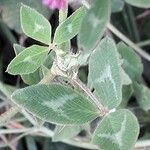
Trifolium medium
شبدر گاوی، شبدر مادی، · شبدر گاوی (FA) · Zig-zag Clover · Red Clover · Mammoth clover
Description
Source: leafsnapTrifolium medium, the zigzag clover, is a flowering plant species in the bean family Fabaceae. It is similar in appearance to red clover, Trifolium pratense, but the leaflets are narrower and have no white markings and the narrow stipules are not bristle-pointed.: 150 The species is native to Europe from Britain to the Caucasus.
Care Guide
💧 Water
Zig-zag clover thrives in temperate regions where there is moderate moisture. It needs consistent soil moisture, but the soil should not become waterlogged. For optimal health, it's best to water the plant weekly. As an outdoor plant commonly found in meadows, zig-zag clover has adapted to the pattern of seasonal rainfall, which influences its growth cycles and the timing of its flowering.
How should I water my Zig-zag clover?
To properly water the Zig-zag clover plant, it is recommended to use filtered water at room temperature or slightly warmer. Tap water may contain harmful particles, so filtered water is the better choice. The Zig-zag clover is accustomed to warm environments, so cold water can be a shock to its system. It is also important to avoid overhead watering as it can cause problems with the plant's foliage. Instead, apply the filtered room temperature water directly to the soil until it is completely soaked. This method of watering is beneficial as it helps moisten the roots and allows them to continue spreading through the soil to collect necessary nutrients.
What do I need to do if I give my Zig-zag clover too much or too little water?
Overwatering and underwatering both harm Zig-zag clovers, but overwatering is more common. Excessive watering causes wilting, yellowing, and diseases like root rot, mold, and mildew, which can be fatal. Underwatering is less likely, as Zig-zag clovers tolerate drought well, but it can cause brittle, brown leaves. Promptly recognizing signs of overwatering is crucial. Diseases like root rot can become irreversible if not addressed early. Reduce watering immediately upon noticing early signs. Check soil quality; if drainage is poor, replace it with a well-draining potting mix. If Zig-zag clover shows signs of insufficient water, increase watering until signs improve.
How frequently should I give water to my Zig-zag clover?
If your Zig-zag clover plant is in a pot, you can determine if it needs water by sticking your finger into the soil. If the top two to three inches of soil is dry, it's time to water it. The same method can be used if you have your Zig-zag clover outdoors in the ground. When the top few inches of soil are dry, it's time to add water. Typically, during spring and early fall, watering once a week is sufficient. However, in extremely hot weather, you may need to water twice or more per week. It's worth mentioning that mature, well-established Zig-zag clover plants can endure drought well.
How much water does my Zig-zag clover require?
To properly water your Zig-zag clover, don't be afraid to give it a generous amount of water. Wait until the top two to three inches of soil are dry, and then thoroughly water the plant, making sure the soil is completely soaked. You should add enough water that it starts to drain out of the bottom of the pot. If you don't see any excess water draining, you have likely not watered enough, but be careful not to let water accumulate in the soil, as this can harm the plant. On the other hand, if water doesn't drain well, it means the soil is not good for the plant's health and should be avoided. If the plant is outdoors, 1 inch of rain per week should be sufficient.
How do I water my Zig-zag clover as it grows?
The water needs of the Zig-zag clover can vary depending on different growth stages. When the plant is in the early years of its life or has just been transplanted, it requires more water than usual. During these stages, the plant focuses on developing new roots to support future growth, so they need more moisture. As the plant matures, it requires less water. Additionally, during the bloom period, the Zig-zag clover needs more water because flower development uses up a significant amount of moisture.
☀️ Light Full sun
Zig-zag clover prefers a setting where it gets plenty of sunlight for most of the day. It can tolerate moderate light, but this produces less vigorous growth. In its native habitat the plant does best with strong sun. Both too little and too much sunlight can negatively affect its health.
What are the sunlight requirements for Zig-zag clover?
Zig-zag clover thrives best in full sun, needing above 6 hours of sunlight daily for optimal growth. It can also grow in partial sun, with about 3-6 hours of sunlight, but may exhibit less vigorous growth in such conditions. In its native habitat, this plant benefits from generous sunlight throughout the day. Remember to observe how sunlight moves through your garden to find the perfect spots that balance light and shade, ensuring your plants' wellbeing.
What are the essentials for growing Zig-zag clover successfully?
To grow Zig-zag clover successfully, ensuring it receives ample sunlight is crucial. It favors environments where it can be bathed in the sun's rays generously throughout the day. Although it can sustain on moderate sunlight, adequate exposure to robust sunlight is essential for its health. In cases where natural sunlight is insufficient, particularly indoors, artificial lighting can be a vital solution. LED lights are recommended for their ability to provide specific wavelengths needed by plants. The right amount of artificial light varies: full sun plants require 30-50W/sq ft, partial sun plants need 20-30W/sq ft, and full shade plants need 10-20W/sq ft. The correct placement and duration of artificial lighting, mimicking natural sunlight conditions, promote healthier, faster growth.
What are the symptoms of inadequate sunlight for Zig-zag clover?
Symptoms of inadequate sunlight in Zig-zag clover include smaller new leaves, leggy or sparse growth, faster leaf drop, slower or no new growth, and paler new leaves indicating a lack of chlorophyll. Excessive sunlight can cause chlorosis, sunscald, leaf curling, wilting, and leaf scorching. Such signs show the plant's struggle with the current lighting conditions, either craving more light or suffering from too much exposure.
What solutions are there for Zig-zag clover struggling with sunlight exposure?
For indoor Zig-zag clover struggling with light exposure, gradually increase sunlight by moving them closer to a south-facing window each week until they achieve at least 6 hours of direct sunlight daily. If moving the plant isn't feasible, consider artificial lighting solutions, keeping lamps on for at least 8 hours a day. Outdoors, adjust the plant's location gradually to prevent sunburn. If the sunlight is blocked, prune any obstructions or transplant smaller plants during their dormant period to a sunnier location. It's crucial to allow new growth to adapt to increased light exposure for a healthier plant. Note, parts of the plant that suffered from previous poor light conditions may not recover, but new growth should be healthy.
🌡️ Temperature 5–32.2°C
Zig-zag clover can tolerate a wide variety of temperature conditions, but its range may still be restricted by different combinations of moisture and heat. It performs best in warm summer climates with sufficient rainfall or watering. Extended periods of cloudy, rainy weather or prolonged high temperatures can raise the chances of Zig-zag clover dying. In winter, adequate protection from cold can increase the plant's likelihood of survival.
💨 Humidity
🪴 Soil 6-7
🌱 Fertilizer
A single spring application of fertilizer is typically enough for Zig-zag clover, though repeated feedings can maximize growth. Apply fertilizer every month to every month and a half. Fertilization improves the appearance and function of the leaves, helping maintain uniform color and a healthy texture. It also encourages root development and nutrient uptake, supporting long-term plant health.
🪴 Pot & Repot
✂️ Pruning
For optimal growth and vibrant blooms, it's important to strategically prune zig-zag clover between early and late spring. Start by removing any dead stems and reshaping the plant to improve airflow. Regular pruning not only enhances the plant's appearance but also reduces the risk of disease. Be sure to use clean tools and follow recommended guidelines to maintain the plant's health.
🌿 Propagating
🐛 Diseases & pets
☠️ Toxicity
Characteristics
- Plant Type
- Herb
- Life Cycle
- Perennial
- Genus
- Trifolium
- Family
- Fabaceae
- Hardiness Zone
- 4-8
- Mature Height
- 30 cm to 49 cm
- Mature Spread
- 30 cm to 49 cm
- Leaf Color
- Green
- Leaf Type
- Evergreen
- Flower Color
- Pink, Purple
- Flower Size
- 2.03 cm to 3.05 cm
- Bloom Time
- Summer
- Planting Time
- Spring, Summer
- Harvest Time
- Late summer, Early fall, Mid fall
- Native Area
- Turkey, Austria, Sweden, Slovakia, Montenegro, Croatia, Slovenia, Belarus, Russia, Germany, Estonia, Romania, Latvia, Belgium, Moldova, Netherlands, France, Portugal, Czech Republic, Bulgaria, Armenia, Poland, Greece, Ukraine, Serbia, Lithuania, Norway, Italy, Kazakhstan, Spain, Switzerland, Denmark, Finland, Iran, Albania, Ireland, United Kingdom, Hungary, Azerbaijan