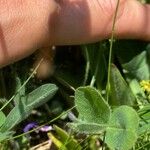
Trifolium microcephalum
Maiden clover · Marden clover · Small-head clover · Small-headed Clover · Smallhead clover
Description
Source: leafsnapTrifolium microcephalum is a species of clover known by the common names smallhead clover and small-headed clover.It is native to western North America from southern Alaska and British Columbia to California, Montana, Arizona, and Baja California, where it occurs in many types of habitat, becoming common to abundant in some regions. It can grow in disturbed habitat and become a casual roadside weed.
Care Guide
💧 Water
Small-head clover thrives in moderate climates where it requires consistent soil moisture, but it is important to ensure that the soil does not become waterlogged. Watering the clover weekly helps to keep it healthy. It is usually grown outdoors, and it benefits from the rain during the growing season, which promotes robust growth and keeps the soil optimally hydrated.
☀️ Light Full sun
Small-head clover comes from bright, open habitats and performs best in full sun. While it can tolerate partial shade, it favors direct sunlight for optimal growth. This plant, which occurs as an annual or a biennial, is recognized for its sun-loving habit.
What are the sunlight requirements for Small-head clover?
Small-head clover thrives in environments with full sun exposure, requiring more than 6 hours of sunlight daily. It can also tolerate partial sun, which means about 3-6 hours of sunlight. It's essential to observe how sunlight moves through your garden to ensure your plants receive the ideal balance of light and shade, promoting their health and happiness.
How does artificial lighting support Small-head clover growth indoors?
For indoor Small-head clover or in conditions where natural sunlight is insufficient, especially during winter or in less sunny spaces, artificial lighting is a crucial alternative. Adequate lighting promotes faster, healthier growth. LED lights, recommended for their ability to provide specific wavelengths needed by plants, should be used at a strength of 30-50W/sq ft for full sun plants, 20-30W/sq ft for partial sun plants, and 10-20W/sq ft for full shade plants. The light source should be placed 12-36 inches above the plant, for 8-12 hours per day, to mimic natural sunlight conditions.
What symptoms indicate insufficient light for Small-head clover when grown indoors?
When Small-head clover is grown indoors under inadequate light, it may show symptoms like smaller new leaves, leggy or sparse growth, faster leaf drop, slower or ceased new growth, and leaves that are lighter in color or chlorotic. Additionally, excessive sunlight can cause sunscald, leaf curling, wilting, and leaf scorching. These symptoms reflect the plant's struggle with suboptimal light conditions, impacting its growth and overall health.
What solutions can help improve light conditions for Small-head clover both indoors and outdoors?
Improving light conditions for Small-head clover involves several strategies. Indoors, gradually moving the plant to sunnier locations to achieve at least 6 hours of direct sunlight, using a south-facing window, or supplementing with artificial light like plant grow lights can be effective. Outdoors, the gradual adjustment to sunnier spots helps prevent sunburn. If natural light is blocked, consider pruning or transplanting during the plant's dormant period to a location with ample sunlight. Remember, while parts of the plant affected by poor light may not recover, new growth should be healthy with improved light conditions.
🌡️ Temperature 15–32.2°C
Small-head clover can tolerate a broad range of temperatures, although its range may still be constrained by different combinations of moisture and heat. It performs best in warm summer climates with sufficient rainfall or watering. Extended periods of cloudy, rainy weather or prolonged high temperatures can raise the risk of Small-head clover dying. In winter, adequate protection from cold can increase the plant's chances of survival.
What are the ideal growing conditions for Small-head clover?
Small-head clover, or Trifolium microcephalum, thrives in a variety of temperature conditions, flourishing best in warm climates with sufficient rainfall or watering during the summer months. While it demonstrates strong cold resistance and generally does not require special frost protection measures, providing proper protection against cold by covering the plant with soil or straw when temperatures are expected to drop below -10°C can enhance its survival rate. For optimal growth, the plant should be kept above 20°C, with precautions taken to ensure survival during both high and low temperature extremes.
How should I care for Small-head clover during winter?
Small-head clover has a robust cold resistance, making special frost protection measures during winter usually unnecessary. However, if winter temperatures are anticipated to fall below -10°C, it's important to provide additional cold protection by covering the plant with soil or straw. Additionally, to prevent drought and water scarcity, water the plant abundantly before the first freeze in autumn to keep the soil moist as it enters a frozen state. This care ensures the plant remains healthy through winter and into early spring.
What should I do if Small-head clover experiences low temperatures?
During colder months, while Small-head clover can tolerate low temperatures and thrives when the temperature stays above 0°C, special attention is needed when temperatures drop below -10°C. Even though the plant is cold-tolerant, such low temperatures can lead to decreased sprouting or failure to sprout in spring. If this occurs, remove any parts of the plant that have failed to sprout as part of spring care.
How do I protect Small-head clover from high temperatures?
To protect Small-head clover from high temperatures, especially when they exceed 38°C, it's crucial to implement measures to prevent sunburn and moisture loss. The plant's leaves may become lighter, curl, or even wilt and dry out under extreme heat. To mitigate these effects, trim away any sunburned and dried parts of the plant. Moving the plant to a shaded area or using a shade cloth can protect it from direct midday and afternoon sun. Ensuring the soil remains moist by watering the plant in the morning and evening will also help in keeping the plant healthy during hot weather.
💨 Humidity
🪴 Soil 6-7
🌱 Fertilizer
Small-head clover does well with regular, light applications of fertilizer to encourage healthy leaf development. You should feed Small-head clover roughly once a month during the summer. Nitrogen is essential for foliage, and providing nitrogen-rich sources helps Small-head clover thrive.
🪴 Pot & Repot
✂️ Pruning
Small-head clover is characterized by its small, dense flower heads and trifoliate leaves. For optimal growth, prune it from early to late spring. This helps improve air circulation and encourages new growth by removing dead or overgrown stems. Regular pruning not only helps the plant maintain its compact shape but also prevents diseases, aligning with the plant's active growth phase.
🌿 Propagating
🐛 Diseases & pets
☠️ Toxicity
Characteristics
- Plant Type
- Herb
- Life Cycle
- Annual
- Genus
- Trifolium
- Family
- Fabaceae
- Hardiness Zone
- 8
- Mature Height
- 8 cm to 30 cm
- Mature Spread
- 5 cm to 15 cm
- Leaf Color
- Green, Dark Green
- Leaf Type
- Deciduous
- Flower Color
- Pink
- Flower Size
- 0.25 cm to 0.51 cm
- Bloom Time
- Mid spring, Late spring, Early summer
- Planting Time
- Spring
- Harvest Time
- Summer
- Native Area
- Mexico