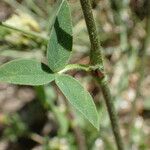
Trifolium ochroleucon
Sulphur clover
Description
Source: leafsnapTrifolium ochroleucon, also known as Trifolium ochroleucum or sulphur clover, is a species of clover in the family Fabaceae. It is a perennial and can be found in grassy places, predominantly on clay soils. It is native to Europe, including the British Isles.
Care Guide
💧 Water
Sulphur clover, native to temperate regions, thrives in environments with balanced moisture levels. It prefers consistent soil moisture and typically needs watering once a week. When grown outdoors, sulphur clover benefits from natural rainfall, which enhances its growth during the growing season.
How should I water my Sulphur clover?
To properly water the Sulphur clover, it is best to use filtered water at room temperature. Tap water may contain harmful particles that can affect the plant's health. Since the Sulphur clover thrives in warm environments, water that is too cold may shock its system. It is also important to avoid overhead watering as it can cause issues with the foliage. Instead, simply pour filtered room temperature water onto the soil until it is completely soaked. This method helps moisturize the roots and aids in their spread throughout the soil, ensuring they can access the necessary nutrients.
What should I do if I give my Sulphur clover too much water or too little water?
Overwatering is a more common problem than underwatering for Sulphur clover. When Sulphur clover gets too much water, its stems and leaves may wilt and turn yellow. Prolonged overwatering can also lead to diseases like root rot, mold, and mildew, which can kill the plant. Underwatering is less likely, but when it happens, the leaves become brittle and brown. It's important to notice signs of overwatering quickly because some diseases, like root rot, can't be fixed if you wait too long. If you see early signs, reduce watering and check the soil's drainage. Replace poorly draining soil with looser, well-draining potting mix. If signs of underwatering appear, water more regularly until they go away.
How frequently do I need to water my Sulphur clover plant?
If your Sulphur clover is in a pot, the most precise way to determine if it needs water is to check the soil by sticking your finger into it. If the top two to three inches of soil feel dry, then it's time to water it. If your Sulphur clover is planted outdoors directly in the ground, you can use the same method to test the soil. When you find that the top few inches of soil have become dry, it's time to water. Typically, during the spring and early fall, watering once a week will suffice. However, in extremely hot weather, you may need to water twice or more per week. It's important to note that mature, well-established Sulphur clovers have an impressive ability to withstand dry periods.
How much water does my Sulphur clover require?
When watering your Sulphur clover, don't be afraid to give it a good amount of water. Make sure the top two to three inches of soil are dry before watering. Give it enough water so that the soil is completely soaked. The water should flow through the drainage holes at the bottom of the pot. If you don't see excess water draining, then you haven't watered it enough. However, be careful not to let water accumulate in the soil, as this is harmful to the plant. If there is no water draining through the pot, it may indicate that the soil doesn't drain well, which is not good for the plant. If the plant is outside, it only needs 1 inch of rain per week.
How do I water my Sulphur clover during different growth stages?
The water needs of the Sulphur clover can vary depending on its growth stages. In the early years and after transplanting, you will need to provide more water than usual. During these stages, the plant focuses on developing new roots for future growth, which requires additional moisture. As the plant matures, it will require less water. Additionally, during the blooming period, the plant may need more water to support flower development.
☀️ Light Full sun
Sulphur clover is a sun-loving perennial herbaceous plant native to open habitats and commonly found in meadows and grasslands. It prefers full sun but can also tolerate partial sun.
What are the sunlight requirements for Sulphur Clover?
Sulphur Clover requires full sun, defined as over 6 hours of sunlight a day, but can also thrive in partial sun, which is about 3-6 hours of sunlight. It's important to monitor the movement of sunlight through your garden to ensure that the plants are placed in positions where they can receive the optimal balance of light and shade for their growth. Sulphur Clover, as a sun-loving perennial herbaceous plant, prospers in open habitats like meadows and grasslands, where sunlight is ample.
How can artificial lighting be used for Sulphur Clover?
Indoor plants, including Sulphur Clover, can benefit from artificial lighting, especially when natural sunlight is insufficient, such as during winter or in less sunny locations. LED lights are a popular choice because they can be customized to provide specific wavelengths needed by the plants. Full sun plants should have 30-50W/sq ft of artificial light, partial sun plants require 20-30W/sq ft, and full shade plants need 10-20W/sq ft. The artificial light source should be placed 12-36 inches above the plant, mimicking natural sunlight. The duration of exposure should replicate natural daylight hours, typically 8-12 hours per day.
What are the symptoms of light deficiency in Sulphur Clover?
When Sulphur Clover is exposed to inadequate lighting, several signs may indicate a light deficiency. These include smaller-than-usual new leaves, leggy or sparse growth due to longer distances between leaves or stems, faster leaf drop as older leaves are shed early, slower or no new growth signifying survival mode, lighter-colored new leaves or irregular color patterns indicating insufficient chlorophyll, chlorosis or the yellowing of leaves, sunscald manifesting as pale or necrotic plant tissues, leaf curling as a way to minimize water loss, wilting due to increased transpiration and water loss, and leaf scorching seen as brown, crispy edges on leaves from too much sunlight.
How can light exposure for Sulphur Clover be improved?
To enhance light exposure for Sulphur Clover, gradually transition plants to sunnier locations, aiming for at least 6 hours of direct sunlight daily. For indoor plants that are large or difficult to move, consider using artificial lights, keeping them on for about 8 hours a day. Outdoors, it's crucial to acclimatize plants to brighter spots slowly to prevent sunburn. Reduce obstructions by pruning if trees block sunlight and consider transplanting smaller plants during their dormant period to sunnier locations with good drainage. Although parts of the plant affected by insufficient sunlight might not recover, new growth should be healthy with improved light conditions.
🌡️ Temperature 5–35°C
Sulphur clover can tolerate a wide range of temperatures, but its distribution may still be restricted by particular combinations of moisture and heat. It performs best in warm summer climates with sufficient rainfall or irrigation. Extended periods of cloudy, rainy weather, as well as prolonged high temperatures, can raise the likelihood of Sulphur clover dying. In winter, protecting it from cold can improve the plant's survival rate.
What is the name of the plant?
The plant is commonly known as Sulphur clover.
What is the botanical name of Sulphur clover?
The botanical name of Sulphur clover is Trifolium ochroleucon.
💨 Humidity
🪴 Soil 6-7
🌱 Fertilizer
The best time to fertilize a Sulphur clover is in early spring, as it comes out of dormancy and begins active growth. Fertilizing supplies essential nutrients for healthy development. While Sulphur clover has relatively low fertilizer requirements, an annual application can improve its survival and encourage better, longer-lasting flowers.
🪴 Pot & Repot
✂️ Pruning
Sulphur clover is known for its vibrant yellow blooms and trifoliate leaves. To keep the plant healthy and attractive, it’s important to prune it strategically from early to late spring. Start by removing any dead or damaged stems to promote the plant’s overall health, maintain its shape, and improve airflow. Regular pruning encourages robust growth and ensures the plant remains visually appealing.
🌿 Propagating
🐛 Diseases & pets
☠️ Toxicity
Characteristics
- Plant Type
- Herb
- Life Cycle
- Perennial
- Genus
- Trifolium
- Family
- Fabaceae
- Hardiness Zone
- 4-9
- Mature Height
- 30 cm
- Mature Spread
- 20 cm
- Leaf Color
- Green
- Leaf Type
- Deciduous
- Flower Color
- Cream
- Flower Size
- 2.03 cm to 4.06 cm
- Bloom Time
- Early summer, Mid summer
- Planting Time
- Spring
- Harvest Time
- Late summer, Early fall
- Native Area
- Turkey, Austria, Czech Republic, Slovakia, Montenegro, Bulgaria, Poland, Greece, Croatia, Slovenia, Morocco, Ukraine, Serbia, Hungary, Germany, Italy, Spain, Switzerland, France, Iran, Albania, United Kingdom, Romania, Algeria, Belgium, Moldova, Portugal