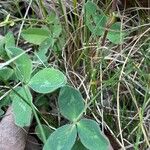
Trifolium pratense
شبدر قرمز · Red clover · Purple clover · Meadow Honeysuckle · Cowgrass clover
Description
Source: leafsnapTrifolium pratense, commonly known as red clover, is a herbaceous perennial plant that belongs to the legume family. Native to Europe, Western Asia, and Northwest Africa, it has been widely naturalized in many other regions across the globe. The plant typically grows up to 50 cm tall and features trifoliate leaves, each with a distinctive V-shaped white marking on the leaflets. Its flowers are pinkish-purple and are arranged in dense cylindrical clusters that appear at the ends of long stalks. Red clover is an essential forage crop for livestock due to its high nutritional value and palatability. It also possesses medicinal properties, primarily because of its rich content of phytoestrogens called isoflavones. These compounds have shown potential benefits for alleviating menopausal symptoms, supporting bone health, promoting cardiovascular health, and possibly preventing cancer. In agriculture, red clover plays a significant role by enhancing soil fertility. It can fix atmospheric nitrogen into the soil through a symbiotic relationship with nitrogen-fixing bacteria. Red clover is easy to grow from seed or through vegetative propagation methods such as stem cuttings or root division. It thrives in well-drained soils with moderate fertility levels but is tolerant of a wide range of soil types, including acidic soils. Overall, Trifolium pratense, or red clover, is a versatile plant that offers numerous agricultural and medicinal benefits, making it an important species worldwide.
💡 Every year on March 17th, Ireland celebrates St. Patrick's Day. On this day, everyone wears a green clover. According to tradition, Saint Patrick used the clover to explain the concept of the Trinity to the Irish people, who value their freedom.
🌳 Besides its more familiar roles, red clover is useful as a dependable bioindicator. Farmers have long regarded its presence as a sign of a fertile field with ample essential nutrients. In addition, red clover can concentrate and reveal certain metals in the soil, serving as a natural marker for micronutrients like zinc and copper that are important for plant growth and soil health.
🎭 Supplication, hopefulness, romance
Care Guide
💧 Water Every 7 days
Red clover thrives in temperate climates and aligns closely with the moisture levels found in grasslands. While it can tolerate moderate drought, it grows best with consistent watering. Watering on a weekly basis mimics natural rainfall, promoting lush foliage and robust health, especially during its active growing season.
When Should I Water My Red Clover?
Watering red clover properly is essential for its health and growth. The best time to water is when the soil moisture levels are low, which you can check by inserting your finger into the soil up to the second knuckle; if it feels dry, it's time to water. Also, wilting leaves, fading or yellowing of the normally vibrant green leaves, and slowed or stunted growth are indicators that your red clover needs water. Remember to consider the plant's environment, as red clover placed in sunny areas or in dry climates may need more frequent watering. However, be cautious of over-watering and under-watering, as both can cause significant harm to the plant, leading to issues like root rot or reduced ability to photosynthesize.
How Should I Water My Red Clover?
Watering red clover requires specific techniques to ensure optimal growth and health. The goal is to provide enough moisture without waterlogging the roots. Water deeply and thoroughly, letting the soil dry slightly between waterings. This not only promotes healthy root growth but also prevents root rot. The best way to water is at the base of the plant to minimize moisture on the foliage, using a watering can with a rose spout or fine-holed nozzle to distribute the water evenly and gently. These methods help avoid disturbing the soil or damaging the delicate foliage of the red clover.
How Much Water Does Red Clover Really Need?
The amount of water red clover needs varies but generally, it thrives in moist conditions. An optimal watering schedule involves 1-2 times a week, providing about 1 inch of water each time. This frequent watering supports the shallow root system of the red clover, ensuring the top layer of soil remains consistently moist. Signs of proper hydration include vibrant green leaves, healthy growth, and robust stems. To avoid overwatering or underwatering, use well-draining soil and pots with drainage holes, and adjust your watering based on weather conditions, watering more during hot, dry periods and less during cooler, rainy seasons.
What Kind of Water is Best for Red Clover?
Red clover prefers rainfall or filtered water over distilled or overly softened water, as the latter can lack essential nutrients. It can tolerate small amounts of chlorine, but if using tap water, let it sit out overnight to allow residual chlorine to evaporate. Fluoride sensitivity in red clover is not notable, but avoid waters high in cadmium, copper, and nickel. Beneficial minerals like nitrogen and phosphorus, found in rainwater and filtered tap water, can be advantageous. Always aim to use room temperature water to avoid shocking the plant.
How Do Red Clover's Watering Needs Change with the Seasons?
The watering needs of red clover change with the seasons. In spring, it requires more water to support growth due to increased daylight and favorable temperatures. Summer demands even more water to offset higher temperatures and sunlight exposure. Come autumn, as growth slows, reduce watering to prevent waterlogging and potential root diseases. During winter, red clover is mostly dormant and requires significantly less water; only water when the soil appears very dry or the plant looks wilted, but always avoid waterlogging. Adjust your watering habits to accommodate seasonal changes in temperature and daylight.
☀️ Light Full sun
Red clover prefers sites with full sun, though it can tolerate areas with more diffuse light. It comes from habitats where sunlight is plentiful. Too much or too little light can interfere with its growth, stressing the need for appropriate sun exposure for its health.
What are the sun requirements for red clover?
Red clover thrives in full sunlight, requiring more than 6 hours of sunlight per day for optimal growth. It can also adapt to partial sun conditions, which means about 3-6 hours of sunlight a day. Ensuring the right balance of light is crucial for the health and happiness of your red clover, so it's important to observe how sunlight moves through your garden to choose the best spots for planting.
How does artificial lighting affect the growth of red clover indoors?
When natural sunlight is insufficient for indoor red clover, especially during winter or in less sunny locations, artificial lighting can be a beneficial alternative. LED lights are recommended because they can be customized to provide specific wavelengths needed by the plants. For full sun plants like red clover, 30-50W/sq ft of artificial light is ideal. The light source should be placed 12-36 inches above the plant and kept on for 8-12 hours per day to mimic natural daylight hours and encourage healthy growth.
What are the symptoms of insufficient light in red clover?
Red clover shows several symptoms when it does not receive enough light, including smaller new leaves, leggy or sparse growth, faster leaf drop, slower or halted growth, and paler new leaves. Chlorosis, sunscald, leaf curling, wilting, and leaf scorching are also signs that the light conditions are either too intense or insufficient. Monitoring these symptoms can help in diagnosing light-related issues early and adjusting care accordingly.
What are the solutions for providing red clover with optimal sunlight?
To ensure red clover receives enough sunlight, gradually acclimate it to receive at least 6 hours of direct sunlight daily, especially if grown indoors, by using a south-facing window or artificial lights for at least 8 hours a day. Outdoors, move your plants to sunnier spots gradually to avoid sunburn. If needed, prune trees or shrubs that block sunlight or consider transplanting smaller plants to sunnier locations with good drainage, particularly during their dormant periods in late winter or early spring.
🌡️ Temperature 5–35°C
Red clover is native to temperate zones and is well suited to temperatures of 68° to 95°F (20° to 35℃). It favors moderate climate conditions, and when cultivation spans changing seasons, regulating temperature to meet its preferences is essential.
What is the ideal temperature range for growing Red Clover?
Red clover thrives in temperatures between 68\u00b0 to 95\u00b0F (20\u00b0 to 35\u00b0C), which corresponds to moderate climates. It has a strong cold resistance, making special frost protection measures unnecessary except in extreme conditions where winter temperatures drop below -25\u00b0C. During such severe cold, it is advisable to cover the plant with soil or straw and water it abundantly before the first freeze to ensure the soil remains moist throughout winter and early spring.
How does Red Clover respond to low temperatures, and what solutions are recommended?
Red clover is cold-tolerant and best sustains temperatures above 20\u00b0C. It can survive winter conditions over 0\u00b0C but may struggle with temperatures falling below -25\u00b0C, potentially leading to a decrease in sprouting or no sprouting at all in spring. To address this, any parts of the plant that have failed to sprout by spring should be removed to encourage new growth.
What measures should be taken if Red Clover experiences high temperatures?
During the summer, it is crucial to keep Red clover below 35\u00b0C. When temperatures exceed 38\u00b0C, the plant may exhibit signs of stress such as lighter leaf color, curled leaves, susceptibility to sunburn, and in severe cases, wilting and drying out of the entire plant. Solutions include trimming away the affected parts, relocating the plant to a shaded area or using a shade cloth to protect it from the midday and afternoon sun, and ensuring the soil is kept moist by watering the plant in the morning and evening.
💨 Humidity high (>60%)
This plant needs special care because it loves high humidity levels of 60-80% or more. The best way to achieve this is by placing a humidifier near the plant. Daily misting is also essential! Make sure the room has good ventilation.
🪴 Soil 6-7
🌱 Fertilizer
One application of fertilizer in spring is generally adequate for Red clover, though repeated feedings can maximize growth. Apply fertilizer once every month to a month and a half. Fertilization improves the leaves' appearance and function, helping maintain even color and a healthy texture. It also encourages root development and nutrient uptake for long-term plant health.
Why should I put fertilizer on my Red clover?
The Red clover's leaves are crucial to its overall structure, and fertilization is an effective way to enhance the appearance and function of these leaves. By fertilizing appropriately, you can ensure that your Red clover maintains consistent color and a healthy texture in its leaves. Additionally, fertilization plays a beneficial role beneath the soil's surface, promoting the growth of new roots and maintaining existing ones. This means that fertilization not only keeps your plant healthy in the present, but also improves its ability to absorb soil nutrients in the future.
When should I fertilize my Red clover for best results?
Growing Red clover outdoors each year will result in new growth in early spring. The emergence of these leaves signals the time to start fertilizing for the year. In most cases, one application of fertilizer in the spring is sufficient for Red clover to thrive. However, if you want to maximize growth, you can fertilize multiple times during spring and early summer. This can be done approximately once every month to a month and a half.
When is the best time to not fertilize my Red clover plants?
During late fall and winter, Red clover goes dormant and stops producing new growth. It's important to avoid fertilizing Red clover during this time. In spring and summer, if you choose to fertilize multiple times, start reducing the amount of fertilization as summer approaches because the growth rate of Red clover also slows down. It is always best to avoid fertilizing Red clover during exceptionally hot weather or when the soil is extremely dry. Fertilizing in these conditions can stress the Red clover and lead to premature death.
What kind of fertilizer does my Red clover require?
Choosing the perfect fertilizer for Red clover is actually quite simple. These plants thrive on a general-purpose garden fertilizer with equal amounts of nitrogen, phosphorus, and potassium. Look for a fertilizer with a 10-10-10 ratio or something similar for best results. Avoid fertilizers with high nitrogen levels if you're unsure. Granular fertilizers are usually the top choice for Red clover, especially those that are slow-release and easy to apply. Additionally, using organic soil amendments like compost can be beneficial for feeding your Red clover.
How should I add nutrients to my Red clover to help it grow well?
1. Wait until early spring when you notice the first leaves of your Red clover poking through the soil's surface. 2. Once you see this sign, apply a balanced granular slow-release fertilizer to the soil around the base of the Red clover. 3. You can repeat this process later in the season if you want. 4. Remember to apply the fertilizer to the soil at the base of the plant, not directly on the plant itself. Sometimes, you may need to move some leaves aside to access the soil above the roots. 5. It's also a good idea to water your Red clover before and after fertilizing.
🪴 Pot & Repot
To thrive, red clover needs well-drained pots that allow excess water to escape. This helps keep the roots healthy, prevents rot, and promotes optimal growth.
✂️ Pruning
Red clover, with its vibrant green leaves and reddish-purple flowers, thrives when pruned at the right times in early to late spring. Essential techniques for pruning include removing dead stems and thinning out crowded areas. This promotes healthier growth and more abundant blooms. Always use clean, sharp tools to prevent the spread of disease.
🌿 Propagating
🐛 Diseases & pets
☠️ Toxicity
Trifolium pretense is nontoxic for humans. The leaves and head of flowers are edible raw or cooked. It is used in many foods and medicines.
Characteristics
- Plant Type
- Herb
- Life Cycle
- Perennial, Biennial
- Genus
- Trifolium
- Family
- Fabaceae
- Hardiness Zone
- 5-9
- Mature Height
- 20 cm to 76 cm
- Mature Spread
- 40 cm
- Leaf Color
- Green, Blue
- Leaf Type
- Deciduous
- Flower Color
- Pink, Red
- Flower Size
- 1.27 cm to 1.52 cm
- Bloom Time
- Late spring, Early summer, Mid summer
- Planting Time
- Spring
- Harvest Time
- Early summer, Mid summer
- Native Area
- UK