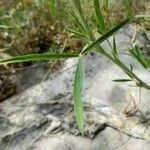
Trifolium purpureum
Purple clover
Care Guide
💧 Water
Purple clover flourishes in moist environments and needs regular hydration, typically requiring weekly watering. While it has moderate drought tolerance, the plant adjusts its water absorption according to its growth cycles. In temperate regions, as an outdoor plant, purple clover shows resilience to different weather conditions.
How should I water my Purple clover?
To water Purple clover, you have multiple options for watering tools such as a garden hose with a spray nozzle or a watering can. This plant is not too particular about the type of water it receives, whether it's rainwater, tap water, or filtered water. However, it is advisable not to water it from above as this can harm the leaves and flowers and potentially cause disease. A drip irrigation system is often the best method for watering Purple clover as it provides even and direct water to the soil. For container-grown Purple clover, you can use a cup, watering can, or tap water to water it directly into the soil.
What do I do if I give too much or too little water to my Purple clover?
To address underwatering of Purple clover, simply water it more regularly when you notice it lacking moisture. Overwatering is a more serious issue that can lead to diseases and the eventual decline and death of the plant. To prevent this, choose a well-located spot with ample sunlight for soil drying and good drainage to avoid waterlogging. If you overwater a potted Purple clover, consider switching to a new pot with better drainage. When repotting, use loose soil and an efficiently draining pot.
How many times should I wet my Purple clover?
Purple clover needs regular water throughout the growing season. In spring, water once a week. As it gets hotter, increase to two or three times a week. Going above this rate can harm the plant. Keep the soil moist but not wet. Watering potted purple clover is different. Potted soil heats up and dries faster, so water a few times a week. In-ground plants only need watering once a week.
How much water does my Purple clover plant need?
Determining the appropriate amount of water for your Purple clover can be approached in a few different ways. One method involves feeling the soil to check for moisture and watering until the top six inches feel damp. Another option is to use a set measurement, such as giving your plant around two gallons of water each week depending on temperature and soil dryness. However, strictly following these guidelines may result in overwatering if your plant needs less water. When growing Purple clover in a container, you'll need to use a different approach. Water enough to moisten all the dry layers of soil, which you can determine by sticking your finger in the soil or observing a slight trickle of excess water from the drainage holes.
How do I know if I am watering my Purple clover enough?
Avoiding overwatering your Purple clover can be somewhat difficult due to a few factors. These plants have deep roots, which means the soil needs to be moistened weekly. However, Purple clover are highly prone to root rot, so excessive watering should be avoided to prevent this issue. Overwatering can also cause browning in the plant. Underwatering is less likely to occur with Purple clover, as they can survive without additional watering for a while. However, if you neglect to water the plant for too long, it will start to wilt and the leaves may become dry.
☀️ Light Full sun
Purple clover flourishes in places with plenty of sunlight and can tolerate sites with somewhat reduced sun exposure. Its natural habitat gets an ample amount of solar light. Too much sun can scorch the plant, while too little can cause poor growth and diminished vitality.
What are the sunlight requirements for Purple Clover?
Purple Clover (Trifolium purpureum) requires various amounts of sunlight depending on its condition. It thrives best in full sun, defined as above 6 hours of sunlight daily, but it can also manage in partial sun, which is about 3-6 hours of sunlight. It's important to observe how sunlight moves through your garden, ensuring a balance of light and shade to keep your plants healthy. Purple Clover is adaptable to different lighting conditions, but both overexposure and underexposure to sunlight can affect its growth and vitality.
How does artificial lighting support Purple Clover's growth indoors?
When natural sunlight is insufficient, especially during winter or in less sunny spaces, artificial lighting becomes crucial for the growth of indoor Purple Clover plants. Adequate lighting promotes healthier, faster growth. LEDs are recommended due to their customizable spectrum to meet the plant's needs. Full sun plants require 30-50W/sq ft of light, partial sun plants 20-30W/sq ft, and full shade plants 10-20W/sq ft. The light source should be placed 12-36 inches above the plant and kept on for 8-12 hours per day to mimic natural light conditions.
What are common symptoms of light deficiency in Purple Clover?
Purple Clover exhibits several symptoms when there's inadequate light. These include smaller new leaves, leggy or sparse growth, faster leaf drop, slower or no new growth, and lighter-colored new leaves. Light deficiency can also lead to chlorosis, where leaves lose their green color, and sunscald, which damages plant tissues due to overexposure. Other symptoms include leaf curling, wilting, and leaf scorching, all of which indicate stress from improper lighting conditions.
What solutions can address Purple Clover's lighting issues?
For optimal growth, it's crucial to gradually introduce Purple Clover to more sunlight, aiming for at least 6 hours of direct sunlight daily, when indoors, utilize a south-facing window or artificial lighting for at least 8 hours a day. Outdoors, progressively move plants to sunnier spots to prevent sunburn. Reducing obstructions like overhanging branches can improve sunlight access. If necessary, transplant smaller plants during their dormant period to areas with sufficient sunlight and good drainage to ensure new growth is healthy.
🌡️ Temperature 0–32.2°C
Purple clover can tolerate a wide range of temperatures, but its distribution may still be restricted by different combinations of moisture and heat. It performs best in warm summer climates with sufficient rainfall or irrigation. Extended periods of cloudy, rainy weather, as well as prolonged high temperatures, can raise the risk of Purple clover dying. In winter, adequate protection from cold can increase the plant's survival rate.
💨 Humidity
🪴 Soil 6-7
🌱 Fertilizer
When most of Purple clover's blooms have opened to full size, begin fertilizing again. As the flowers reach peak output, apply fertilizer every three to four weeks, weather permitting. Then, when Purple clover starts producing fewer new blooms, stop fertilizing; there's no need to feed the plant when it can no longer produce more blooms.
🪴 Pot & Repot
✂️ Pruning
Purple clover flourishes when pruned correctly. This includes techniques like removing spent blooms (deadheading) and trimming back overgrown stems. The best time to prune is from early to late spring, which revitalizes the plant for a robust and vibrant display. Proper pruning also encourages healthy growth and helps prevent disease.
🌿 Propagating
🐛 Diseases & pets
☠️ Toxicity
Characteristics
- Plant Type
- Herb
- Life Cycle
- Annual
- Genus
- Trifolium
- Family
- Fabaceae
- Hardiness Zone
- 3-7
- Mature Height
- 20 cm to 40 cm
- Mature Spread
- 15 cm to 30 cm
- Leaf Color
- Green, Dark Green
- Leaf Type
- Semi-evergreen
- Flower Color
- Purple
- Flower Size
- 7.62 cm
- Bloom Time
- Mid spring, Late spring, Early summer
- Planting Time
- Spring
- Harvest Time
- Summer
- Native Area
- Libya, Iraq, Turkey, Syria, Italy, Egypt, Romania, Iran, Cyprus, Bulgaria, Albania, Greece, Croatia, Lebanon, France