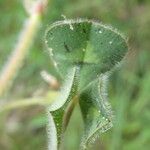
Trifolium subterraneum
Subterranean clover · Sub clover · Burrowing Clover · Subterranean trefoil
Description
Source: leafsnapTrifolium subterraneum, commonly known as subterranean clover, is a species native to the Mediterranean region. This annual plant grows up to 50 cm tall and features trifoliate leaves along with small white or pink flowers. Subterranean clover uniquely adapts by growing and flowering during the cooler months, making it a crucial forage crop for livestock in areas with Mediterranean climates. Additionally, it has a symbiotic relationship with nitrogen-fixing bacteria in its roots, enabling it to thrive in nutrient-poor soils. Widely cultivated as a cover crop, subterranean clover excels in improving soil fertility and preventing erosion. It also provides food for bees and other pollinators. In summary, Trifolium subterraneum plays a significant role in agriculture and ecosystem health by offering valuable resources for both humans and wildlife.
🎭 A four-leaf clover brings great luck, and people say that wearing one in your hat will let you see fairies.
Care Guide
💧 Water Every 3 days
Sub clover flourishes in temperate climates, where it prefers consistently moist soil and requires weekly watering. It thrives best with a good balance between hydration and drainage. Natural rainfall during the growing season also supports its growth effectively.
How should I water my Sub clover plant?
Sub clover can be watered using a garden hose with a spray nozzle, a watering can, or any other common watering tool. It is not particular about the type of water it receives and can survive on rainwater, tap water, or filtered water. Avoid watering it from above as this can harm the leaves and flowers and may cause disease. A drip irrigation system is often the best method for watering Sub clover, as it provides even and direct water to the soil. For Sub clover in a container, you can use a cup, watering can, or tap water to water the soil directly.
What should I do if I give my Sub clover too much or too little water?
To prevent underwatering for Sub clover: water it regularly when you notice it lacks moisture. To prevent overwatering: choose a sunny spot with good soil drainage. If you overwater your potted Sub clover, consider changing the pot to one with better drainage and use loose soil for repotting.
How frequently should I water my Sub clover?
Sub clover requires regular watering throughout the growing season. In the spring, water it once a week. As the season progresses and temperatures rise, you may need to increase watering to two or three times a week. However, be careful not to exceed this rate, as it can harm the Sub clover. Regardless of watering frequency, make sure the soil remains relatively moist but not wet. If you have Sub clover growing in a pot, you'll need to water it more often compared to in-ground plants. Potted Sub clover tends to dry out faster, so plan to water it a few times per week, instead of just once a week.
How much water does my Sub clover require?
There are a few different ways to determine how much water to give your Sub clover. Some gardeners prefer to gauge the soil's moisture level by feeling it and watering until the top six inches are moist. Another option is using a set measurement, such as two gallons per week, based on the heat and soil dryness. However, following strict guidelines can cause overwatering if your plant needs less. When growing Sub clover in a container, you'll need a different method. Make sure all layers of soil are moistened by either feeling it with your finger or watering until slight excess water drains from the pot.
How can I know if I am giving enough water to my Sub clover plant?
Avoiding overwatering your Sub clover can be somewhat difficult. On one hand, these plants need regular soil moisture due to their deep roots. On the other hand, Sub clover is highly vulnerable to root rot, which can cause browning. While underwatering is less likely, as these plants can survive without supplemental watering for some time, it can lead to wilting and dry leaves if left unchecked for too long.
☀️ Light Full sun
Sub clover does best when it gets a plentiful amount of sunlight each day. Coming from a setting with abundant sun, it shows strong growth in those conditions. Yet excessive light can sometimes hamper the plant's development, while insufficient light can cause poor growth and reduced health.
What are the sunlight requirements for Sub clover?
Sub clover requires different amounts of sunlight depending on the desired growth conditions. Full sun exposure, which is defined as more than 6 hours of sunlight a day, is ideal for its robust growth. For partial sun conditions, about 3-6 hours of sunlight daily is adequate. It's important to monitor the sunlight movement in your garden to ensure that your Sub clover is planted in an area that provides the right balance of light and shade, as this can significantly influence its health and growth.
How does sunlight affect the growth of Sub clover?
Sunlight plays a crucial role in the growth and health of Sub clover. Originating from environments with abundant sunlight, Sub clover establishes strong growth when exposed to ample daily sunshine. However, too much light can potentially halt its development, whereas insufficient sunlight may lead to suboptimal growth and poorer health. To support its growth indoors, especially in conditions of low natural light, artificial lighting can be used effectively to mimic the spectrum and intensity of natural sunlight, promoting healthier plant development.
What are the symptoms of insufficient light in Sub clover?
When Sub clover does not receive enough light, it may show several symptoms. These include smaller than usual new leaves, leggy or sparse growth due to elongated spaces between leaves or stems, faster leaf drop as the plant tries to conserve resources, slowed or halted growth as it enters a survival mode, and new leaves that are lighter in color or exhibit irregular patterns, indicating a lack of chlorophyll. Additionally, excessive sunlight can cause chlorosis, sunscald, leaf curling, wilting, and leaf scorching, damaging the plant's ability to photosynthesize and maintain overall health.
What are the solutions for suboptimal light conditions for indoor and outdoor Sub clover plants?
For indoor Sub clover plants struggling with insufficient light, gradually increasing sunlight exposure to at least 6 hours daily or using artificial lighting for at least 8 hours daily can be beneficial. Moving the plant to a sunnier location each week, utilizing a south-facing window, or investing in professional plant grow lights are all effective strategies. For outdoor plants, moving them gradually to sunlight-rich spots and avoiding sudden changes in light exposure are key to preventing sunburn. Reducing obstructions, such as pruning trees to allow more sunlight, or transplanting to a more suitable location, can also improve light conditions for Sub clover. Note that parts of the plant damaged by inadequate light may not recover, but new growth should be healthy with improved light exposure.
🌡️ Temperature 15–35°C
Sub clover is native to areas where temperatures usually range from 68 to 95 °F (20 to 35 ℃). It grows best under these temperature conditions, but can tolerate slight departures. Adjustments may be made to accommodate seasonal temperature fluctuations.
What is the ideal temperature range for Sub clover growth?
Sub clover, scientifically known as Trifolium subterraneum, is indigenous to environments with temperatures generally ranging between 68 to 95°F (20 to 35°C). It thrives best within this temperature range but can tolerate slight deviations. Seasonal temperature fluctuations might necessitate adjustments to care routines, ensuring the plant continues to grow optimally even when conditions vary slightly from its preferred climate.
Does Sub clover need frost protection during winter?
Sub clover possesses strong cold resistance, which often means special frost protection measures are not necessary during winter. However, if there are expectations of winter temperatures plummeting below -15°C, it becomes crucial to provide cold protection. This protection can be effectively achieved by covering the plant with insulating materials such as soil or straw. Additionally, to help prevent drought and ensure the plant has access to water during winter and early spring, it is advised to water the plant abundantly before the first freeze in autumn, ensuring the soil is moist going into the freeze.
How does low temperature affect Sub clover, and what are the recommended solutions?
Sub clover is notably cold-tolerant, flourishing best in temperatures above 20°C and preferably kept above 0°C during winter. When temperatures fall below -15°C, though immediate changes may not be noticeable during the winter, these conditions can lead to reduced sprouting or even a complete lack of sprouting come springtime. The recommended solution for plants affected by low temperatures is to remove any parts that have failed to sprout in the spring, facilitating healthy growth moving forward.
What are the effects of high temperature on Sub clover, and how should they be addressed?
During the summer months, it's essential to ensure that Sub clover's surrounding temperatures remain below 35°C. Exposure to temperatures exceeding 41°C can lead to a range of adverse effects, including leaves becoming lighter in color, prone to curling, susceptibility to sunburn, and, in severe cases, wilting and drying up of the entire plant. To mitigate these issues, sunburned and dried-up parts of the plant should be trimmed away. Moving the plant to a shaded location, especially away from midday and afternoon sun, or using a shade cloth, can provide necessary protection. Additionally, maintaining soil moisture through watering in the morning and evening will help the plant cope with high temperatures.
💨 Humidity
🪴 Soil 6-7
🌱 Fertilizer
Sub clover benefits from regular, light fertilizer applications to encourage healthy leaf development. Fertilize Sub clover about once a month during the summer. Nitrogen is essential for foliage, so supplying nitrogen-rich sources helps Sub clover thrive.
🪴 Pot & Repot
✂️ Pruning
Sub clover is known for its clover-like leaves and ability to fix nitrogen in the soil. Pruning in early to late spring helps improve its growth by removing dead stems and promoting better air circulation. This maintenance activity enhances the plant's vigor, structure, and productivity, ensuring that sub clover thrives and contributes to a sustainable garden.
🌿 Propagating
🐛 Diseases & pets
☠️ Toxicity
Characteristics
- Plant Type
- Herb
- Life Cycle
- Annual
- Genus
- Trifolium
- Family
- Fabaceae
- Hardiness Zone
- 7-10
- Mature Height
- 20 cm
- Mature Spread
- 20 cm to 40 cm
- Leaf Color
- Green, Blue
- Leaf Type
- Semi-evergreen
- Flower Color
- White, Pink
- Flower Size
- 1.02 cm
- Bloom Time
- Early spring, Mid spring
- Planting Time
- Spring
- Harvest Time
- Late spring, Early summer