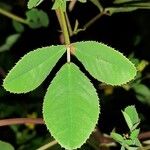
Trigonella esculenta
Sickle-fruited Fenugreek
Care Guide
💧 Water
Sickle-fruited fenugreek thrives in arid regions due to its high drought tolerance. While it grows well outdoors and can benefit from natural rainfall, it typically requires weekly watering. The plant's water needs can vary depending on its growth stage and the moisture levels in the soil.
How should I water my Sickle-fruited fenugreek plant to make it grow best?
Watering Sickle-fruited fenugreek is easy and can be done using various tools such as a garden hose with a spray nozzle or a watering can. This plant is not picky when it comes to water and can survive on rainwater, tap water, or filtered water. However, it's best to avoid watering from above as it can damage the leaves and flowers and may cause disease. Setting up a drip irrigation system is often the most effective way to water this plant, as it applies water evenly and directly to the soil. When growing Sickle-fruited fenugreek in a container, you can use a similar approach but change the tools. Simply use a cup, watering can, or tap water to apply water directly to the soil.
What should I do if I give my Sickle-fruited fenugreek too much or too little water?
The solution for underwatering Sickle-fruited fenugreek is quite simple. When you observe a lack of moisture in your plant, just start watering it more regularly. On the other hand, overwatering can be a more severe problem, particularly if you fail to notice it early on. When Sickle-fruited fenugreek is overwatered, it can develop diseases that lead to its decline and death. To prevent this, choose a suitable growing location that receives ample sunlight to dry the soil and has good drainage to avoid waterlogging. If you have overwatered Sickle-fruited fenugreek in a pot, you might need to transfer it to a new one. The previous container may have had poor drainage or inadequate drainage holes. When repotting the overwatered plant, ensure the use of loose soil and an efficiently draining pot.
How frequently should I water my Sickle-fruited fenugreek plant?
To ensure healthy growth, give regular water to your sickle-fruited fenugreek plant throughout the growing season. In spring, watering once per week should suffice. But as the weather gets warmer, you may need to increase watering to two or three times per week. Be careful not to exceed this rate, as it can harm the plant. Regardless of watering frequency, make sure the soil remains moist but not overly wet. When it comes to potted fenugreek, the soil tends to dry out faster, so increase watering frequency to a few times per week compared to just once for an in-ground plant.
How much water does my Sickle-fruited fenugreek plant need?
Determining how much water to give to your Sickle-fruited fenugreek can be done in a few different ways. One approach is to feel the soil for moisture and water until you find the first six inches of soil to be moist. Another option is to use a set measurement, such as giving the plant about two gallons of water per week. However, be cautious as this method may lead to overwatering if your plant needs less water. When growing Sickle-fruited fenugreek in a container, a different method is needed. Make sure to moisten all layers of dry soil and check for moisture by inserting your finger into the soil or allowing a slight excess of water to drain from the pot's holes.
How can I know if I am giving enough water to my Sickle-fruited fenugreek?
It can be challenging to avoid overwatering your Sickle-fruited fenugreek due to their deep roots that require weekly moistening. However, these plants are highly prone to root rot and browning if overwatered. Underwatering is less likely, as Sickle-fruited fenugreek can survive without supplemental watering for some time. However, if you wait too long to water them, they may wilt and their leaves may become dry.
☀️ Light Full sun
Sickle-fruited fenugreek comes from bright, open environments and thrives in full sun. It can tolerate partial sun but prefers direct sunlight for optimal growth. This plant, which may be annual or biennial, is known for its sun-loving nature.
What are the sunlight requirements for sickle-fruited fenugreek?
Sickle-fruited fenugreek thrives in environments that offer full sun, which means the plant requires above 6 hours of sunlight daily to grow optimally. It can also tolerate partial sun, defined as about 3-6 hours of sunlight each day. When planning your garden or growing space, it's crucial to observe how sunlight moves through the area to ensure your sickle-fruited fenugreek gets the right balance of light and shade to flourish.
How does sickle-fruited fenugreek grow in different lighting conditions?
Originating from bright, open environments, sickle-fruited fenugreek is an annual and biennial plant that prefers full sun for optimal growth but can also tolerate partial sun conditions. When natural sunlight is insufficient, especially during winter or in less sunny spaces, artificial lighting can be a crucial solution for indoor plants. LED lights are recommended because they can provide specific wavelengths needed by plants. For proper growth under artificial lights, full sun plants require 30-50W/sq ft, partial sun plants 20-30W/sq ft, and full shade plants need 10-20W/sq ft. The light source should be placed 12-36 inches above the plant for 8-12 hours a day to mimic natural daylight hours.
What are the symptoms of light deficiency in sickle-fruited fenugreek?
When sickle-fruited fenugreek is grown indoors and receives insufficient light, it may exhibit several symptoms: smaller new leaves, leggy or sparse growth due to elongated stems and leaves, premature leaf drop, halted or delayed new growth, paler new leaves indicating a lack of chlorophyll, chlorosis leading to yellowing leaves, sunscald as a result of intense light exposure, curled leaves as a protective measure against overexposure, wilting from excessive water loss, and leaf scorching characterized by brown, dry edges.
What are the solutions for sickle-fruited fenugreek experiencing light deficiency?
To address light deficiency in sickle-fruited fenugreek, gradually increase sunlight exposure to at least 6 hours daily by moving plants closer to a south-facing window or using artificial light for plants that are large or not easily movable, ensuring 8 hours of light daily. For outdoor plants, move them progressively to sunnier spots, avoiding sudden changes to prevent sunburn. Removing obstructions like pruning trees can help outdoor plants receive more sunlight. If necessary, transplant smaller plants to sunnier locations during their dormant period for better growth. Keep in mind, parts of the plant affected by insufficient light may not recover, but new growth should be healthy with proper light adjustment.
🌡️ Temperature 15–37.8°C
Sickle-fruited fenugreek can tolerate a wide range of temperatures, but its range can still be constrained by various combinations of moisture and heat. It grows best in warm summer conditions with sufficient rainfall or irrigation. Extended spells of cloudy, rainy weather or prolonged high temperatures raise the risk of Sickle-fruited fenugreek dying. In winter, adequate protection from cold can increase the plant's chances of survival.
💨 Humidity
🪴 Soil 6-7
🌱 Fertilizer
Sickle-fruited fenugreek responds well to regular, low-strength fertilizer applications to encourage healthy leaf development. You should feed Sickle-fruited fenugreek about once a month during the summer months. Nitrogen is important for foliage, so providing nitrogen-rich fertilizers helps Sickle-fruited fenugreek thrive.
🪴 Pot & Repot
✂️ Pruning
To cultivate sickle-fruited fenugreek successfully, selective pruning during early to late spring is essential. Remove any weak or overcrowded branches to improve growth and airflow, thereby supporting optimal recovery during its active growing phase. Using sharp, clean tools minimizes stress and reduces the risk of disease, ultimately promoting better flowering and fruit production.
🌿 Propagating
🐛 Diseases & pets
☠️ Toxicity
Characteristics
- Plant Type
- Herb
- Life Cycle
- Annual
- Genus
- Trigonella
- Family
- Fabaceae
- Hardiness Zone
- 8-11
- Mature Height
- 10 cm to 49 cm
- Mature Spread
- 20 cm to 30 cm
- Leaf Color
- Green, Dark Green
- Leaf Type
- Deciduous
- Flower Color
- Yellow
- Flower Size
- 0.51 cm to 0.76 cm
- Bloom Time
- Mid spring, Late spring
- Planting Time
- Spring, Summer, Autumn
- Harvest Time
- Early summer, Mid summer