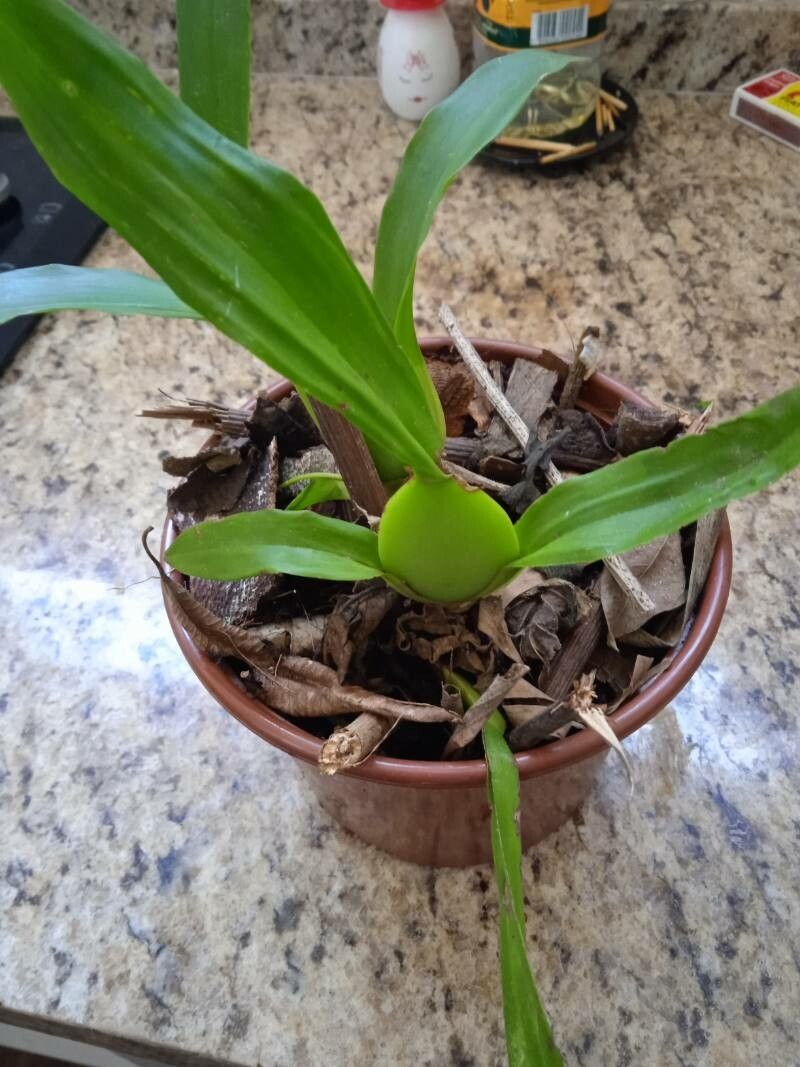
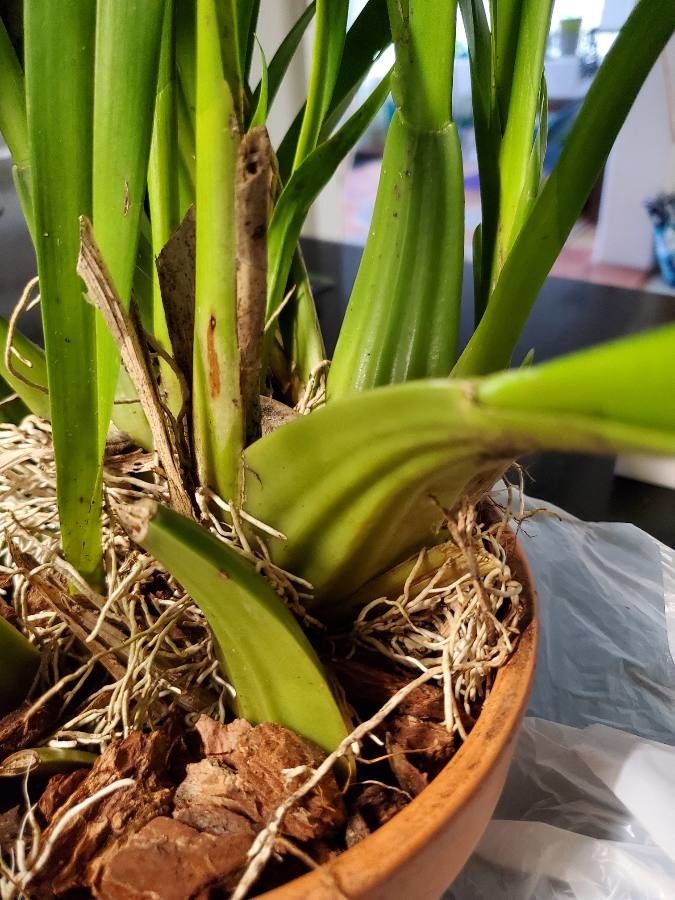
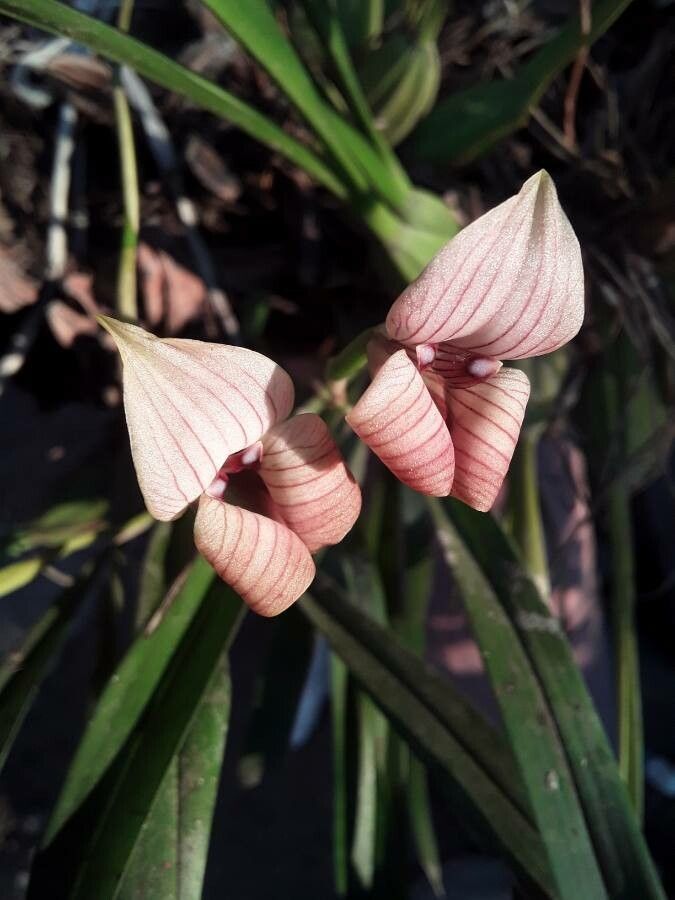
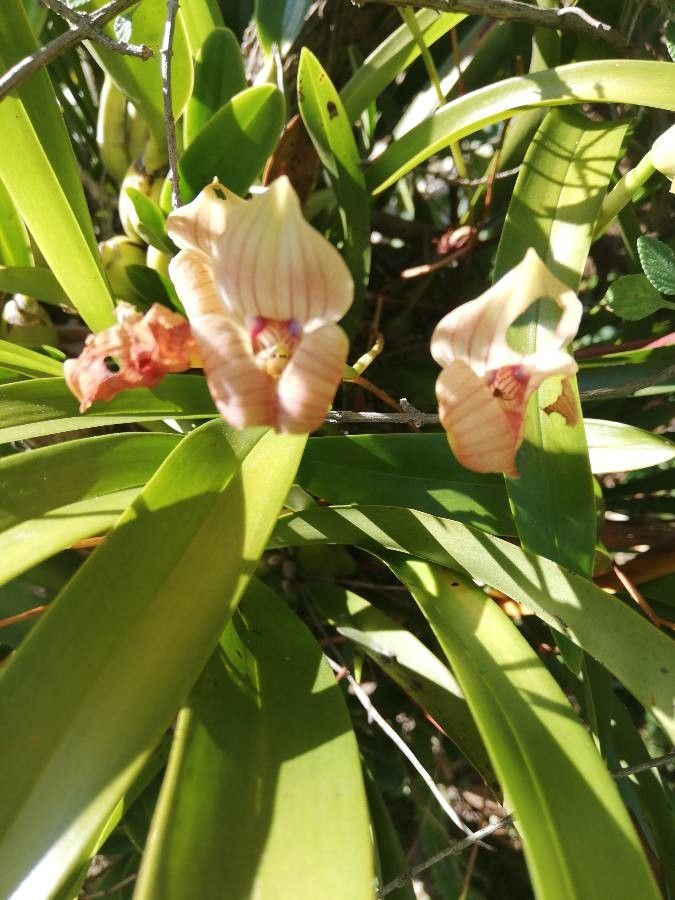
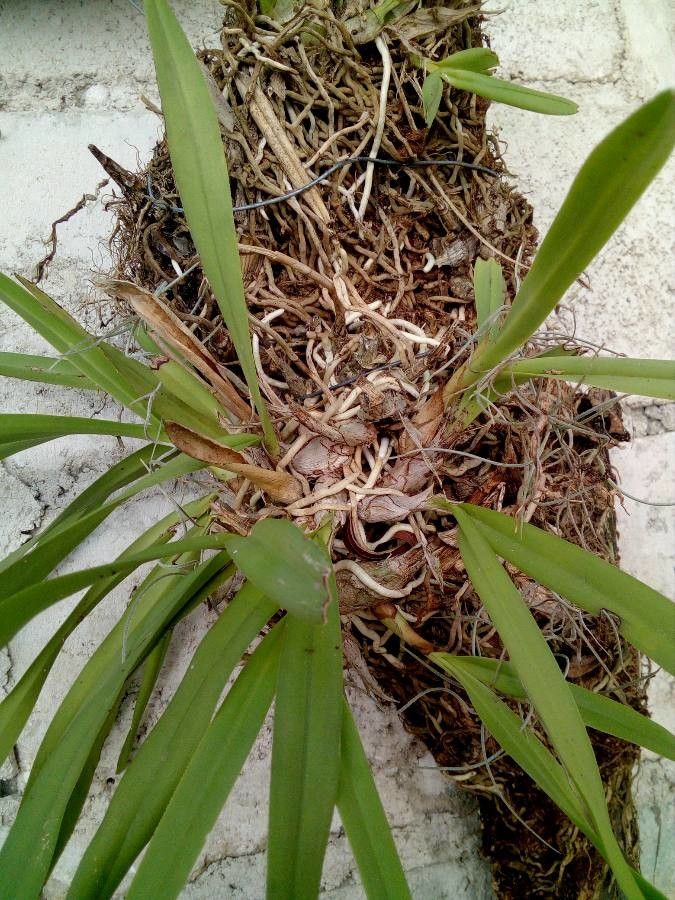
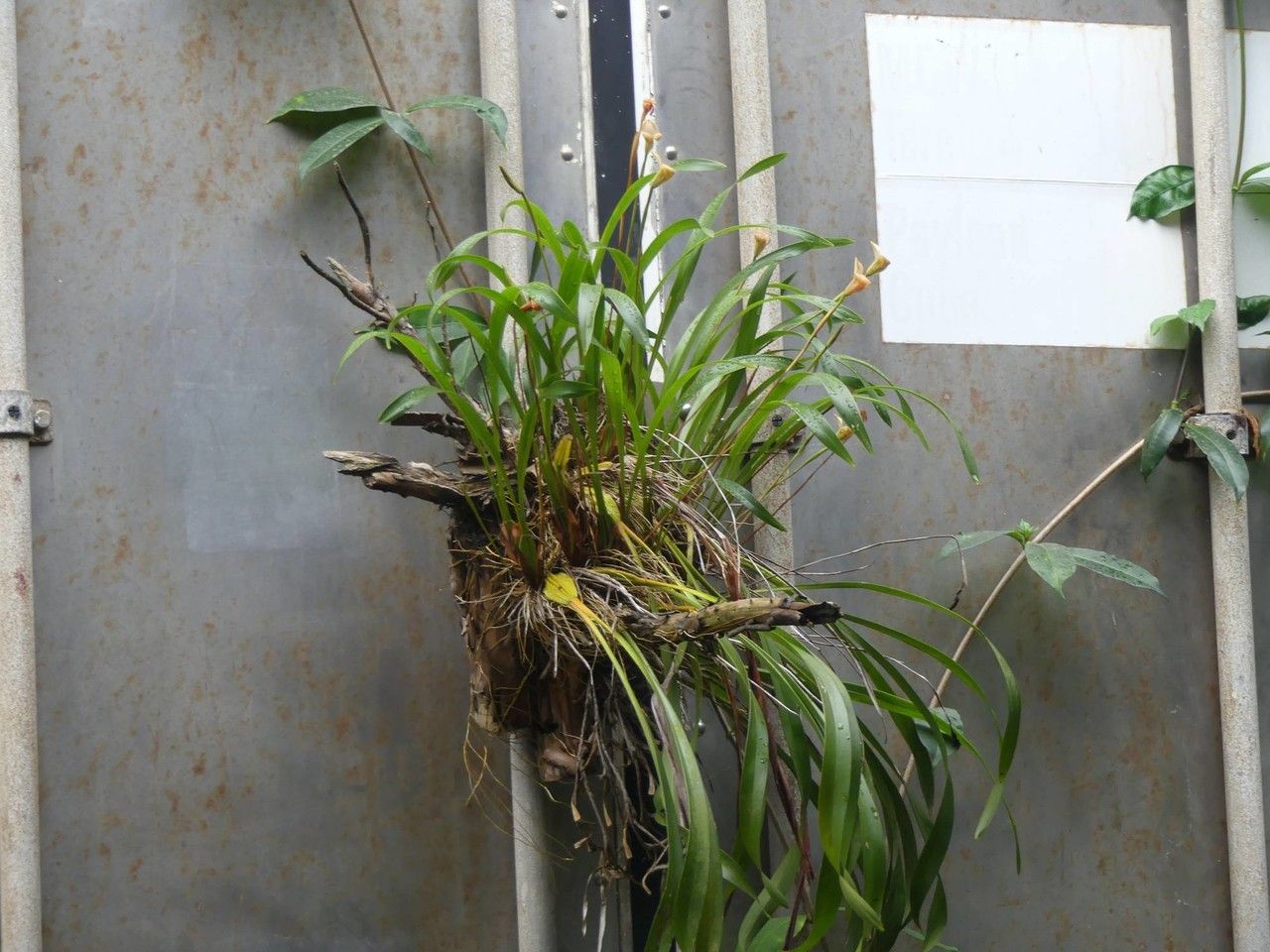
Trigonidium egertonianum is an orchid found in Central and South America.
Maxillaria egertoniana is generally resistant to disease and encounters relatively few insect pests. Its care is considered difficult because it needs high humidity along with good ventilation and an environment with few harmful pathogens. Too much watering can cause root rot. Although anyone can grow Maxillaria egertoniana, keeping it healthy and prompting it to flower again requires more cultivation experience.
How to keep Trigonidium Egertonianum.
Light
Maxillaria egertoniana naturally thrives in habitats like forest understories or rocky regions where it gets dappled sunlight. It ideally likes partial sunlight, however, it is very adaptable and can grow in full sun or complete shade, proving its flexible and robust characteristics.
Temperature
Maxillaria egertoniana flourishes in balmy conditions. This plant grows optimally in moderately elevated but not excessively tropical and humid temperatures. The warmth from sunlight contributes to plant growth and encourages blossoming. Nevertheless, an extended duration of direct sunlight in the summer can induce sunburn, hence the need to monitor its sunlight intake during this period. The plant typically struggles in cooler temperatures, so during the winter months, it necessitates appropriate safeguarding and a warmer environment to stave off frost.
Fertilizer
Maxillaria egertoniana necessitates the greatest amount of fertilizer when it's in its vigorous growth stage, typically in the spring, summer, and early autumn. The role of fertilizer is to supplement the potential nutrient deficiencies in the ground, thereby fostering robust root and stem growth, including appealing foliage, which is a standout quality of this specific plant.
Pot & Repot
When you're repotting Maxillaria egertoniana, opt for a marginally bigger pot that offers robust drainage, ideally going for a transparent orchid pot. Incorporate a well-draining, special orchid mix with components of bark or moss. Carefully cleanse the roots and cut any that are withered or decomposing. Aim to repot post blooming, typically during spring or autumn, give it a good water soak and position it in a bright area with indirect light. Refrain from unsettling the roots once it's been repotted.
Botanical profile.
- Plant Type
- Herb
- Life Cycle
- Perennial
- Genus
- Trigonidium
- Family
- Orchidaceae
- Hardiness Zone
- 10-12
- Mature Height
- 30 cm to 61 cm
- Mature Spread
- 20 cm to 30 cm
- Leaf Color
- Light Green, Forest Green
- Leaf Type
- Evergreen
- Flower Color
- Yellow, White
- Flower Size
- 2.03 cm to 3.05 cm
- Bloom Time
- All year round
- Planting Time
- Spring, Summer, Autumn
- Harvest Time
- Late spring, Summer, Fall, Winter, Early spring, Mid spring
- Native Area
- Colombia, Belize, Honduras, Mexico, Guatemala, Venezuela, Guyana, El Salvador, Nicaragua, Ecuador, Costa Rica, Panama