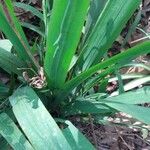
Trimezia martinicensis
Walking Iris · Martinique Trimezia · Dragon's blood · Wild scallion
Description
Source: leafsnapTrimezia martinicensis is a species of bulbous plant in the family Iridaceae. Originally from South America and the West Indies, it is now widely naturalized throughout the tropics. Common names include Martinique trimezia, yellow walking iris and forenoon yellow flag.
Care Guide
💧 Water
The yellow walking iris, native to moist tropical regions, thrives when it receives consistent moisture and regular weekly watering. While it can tolerate short periods of dryness, the plant prefers higher humidity levels, making it well-suited for indoor cultivation. Ensuring proper hydration is key to supporting its vibrant blooms during the active growing season.
How should I water my Yellow walking iris?
To properly water the Yellow walking iris, it is recommended to use filtered water at room temperature. This is because tap water may contain harmful particles. It is important to use water that is at room temperature or slightly warmer because the Yellow walking iris is accustomed to a warm environment and cold water could be a shock to its system. Instead of overhead watering, it is best to apply the filtered room temperature water directly to the soil until the soil is completely soaked. This allows the roots to be moistened and helps them spread through the soil to gather necessary nutrients.
What should I do if I give my Yellow walking iris too much or too little water?
Overwatering is a more common issue and can be detrimental to the health of your Yellow walking iris. When the plant receives too much water, its stems and leaves may wilt and turn yellow. Prolonged overwatering can also lead to diseases like root rot, mold, and mildew, which can be fatal for the plant. Underwatering is less common but still possible. In this case, the leaves may become brittle and brown. It's important to notice the signs of overwatering early on and reduce your watering schedule immediately. If the soil drains poorly, replace it with a loose, well-draining potting mix. If the plant is not receiving enough water, simply water it more regularly until the signs of underwatering have subsided.
How frequently should I water my Yellow walking iris?
If your Yellow walking iris is in a pot, the most precise way to determine if it needs water is by checking the soil. Simply stick your finger into the soil and if the top two to three inches are dry, it's time to water it. If you have your Yellow walking iris planted outdoors in the ground, you can use the same method to test the soil. If the top few inches of soil have dried out, it's time to water it. Typically, during spring and early fall, you would water this plant once a week using this method. However, during extremely hot weather, you may need to water it twice or more per week. Nonetheless, mature and well-established Yellow walking irises have a great ability to tolerate drought.
How often should I water my Yellow walking iris?
To properly water your Yellow walking iris, don't be afraid to give it plenty of water. Make sure the top two to three inches of soil are dry before watering, and then give it a thorough watering until the soil is completely soaked. You'll want to add enough water to see it draining through the bottom drainage holes of the pot. If you don't see any excess water draining, you may not have given it enough water. However, be careful not to let the water accumulate in the soil, as this can harm the plant. If the water isn't draining properly through the pot, it could mean that the soil is not draining well either, which is not good for the plant's health. If the plant is outdoors, it should receive about 1 inch of rain per week, which will be enough.
How do I water my Yellow walking iris as it grows?
The water needs of the Yellow walking iris vary depending on growth stages. In the first few years of its life or after being transplanted, it requires more water to support root development and future growth. As it matures, the water needs decrease. Additionally, during the bloom period, the plant may need more water to support flower development.
☀️ Light Partial sun
The yellow walking iris does well in moderate light like dappled shade and can also tolerate low-light conditions similar to those found beneath a forest canopy. However, too little or too much sunlight can hinder its optimal growth, resulting in stunted growth or leaf burn.
What are the sunlight requirements for Yellow walking iris?
The Yellow walking iris requires partial sun, which means about 3-6 hours of sunlight daily, but it can also tolerate full shade conditions, defined as less than 3 hours of sunlight. It's essential to observe the movement of sunlight through your garden to ensure the right balance of light and shade for your plants, aiming for their optimal growth and happiness. Additionally, the plant can flourish in moderate light characteristic of dappled shade and is tolerant of low-light conditions. However, both a deficiency and an excess of sunlight can be detrimental, potentially causing stunted growth or leaf burn.
How can artificial lighting be used for Yellow walking iris?
Artificial lighting can support the Yellow walking iris's growth, especially when natural sunlight is insufficient. LED lights are recommended because they can be customized to the wavelengths your plants need. For full sun plants, 30-50W/sq ft is advised, partial sun plants require 20-30W/sq ft, and full shade plants need 10-20W/sq ft of artificial light. The light source should be placed 12-36 inches above the plant, simulating natural sunlight distance. It's also important to mimic natural daylight hours, with most plants needing 8-12 hours of light per day.
What are the symptoms of inadequate light for Yellow walking iris?
Symptoms of inadequate light for Yellow walking iris include small, underdeveloped new leaves compared to older ones, leggy or sparse growth with increased distances between leaves or stems, faster leaf drop as the plant conserves resources, slower or halted growth, and irregular color patterns or paleness in new leaves indicating insufficient chlorophyll. Moreover, chlorosis, sunscald, leaf curling, wilting, and leaf scorching can occur due to excessive sunlight, demonstrating the plant's inability to cope with harsh light conditions.
What solutions are available for addressing Yellow walking iris's light-related issues?
To address light-related issues for the Yellow walking iris, gradual adaptation to light conditions is key. For indoor plants, move them to sunnier spots weekly until achieving 3-6 hours of direct sunlight daily or use artificial lighting sources like desk or ceiling lamps for at least 8 hours daily. For outdoor plants, similarly, move them gradually to sunnier locations to prevent sudden changes and potential sunburn. If obstructions like trees block sunlight, consider pruning. For smaller plants, transplanting during their dormant period (late winter or early spring) to a location with more sunlight and good drainage is beneficial. Keep in mind that while parts of the plant affected by insufficient light might not recover, new growth should be healthy following these adjustments.
🌡️ Temperature 20–37.8°C
The yellow walking iris is indigenous to areas where temperatures range from 68 to 100 °F (20 to 38 °C). It prefers those warmer temperatures and grows best in heat. Increase shading during very hot summers and provide protection in cooler winters.
What is the native climate for Yellow walking iris?
Yellow walking iris, also known by its botanical name Trimezia martinicensis, is native to climates where temperatures range between 68°F to 100°F (20°C to 38°C). It thrives particularly well in warmer conditions, reflecting its preference for temperatures within this range. To ensure its well-being, it's advisable to provide more shade during intense summer heat and to protect it during cooler winters. This plant is extremely heat-loving, and exposure to cold temperatures can be harmful. Therefore, during autumn, if the plant is grown outdoors, it is recommended to bring it indoors and place it near a bright window, ensuring it is kept at a certain distance from heaters to maintain temperatures above 20°C during winter, as temperatures approaching 0°C can be detrimental to the plant's health.
How does low temperature affect Yellow walking iris, and what are the solutions?
Yellow walking iris prefers warm temperatures and does not tolerate low temperatures well. It thrives best when the temperature is maintained above 20°C and should be kept from dropping below 0°C during winter. Exposure to temperatures below -5°C can lead to the lightening of the leaves. Following frost damage, the affected leaves' color can gradually turn brown or black, exhibiting symptoms such as wilting and drooping. To address these issues, trim off the frost-damaged parts and immediately move the plant to a warm environment for protection against cold. Placing the plant near a south-facing window ensures ample sunlight, but it should not be placed near heaters or air conditioning vents to prevent excessive dryness in the air.
What should be done if Yellow walking iris is exposed to high temperatures?
During summer, it's important to keep Yellow walking iris below 38°C to prevent heat stress. Exposure to temperatures exceeding 43°C can cause the leaves to lighten in color and make the plant more susceptible to sunburn. To mitigate damage from high temperatures, trim away the sunburned and dried-up parts of the plant. Move the plant to a location that provides shade from the midday and afternoon sun. Additionally, watering the plant in the morning and evening helps keep the soil moist, which is crucial for the plant's health during periods of high heat.
💨 Humidity high (>60%)
This plant needs special care because it loves high humidity levels of 60-80% or more. The best way to achieve this is by placing a humidifier near the plant. Daily misting is also essential! Make sure the room has good ventilation.
🪴 Soil 5-6
🌱 Fertilizer
Proper fertilization is vital for the health and appearance of the Yellow walking iris. Fertilize the Yellow walking iris during summer, repeating the application monthly throughout the season. Nutrients supply the energy needed for growth and help maintain the plant’s parts. Fertilizing improves the Yellow walking iris’s flowering, ensuring the best blooms.
🪴 Pot & Repot
✂️ Pruning
The yellow walking iris features vibrant yellow flowers and sword-shaped leaves. To keep the plant healthy, prune it in early spring or late winter. Be sure to remove any dead leaves and spent stalks, but avoid over-trimming, as the plant recovers slowly. With regular care, you can enhance its appearance and encourage abundant blooming.
🌿 Propagating
🐛 Diseases & pets
☠️ Toxicity
Characteristics
- Plant Type
- Herb
- Life Cycle
- Perennial
- Genus
- Trimezia
- Family
- Iridaceae
- Hardiness Zone
- 9-11
- Mature Height
- 30 cm to 76 cm
- Mature Spread
- 46 cm to 61 cm
- Leaf Color
- Green
- Leaf Type
- Evergreen
- Flower Color
- Yellow
- Flower Size
- 2.03 cm to 5.08 cm
- Bloom Time
- Early summer, Mid summer
- Planting Time
- Spring, Summer
- Harvest Time
- Mid summer
- Native Area
- Brazil, Colombia, Bolivia, Venezuela