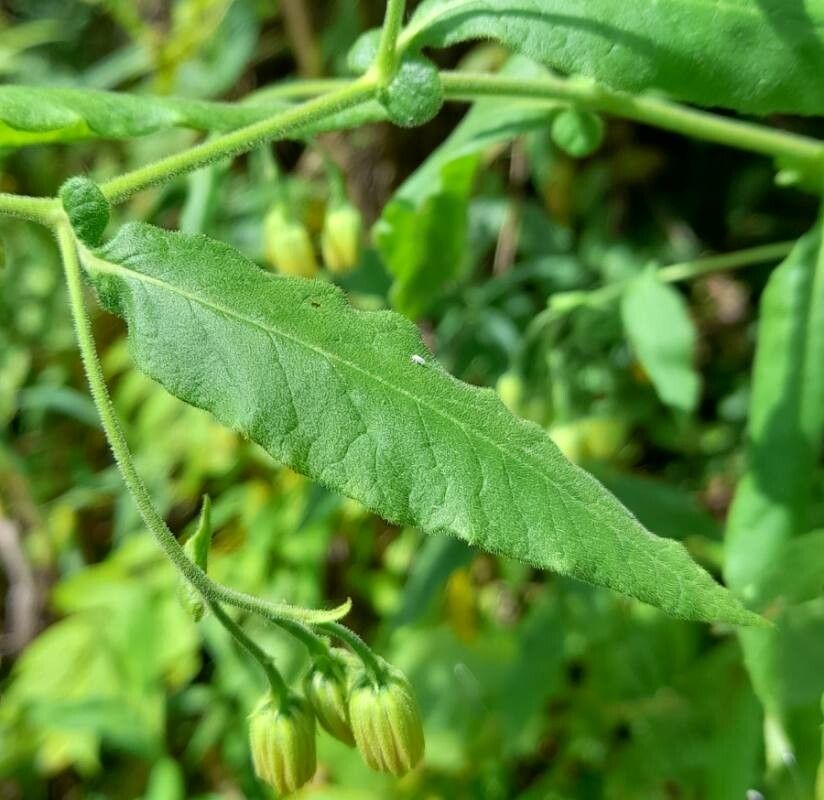
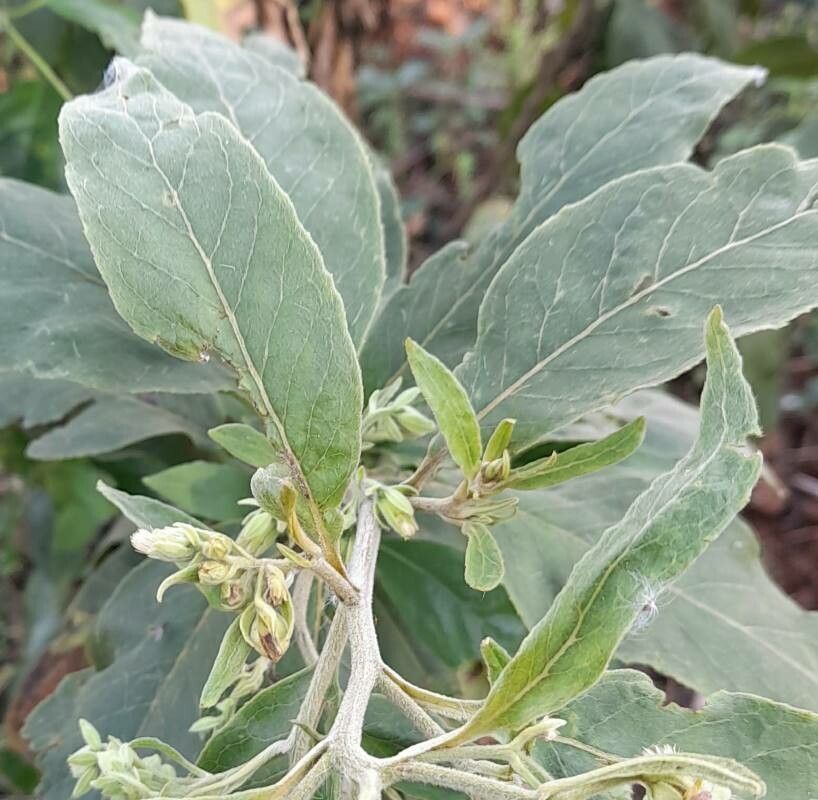
Trixis inula, commonly known as Mexican trixis or yellow trixis, is a perennial plant that belongs to the Asteraceae family. Native to Mexico and Central America, it has been introduced to other parts of the world as an ornamental plant.
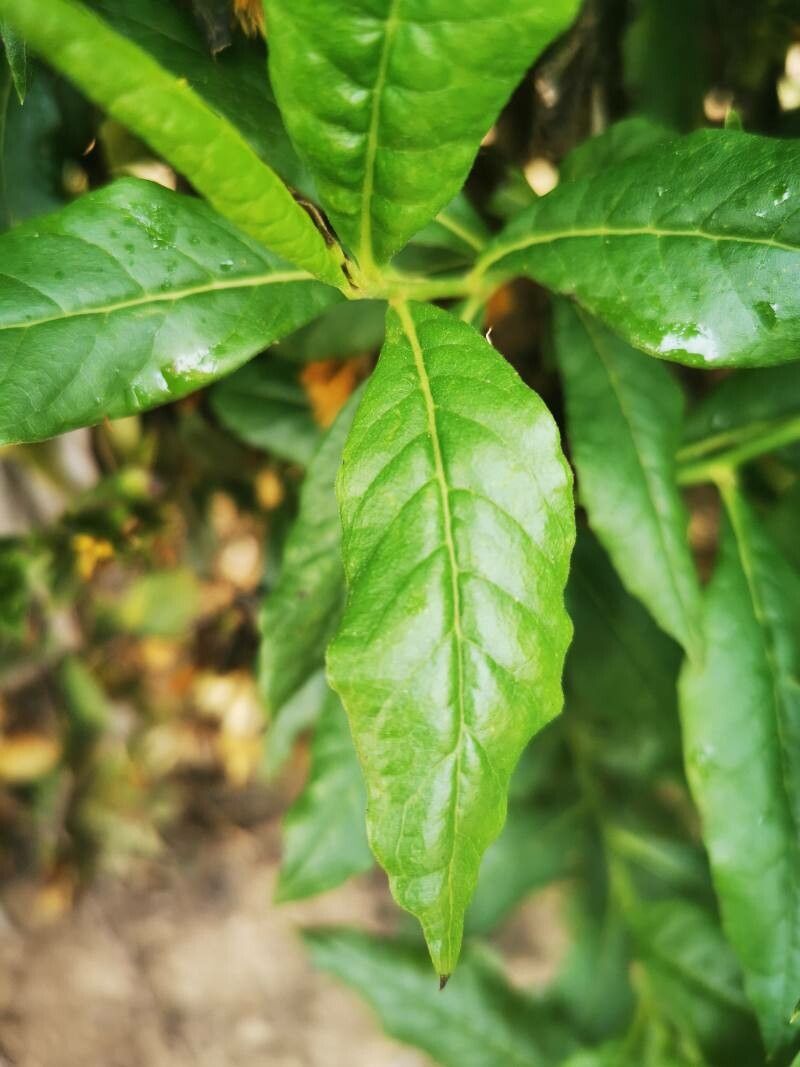
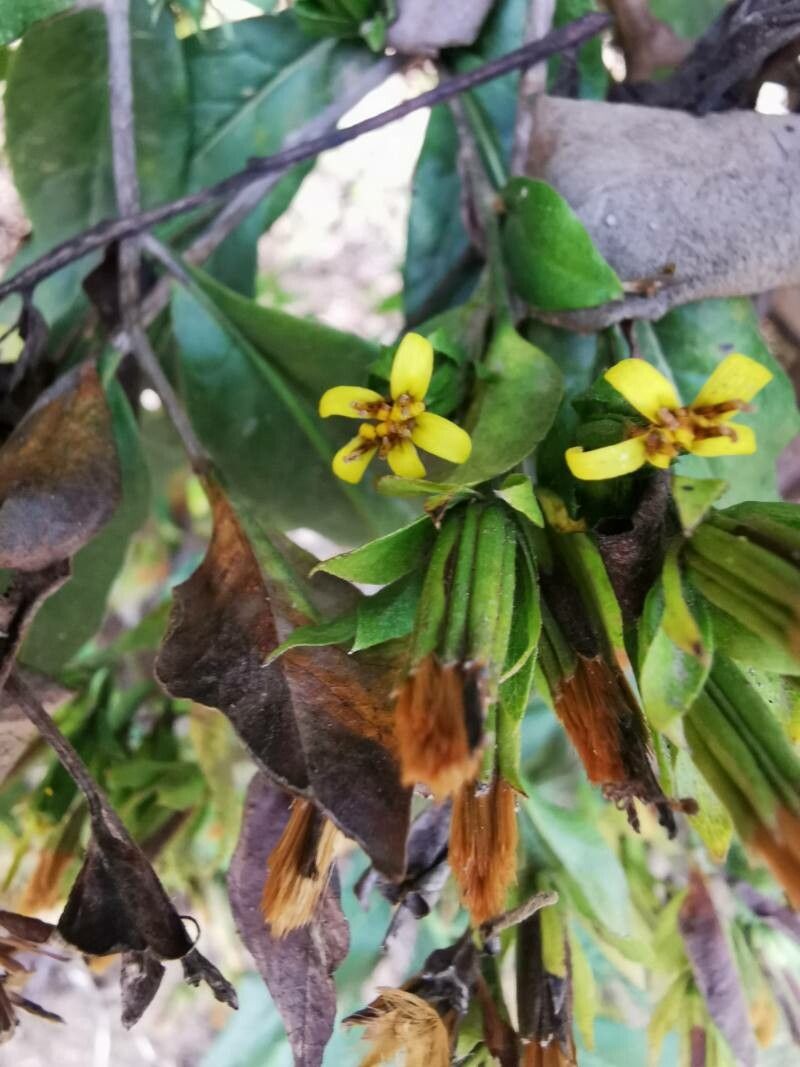
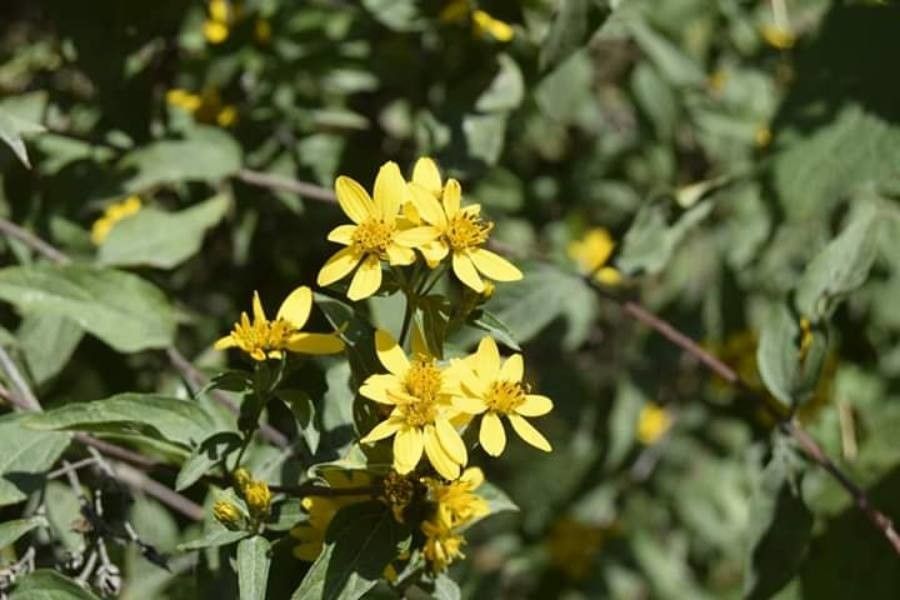
This plant can grow up to 1 meter tall, featuring a bushy habit with numerous branches. Its leaves are small, narrow, green, and have serrated edges. The bright yellow flowers have five petals and form a daisy-like shape.
Trixis inula thrives in well-drained soil and full sun exposure, though it can also tolerate partial shade. While it is drought-tolerant once established, it requires regular watering during its initial growth period.
Often used for landscaping because of its attractive flowers and foliage, Trixis inula can be grown as an annual or perennial depending on the climate conditions of the region.
In traditional medicine, Trixis inula has been used to treat various ailments such as respiratory problems and fever. It also has wound-healing properties due to its anti-inflammatory effects.
Overall, Trixis inula makes an excellent addition to any garden or landscape due to its attractive appearance and medicinal benefits, making it both beautiful and useful!
Tropical threefold is highly disease resistant and is generally not susceptible to illnesses. Regarding care, this plant is fairly low-maintenance. When grown outdoors it needs only minimal watering, and larger specimens typically do not require pruning. Smaller plants, however, should be pruned after they have bloomed. Tropical threefoldt is suitable for anyone with outdoor space, such as a garden or deck, and does not demand extensive plant-care experience.
How to keep Trixis Inula.
Light
Tropical threefold comes from open habitats, such as sunny meadows and forest edges, which supply plenty of light. It performs best in Full Sun but can tolerate Partial Sun, adjusting well to different sunlight conditions.
Temperature
Tropical threefold comes from tropical areas, where the climate is generally warm and humid. As a result, it is adapted to high heat and humidity. It does not tolerate sudden temperature changes and prefers a stable temperature, so avoiding indoor temperature fluctuations is important. It typically cannot withstand cold and needs warmer conditions to grow. If the surrounding temperature falls too low, the plant may stop growing or even die.
Fertilizer
The best time to fertilize a Tropical threefold is in early spring, as it breaks dormancy. This supports overall growth and flower formation. Fertilizing improves the foliage, stems, and branches, and encourages flowers that are large, bright, and long-lasting. It helps transfer nutrients from the roots to the flowers and enhances the plant’s health and resistance to disease.
Pruning
To keep a tropical threefold plant healthy and vibrant, it is important to prune it in early spring. Begin by removing any dead branches and thinning out dense areas. This improves air circulation, encourages healthy blooms, and helps prevent disease. Pruning is essential for maintaining the plant’s structural integrity, promoting new growth, and enhancing its overall vitality and aesthetic appeal.
Botanical profile.
- Plant Type
- Shrub
- Life Cycle
- Perennial
- Genus
- Trixis
- Family
- Asteraceae
- Hardiness Zone
- 9-11
- Mature Height
- 0.49 m to 1.52 m
- Mature Spread
- 61 cm to 91 cm
- Leaf Color
- Green, Dark Green
- Leaf Type
- Deciduous
- Flower Color
- Yellow
- Flower Size
- 1.02 cm to 2.03 cm
- Bloom Time
- Summer, Early fall, Mid fall
- Planting Time
- Spring, Summer, Autumn
- Harvest Time
- Late summer, Fall, Early winter
- Native Area
- Colombia, Cuba, Honduras, Mexico, Guatemala, Venezuela, El Salvador, Nicaragua, Costa Rica, Panama, Jamaica
Other names.