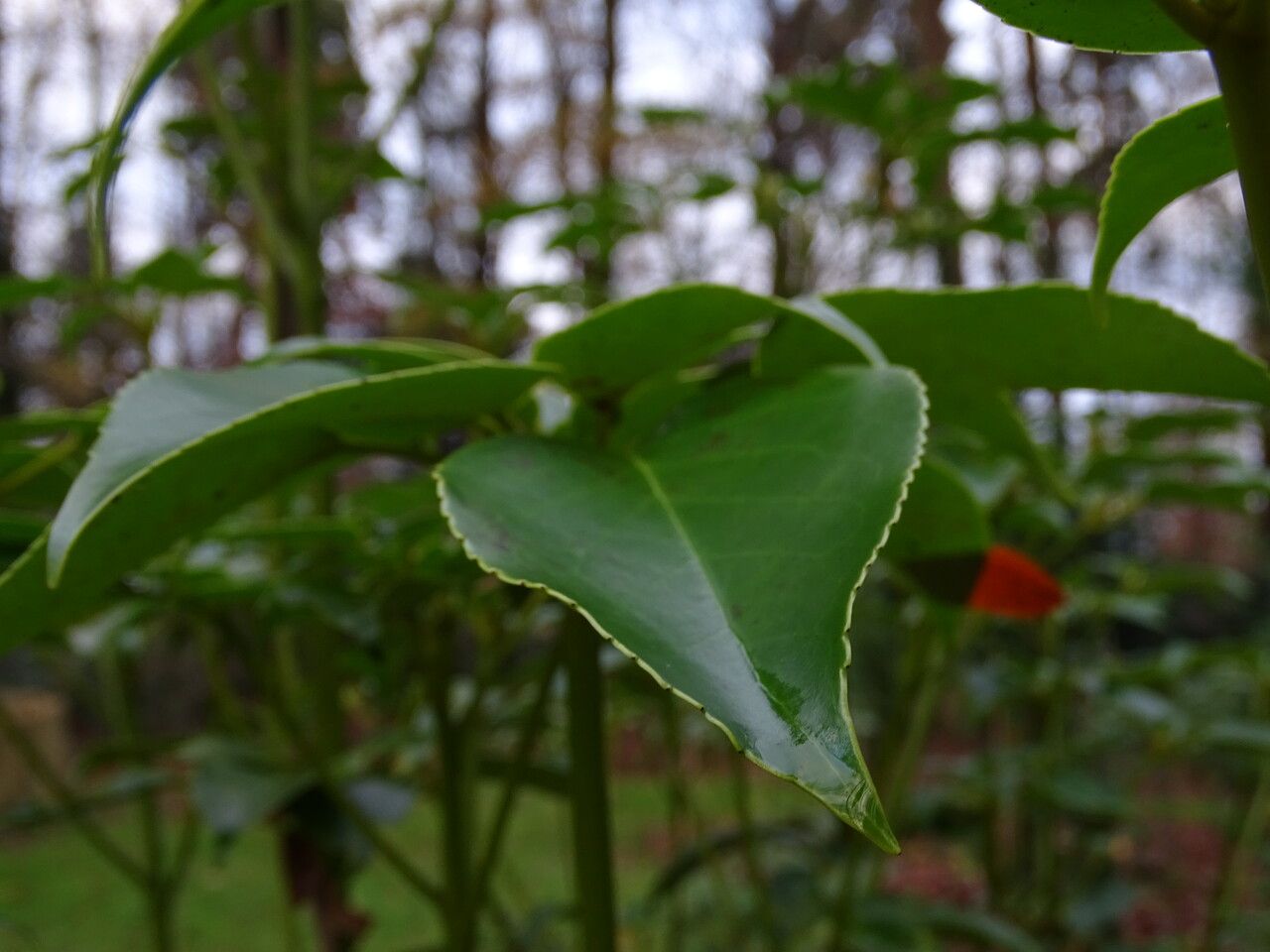
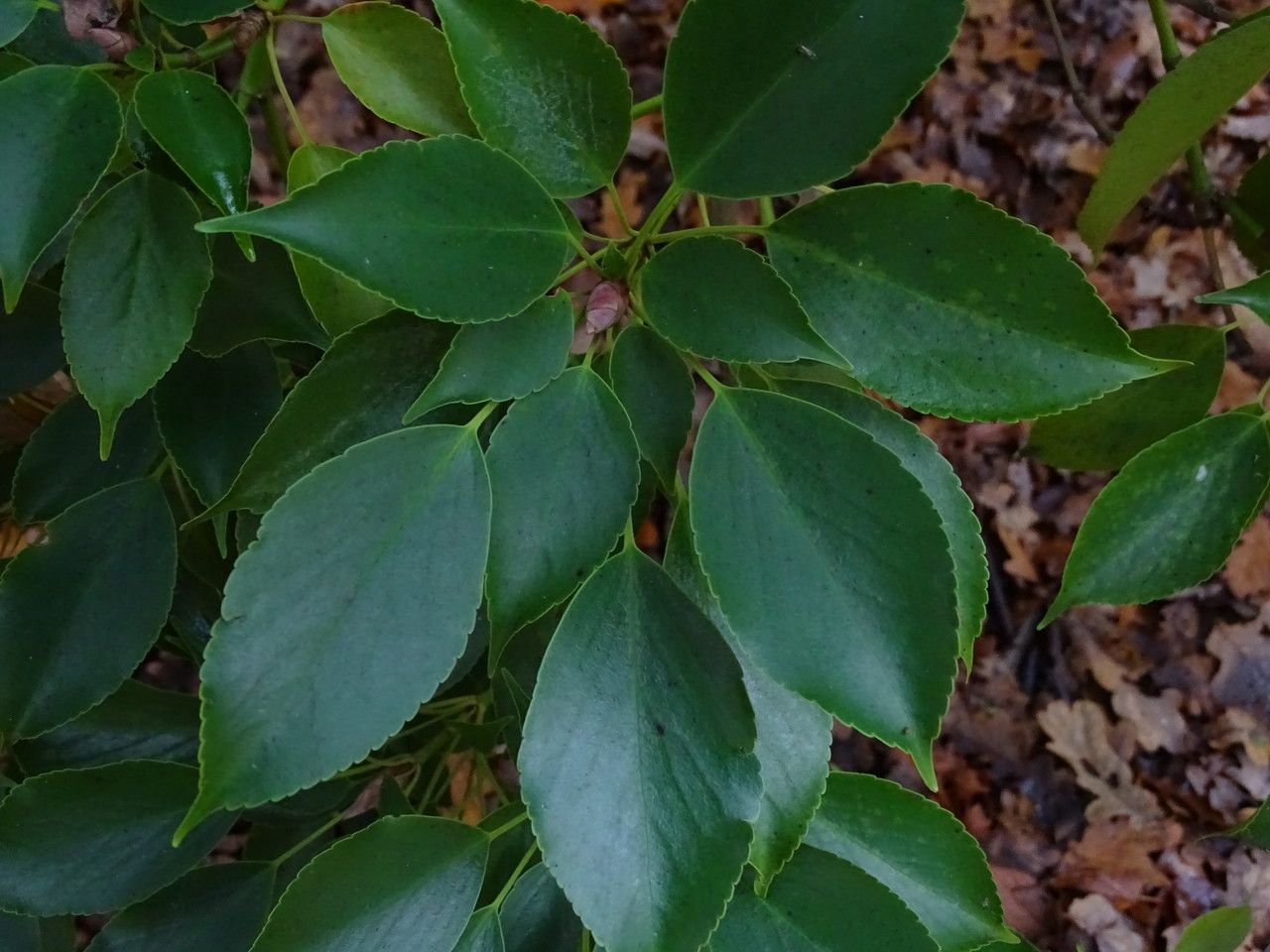
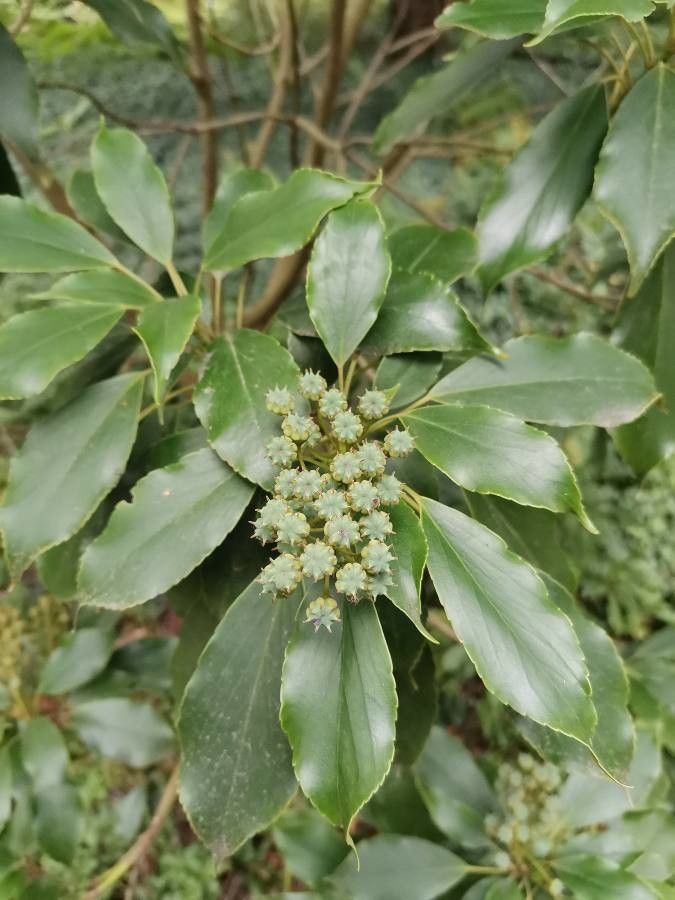
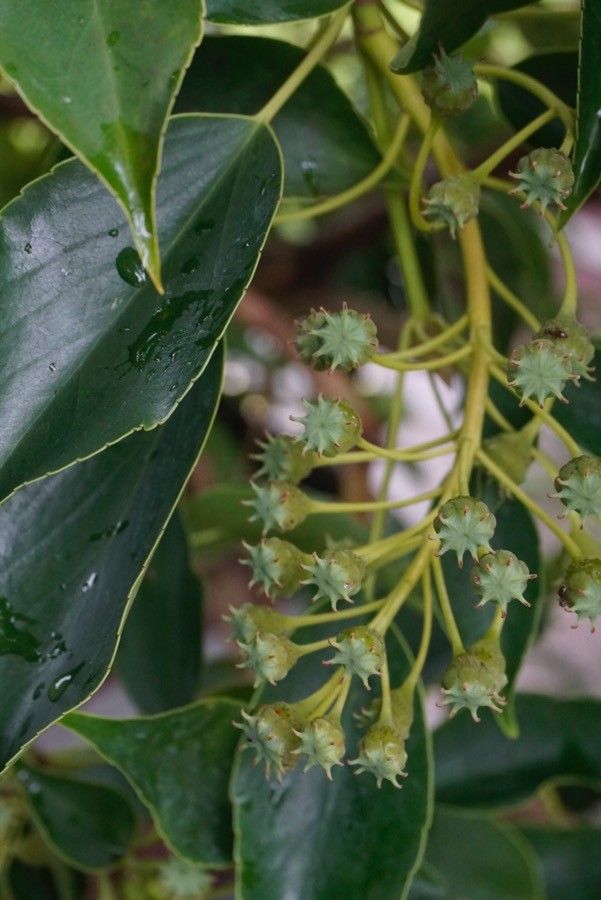
Trochodendron aralioides, commonly known as the wheel tree or wheel of fortune, is a unique and rare plant species native to Japan and Taiwan. It belongs to the family Trochodendraceae and is the sole species in its genus. The plant is easily recognizable by its large, glossy green leaves, which are circular with serrated edges. These leaves can grow up to 20 cm in diameter and are arranged alternately on the stem.
The tree can reach heights of up to 10 meters, though it usually stays smaller when cultivated as an ornamental plant. It has a slow growth rate but can live for several hundred years under favorable conditions.
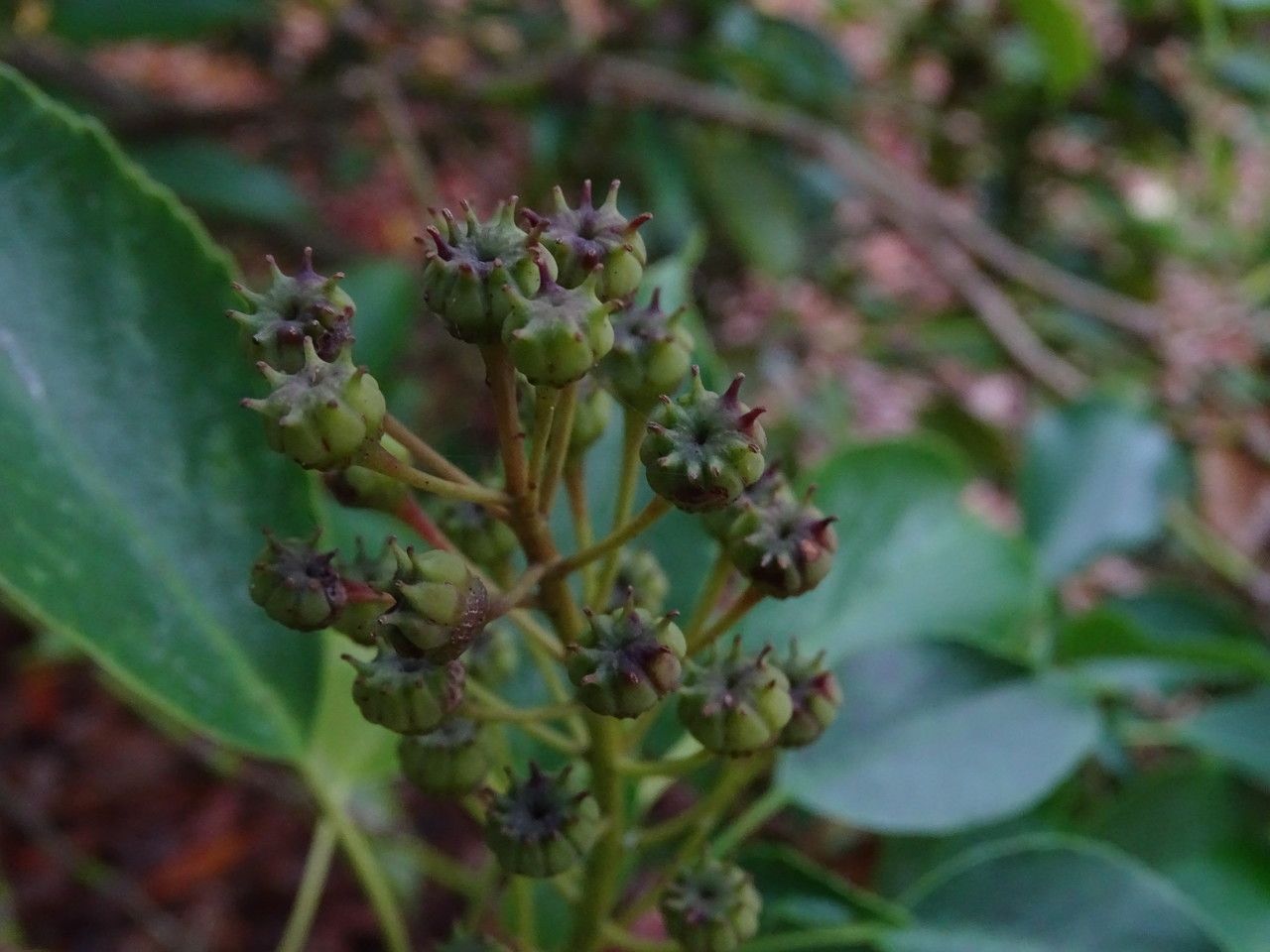
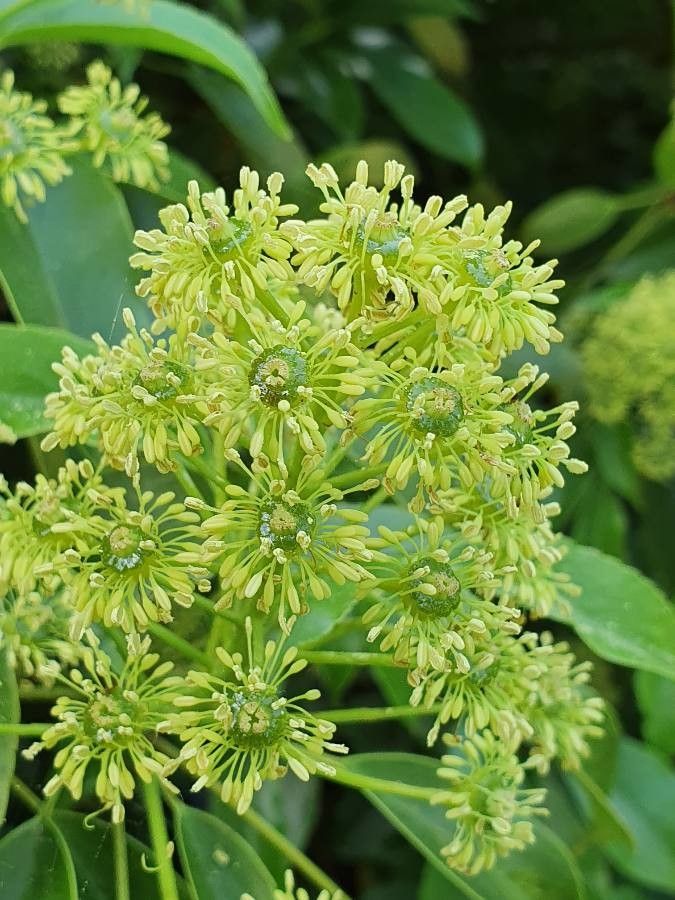
Trochodendron aralioides produces small greenish-yellow flowers that bloom from late winter through early spring, before the new foliage emerges. These flowers are followed by small fruit capsules that contain numerous seeds.
This plant thrives in moist, well-drained soil with partial shade or filtered sunlight. It is hardy in USDA zones 7-9 but may require protection from frost during the winter months.
Horticulturists highly value Trochodendron aralioides for its unique appearance and rarity, making it an excellent ornamental tree or shrub for gardens, parks, and landscapes. Its striking foliage makes it suitable as a specimen planting or an accent feature.
Overall, this fascinating species offers both aesthetic beauty and ecological value, making it a wonderful addition to any garden space!
The Asiatic wheel tree has strong disease resistance and is usually not susceptible to illness. In terms of care, the plant is fairly low-maintenance. When grown outdoors it needs only occasional watering, and larger specimens typically do not require pruning. Smaller plants, however, should be pruned after they finish blooming. The Asiatic wheel tree is well suited for anyone with outdoor space, such as a garden or deck, and does not demand much gardening experience.
How to keep Trochodendron Aralioides.
Light
The asiatic wheel tree grows best with a moderate amount of sun, though it can tolerate conditions from intense sunlight to very low light. Originating from habitats shaded by taller trees, it demonstrates resilience across different light levels. Nevertheless, both too little and too much sunlight can hamper its growth.
Water
The Asiatic wheel tree thrives in moist, well-drained soils and requires stable hydration. It should be watered every two weeks. As an evergreen, this tree retains its foliage throughout the year and needs consistent moisture. Typically grown outdoors, the Asiatic wheel tree benefits from mulching, which helps maintain soil moisture and replicates its natural habitat.
Temperature
The Asiatic wheel tree is naturally suited to mild climates and prefers temperatures of 50 to 95 °F (10 to 35 ℃). To keep it vigorous, avoid freezing or extreme heat: give it winter protection and ample shade during scorching summer days.
Fertilizer
The timing is important when fertilizing the Asiatic wheel tree. Apply fertilizer in early spring and repeat monthly through early summer. Fertilizer encourages attractive blooms and supplies energy during both dormant and active growth periods.
Pruning
The Asiatic wheel tree is known for its striking greenish-white flowers and glossy, evergreen leaves. To maintain its shape and remove any damaged parts, prune the tree between early and late winter. This will also help keep the canopy open, allowing for better air circulation. Regular pruning not only promotes growth but also enhances the tree's appearance. Remember to sanitize your pruning tools to prevent the spread of disease.
Pot & Repot
Repot the Asiatic wheel tree every 2-3 years into a slightly larger pot with good drainage. The ideal time for repotting is in late winter or early spring. After repotting, supply the tree with moderate water and keep it in partial shade to help it recover.
Botanical profile.
- Plant Type
- Tree, Shrub
- Life Cycle
- Perennial
- Genus
- Trochodendron
- Family
- Trochodendraceae
- Hardiness Zone
- 6-10
- Mature Height
- 3.05 m to 6.1 m
- Mature Spread
- 3.05 m to 4.57 m
- Leaf Color
- Green, Yellow, Gold
- Leaf Type
- Evergreen
- Flower Color
- Green, Yellow
- Flower Size
- 1.52 cm to 1.78 cm
- Bloom Time
- Mid spring, Late spring
- Planting Time
- Spring, Autumn
- Harvest Time
- Late summer, Early fall, Mid fall
- Native Area
- Japan, China
Other names.
Reader questions.
What are the sunlight requirements for the Asiatic wheel tree?
The Asiatic wheel tree thrives in a moderate amount of sun but can withstand a wide range of light conditions, from intense sun exposure to minimal light. This resilience is attributed to its natural habitat under the canopy of taller trees, where it receives filtered sunlight. The tree can experience growth issues if exposed to either too little or too much sunlight. It's also highlighted that observing the light movement in your garden can help in choosing the right spot for your plants, balancing light and shade for optimal growth.
What is the ideal temperature range for an Asiatic wheel tree?
The Asiatic wheel tree thrives in mild temperatures, with an ideal range between 50 to 95 °F (10 to 35 °C). It's adapted to environments that do not experience extreme weather conditions. To maintain its health, it's important to protect it from freezing temperatures as well as excessively hot weather by providing winter shelter and ample shade during hot summer days.
How do indoor plants benefit from artificial lighting?
Indoor plants benefit significantly from artificial lighting, especially when natural sunlight is inadequate, such as in winter or less sunny spaces. Artificial lights, like LED, can be tailored to provide the specific wavelengths needed by the plants, ensuring they receive enough light for optimal growth. The correct setup involves choosing the suitable type of light, adjusting the light source to the appropriate distance (12-36 inches above the plant), and mimicking natural daylight hours (8-12 hours per day), depending on the plant's needs.
How does the Asiatic wheel tree cope with cold weather?
The Asiatic wheel tree has a strong resistance to cold and usually does not require special frost protection measures. However, in regions where winter temperatures may plummet below -25°C, it's crucial to safeguard the tree by wrapping its trunk and branches with non-woven fabric or cloth. Additionally, watering the plant generously before the first freeze of autumn helps keep the soil moist, aiding the tree in weathering the cold months without drought stress.
What are the symptoms of insufficient or excessive sunlight in Asiatic wheel trees?
Symptoms of insufficient sunlight in Asiatic wheel trees include smaller leaves, leggy or sparse growth, faster leaf drop, slower or halted growth, and lighter-colored or irregularly colored new leaves. Excessive sunlight can cause chlorosis (yellowing leaves), sunscald (pale or necrotic spots on the plant), leaf curling (as a defense mechanism), wilting (due to increased water loss), and leaf scorching (brown, dry edges on leaves). These symptoms indicate the plant's struggle with its light environment, either seeking more light or being harmed by too much direct exposure.
What should be done if an Asiatic wheel tree is exposed to low temperatures?
The Asiatic wheel tree is cold-tolerant and should ideally be kept in conditions above -15°C during the winter. Exposure to temperatures below -25°C may not show immediate damage, but can result in brittle and dry branches by spring, with no new shoots emerging. To address this, it's recommended to prune away any dead branches in the spring, which have failed to produce new leaves.
What solutions can help handle light issues for indoor and outdoor Asiatic wheel trees?
For indoor Asiatic wheel trees experiencing light issues, gradually introducing them to sunnier spots or utilizing artificial lighting can be beneficial. Moving the plant to receive 3-6 hours of direct sunlight or using a lamp for at least 8 hours daily are promising strategies. For outdoor plants, a gradual relocation to sunnier locations can prevent sunburn. If light obstruction is an issue, pruning or transplanting to areas with better sunlight may help. It's crucial to remember that while affected parts may not recover, new growth after adjusting light conditions should be healthy.
How does the Asiatic wheel tree react to high temperatures, and what care is needed?
During summer, the Asiatic wheel tree should ideally be kept below 35°C to avoid stress from high temperatures. When the temperature rises above 41°C, the leaves may lighten in color, tips may dry and wither, and the plant becomes more prone to sunburn. To mitigate these issues, trim away sunburned and dried-up parts, relocate the plant to a shadier spot or use a shade cloth to protect it, and water it in the morning and evening to ensure the soil remains moist.