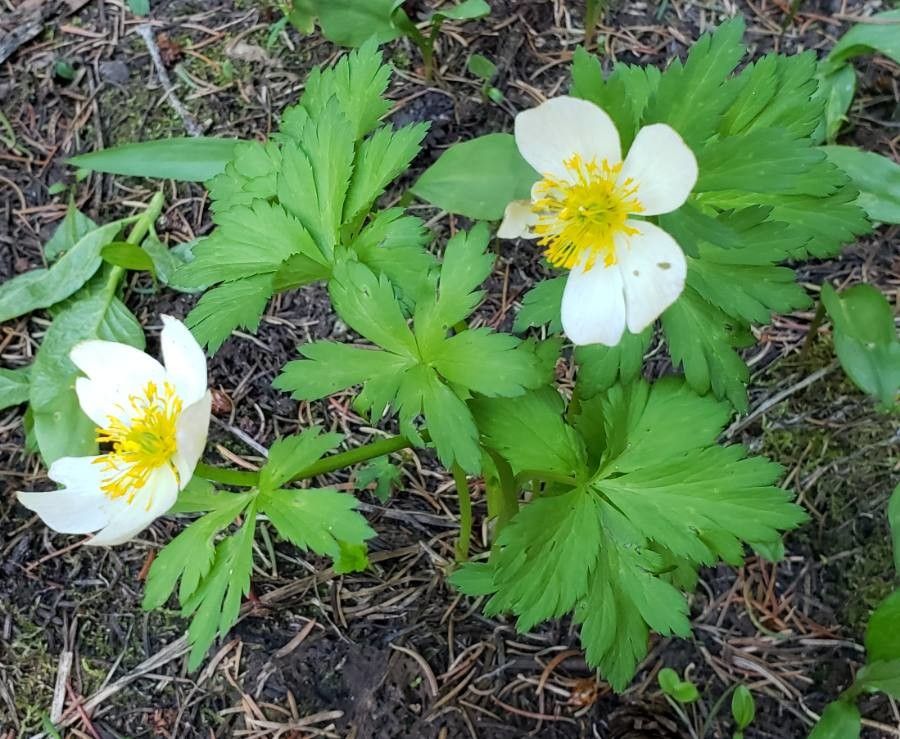
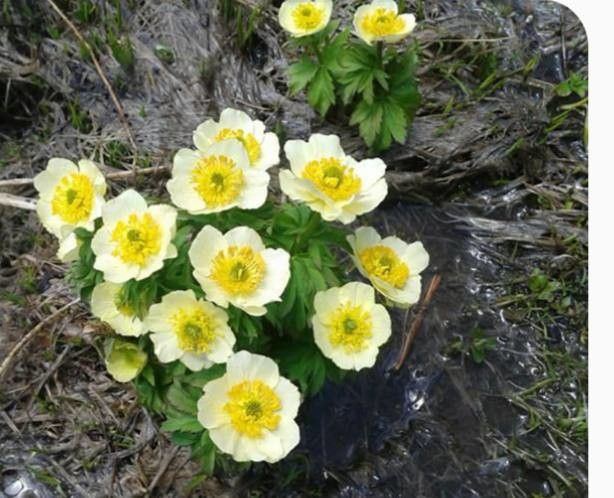
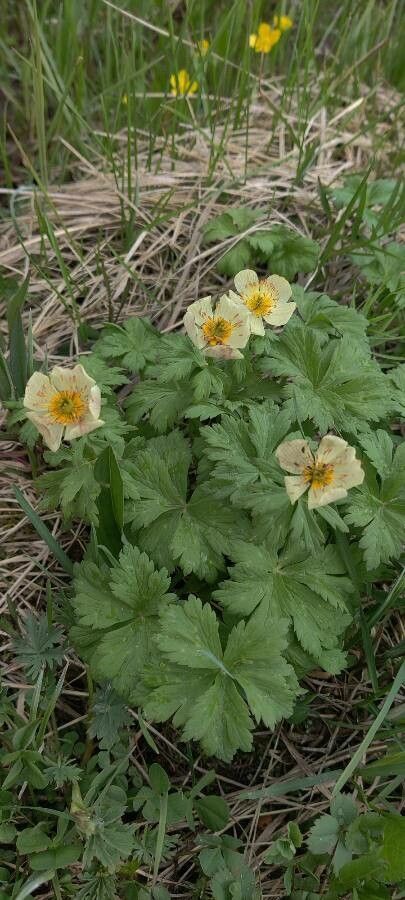
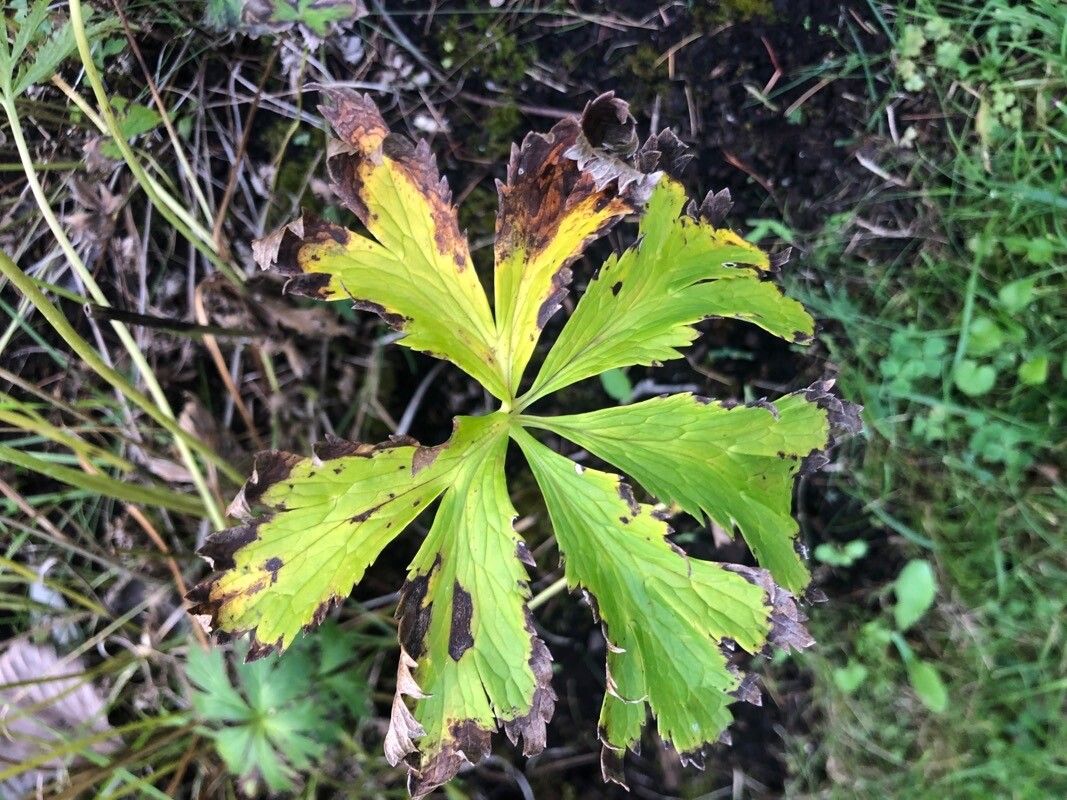
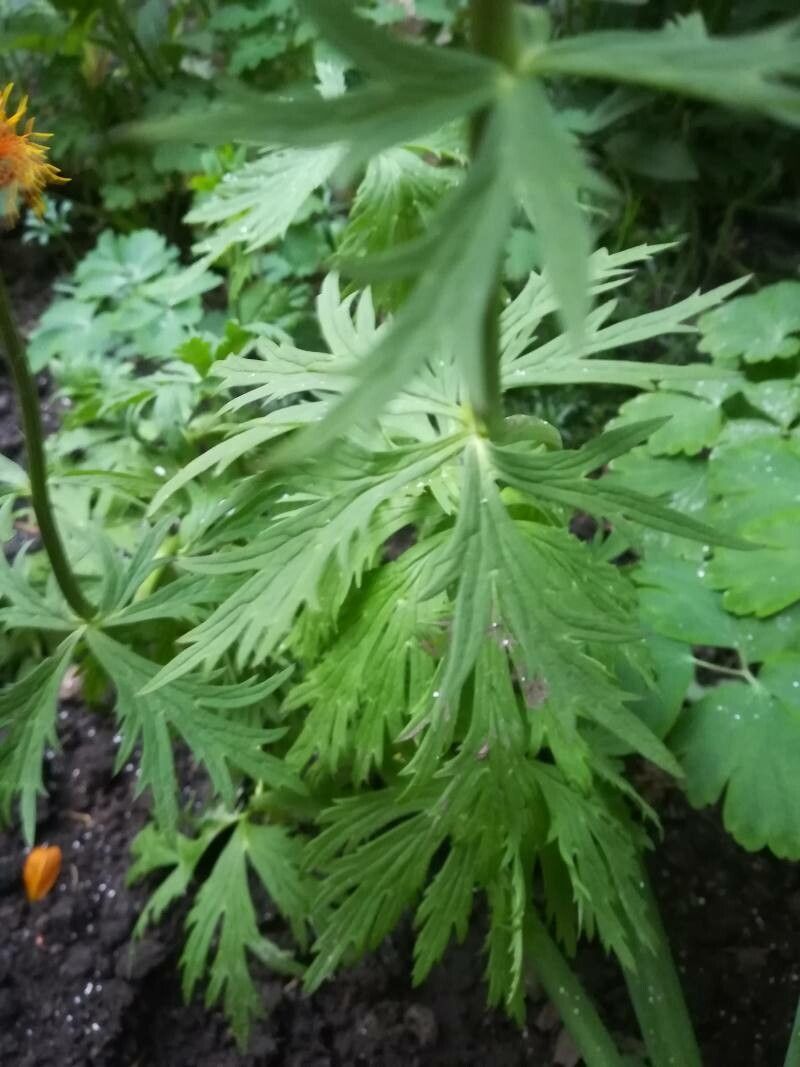
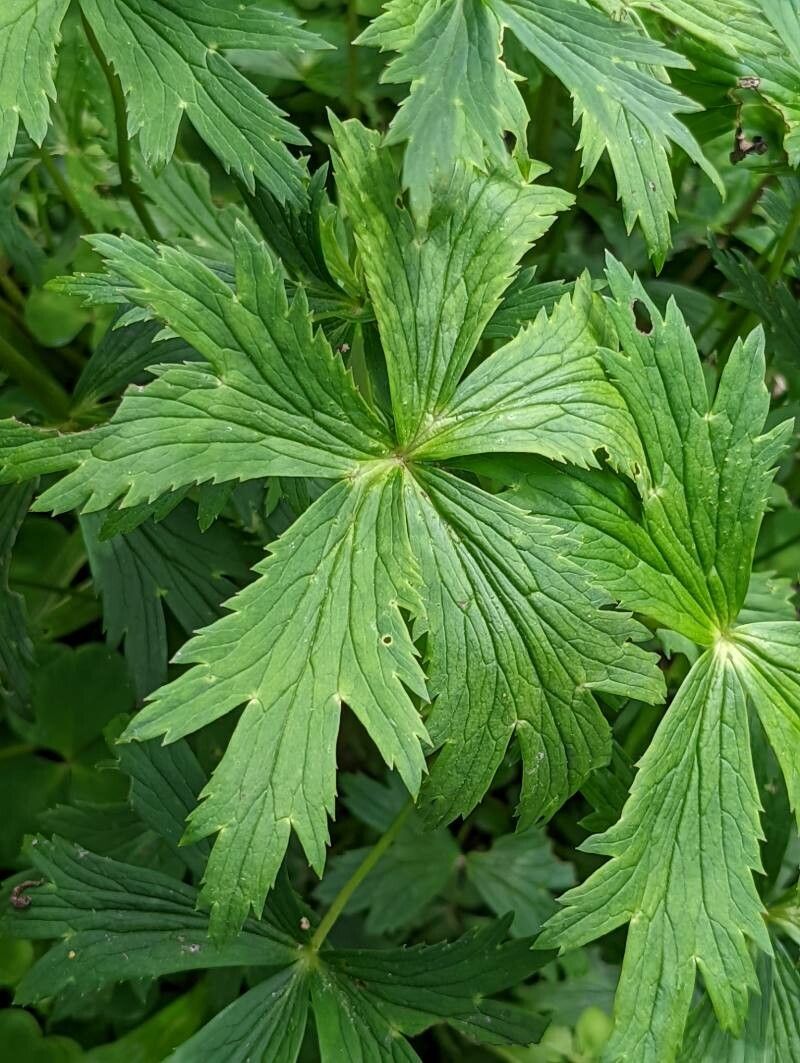
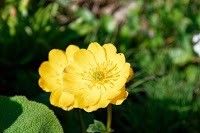
Trollius laxus is a rare flowering plant species in the buttercup family, Ranunculaceae. It is native to North America and is considered to have two subspecies, one with a distribution is the east and one in the west. Common names for Trollius laxus include American globeflower and American spreading globeflower. The American Globeflower, Trollius laxus is an endangered species of flowering plants Native to Northeastern United States. This species of plants is limited in range by their ability to exclusively survive in wetlands and marshes. Thus, clusters of the species are constantly threatened by the ever-changing hydrology of the range they are confined to.
American globeflower has strong resistance to disease and is generally unlikely to suffer from illnesses. Nevertheless, it can be affected by pests and diseases present in its surroundings. Such infections are typically mild. Regarding care, this plant needs moderate maintenance. It should be pruned regularly to preserve a good appearance and encourage healthy growth. Applying fertilizer can also help stimulate flowering. American globeflower is appropriate for anyone with outdoor space, like a garden or patio, and does not demand extensive gardening experience. It may need more attention if cultivated indoors.
How to keep Trollius Laxus.
Light
The American globeflower is native to habitats like forest understories or rocky areas, where it grows in natural shade. It prefers partial sun but can adapt to full sun or full shade, which demonstrates its versatile and hardy nature.
Water
The American globeflower thrives in moist environments, such as damp meadows and along stream banks. To maintain the necessary moisture levels, it needs to be watered weekly. As an herbaceous perennial, the American globeflower becomes dormant in winter, which significantly reduces its water requirements during this time.
Temperature
The American globeflower can tolerate a wide range of temperatures, but its distribution may still be restricted by particular combinations of moisture and heat. It does best in warm summer conditions with sufficient rainfall or irrigation. Extended spells of cloudy, rainy weather, as well as long periods of high temperatures, raise the risk of the plant dying. In winter, protecting it from cold can increase its chances of survival.
Fertilizer
The best time to fertilize an American globeflower is in early spring, as it comes out of dormancy and begins active growth. Fertilizing supplies essential nutrients for healthy growth. Although the American globeflower has relatively low fertilization needs, applying fertilizer once a year can improve its survival and encourage better, longer-lasting blooms.
Pruning
The American globeflower is a perennial herb known for its vibrant yellow blooms and clump-forming foliage. To maintain its health and shape, as well as to enhance its ornamental appeal, it is important to prune spent blooms and damaged stems. This should be done from early to late spring. Pruning also helps improve airflow and reduces the risk of fungal diseases.
Botanical profile.
- Plant Type
- Herb
- Life Cycle
- Perennial
- Genus
- Trollius
- Family
- Ranunculaceae
- Hardiness Zone
- 5-8
- Mature Height
- 10 cm to 52 cm
- Mature Spread
- 25 cm
- Leaf Color
- Dark Green
- Leaf Type
- Semi-evergreen
- Flower Color
- White, Yellow
- Flower Size
- 3.81 cm
- Bloom Time
- Early spring, Mid spring
- Planting Time
- Spring, Summer
- Harvest Time
- Late spring, Early summer
Other names.
Reader questions.
What is the American globeflower?
The American globeflower is known by its botanical name, Trollius laxus. It does not have any content provided about its essentials or symptoms.