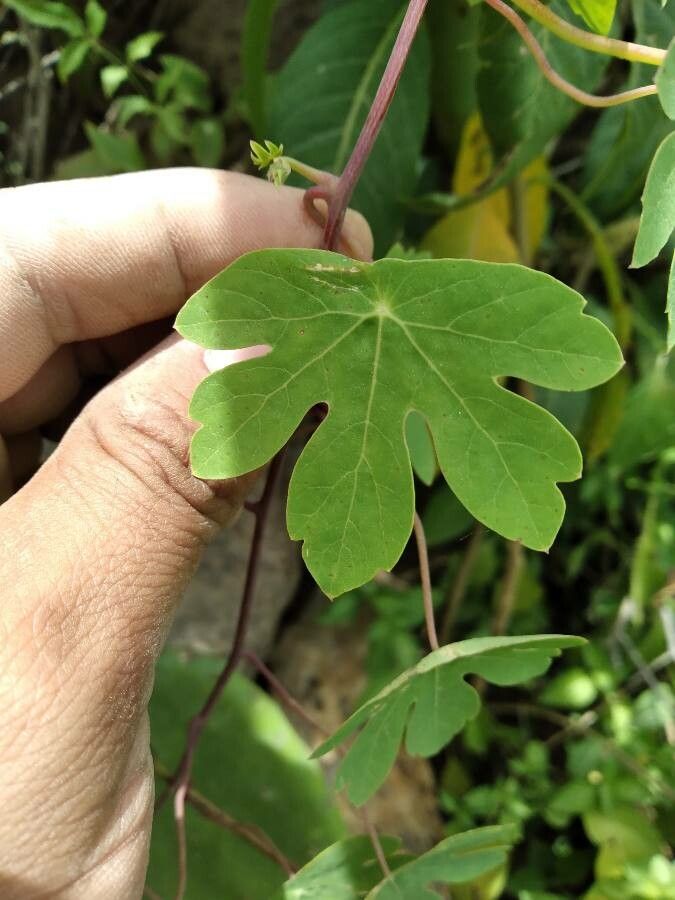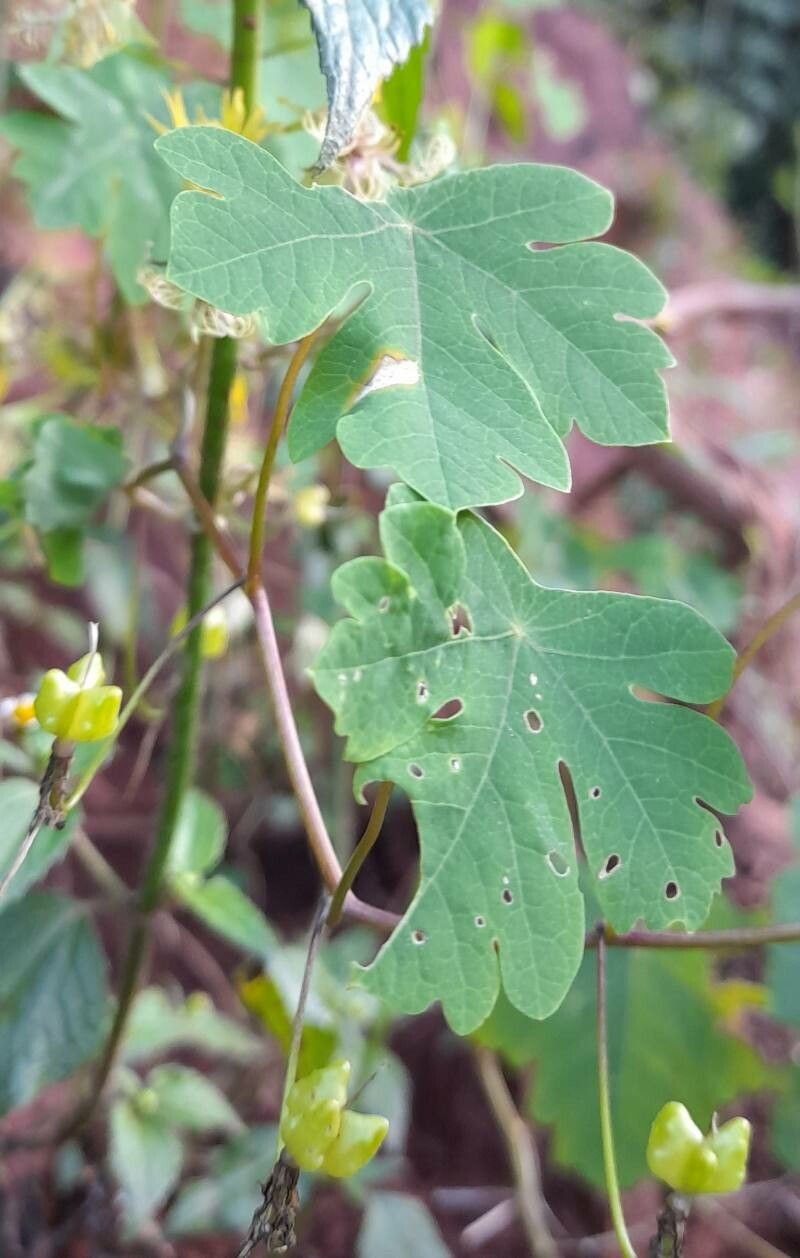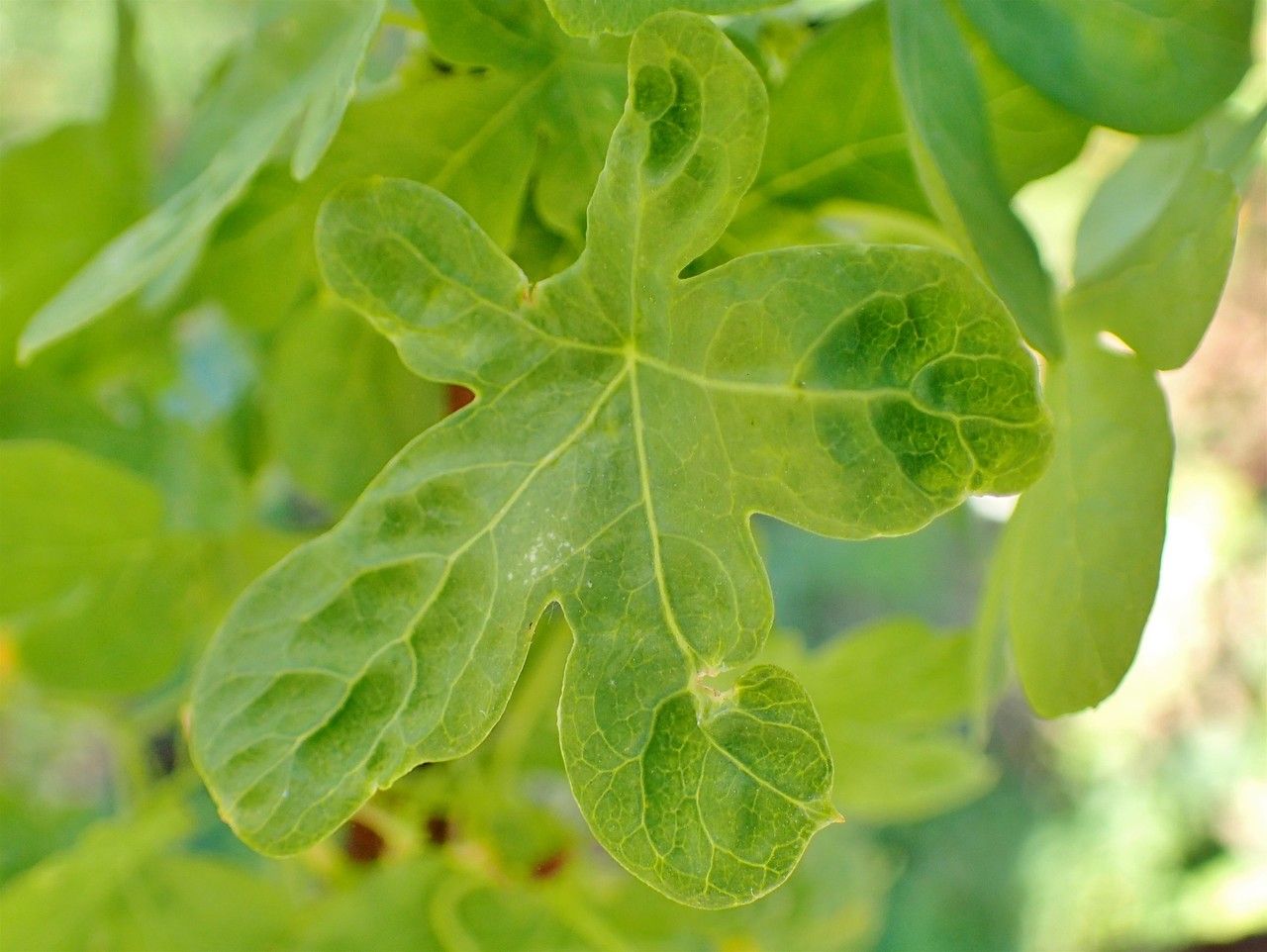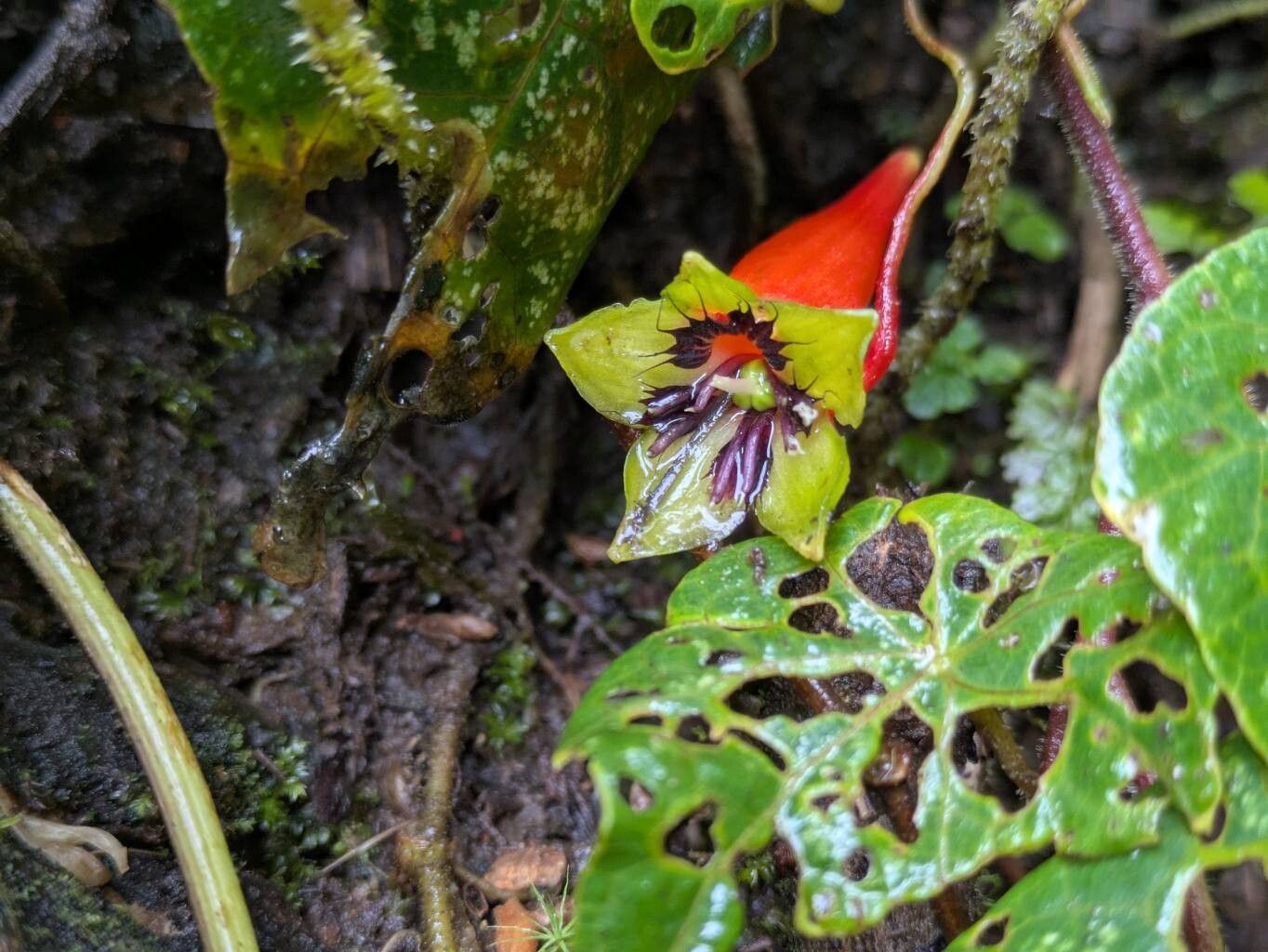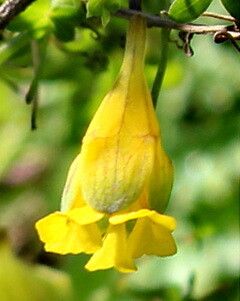
Tropaeolum brachyceras shows strong disease resistance and is generally unlikely to develop illnesses. It can, however, be affected by pests and diseases present in its environment. These problems are typically not severe. Regarding care, this species demands moderate maintenance. It should be trimmed regularly to keep a neat appearance and encourage healthy growth. Applying fertilizer can also help stimulate flowering. Tropaeolum brachyceras is well suited to anyone with outdoor areas like a garden or patio and does not require extensive care experience. It may need more attention if grown indoors.
How to keep Tropaeolum Brachyceras.
Light
Tropaeolum brachyceras originates from settings like forest undergrowth or rugged terrains, where it encounters inherent shadow. It has a preference for semi-sun situations but can also adapt to complete sun or total shade, thereby showcasing its adaptable and robust characteristics.
Water
To keep your Tropaeolum brachyceras healthy, water it once or twice a week, particularly during dry periods. Check the soil regularly and water the plant when the top inch of soil feels dry. Make sure to moisten the soil to a depth of about six inches. If your plant is potted and kept outdoors, it will dry out more quickly and may need more frequent watering.
Temperature
Tropaeolum brachyceras possesses the capacity to thrive across a wide variety of temperature conditions, notwithstanding, disparate combinations of water and heat conditions could potentially limit its dispersal. It flourishes optimally in hot climates during summertime, given there's sufficient rainfall or irrigation. Extended phases of overcast and precipitation, or sustained elevated temperatures, can augment the chances of Tropaeolum brachyceras succumbing. During winter time, providing appropriate protection against the cold can boost the plant's chances of survival.
Fertilizer
Typically, one application of fertilizer in the spring is adequate for Tropaeolum brachyceras, although you can maximize growth by feeding it more often, say every month to six weeks. Enriching the soil boosts the leaf's aesthetics and efficacy by maintaining a steady color and lush texture. Additionally, it encourages the growth of roots and the plant's capacity to absorb nutrients, which is beneficial to its long-term well-being.
Pruning
To maintain a healthy Tropaeolum brachyceras, it's important to prune it carefully, ideally between early and late spring. Start by removing any dead or damaged stems, then proceed to lightly shape the plant. Be sure to eliminate any crowded branches to improve air circulation. Always use clean, sharp tools to prevent the spread of disease, which will promote better flowering and overall plant health.
Botanical profile.
- Plant Type
- Herb, Vine
- Life Cycle
- Perennial
- Genus
- Tropaeolum
- Family
- Tropaeolaceae
- Hardiness Zone
- 9-11
- Mature Height
- 30 cm to 61 cm
- Mature Spread
- 30 cm to 49 cm
- Leaf Color
- Light Green
- Leaf Type
- Deciduous
- Flower Color
- Yellow
- Flower Size
- 2.03 cm to 3.05 cm
- Bloom Time
- Spring
- Planting Time
- Autumn, Winter
- Harvest Time
- Late spring, Early summer, Mid summer