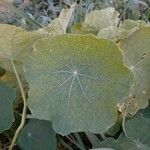
Tropaeolum majus
گل لادن · Nasturtium · Garden nasturtium · Indian cress · Common nasturtium
Description
Source: leafsnapTropaeolum majus, commonly known as nasturtium, is a flowering plant native to South America. Its bright and colorful flowers, which bloom in shades of red, orange, and yellow, make it a popular choice for gardens. The plant's round, shield-shaped leaves have a slightly peppery taste, making them a flavorful addition to salads. Nasturtiums are easy to grow and thrive in poor soil conditions, making them suitable for gardeners of all skill levels. They are also excellent for attracting pollinators such as bees and butterflies, enhancing any garden ecosystem. Additionally, nasturtiums have medicinal properties and can be used to treat respiratory infections due to their antibacterial qualities. In summary, Tropaeolum majus is an attractive ornamental plant with versatile uses. It can add vibrant color to any garden and unique flavor to various dishes.
🌳 Nasturtium isn't only a vivid ornamental plant; it also serves as a source of mustard oils used in essential oil production. Its leaves, historically used in Native American cooking, deliver a distinctive flavor that shifts from a mild sweetness to a strong peppery note. Its high vitamin C content suggests why it is regarded as a superfood.
🎭 Love of one's country
Care Guide
💧 Water Every 3 days
Garden nasturtium, an annual herb native to South and Central America, thrives in humid environments with consistent moisture. While it can tolerate short dry spells, weekly watering provides the best conditions for its growth. Typically grown outdoors, garden nasturtium benefits from natural rainfall, which encourages lush foliage and vibrant blooms.
When should I water my garden nasturtium?
To maintain the health and development of garden nasturtium, watering should be done when the top 1 to 2 inches of soil is dry. Observing the plant's leaves for signs of wilting or color loss can also indicate a need for water, especially during its pre-flowering stage and periods of high temperatures and sunlight exposure. It's essential to avoid both early watering, which risks root diseases from over-saturation, and late watering, which can stunt growth or even lead to plant death.
How should I water my garden nasturtium?
Garden nasturtiums, which prefer drier conditions, benefit from a combination of bottom-watering and careful top watering that avoids the foliage. Utilizing a watering can with a long, narrow spout allows for a focused application of water around the plant base, minimizing moisture on leaves and flowers. Employing a moisture meter can help determine when it's necessary to water, aiding in delivering precise hydration without over-saturation. It's importantto concentrate on hydrating the soil and roots rather than the plant's aerial parts to avoid stem rot and fungal diseases.
How much water does garden nasturtium really need?
Garden nasturtium requires regular but moderate watering, with the amount depending on various factors such as pot size and plant size. A general guideline is to water when the top inch of soil feels dry, providing sufficient moisture without leading to waterlogged conditions. Indicatorsof proper hydration include lush, green foliage. It's crucial to avoid over-watering, which can lead to root rot, and underwatering, which can cause wilting. Using a well-draining potting mix and pots with drainage holes helps ensure optimal water management.
What kind of water is best for garden nasturtium?
Rainwater is ideal for garden nasturtium, being natural and free of chemicals, followed by distilled and filtered water that remove contaminants. Tap water, though usable, may contain chlorine and other chemicals that could harm the plant. Allowing tap water to sit for 24 hours or using a filter can make it safer by reducing chlorine levels. The plant prefers water with a slightly acidic to neutral pH (6.0-7.0) and does not have specific water temperature requirements, making room temperature water suitable.
How do garden nasturtium's watering needs change with the seasons?
During spring, consistent watering promotes strong growth, with the soil kept moist but not waterlogged. In summer, the need for water increases due to higher temperatures, and mulching can help retain soil moisture. Watering frequency should decrease in autumn as growth slows, ensuring the top layer of soil begins to dry out before watering again. In warm climates where nasturtiums can survive winter, watering should be minimized to prevent frost damage, focusing on dry soil conditions.
☀️ Light Full sun
Nasturtium prefers full sunlight but can tolerate partial light as well. Coming from a sun-rich habitat, these plants require ample light during their various growth stages. Both too much and too little of this factor can harm their health.
What are the sunlight requirements for garden nasturtium?
Garden nasturtium thrives in full sun, requiring above 6 hours of sunlight daily, but it can also survive in partial sun with about 3-6 hours of sunlight. This plant originates from areas abundantly bathed in sunlight and hence demands ample light through its different growth phases. Ensuring the right balance between light and shade is crucial for the plant’s health and happiness.
How important is artificial lighting for indoor garden nasturtium plants?
Artificial lighting plays a vital role in the growth of indoor garden nasturtium plants, especially when natural sunlight is insufficient. During winter or in less sunny spaces, artificial lights, such as LED lights customizable to provide specific wavelengths, offer a solution. Full sun plants need 30-50W/sq ft, partial sun plants need 20-30W/sq ft, and shade plants require 10-20W/sq ft of artificial light. Position the light source 12-36 inches above the plant to mimic natural sunlight and ensure the plant receives 8-12 hours of light per day.
What are the symptoms of light deficiency in garden nasturtium?
Garden nasturtium may exhibit several symptoms indicating light deficiency when grown indoors, including smaller new leaves, leggy or sparse growth, faster leaf drop, slower or no new growth, and lighter-colored new leaves. Conditions such as chlorosis, sunscald, leaf curling, wilting, and leaf scorching can also occur due to improper lighting, signifying the plant's struggle with either too much or too little light.
What solutions can I apply for garden nasturtium facing sunlight issues?
To address sunlight issues in garden nasturtium, consider the following solutions: For indoor plants, gradually move them to a sunnier location to receive at least 6 hours of direct sunlight. Utilize south-facing windows or artificial grow lights to supplement light exposure. For outdoor plants, gradually acclimate them to sunnier spots to prevent sunburn. Prune any obstructions like trees to increase sunlight exposure. During transplanting, choose a period when the plant is dormant, ensuring the new location offers ample sunlight and proper drainage. Remember that while parts of the plant that suffered due to insufficient light might not recover, new growth after adjusting light exposure will be healthy.
🌡️ Temperature 15–37.8°C
Nasturtium originates from temperate regions and favors temperatures of 68 to 100 °F (20 to 38 ℃). As the seasons shift, maintaining temperatures within this range will ensure optimal growth.
What is the native climate of Garden Nasturtium?
Garden nasturtium, with its botanic name Tropaeolum majus, is native to temperate climate regions. It thrives in temperatures ranging from 68 to 100°F (20 to 38°C). Adjusting the temperature within this spectrum across different seasons is crucial for its optimal growth.
How does Garden Nasturtium handle cold?
Garden nasturtium is known for its strong cold resistance, generally not requiring special frost protection measures during the winter. However, if temperatures are expected to drop below -15°C, it's important to protect the plant. This can be done by covering it with soil or straw and ensuring that before the first freeze of autumn, the plant is watered abundantly so the soil is moist and enters a frozen state. Such measures help prevent drought and water scarcity for the plant during winter and early spring.
What should I do if the temperature falls below -15°C?
If temperatures drop below -15°C, Garden nasturtium may show no noticeable changes during winter, but come spring, you might observe a decrease in sprouting or even no sprouting at all. In such cases, it is recommended to remove any parts of the plant that have failed to sprout in spring.
What are the effects of high temperatures on Garden Nasturtium, and how can they be mitigated?
During summer, it's important to keep Garden nasturtium's environment below 38°C. Temperatures exceeding 43°C can cause the plant's leaves to become lighter in color, curl, become susceptible to sunburn, and, in severe cases, cause the entire plant to wilt and dry. To mitigate these effects, you should trim away the sunburned and dried-up parts of the plant. Moving the plant to a shaded location or using a shade cloth to protect it from the midday and afternoon sun can also be beneficial. Keeping the soil moist by watering the plant in the morning and evening is crucial under these conditions.
💨 Humidity normal (40-60%)
This plant will thrive in moderate humidity, which is probably the level in your home. However, misting it a few times a week can be very beneficial. Make sure the room has good ventilation.
🪴 Soil 5-7
🌱 Fertilizer
When most of the Nasturtium's flowers have opened to full size, resume fertilizing. At the height of bloom production, apply fertilizer every three to four weeks, depending on the weather. Once the Nasturtium begins producing fewer new blooms, stop fertilizing — it isn't necessary when the plant can no longer form additional flowers.
Why is it important to fertilize my Garden nasturtium?
Plants, including Garden nasturtium, require nutrients to survive. This is a well-known fact for most gardeners, regardless of their experience. Without sufficient nutrients, Garden nasturtium plants will not survive long after their first pollination. To ensure the prolonged blooming season and the production of large, beautiful flowers, it is crucial to provide the right type and amount of nutrients. Fertilizer plays a significant role in supporting Garden nasturtium's development of a healthy and extensive root system. Since the plant's roots are thin and prone to damage, fertilizing during planting helps establish a strong root structure. This not only provides stability to the plant but also sets the stage for impressive flowering. When timed correctly, fertilization can greatly prolong the period of Garden nasturtium's blossoming.
When should I fertilize my Garden nasturtium?
Garden nasturtium experiences rapid growth in the early growing season once the danger of frost has passed. It is important to fertilize Garden nasturtium during this time, specifically during planting. Apply fertilizer when first planting the plant in the ground or in planters, whichever method you prefer. This initial dose of fertilizer will be sufficient until later in the year when the blooms are at their fullest. Once the season is in full swing and Garden nasturtium has opened most of its blooms, it is time to resume fertilizing. This should be done once every three to four weeks, depending on the weather, when the blooms are at their peak output. However, once the plant starts producing fewer new blooms, stop fertilizing as there is no need to add more fertilizer when the plant can no longer produce blooms.
When is it not a good idea to fertilize my Garden nasturtium?
Regular fertilizing is important for Garden nasturtium, but it is crucial to apply it at the right time. Sometimes, it is necessary to hold back fertilization due to climate conditions and other factors that can be controlled. If something is wrong with the plant, soil, or climate, it is best to wait until the issues are resolved and the plant has recovered before fertilizing. For instance, if there are unexpected severe changes in the weather, such as a sudden cold snap in the midst of summer, it is advisable to wait until the temperature warms up again before applying fertilizer. Similarly, if the soil is too dry or compacted to absorb anything, it is not a good idea to fertilize as the fertilizer will go straight to the roots rather than being properly dispersed by the soil. This could harm the roots of Garden nasturtium. Additionally, during the hottest parts of the day when temperatures reach the 90-degree Fahrenheit range, it is best to avoid fertilizing. This is because fertilizer can break down at different speeds depending on temperature, and it is crucial not to allow hot temperatures to break it down too quickly. Lastly, it is important to treat and resolve any pest or disease issues before re-fertilizing.
What kind of fertilizer does my Garden nasturtium need?
Garden nasturtiums require a specific balance of nutrients from fertilizer. It is best to use a fertilizer that is designed for high-yield blooming plants and has a higher level of phosphorus (indicated by a higher P number in the NPK number, such as 10-30-10). Many fertilizer brands offer a suitable fertilizer for blooming plants like Garden nasturtiums. Using a pre-mixed fertilizer is convenient, but it is important to follow the instructions on the package to avoid over or under fertilizing the plants, which can lead to poor growth or wilting.
How should I fertilize my Garden nasturtium?
When it comes to fertilizing Garden nasturtium, the instructions may vary depending on the type of fertilizer you have. However, here are some general tips that are applicable to most types of fertilizer. For the first fertilizer application, which should be done when you first plant Garden nasturtium, mix the recommended amount of fertilizer into the soil before planting and water it in. For subsequent fertilizing, the process may be slightly different. If you are using pellet fertilizers, simply mix the pellets into the top inch of soil around the outer edges of the plant, where the roots are located. Make sure to water them in thoroughly initially and then water regularly afterward. For other types of fertilizers, you can mix them into a watering can and apply them like regular watering. Follow the instructions on the fertilizer packaging for consistency, but if you prefer a regular schedule, aim for fertilization every three to four weeks.
🪴 Pot & Repot
When repotting Nasturtium, choose a pot that's 1–2 inches (2.5–5.1 cm) larger in diameter and that offers good drainage. Use a well-draining potting mix and consider adding perlite for extra drainage. Repot in spring or early summer, water thoroughly afterward, and place it in a shady location initially.
✂️ Pruning
Garden nasturtium is known for its vibrant, edible flowers and climbing habit. To encourage healthy growth, improve air circulation, and manage its size, prune the plant from early to late spring. Regularly remove any dead foliage with clean tools to maintain a healthy and attractive display.
🌿 Propagating
🐛 Diseases & pets
☠️ Toxicity
Characteristics
- Plant Type
- Herb
- Life Cycle
- Annual, Perennial, Biennial
- Genus
- Tropaeolum
- Family
- Tropaeolaceae
- Hardiness Zone
- 7-11
- Mature Height
- 0.91 m to 1.83 m
- Mature Spread
- 30 cm to 91 cm
- Leaf Color
- Green, Blue, White, Variegated
- Leaf Type
- Evergreen, Semi-evergreen
- Flower Color
- Orange, Red, Yellow
- Flower Size
- 2.54 cm to 6.35 cm
- Bloom Time
- Late spring, Summer
- Planting Time
- Spring, Summer
- Harvest Time
- Summer
- Native Area
- Central and South America