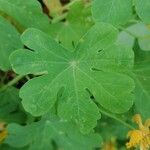
Tropaeolum peregrinum
Canary-creeper · Canarybird-flower · Canarybird-vine · Canary bird flower
Description
Source: leafsnapTropaeolum peregrinum, the canary-creeper, canarybird flower, canarybird vine, or canary nasturtium, is a species of Tropaeolum native to western South America in Peru and possibly also Ecuador.
Care Guide
💧 Water 1-2 times a week
The Canary Bird Flower flourishes in moist environments and needs regular watering to maintain its health. Water the plant weekly to ensure a balanced moisture level. Although adaptable to different climate zones, the Canary Bird Flower benefits particularly from rainwater, which promotes its growth cycle.
☀️ Light Full sun
The canary bird flower comes from bright, open habitats and does best in full sun. It can tolerate some partial shade but prefers direct sunlight for optimal growth. This plant, which may be annual or biennial, is known for its sun-loving nature.
What are the sunlight requirements for the Canary bird flower (Tropaeolum peregrinum)?
The Canary bird flower, known botanically as Tropaeolum peregrinum, thrives in different sunlight conditions, requiring full sun to partial sun exposure. Full sun means the plant should receive above 6 hours of sunlight daily, while partial sun refers to about 3-6 hours of sunlight each day. It's important to observe the patterns of sunlight movement in your garden to find the ideal spots that offer a balance of light and shade, ensuring your Canary bird flower grows happily and healthily.
🌡️ Temperature 0–35°C
Canary bird flower originates in tropical areas, where the climate is generally warm and humid. As a result, it is adapted to high temperatures and moisture. It does not tolerate sudden temperature shifts and prefers a stable thermal environment, so avoiding temperature fluctuations indoors is important. It usually cannot withstand cold and needs warmer conditions to grow; if the ambient temperature falls too low, the plant may stop growing or even die.
What is the Canary bird flower?
The Canary bird flower, known botanically as Tropaeolum peregrinum, is a plant renowned for its distinctive beauty and unique characteristics. Although specifics about its essentials and symptoms were not provided, the name itself suggests a captivating plant worth learning more about.
💨 Humidity
🪴 Soil 6-7
🌱 Fertilizer
When most of the Canary bird flower's blooms are fully open and at full size, you should resume fertilizing. Around the plant's peak flowering period, apply fertilizer again every three to four weeks, as the weather allows. Then, once the Canary bird flower begins to produce fewer new blooms, discontinue fertilizing; there is no reason to feed the plant when it can no longer produce additional flowers.
🪴 Pot & Repot
✂️ Pruning
The canary bird flower, an annual climbing vine, produces vibrant yellow blooms and thrives in gardens. To encourage bushier growth and more abundant flowering, prune the plant from early to late spring. Trim away weak stems and remove spent flowers to enhance the plant's health, minimize the risk of pests and diseases, and keep a tidy appearance.
🌿 Propagating
🐛 Diseases & pets
☠️ Toxicity
Characteristics
- Plant Type
- Vine, Herb
- Life Cycle
- Annual
- Genus
- Tropaeolum
- Family
- Tropaeolaceae
- Hardiness Zone
- 3-9
- Mature Height
- 3.35 m
- Mature Spread
- 1.22 m
- Leaf Color
- Green
- Leaf Type
- Deciduous
- Flower Color
- Yellow
- Flower Size
- 2.03 cm to 3.05 cm
- Bloom Time
- Summer, Fall
- Planting Time
- Spring, Summer
- Harvest Time
- Late summer, Fall, Early winter
- Native Area
- Colombia, Panama, Ecuador, Peru