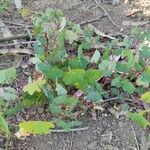
Tropaeolum tuberosum
Mashua · Anu · Anyu · Tuberous nasturtium
Description
Source: leafsnapTropaeolum tuberosum (mashua, see below for other names) is a species of flowering plant in the family Tropaeolaceae, grown in the Andes, particularly in Peru and Bolivia, and to a lesser extent in Ecuador as well as in some areas of Colombia, for its edible tubers, which are eaten cooked or roasted as a vegetable. It is a minor food source, especially to native Amerindian populations. Mashua is a herbaceous perennial climber growing to 2–4 m (7–13 ft) in height. It is related to garden nasturtiums, and is occasionally cultivated as an ornamental for its brightly coloured tubular flowers.
Care Guide
💧 Water Every 5-7 days
☀️ Light
🌡️ Temperature
In the past, mashua was grown at heights of 10,000–12,000 feet (3000–3700 m), where the average yearly temperature is 11 C (52° F). It performs well throughout most of New Zealand but is best suited to maritime regions in North America because it is poorly acclimated to warm, dry environments.
💨 Humidity
🪴 Soil
🌱 Fertilizer
A yearly application of compost or a complete organic fertilizer should be enough to supply mashua with all the nourishment they need. Although mashua appears to have a wide range of soil tolerance, most Andean root crops tend to respond poorly to rich fertilizers and favor somewhat acidic soils conditions.
🪴 Pot & Repot
✂️ Pruning
Pruning mashua and giving its soil the right fertilizers are crucial aspects of caring for it. Trimming or pruning a plant promotes rapid growth and upright posture. Learn the minimal height and width in Mashua Information for better pruning. Knowing when and where to prune are crucial considerations. Pruning can often be done at any time of the year.
🌿 Propagating
🐛 Diseases & pets
☠️ Toxicity
It isn't toxic. One Mashua plant can yield more than sixteen pounds of tubers, and the entire plant is edible and has a wide range of culinary uses, both raw and cooked. Along with being tasty, Mashua is prized for its capacity to ward off insects and is frequently grown as a companion crop to other vegetables.
Characteristics
- Plant Type
- Annual flower
- Genus
- Tropaeolum
- Family
- Tropaeolaceae
- Hardiness Zone
- 2 to 11 (annual)
- Bloom Time
- May to September
- Native Area
- Central and South America