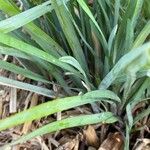
Tulbaghia violacea
تولباغیا · Society garlic · Sweet garlic · Pink agapanthus · Lawn trumpets
Description
Source: leafsnapTulbaghia violacea, commonly known as society garlic, is a perennial herbaceous plant in the Amaryllidaceae family. Native to South Africa, it has been widely cultivated as an ornamental plant across many parts of the world. This plant can grow up to 60 cm tall and features narrow, strap-like leaves approximately 30 cm long. The leaves are gray-green and emit a garlic-like odor when crushed or bruised. Society garlic produces clusters of small, star-shaped flowers that are either pink or lilac. These flowers bloom from late spring through summer and attract bees and butterflies, aiding in pollination. The plant thrives in locations with full sun to partial shade and prefers well-drained soil. For centuries, indigenous people of South Africa have used Tulbaghia violacea for its medicinal properties. Its antibacterial qualities make it effective against infections such as colds, flu, and coughs. In addition to its medicinal uses, Tulbaghia violacea is also valued as a culinary herb. Its mild garlicky flavor makes it an excellent substitute for traditional garlic, particularly in dishes like salads or soups where raw garlic might be too overpowering. Overall, Tulbaghia violacea is an attractive ornamental herb with multiple uses, making it a popular choice among gardeners worldwide who appreciate both its beauty and practicality.
💡 Society garlic is sometimes used as a garlic substitute. In South Africa, the leaves and flowers of this plant are consumed similarly to spinach. However, there have been reports of illness and even possible fatalities linked to eating society garlic. Interestingly, the plant emits a distinct odor that some people compare to the smell of skunks or even marijuana.
🌳 Society garlic is well-regarded in horticulture for its decorative appeal and low-maintenance nature. Its hardiness makes it suitable as a border plant in gardens and as a pollutant-absorbing species in urban settings. It also appears promising as an indicator species for certain soil contaminants, such as heavy metals, because of its capacity to accumulate them. Additionally, the essential oils obtained from society garlic are used in the fragrance industry and may have insect-repellent properties.
🎭 Bravery, strength, recovery, protection from evil and illness
Care Guide
💧 Water Every 7 days
Society garlic is a plant native to Southern Africa, where it thrives in dry conditions with limited rainfall. It has a moderate tolerance for drought and needs to be watered once a week. As a perennial herb, society garlic benefits from natural rain patterns, which promote its growth and flowering.
What should I do if I put too much or too little water on my Society garlic?
The Society garlic is prone to overwatering, which can cause bulb rot. Some signs of overwatering include mushy bulbs, spotted and floppy stems, droopy flowers, and yellowed stalks. Yellow leaves are normal at the end of the blooming period, but if they turn yellow before the flowers bloom, it indicates overwatering. Unfortunately, bulb rot cannot be reversed, but if caught early, you can remove the rotten portions and replace the soil. Disinfect pots and tools to prevent spreading the fungus. To avoid issues, underwatering is less problematic than overwatering. Signs of underwatering include no blooms, wilting stalks, and browning around the edges of petals. If you have underwatered, give the plant a good drink without saturating the soil. However, be cautious not to overwater, as prolonged periods in water can lead to root rot and fungus on the bulb. Look out for spots on leaves and buds, as well as discoloration and death of leaf tips, indicating bulb damage from the fungus.
How often do I need to water my Society garlic plant?
Society garlic is a low-maintenance plant that can be grown in a pot or directly in the ground. However, it thrives best when planted in the sunniest spot in your garden. It's important to be cautious about overwatering, as this can cause the bulb to rot. After initially watering the plant, you can leave it be until you see shoots appear. To determine when to water, check the moisture of the soil. Stick your finger about 2-3 inches below the surface - if it's still wet, you don't need to water. For potted plants, also check the water collection tray for standing water. Avoid watering if there is any. For a more accurate reading, use a moisture sensor inserted about 2-3 inches into the soil. The ideal moisture level is in the middle of the 'moist' category. It is recommended to water your Society garlic once per week.
How should I change my watering routine for my Society garlic depending on different conditions?
The Society garlic is a tough plant and can survive in harsh conditions. If you plant it outdoors, you can usually rely on natural rainwater. It doesn't need much water and can withstand drought, but the soil should have good drainage. When growing Society garlic in pots, be more cautious with watering. Since it's a bulb plant, overwatering can lead to bulb rot. Water less when it's indoors and make sure the pots have drainage holes. Use high-quality soil with good drainage, adding sand or rocks if necessary. During the growing phase, you should water the Society garlic about one inch per week to encourage blooming. Only start watering when the stalk appears. The amount of water needed also depends on the humidity and temperature of your climate. In hot and dry areas, water more frequently, while in humid areas, you can water less. Always check the soil moisture level to avoid excessive wetness. These plants prefer moist soil with good drainage.
☀️ Light Full sun
Society garlic does best when it can bask in full sun, though it can also adjust to places where sunlight is interspersed with a little shade. Coming from environments rich in sunlight plays a big part in its vigorous growth. However, either too much or too little light can harm it, causing it to grow leggy or to become pale, respectively.
What are the sunlight requirements for society garlic?
Society garlic thrives best in full sunlight, requiring more than 6 hours of sunlight daily, but it can also grow well in partial sun, which is about 3-6 hours of sunlight. It's essential to observe how sunlight moves through your garden, selecting locations that provide an ideal mix of light and shade. This ensures optimal growth and health of your plants.
How does sunlight affect the growth of society garlic?
Society garlic originates from environments with abundant sunlight, significantly contributing to its vigorous growth. It can luxuriate under the sun's full rays but is also adaptable to partially shaded conditions. However, the plant's health can be compromised by either too much or too little exposure to sunlight. Too much sun can cause symptoms like leaf scorching and wilting, while insufficient light leads to leggy growth, pale leaves, and reduced vitality.
Can artificial lighting be used for society garlic, and how?
Indoor society garlic plants require adequate lighting, especially in conditions where natural sunlight is lacking. Artificial lighting, such as LED lights, can provide a vital solution for promoting healthy growth. For full sun plants, 30-50W per square foot is recommended. The artificial light should be placed 12-36 inches above the plant and kept on for 8-12 hours per day to mimic natural daylight hours.
What are common symptoms of inadequate lighting in society garlic?
Symptoms of inadequate lighting include smaller new leaves, leggy or sparse growth, quicker leaf drop, slower or no new growth, and paler new leaves. Excessive sunlight can lead to chlorosis, sunscald, leaf curling, wilting, and leaf scorching. These symptoms indicate the plant's struggle to adapt to its light environment, affecting its overall health and growth.
What solutions are recommended for society garlic experiencing inadequate light conditions?
To improve growth conditions for society garlic, gradually move plants to sunnier locations to achieve at least 6 hours of direct sunlight daily. For indoor plants, consider using artificial light if moving them isn't feasible. Keep lights on for at least 8 hours a day. For outdoor plants, avoid drastic light intensity changes to prevent sunburn. Pruning blocking branches or transplanting to sunnier spots may also help. Note that parts of the plant that were adversely affected by past conditions may not recover, but new growth should be healthy with improved light exposure.
🌡️ Temperature 15–35°C
Society garlic, which originates from South Africa, grows best in temperatures of about 59 to 95 ℉ (15 to 35 ℃). It favors warmer conditions but can tolerate somewhat cooler temperatures between 50 and 59 ℉ (10 to 15 ℃) during winter. In colder regions, it can be kept indoors in a sunny spot or in a greenhouse all year.
What is the ideal temperature range for growing Society garlic?
Society garlic, botanically known as Tulbaghia violacea, thrives best within a temperature range of approximately 59 to 95 °F (15 to 35 °C). It originates from South Africa and prefers warmer climates but is capable of tolerating slightly cooler temperatures ranging between 50 to 59 °F (10 to 15 °C) during the winter months. These characteristics make it adaptable to various growing conditions, including the ability to be grown indoors in colder climates provided it is placed in a sunny spot or within a greenhouse.
How does Society garlic react to cold temperatures and how can it be protected in winter?
Society garlic is noted for its strong cold resistance, meaning it usually does not require special frost protection during the winter. However, if temperatures are expected to fall below its cold-tolerance threshold, it is advisable to protect the plant. Protection can be provided by covering the plant with insulating materials such as soil or straw. Additionally, it is recommended to water the plant abundantly before the first freeze in autumn to ensure the soil remains moist and in a frozen state throughout the winter. This method helps to prevent drought and water scarcity for the plant during the cold season.
What symptoms indicate Society garlic is experiencing unfavorable temperatures?
Society garlic shows different symptoms in response to low and high temperatures. For instance, when the temperature falls below its minimum tolerance level, there might not be noticeable changes immediately; however, issues such as a decrease in sprouting or lack of sprouting might occur during the spring. This indicates that the plant has experienced too cold temperatures. On the other hand, if Society garlic is exposed to temperatures above its maximum threshold, it may show signs of distress such as lighter colored leaves, curling, susceptibility to sunburn, and in extreme cases, the plant may wilt and dry out. These symptoms are indicators that the plant is in an environment that is too warm for its liking.
What measures can be taken if Society garlic shows symptoms of temperature distress?
When Society garlic shows signs of temperature distress, different measures can be taken depending on the symptoms. In the case of cold damage resulting in non-sprouting parts during spring, it is recommended to remove those parts. For damage caused by high temperatures, such as sunburned or dried-up parts, trim these away. To protect the plant from further high-temperature stress, move it to a location with shade during the midday and afternoon sun, or use a shade cloth. Additionally, watering it during the cooler times of the day, such as in the morning and evening, can help keep the soil at a consistent moisture level, further alleviating stress from high temperatures.
💨 Humidity
🪴 Soil 6-7
🌱 Fertilizer
The best time to fertilize Society garlic is early in the spring, as it comes out of dormancy and begins active growth. Fertilizing supplies essential nutrients for healthy growth. Although Society garlic needs relatively little fertilizer, applying it once a year can improve its survival and encourage better, longer-lasting flowers.
Why should I add fertilizer to my Society garlic plant?
Fertilization plays an important role in the growth of Society garlic and other plants because it provides essential nutrients for both above and below ground development. While the overall fertilization requirements for Society garlic are relatively low, annual fertilization is highly beneficial for its survival and to promote the production of better and longer-lasting flowers. Therefore, those wishing to enhance the appearance of their Society garlic should prioritize regular fertilization.
When should I fertilize my Society garlic for the best results?
The best time to fertilize a Society garlic is late winter to early spring when it is transitioning from dormancy to active growth. Fertilizing at this time promotes healthy growth and ensures a strong start to the season. Fertilizing Society garlic in the fall is also acceptable, but it is not recommended during summer and winter.
When is it best to not use fertilizer on my Society garlic?
To ensure optimal growth, it is advisable to fertilize your Society garlic only in late winter and early spring. This plant has low fertilization needs, so a single annual feeding is enough. Fertilizing during spring, summer, and fall can lead to overfertilization and its complications, unless you missed fertilizing in the spring, in which case it is acceptable to feed in the fall. Additionally, there is no need to fertilize this plant during the winter when it is in a dormant phase and not actively growing.
What kind of fertilizer should I use for my Society garlic?
When fertilizing Society garlic, a general-purpose fertilizer with balanced nutrients will work well. However, there are nutrient blends that can be even more beneficial. Some gardeners believe that higher levels of phosphorus can strengthen roots and improve flowers. Therefore, using a phosphorus-rich fertilizer may be best for Society garlic. You can choose between granular or liquid fertilizers as long as they contain adequate nutrients. Additionally, using organic materials like compost or manure can greatly improve the soil for your Society garlic.
How should I fertilize my Society garlic?
To fertilize a Society garlic, the most common method is to use granular or pellet fertilizer. It's important to do this when the plant is transitioning from its dormant phase to a period of active growth, typically in early spring. Wait for shoots to emerge from the soil before applying the fertilizer. Alternatively, you can use liquid fertilizer, but remember to dilute it with water first. Regardless of the type of fertilizer used, it's a good practice to moisten the soil before, during, and after application.
🪴 Pot & Repot 2-3 years
When repotting Society garlic, select a pot 1–2 inches (2.5–5.1 cm) larger with ample drainage. Use a well-draining potting mix. Repot in spring or fall, making sure the root ball sits slightly below the rim of the flower pot. Water thoroughly after repotting and place it in a warm spot with indirect sunlight.
✂️ Pruning
Society garlic is known for its fragrant, garlic-scented leaves and violet flowers. To keep it healthy and blooming, carefully prune in early spring to remove dead foliage and stimulate new growth. Regularly cut back spent flower stalks to encourage more blooms. Pruning in late winter helps shape the plant, promoting better air circulation and reducing the risk of disease.
🌿 Propagating
🐛 Diseases & pets
☠️ Toxicity
Characteristics
- Plant Type
- Herb
- Life Cycle
- Perennial
- Genus
- Tulbaghia
- Family
- Amaryllidaceae
- Hardiness Zone
- 7-10
- Mature Height
- 61 cm
- Mature Spread
- 25 cm
- Leaf Color
- Green, Gray, Silver
- Leaf Type
- Evergreen
- Flower Color
- Lavender
- Flower Size
- 2.03 cm
- Bloom Time
- All year round
- Planting Time
- Spring
- Harvest Time
- Spring, Summer, Fall
- Native Area
- Eastern South Africa