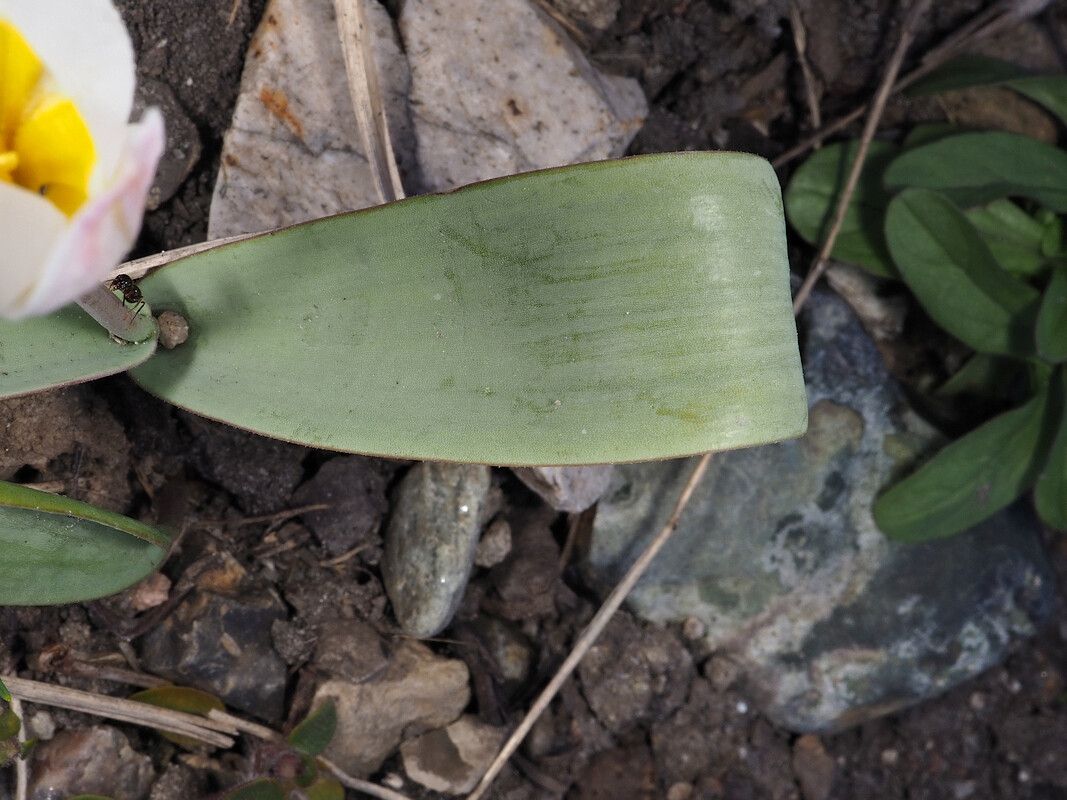
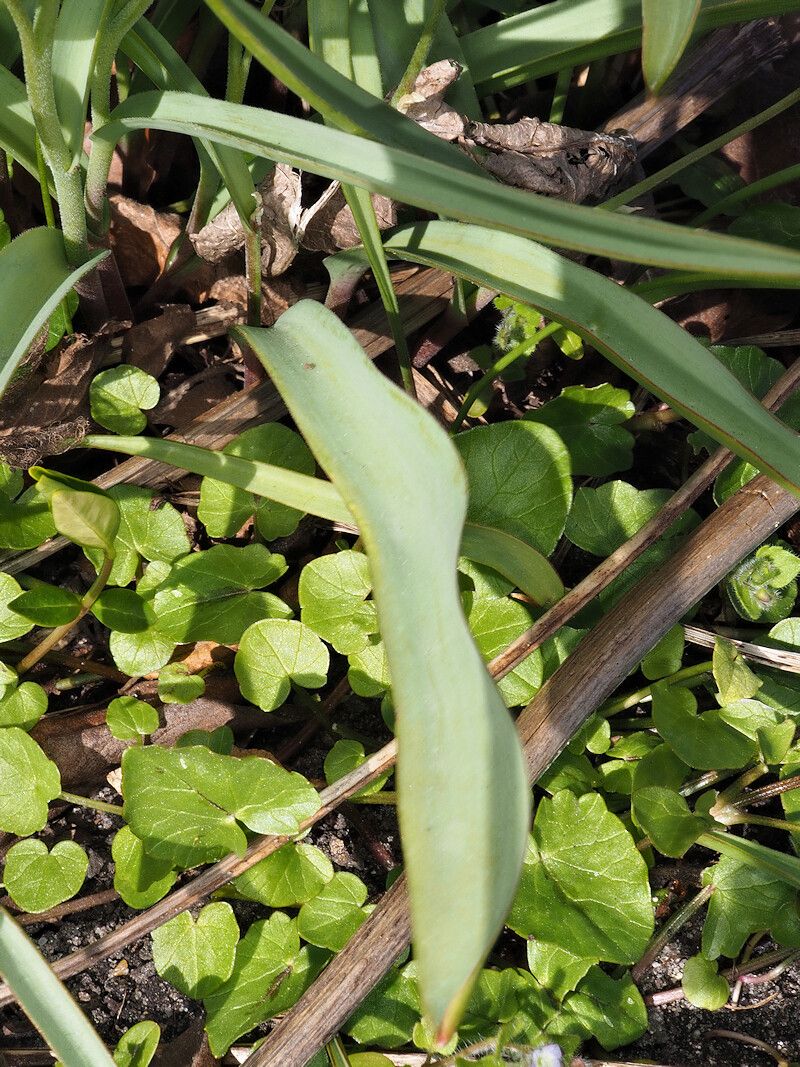
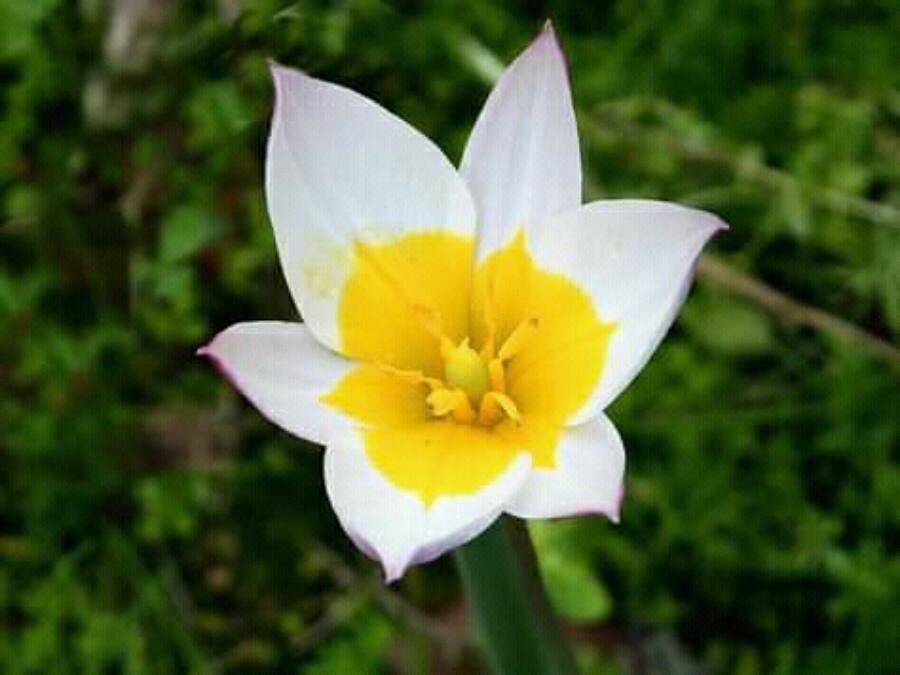
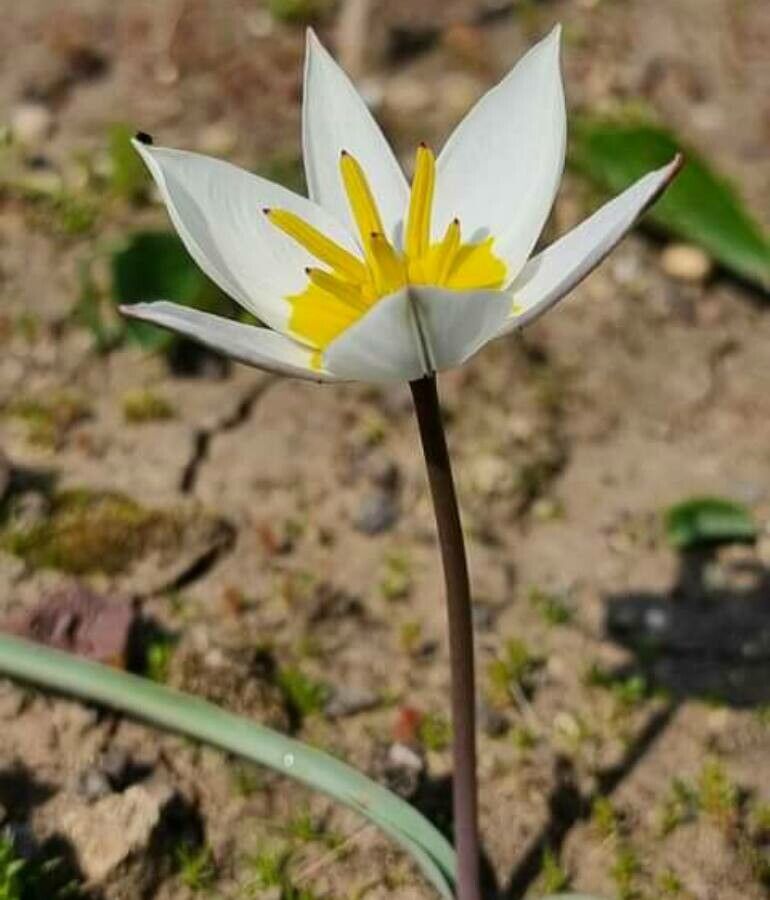
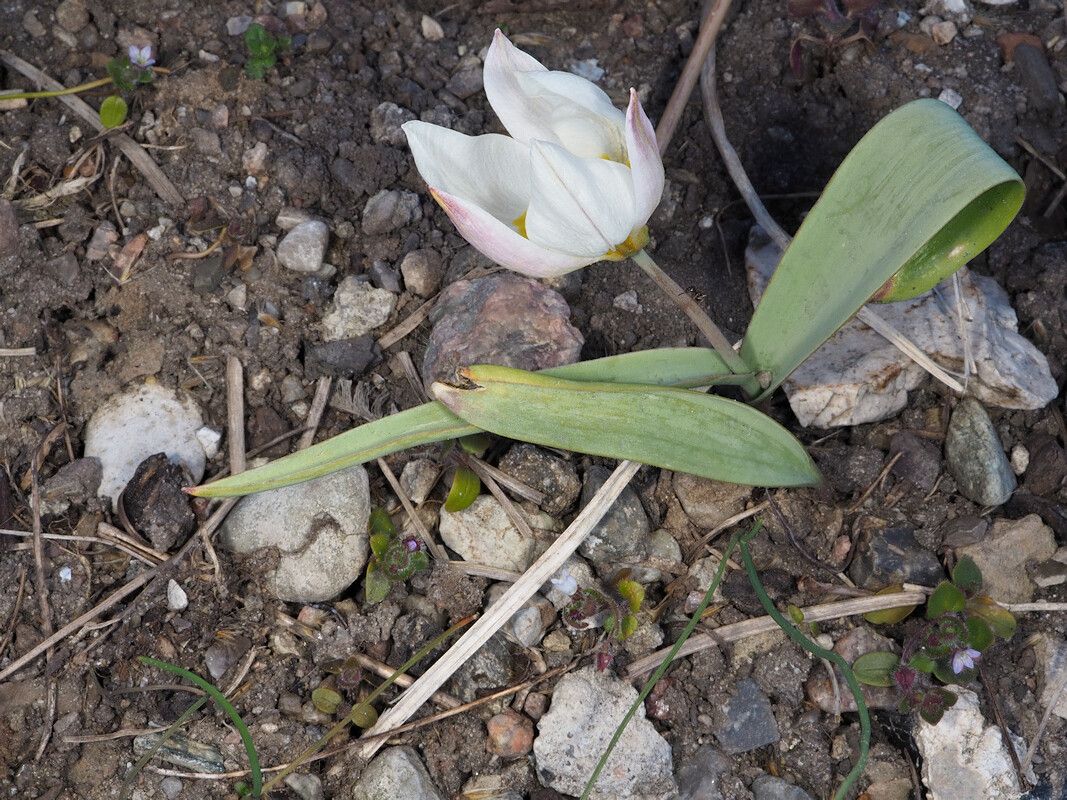
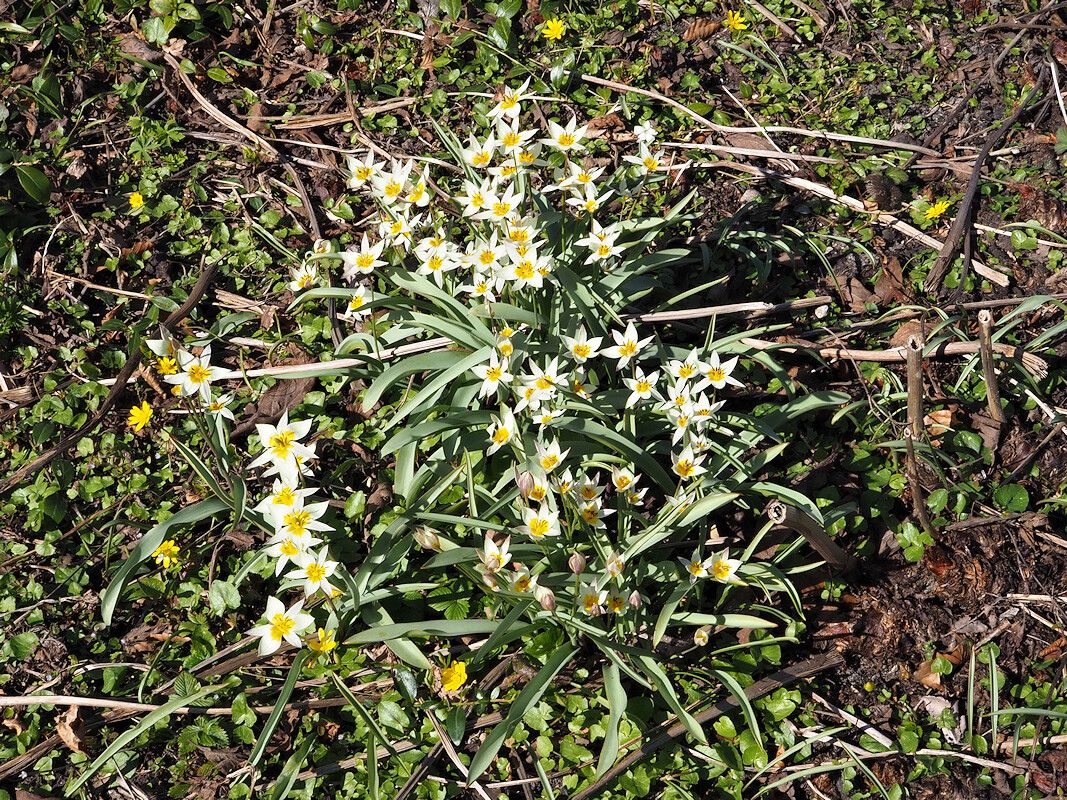
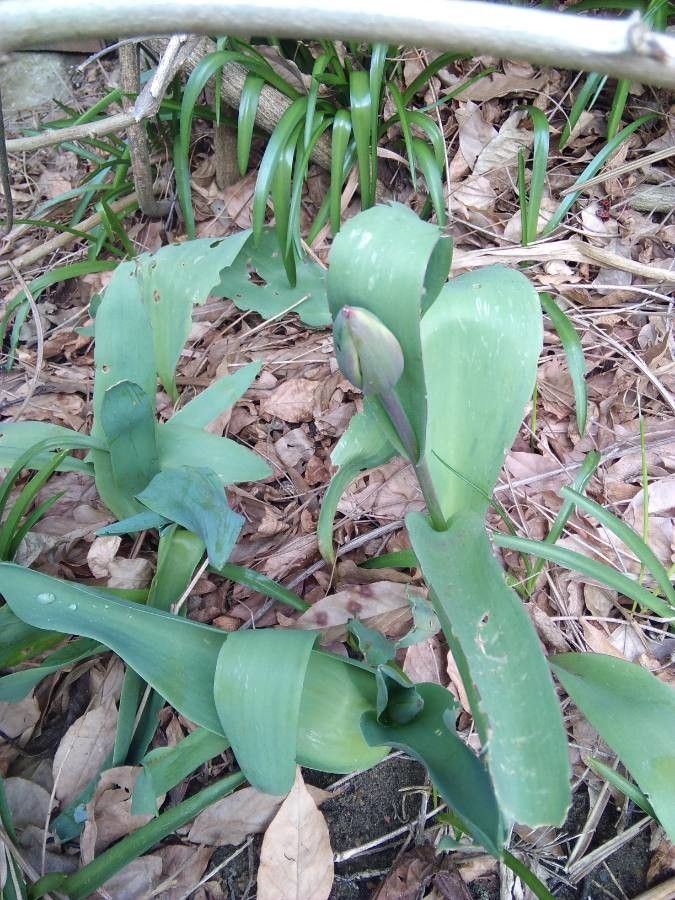
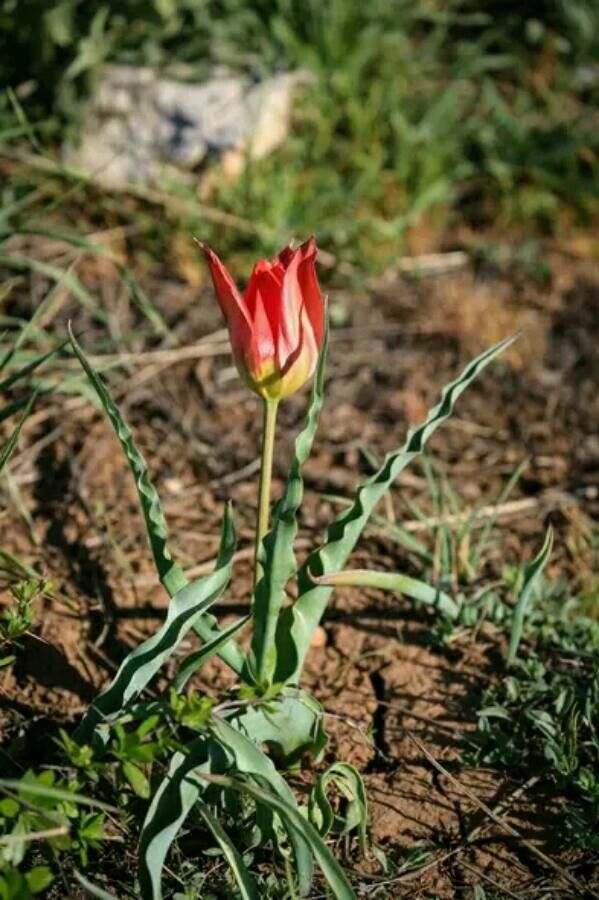
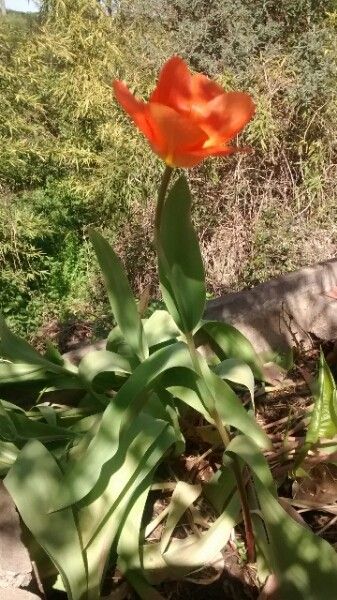
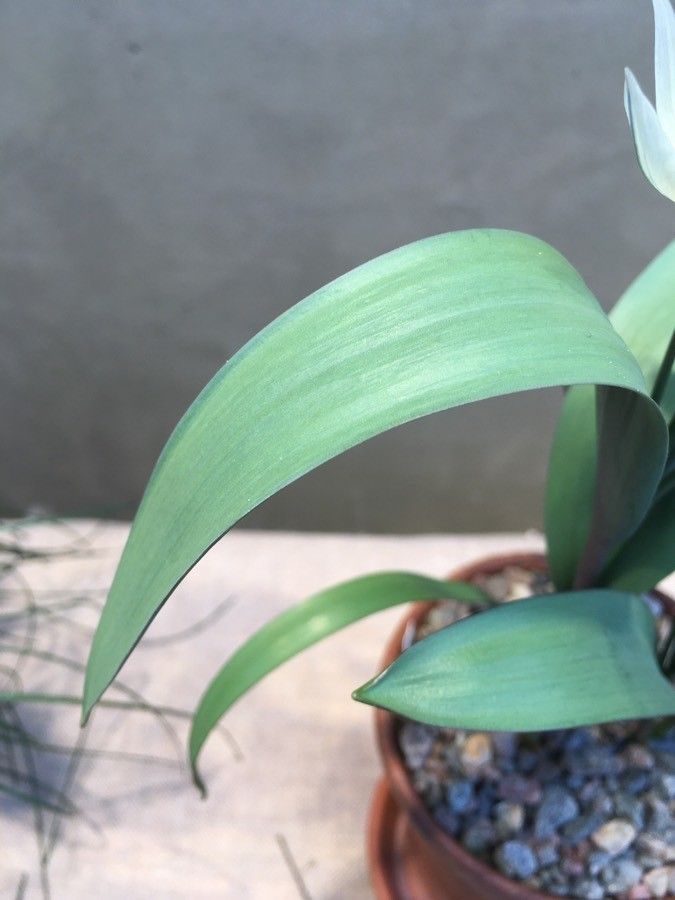
Tulipa biflora, the two-flowered tulip, is a species of tulip, native to the former Yugoslavia, Crimea, Anatolia, the Caucasus, southern Russia, Egypt, the Middle East, Central Asia, Iran, Pakistan, Afghanistan and Xinjiang in China. It has many synonyms, including Tulipa polychroma.It can be found on screes, rocky slopes, grassy slopes and deserts. It can be found in the salt deserts in the basin of the Wolga and it can often found with the small yellow tulip, Tulipa sylvestris.Cultivated, it has two, occasionally one or three, flowers borne on a single stalk. It has stems that can grow up to 10cm tall, with 2 (sometimes more) grey-green leaves. They are lanceolate (lance-like in shape. It blooms between late winter to spring, and the flowers are 2-3.5cm long. They are white with a yellow centre, the tepal (smaller petal) have greenish-grey backs. The flowers are fragrant.Most parts of plant are poisonous if they are ingested.
Biflora tulip has strong resistance to disease and is generally not likely to get sick. However, it can be vulnerable to pests and diseases present in its environment. Such infections are generally not severe. Care-wise, this plant needs moderate maintenance. It should be pruned regularly to preserve a neat appearance and healthy growth. Fertilizing can also encourage flowering. Biflora tulip is appropriate for anyone with outdoor space, such as a garden or patio, and does not demand extensive care experience. It may need more attention if grown indoors.
How to keep Tulipa Biflora.
Light
The Biflora tulip performs best when exposed to large amounts of daylight, a major factor that supports vigorous growth. It can also grow in partly lit conditions, though growth will be slower. In its native habitat it has become tolerant of both intense and moderately reduced sunlight. Nevertheless, insufficient light can inhibit growth, while too much light may cause leaf scorching.
Water
The Biflora tulip thrives in environments with moderate moisture and good drainage. It should be watered every 1-2 weeks. This plant grows best outdoors, where natural rainfall during its active growing season helps support healthy bulb development.
Temperature
The Biflora tulip originates from temperate regions and prefers temperatures between 68 to 95°F (20 to 35℃). Depending on your location, you may need to make seasonal adjustments to recreate those conditions.
Fertilizer
For Biflora tulip, the primary time to apply fertilizer is in early spring as the flowers begin to form. Using the appropriate fertilizer promotes stronger blooms and helps Biflora tulip produce attractive flowers. Fertilizing in early spring ensures excellent flowers throughout the season and supplies energy for dormant growth phases.
Pruning
The Biflora tulip showcases delicate white blooms in early spring and thrives with minimal pruning. To encourage healthy growth and vibrant future blooms, remove dead foliage after the flowering period and cut away any yellowing leaves in late spring. This care will help ensure that your Biflora tulips remain robust and visually appealing.
Botanical profile.
- Plant Type
- Herb
- Life Cycle
- Perennial, Annual, Biennial
- Genus
- Tulipa
- Family
- Liliaceae
- Hardiness Zone
- 4-10
- Mature Height
- 49 cm
- Mature Spread
- 5 cm
- Leaf Color
- Green, Silver
- Leaf Type
- Semi-evergreen
- Flower Color
- White, Yellow
- Flower Size
- 4.06 cm
- Bloom Time
- Late winter, Early spring
- Planting Time
- Winter
- Harvest Time
- Mid spring, Late spring
- Native Area
- Uzbekistan, Saudi Arabia, Afghanistan, Russia, Iraq, Syria, Turkey, Egypt, Kazakhstan, Iran, Armenia, Pakistan, Azerbaijan, Turkmenistan, China
Other names.
Reader questions.
What are the sunlight requirements for Biflora Tulip?
Biflora Tulip requires full sun, which means it thrives best with more than 6 hours of sunlight per day. However, it can also grow in partial sun conditions, receiving about 3-6 hours of sunlight daily. Observing the movement of sunlight through your garden helps in selecting the optimal spots that offer a mix of light and shade, which is crucial for the plants' well-being.
What is the native environment of Biflora tulip?
The Biflora tulip is native to temperate environments and prefers temperatures ranging between 68 to 95°F (20 to 35°C). These conditions might need to be artificially adjusted depending on seasonal changes in your location. The Biflora tulip is renowned for its robust cold resistance, meaning special frost protection measures are generally unnecessary. However, in instances where winter temperatures might drop below -30°C, protective steps should be taken. This can include covering the plant with soil or straw. Additionally, it is advisable to water the plant copiously before the first freeze in autumn, to ensure the soil retains moisture and prevents the plant from experiencing drought or water scarcity during the winter and early spring.
What are the essentials for growing Biflora Tulip in terms of sunlight?
The Biflora Tulip's growth is significantly enhanced when it is exposed to ample daylight, a key factor for its vigorous development. It can also tolerate partially lit areas, where its growth pace may reduce. Native to environments with varying light conditions, this plant can adapt to both bright and dimmer sunlight exposure. However, it is important to note that insufficient or excessive light can either stunt its growth or lead to leaf burn, respectively.
How does Biflora tulip react to low temperatures?
The Biflora tulip is cold-tolerant and fares best in temperatures above 20°C. During the colder months, it is crucial to ensure the temperature does not fall below 0°C. In extreme cold, particularly when temperatures dip below -30°C, the tulip may not exhibit immediate visible changes but could have reduced or even no sprouting come spring. To manage this, any parts of the plant that have not sprouted as expected in the spring should be removed.
How can artificial lighting benefit Biflora Tulip?
Artificial lighting is crucial for indoor plants, including Biflora Tulip, especially when natural sunlight is inadequate. This is often the case in winter or in less sunny indoor spaces. LED lights are recommended due to their ability to be customized to the specific light wavelengths needed by plants. Full sun plants require 30-50W/sq ft, partial sun plants need 20-30W/sq ft, and full shade plants benefit from 10-20W/sq ft of artificial light. The artificial light source should be placed 12-36 inches above the plant to mimic natural sunlight and should be kept on for 8-12 hours per day.
What should be done if Biflora tulip is exposed to high temperatures?
In the warmer months, it is essential to keep the Biflora tulip in conditions below 35°C. Exposure to temperatures above 41°C may result in the leaves lightening in color and becoming prone to curling, sunburn, and in severe cases, the plant may wilt and dry out. To counteract these effects, sunburned and dried portions of the plant should be trimmed away. The plant should be relocated to a shaded area, especially from the midday and afternoon sun, or a shade cloth can be used to protect it. Watering the plant during the cooler parts of the day, like morning or evening, will help keep the soil moist and support the plant's health.
What are the symptoms of inadequate lighting for Biflora Tulip?
When Biflora Tulip does not receive sufficient light, it may exhibit several symptoms. These include smaller new leaves, leggy or sparse growth, accelerated leaf drop, and halted or no new growth, indicating survival mode due to poor lighting. Additionally, new leaves may appear lighter in color or show signs of chlorosis, where leaves lose their green hue and turn yellow. Excessive sunlight can cause sunscald, with bleached areas on leaves or stems, leaf curling as a defense against water loss, wilting from increased transpiration, and leaf scorching characterized by brown, crispy edges.
How can you improve lighting conditions for Biflora Tulip?
Improving lighting conditions for Biflora Tulip involves several strategies. Indoors, gradually increase the plant's exposure to sunlight by moving it to sunnier spots weekly until it gets at least 6 hours of direct sunlight daily. If it's large or immovable, consider artificial light sources, keeping them on for a minimum of 8 hours daily. For outdoor plants, adapt them to brighter spots gradually to prevent sunburn. If sunlight is obstructed by physical barriers, identify and minimize these obstructions. In cases where smaller plants are overshadowed, transplanting during the dormant season to sunnier locations with good drainage can boost their sunlight exposure and overall health.