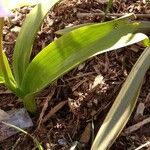
Tulipa humilis
Star tulip
Description
Source: leafsnapTulipa humilis is a species of flowering plant in the lily family, found in Syria, Lebanon, Israel, Turkey, Iran, and the North Caucasus region of Russia. The flowers are pink with yellow centers. Its preferred habitat are rocky mountain slopes. It is known by several other names in horticulture.
Care Guide
💧 Water Every week
The dwarf tulip, native to rocky subalpine meadows, thrives best in evenly moist soil but can withstand short periods of dryness. To encourage vibrant blooms, water it once a week, particularly during its growing season. This plant flourishes in temperate climates and requires a careful balance of watering and drainage to replicate its natural habitat.
What do I do if I give Dwarf tulip too much or too little water?
Dwarf tulips that are over-watered will develop yellow leaves, which is normal at the end of their blooming period. However, if the leaves turn yellow before the flowers bloom, it means they are being over-watered. To fix this, ensure there is proper drainage and refrain from watering for a few days. Adding sawdust to the soil can help absorb excess moisture. If the situation worsens even with controlled watering, check for rotted seedpods by digging them up and examining their color and texture. If severe decay is found, promptly remove these seedpods. Under-watered Dwarf tulips display similar yellow leaves but with drooping stems, smaller curled leaves, and possible brown patches. If you've given your tulips too little water, don't panic as they have some drought tolerance. Once you realize it, give them a good drink without saturating the soil. Just ensure it is moist, being careful not to overwater. Extended periods in water can cause root rot and fungus growth on the bulb, leading to damage such as spots on leaves and buds. Discoloration and death may also occur on the tips of the leaves.
How much water does my Dwarf tulip need?
The growth of your Dwarf tulip depends on its location and current state. After planting, give it a good watering to kickstart growth, then wait for shoots to appear. If it's in a pot, water when the top 1-2 inches are dry, as container plants dry out faster. For tulips in flower beds, extra watering is only needed if it hasn't rained recently. Be cautious with watering, as too much can rot the seed ball and cause the plant to die.
Do I need to change how often I water my Dwarf tulip based on the season or weather?
To care for your Dwarf tulip while it's growing, water it once a week. Remember, as the temperature increases, the soil will dry out faster, so adjust the watering frequency accordingly. It's better for the soil to be on the drier side rather than excessively wet. During the summer, the Dwarf tulip will go dormant and its above-ground parts will dry up and die. If you planted it outdoors, watering shouldn't be necessary. However, if your region experiences a lot of rain, you should consider digging the tulips out to prevent the buds from rotting due to excessive water. For potted Dwarf tulips, once the above-ground parts are completely dried out and dormant, stop watering them. You can either dig up the buds and store them in a cool location or leave them in the soil in a cool spot until the next growing season. Resume watering when it's time for the next sowing season.
What should I look for when I plant my small tulip in my house or outside?
To ensure healthy growth and avoid rotting, it is important to regulate moisture levels for your containers. If the containers become overly soaked or waterlogged, you should move them to a sheltered spot until they dry out. When the weather improves, you can return them to their original location. When planting outdoors, make sure to choose well-drained soil to prevent excess water accumulation and decay. For both indoor and outdoor plants, it is advisable to let the soil dry completely before providing small amounts of water. This will help prevent bulb rot until new shoots begin to grow. Specifically for Dwarf tulips, which are more vulnerable to rotting indoors with low light and poor ventilation, you need to be cautious when watering and ensure that a significant portion of the soil is dry before watering. If you find it challenging to maintain proper moisture levels indoors, you might want to consider relocating your Dwarf tulip to a more suitable environment. On the other hand, when growing them outdoors, good ventilation and ample sunlight will generally ensure a safer cultivation.
☀️ Light Full sun
Native to environments that receive abundant daylight, the dwarf tulip grows especially well with plenty of sunlight. Adequate sun encourages healthy development, whereas too little or too much can result in poor growth. Consistent light intensity throughout its various growth stages produces the best results for the dwarf tulip.
What are the sunlight requirements for Dwarf Tulip?
Dwarf Tulip requires full sun, meaning it should receive above 6 hours of sunlight daily, or partial sun, receiving about 3-6 hours of sunlight. It's critical to observe your garden's sun exposure throughout the day to ensure your Dwarf Tulip gets the optimal balance of light and shade. This balances promotes thriving plants by meeting their specific light needs.
How does sunlight affect Dwarf Tulip's growth?
Sunlight plays a significant role in the healthy growth of Dwarf Tulip. Originating from habitats exposed to substantial sunlight, they perform best under plenty of sunshine. Adequate sunlight encourages robust growth, while insufficient light or overexposure can lead to developmental issues. Consistent sunlight intensity across various growth stages is crucial for achieving optimal results.
Can artificial lighting be used for growing Dwarf Tulip indoors?
Yes, artificial lighting can be beneficial for Dwarf Tulips grown indoors, especially when natural sunlight is insufficient, such as in winter or less sunny spaces. LED lights are a recommended choice because they can provide specific wavelengths needed by plants. For full sun plants, 30-50W/sq ft of artificial light is advised, while partial sun plants require 20-30W/sq ft. The light source should be placed 12-36 inches above the plant to mimic natural sunlight, and most plants will need 8-12 hours of light per day.
What are the common symptoms of light deficiency in Dwarf Tulip?
Symptoms of light deficiency in Dwarf Tulip include smaller new leaves, leggy or sparse growth, faster leaf drop, slower or no new growth, lighter-colored new leaves, chlorosis, sunscald, leaf curling, wilting, and leaf scorching. These symptoms range from growth issues to visible damage on leaves, indicating the importance of adequate sunlight for health and growth.
How can I address Dwarf Tulip's light-related symptoms?
To address light-related symptoms in Dwarf Tulip, gradually move your plants to sunnier locations to ensure they receive at least 6 hours of sunlight daily. If indoors, use south-facing windows or consider artificial lighting, like desk lamps or professional grow lights, for at least 8 hours a day. For outdoor plants, avoid sudden changes in light intensity to prevent sunburn. Removing obstructions that block sunlight, such as pruning trees, or transplanting smaller plants to sunnier spots during their dormant period, can also help improve light exposure.
🌡️ Temperature 0–32.2°C
The dwarf tulip is native to temperate regions and prefers cool to moderate temperatures, doing best in the 32 to 90 °F (0 to 32 °C) range. Seasonal temperature changes should be considered within this range to maintain its proper health.
What is the ideal temperature range for Dwarf tulip?
The Dwarf tulip, or Tulipa humilis, is native to temperate environments and thrives best in temperatures ranging from 32 to 90 °F (0 to 32 °C). It is well-adapted to cool to moderate temperatures, making this range ideal for its proper growth and health. The plant possesses strong cold resistance, negating the need for special frost protection measures in most winter conditions. However, in extremely cold climates where temperatures are expected to fall below -35°C, it is recommended to provide additional cold protection by covering the plant with soil, straw, or similar materials. To further assist in its winter survival, watering the plant abundantly before the first freeze of autumn to ensure the soil remains moist and enters a frozen state can help prevent drought and water scarcity during the cold months.
How does low temperature affect Dwarf tulip and what are the solutions?
Dwarf tulip is exceptionally cold-tolerant, ideally kept above 0°C and capable of withstanding winter temperatures above -30°C. However, when temperatures drop below -35°C, the plant may exhibit reduced sprouting activity or fail to sprout in the spring, despite not showing noticeable changes during the winter. To address this issue, it is advisable to inspect the plant in spring and remove any parts that have failed to sprout, encouraging healthy growth for the season.
What symptoms do high temperatures cause in Dwarf tulip, and how can they be mitigated?
High temperatures, particularly those exceeding 32°C, can have adverse effects on Dwarf tulip, causing the leaves to lighten in color, become prone to curling, and susceptible to sunburn. In severe cases, the plant may wilt and dry out completely. To mitigate these effects, it is recommended to trim away any sunburned and dried-up parts. Additionally, moving the plant to a shaded location or using a shade cloth to protect it from the midday and afternoon sun can be beneficial. Watering the plant in the morning and evening will help keep the soil moist and reduce stress from high temperatures.
💨 Humidity
🪴 Soil 6-7
🌱 Fertilizer
For Dwarf tulip, the primary time to apply fertilizer is in early spring while the flowers are developing. The correct fertilizer promotes better blooms and helps Dwarf tulip produce attractive flowers. Fertilizing in early spring ensures strong flowers during the season and supplies energy for dormant growth phases.
Why is it necessary to fertilize my Dwarf tulip?
Fertilizing your Dwarf tulip is crucial for several reasons. Firstly, it helps your tulip produce beautiful blooms. Early spring fertilization is particularly effective in ensuring abundant and excellent flowers during the season. Additionally, fertilizer provides your Dwarf tulip with the energy it needs to store in the ground during dormant growth phases. By giving your tulip extra nutrients during fall planting or late spring, you can enhance its energy reserves for when active growth resumes.
When should I fertilize my Dwarf tulip?
Fertilizing a Dwarf tulip at different times of the year can help promote healthy blooms. In early spring, applying the right fertilizer can encourage better flower growth as the buds form. After the flowers have faded, fertilizing again in late spring will provide the tulip with energy it can store for the following year. If planting the Dwarf tulip in the fall, providing some fertilizer during the planting process can increase the chances of a healthy flower set during its first growing season.
When is not a good time to add fertilizer to my Dwarf tulip?
To properly fertilize a Dwarf tulip, there are specific times to keep in mind: during fall planting, the early spring bloom period, and the late spring after the bloom period. Fertilizing at any other time is not necessary and may be harmful. It's important to note that Dwarf tulips have a dormant phase when they require less fertilizer and water. This dormant phase occurs during the winter, as expected, but also during the summer. After the flowers fade, the leaves will remain for a short time before dying back. Once the leaves have died back, the plant has entered a dormant phase and no longer needs fertilizer.
Which fertilizer should I use for my Dwarf tulip?
To ensure the health of your Dwarf tulip, you have a few options for fertilizer. The simplest approach is to use a balanced fertilizer with equal parts nitrogen, phosphorus, and potassium, like 10-10-10 or 5-5-5. It's also recommended to use granular fertilizer instead of liquid. If you want to be more specific, you can choose a fertilizer that is higher in phosphorus, as this is believed to promote longer-lasting and better-quality flowers. Organic materials, such as bonemeal, can be beneficial in providing the needed phosphorus for your Dwarf tulip's blooming abilities.
How should I fertilize my Dwarf tulip?
To ensure proper fertilization for your Dwarf tulip, there are two key times to consider. The first is during the planting process in the fall. When digging the hole to plant the bulb, it's recommended to incorporate some granular slow-release fertilizer. Throughout this process, it's important to water regularly to maintain consistent soil moisture. The second time to fertilize is in early spring, as the plant begins to emerge and develop its flowers. Once again, using a granular fertilizer with a balanced mix of nutrients is advised. Simply sprinkle it on the ground and be sure to gently water the soil alongside the application.
🪴 Pot & Repot 2-3 years
Repot dwarf tulips every 2-3 years in early fall to encourage healthy bulb growth. Choose a slightly larger container with well-draining soil and place it in a spot that receives plenty of sunlight. Water the tulips moderately to prevent over-saturation, which helps promote healthy roots and foliage for vibrant blooms.
✂️ Pruning
Dwarf tulips flourish with minimal pruning, primarily through deadheading and removing damaged leaves. The best time for these tasks is early spring, which encourages healthy blooms and minimizes the risk of disease. Careful pruning not only improves flowering but also boosts the plant's overall vigor and protects the bulbs.
🌿 Propagating
🐛 Diseases & pets
☠️ Toxicity
Characteristics
- Plant Type
- Herb
- Life Cycle
- Perennial
- Genus
- Tulipa
- Family
- Liliaceae
- Hardiness Zone
- 3-8
- Mature Height
- 25 cm
- Mature Spread
- 15 cm
- Leaf Color
- Green, Blue, Silver
- Leaf Type
- Deciduous
- Flower Color
- Pink, Red, Purple
- Flower Size
- 3.05 cm to 5.08 cm
- Bloom Time
- Early spring, Mid spring
- Planting Time
- Autumn
- Harvest Time
- Late spring, Early summer
- Native Area
- Iran, Iraq, Turkey, Lebanon