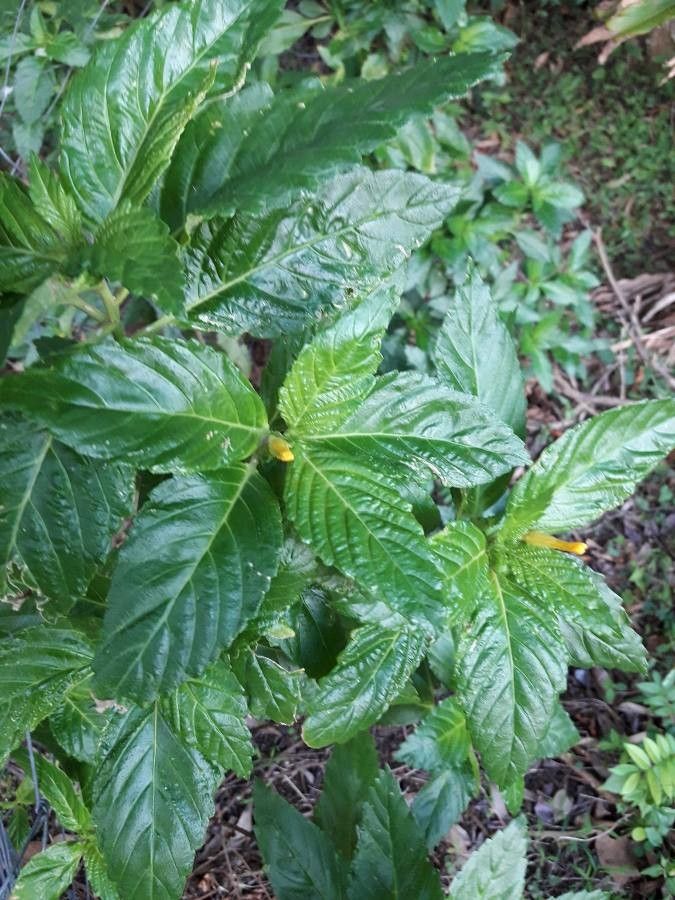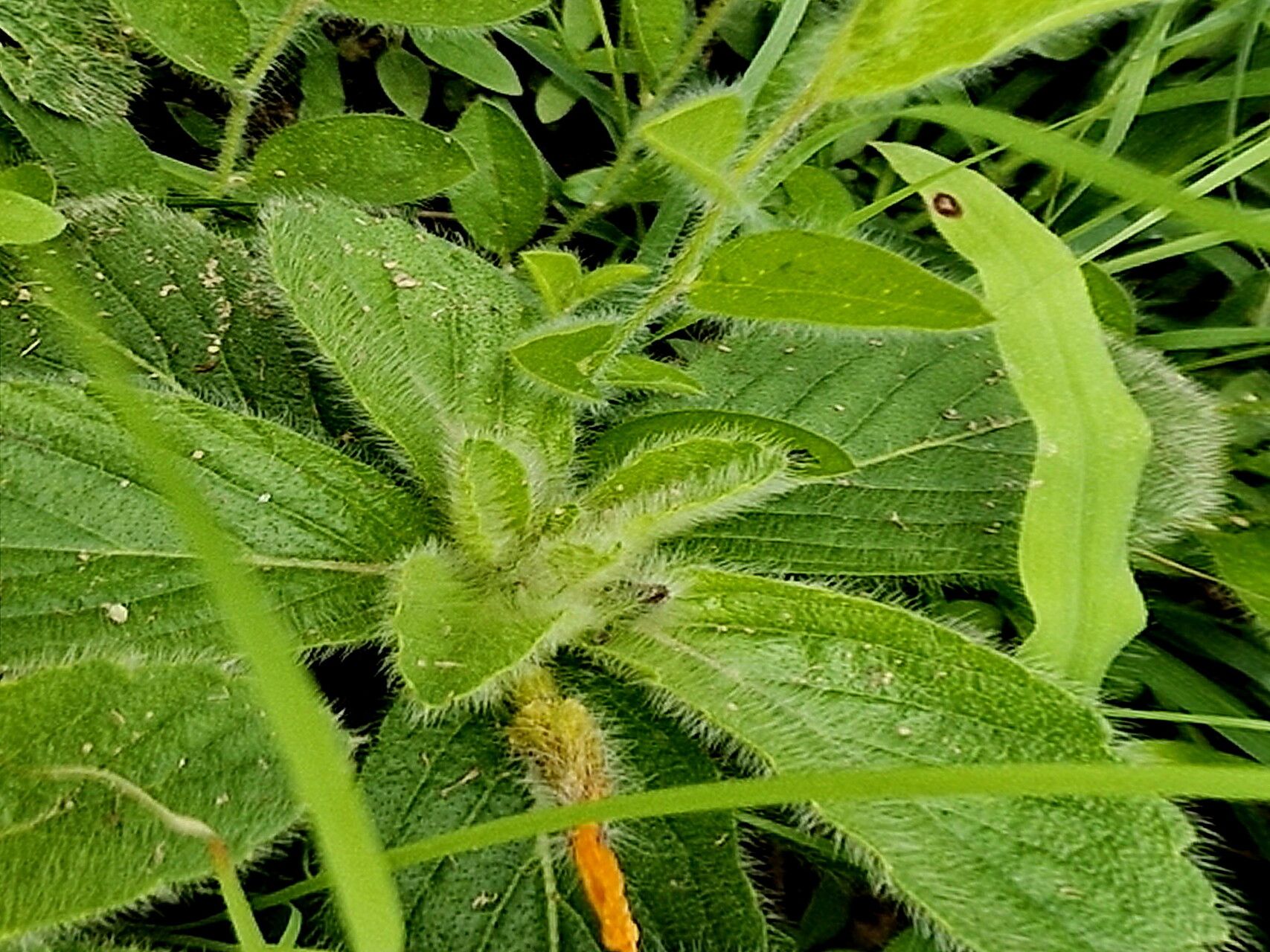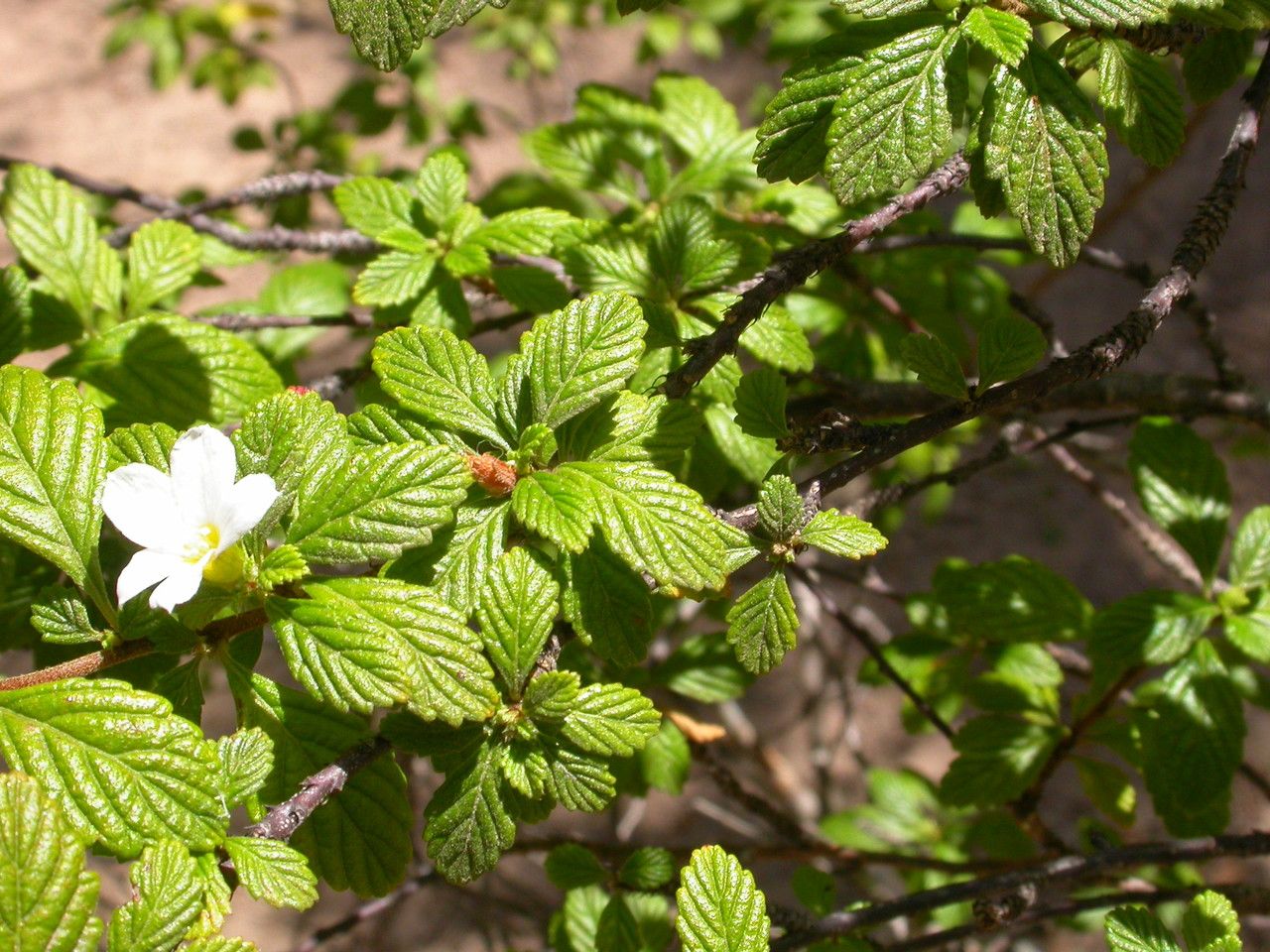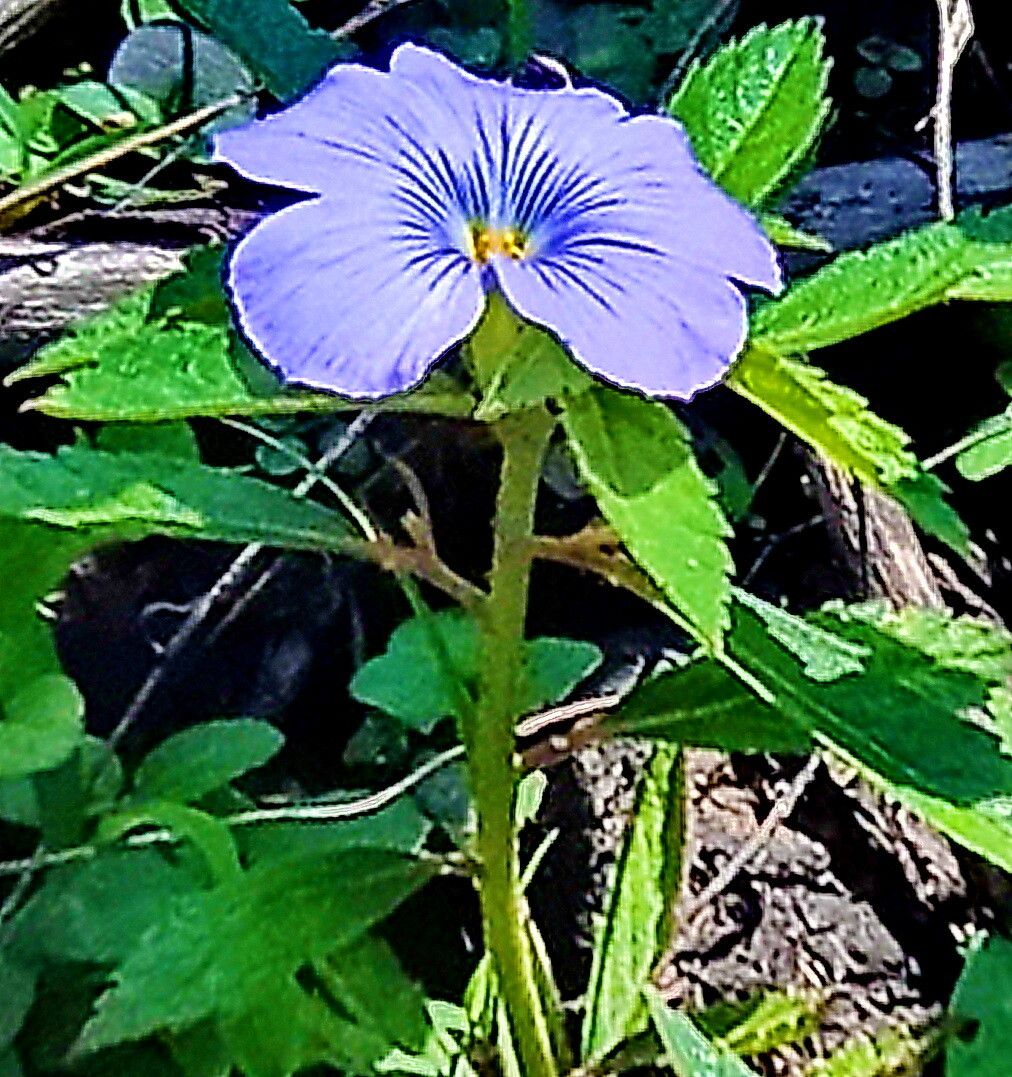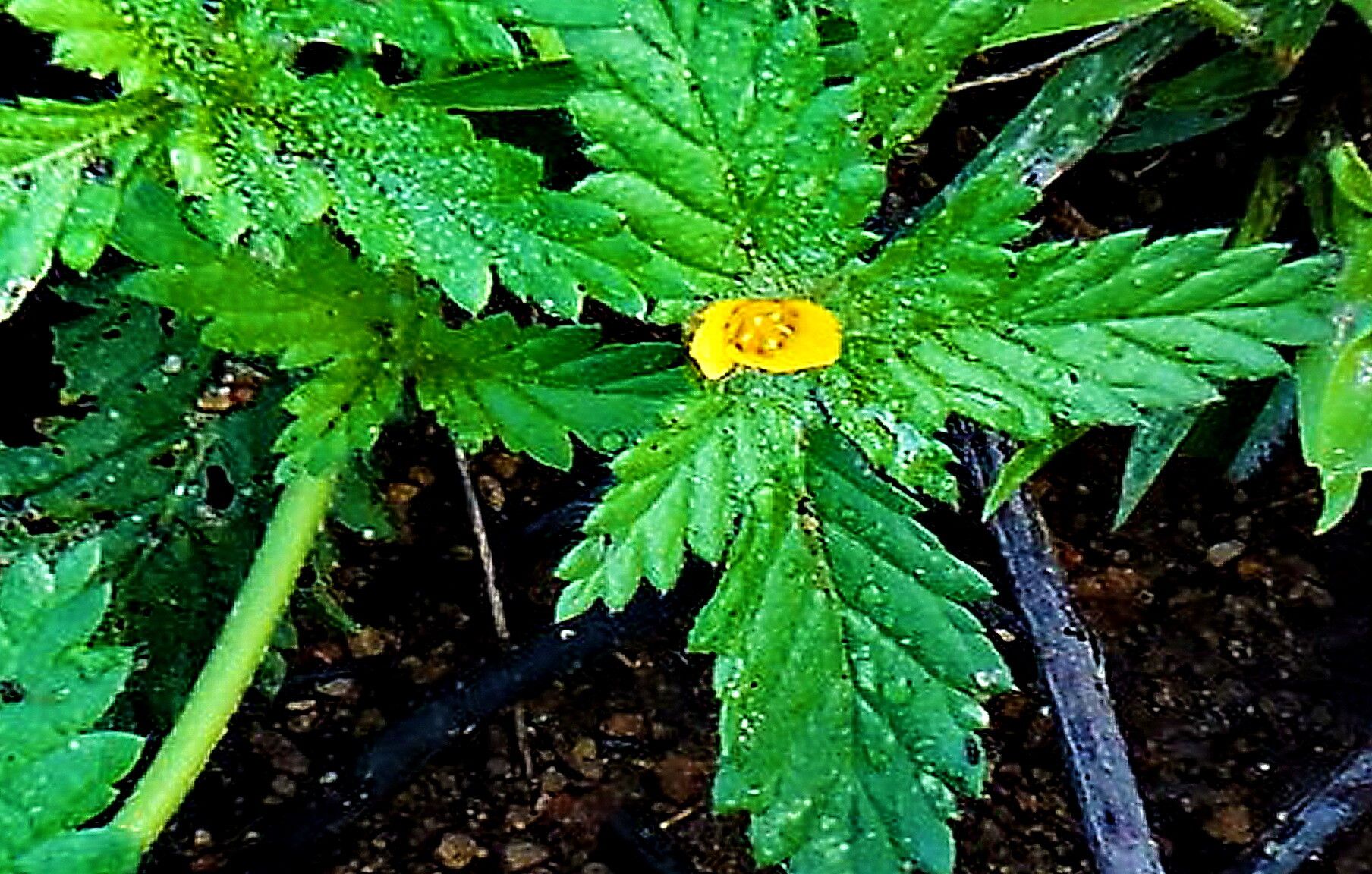
Turnera pumilea is a species of Turnera from Jamaica.
Damiana has strong disease resistance and is usually not vulnerable to illnesses. In terms of maintenance, this plant is fairly low-maintenance. When grown outdoors, it needs only minimal watering, and larger plants typically do not require pruning. Smaller plants, however, should be pruned after they finish blooming. Damianat is suitable for anyone with an outdoor area, such as a garden or a deck, and does not need extensive care experience.
How to keep Turnera Pumilea.
Light
Damiana har en förkärlek för riklig exponering för solens strålar, vilket ökar dess styrka och livskraft. Dess naturliga miljö är fri från skuggning, så att den får ljus under hela dagen. En överdriven mängd solljus kan orsaka stress, medan ljusbrist kan hämma dess robusta tillväxt.
Temperature
Damiana comes from tropical areas, where the climate is generally warm and humid. As a result, it is well suited to high temperatures and humidity. It is sensitive to abrupt temperature changes and prefers a steady temperature, so indoor temperature fluctuations should be avoided. It usually cannot tolerate cold conditions and needs warmer temperatures to grow. If the ambient temperature falls too low, the plant may stop growing or even die.
Fertilizer
The best time to fertilize a Damiana is in early spring, as it breaks dormancy. This supports overall growth and flower development. Fertilization improves the foliage, stems, and branches and encourages flowers that are large, vivid, and long-lasting. It helps move nutrients from the roots to the flowers and boosts the plant's health and resistance to disease.
Pruning
To ensure healthy growth, prune the yellow alder in early spring by removing dead branches. This encourages the plant to thrive. Properly shaping the plant improves air circulation and sunlight exposure, leading to bushier growth and more abundant blooms. Be careful not to over-prune, as this can stress the plant. With regular care, you can enhance its vigor and aesthetic appeal, supporting robust development.
Botanical profile.
- Plant Type
- Shrub
- Life Cycle
- Perennial
- Genus
- Turnera
- Family
- Passifloraceae
- Hardiness Zone
- 9-11
- Mature Height
- 91 cm
- Mature Spread
- 61 cm
- Leaf Color
- Green
- Leaf Type
- Evergreen
- Flower Color
- Yellow
- Flower Size
- 2.54 cm
- Bloom Time
- All year round
- Planting Time
- Spring
- Harvest Time
- All year round
- Native Area
- Bahamas, Belize, Cuba, Honduras, Mexico, Brazil, Nicaragua, Costa Rica, Panama, Jamaica
Other names.
Reader questions.
What sun requirements do Yellow aldor (Turnera pumilea) plants have?
Yellow alder (Turnera pumilea) plants thrive under specific light conditions. For those requiring 'Full sun', they need above 6 hours of sunlight, ideal for plants that love to soak up the rays. Alternatively, 'Partial sun' conditions mean about 3-6 hours of sunlight, suitable for plants that prefer a mix of light and shade. It's important to observe the movement of sunlight through your garden carefully. Identifying the perfect balance of light and shade will ensure your plants remain happy.
What is the botanical name of Yellow alder?
The botanical name of Yellow alder is Turnera pumilea. This plant is known by its common name 'Yellow alder,' but its scientific classification places it in the genus Turnera, with the specific epithet pumilea.