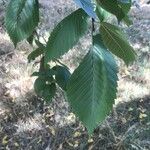
Ulmus laevis
نارون سفید (FA) · Russian elm · Water elm · European white elm · Eurasian elm
Description
Source: leafsnapUlmus laevis, commonly known as the European white elm, is a deciduous tree native to Europe and western Asia. It can grow up to 30 meters tall and features a broad, spreading crown with a diameter of up to 20 meters. The bark of the tree is grayish-brown with deep furrows and ridges. The leaves of Ulmus laevis are oval-shaped with serrated edges and are dark green in color. They turn yellow in autumn before falling off the tree. The flowers are small, greenish-yellow clusters that appear in early spring before the leaves emerge. The European white elm prefers moist soils but can tolerate dry conditions once established. It grows well in full sun or partial shade and is commonly used as an ornamental shade tree or for hedgerows. Ulmus laevis has been used for centuries for its wood, which is strong, durable, and resistant to splitting, making it ideal for furniture making and construction purposes. However, like many other elm species around the world, it has been affected by Dutch Elm Disease, which causes wilting of leaves and eventually leads to the death of the tree. Some resistant cultivars, such as 'New Horizon,' have been developed over time. These resistant varieties have shown resilience against Dutch Elm Disease, making them suitable replacements in areas where native populations have been wiped out.
🌳 The European white elm not only has an attractive appearance but also has uses beyond its timber. Less well known is that the tree, especially in Eastern Europe, is an important ecological element for honey production. Beekeepers value the European white elm for its abundant nectar, which helps produce a distinctive honey variant. The tree’s pliable, resilient inner bark—called "bast" in some local dialects—was historically used to make strong fibrous items like ropes and mats, demonstrating the plant’s versatility.
Care Guide
💧 Water Every 7 days
The European white elm flourishes in temperate areas with moderate moisture levels. To keep the tree adequately hydrated without causing over-saturation, water it every three weeks. Applying mulch around outdoor trees can help retain moisture, which is especially important during the active growing season when the tree's water needs are highest. Although the elm can handle brief dry spells, it is essential to maintain a regular watering schedule for optimal growth.
How should I water my European white elm tree in the best way?
To ensure excellent root development, it is recommended to place a garden hose at the base of the plant. Avoid spraying water directly on the leaves, as they may require more watering when outdoors in direct sunlight. Using bubblers or soaker hoses can help moisten the roots effectively. When adding or removing plants, using soaker hoses that cover the entire garden or bed will ensure deep root penetration. Make sure to drain excess water and allow the soil to dry before watering again. Watering at ground level is important to prevent diseases. On a sunny day, it may be beneficial to spray the entire bush with water. Whether the plant is potted or in-ground, it is important to remember that European white elm prefers deep watering instead of light sprinkling.
What should I do if I give too much or too little water to the European white elm?
An overwatered European white elm may exhibit yellowing, dropping, and wilting leaves, as well as a dull and unhealthy appearance with mushy stems. It is important to adjust your watering schedule when these signs begin to show. Conversely, wilting can also be a sign of under watering, in which case the leaves may become crispy and dry. To determine if the soil is dry, check it and if watering alone is insufficient, give it a thorough watering. Despite recovering with enough water, the damaged root system may result in the plant still appearing dry with yellow leaves after a few days. Once the plant returns to normal, the yellowing of leaves will cease. When keeping a European white elm indoors, check the moisture levels in the pot and avoid overwatering. Look for signs of black spots, and if they are present, allow the soil to dry out by withholding water for a few days. Overwatering can lead to root rot, so transfer the plant to a different pot if you notice discolored and slimy roots. Preventing root rot by avoiding excessively soggy soil is crucial. When planting your European white elm outdoors, ensure adequate watering by checking the soil's moisture level with your fingers. If the soil feels too dry, it indicates underwatering, and watering sufficiently is needed for plant recovery.
How often do I need to water my European white elm?
The European white elm prefers to be watered deeply but infrequently. If they are planted in pots, it is important to soak them with a gallon of water each time, as the soil in pots tends to dry out faster. In cold regions, watering every 3 to 5 days is necessary. It is best to water in the morning when the soil is dry, both indoors and outdoors. To determine if watering is needed, check the soil inside the pot. If the top 2-3 inches of soil are dry, it is time for a full watering. During hot days, check the soil moisture daily as the heat can quickly dry it out. If you have a garden, irrigation is necessary. For hot climates, watering once a week is usually sufficient. Only water when you notice about 2-3 inches of soil becoming too dry. Consider the amount of rainfall and avoid adding water to prevent root rot. European white elms typically grow in the spring and fall. When planted outdoors, adding 3-4 inches of mulch can help conserve water. Sandy soil drains faster, so plants in this soil type may need more frequent watering. In contrast, clay soil retains moisture better, so watering can be done less frequently to avoid root rot. It may be helpful to mark the watering dates on a calendar and pay attention to any drooping leaves, as this could indicate a need for watering.
How much water should I give my European white elm tree?
The European white elm generally needs about a gallon of water on a regular schedule. For potted plants, water them deeply until water drips out of the bottom of the pot, and then wait for the soil to dry before watering again. You can use a water calculator or moisture meter to track how much water you give your plant in a week. During the flowering period, provide plenty of water but allow the moisture to evaporate afterwards to avoid root rot. If the European white elm is planted outdoors and receives adequate rainfall, it may not need extra watering. However, when the tree is young or newly planted, make sure it gets 1-2 inches of rain per week. As the tree grows, it can rely solely on rainfall, unless it's extremely hot or there has been no rain for 2-3 weeks. In such cases, water the tree during cooler times of the day to prevent heat damage. Additional watering will be necessary during prolonged dry periods.
Should I change how often I water my European white elm tree based on the time of year or the weather?
To ensure the health and growth of your European white elm tree, it is important to provide the right amount of water depending on the season. During the spring and fall growing seasons, the soil should be kept moist but not waterlogged. Alternating between dry and moist soil conditions will be beneficial for the tree's growth. However, in the summer, hot weather can cause water to evaporate quickly, so you may need to water more often if there is a lack of rainfall. During the winter, the tree requires less water as it goes dormant. It is recommended to use well-draining soil and provide adequate drainage to prevent waterlogging during this time. Once the tree begins to leaf out in the spring and go dormant again, you can rely on rainfall to keep it hydrated. When cultivating the tree in a pot, it is important to keep it well-watered, especially during the summer months. However, avoid overwatering and ensure that the pot has proper drainage to prevent the roots from becoming cold and wet. It is best to water the entire root system deeply once or twice a week, depending on the weather, instead of using shallow sprinkles that may encourage fungal growth. Although the tree may be in dormancy during fall and winter, make sure it doesn't completely dry out. Avoid waterlogging the tree as it can be detrimental, especially during winter. Applying mulch can help reduce stress, conserve water, and promote healthy blooms.
☀️ Light Partial sun
The European white elm favors locations with filtered sunlight. It thrives there because it can tolerate varying light conditions. Its native habitat provides that kind of penetrating sun, which benefits its health. However, an extreme lack or excess of light can impair its growth.
What are the sunlight requirements for the European white elm?
The European white elm thrives in locations where the sun's rays are filtered, showing toleration for a range of sunlight conditions. This tolerance stems from its native growing environments which feature penetrative sunshine, crucial for the plant's health. Ideally, it requires about 3-6 hours of sunlight daily, but both extreme lack and surplus of sunlight can hinder its growth. It’s important to observe the movement of sunlight in your garden to ensure plants get a balanced exposure for their optimal growth.
How can artificial lighting benefit indoor European white elm plants?
For indoor European white elm plants, adequate lighting is essential, especially when natural sunlight falls short, such as in winter or in less sunny areas of your home. Artificial lighting, like LED lights, can replace natural sunlight by providing the necessary wavelengths for plant growth. For full sun plants, 30-50W per square foot is recommended; partial sun plants need 20-30W per square foot, while full shade plants require 10-20W per square foot. The artificial light source should be placed 12-36 inches above the plant, simulating the natural sunlight distance, and kept on for 8-12 hours daily to mimic natural daylight hours effectively.
What are the symptoms of light deficiency or excess in European white elm?
When European white elm experiences insufficient light, noticeable symptoms include the growth of smaller leaves than usual, leggy or sparse growth, faster leaf drop, and a stop in new growth indicating a survival mode. Light-colored new leaves, chlorosis (yellowing), sunscald, leaf curling, wilting, and leaf scorching are symptoms related to both light deficiency and excessive exposure. These symptoms either indicate a lack of chlorophyll and essential nutrients due to insufficient sunlight or damage from too much direct sunlight.
What solutions can address the European white elm's light-related issues?
To optimize European white elm's growth based on light availability, gradually shift the plant to sunnier spots each week, aiming for 3-6 hours of direct sunlight daily, or use artificial lighting if the plant is not easily movable, ensuring at least 8 hours of light daily. Outdoors, avoid sudden changes in light exposure to prevent sunburn. Reduction of obstructions like pruning obstructive branches, or relocating smaller plants to sunnier areas with good drainage, can improve sunlight access. However, parts of the plant that have suffered due to previous insufficient sunlight might not recover, but adapting these measures will ensure new growth is healthy.
🌡️ Temperature 0–35°C
The European white elm naturally occurs in areas with temperatures ranging from 32 to 95°F (0 to 35°C). It prefers the milder end of that spectrum. In colder seasons, gradually acclimate the plant to cooler temperatures to prevent shock.
What are the ideal temperature conditions for the European white elm?
The European white elm thrives in environments with temperatures ranging from 32 to 95°F (0 to 35°C), preferring the milder temperatures within this spectrum. It exhibits strong cold resistance and generally does not need specific frost protection measures if winter temperatures stay above -35°C. However, in anticipation of the first freeze each autumn, it's recommended to water the plant abundantly to ensure the soil remains moist and enters a frozen state prepared for winter. This care helps prevent drought and water scarcity during the colder and early spring months. In cases where temperatures are expected to drop below -35°C, protection for the trunk and branches with materials like non-woven fabric is advisable to guard against cold damage.
How should the European white elm be cared for in low temperatures?
In conditions where temperatures plunge, the European white elm shows remarkable cold tolerance, ideally remaining above 0°C. Despite its resilience, severe cold below -35°C might not visibly affect the tree during winter but can lead to brittle and dry branches by spring, with no new shoots emerging. The recommended care for such damage is to prune away any dead branches in spring that have failed to produce new leaves, ensuring the plant's health and continued growth.
What care does European white elm require in high temperatures?
During the warmer months, it's crucial to keep the European white elm in conditions below 35°C. Temperatures exceeding 38°C can cause the leaves to lighten in color, become dry, and wither at the tips, increasing the risk of sunburn. To mitigate these issues, sunburned and dry parts of the plant should be trimmed away. Moving the plant to a shaded location or employing a shade cloth can protect it from harsh midday and afternoon sun. Regular watering in the morning and evening will help keep the soil adequately moist and support the plant's overall well-being.
💨 Humidity
🪴 Soil 5-7
🌱 Fertilizer
Fertilize your European white elm in early spring to encourage healthy growth. Regular fertilization boosts its overall health, leading to vigorous growth, increased resilience to harsh conditions, and improved resistance to diseases and pests. Keep a consistent fertilization schedule for your European white elm to preserve vibrant, deeply colored foliage and a lush appearance.
🪴 Pot & Repot
✂️ Pruning
The European white elm is a deciduous tree that benefits from pruning in early spring. To improve the tree's health and appearance, focus on these key techniques: remove dead branches to increase air circulation, and thin out overcrowded areas to prevent excessive shading. This approach enhances the tree's structural integrity, aesthetic appeal, and supports healthy growth during its natural growth cycle.
🌿 Propagating
🐛 Diseases & pets
☠️ Toxicity
Characteristics
- Plant Type
- Tree
- Life Cycle
- Perennial
- Genus
- Ulmus
- Family
- Ulmaceae
- Hardiness Zone
- 3-9
- Mature Height
- 29.87 m
- Mature Spread
- 29.87 m
- Leaf Color
- Dark Green, Forest Green
- Leaf Type
- Deciduous
- Flower Color
- Red, White
- Flower Size
- 0.25 cm to 0.51 cm
- Bloom Time
- Spring
- Planting Time
- Spring, Autumn
- Harvest Time
- Mid summer, Late summer
- Native Area
- Turkey, Sweden, Austria, Slovakia, Montenegro, Slovenia, Croatia, Belarus, Uzbekistan, Russia, Germany, Estonia, Romania, Latvia, Belgium, Moldova, Netherlands, France, Tajikistan, Czech Republic, Bulgaria, Poland, Greece, Ukraine, Serbia, Lithuania, Kazakhstan, Switzerland, Denmark, Finland, Iran, Albania, Hungary