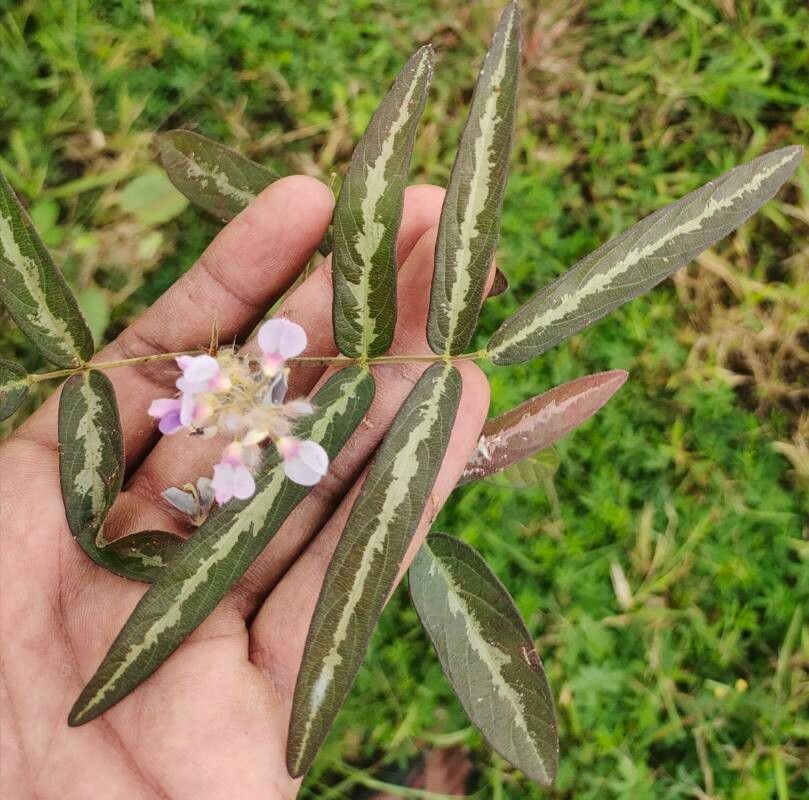
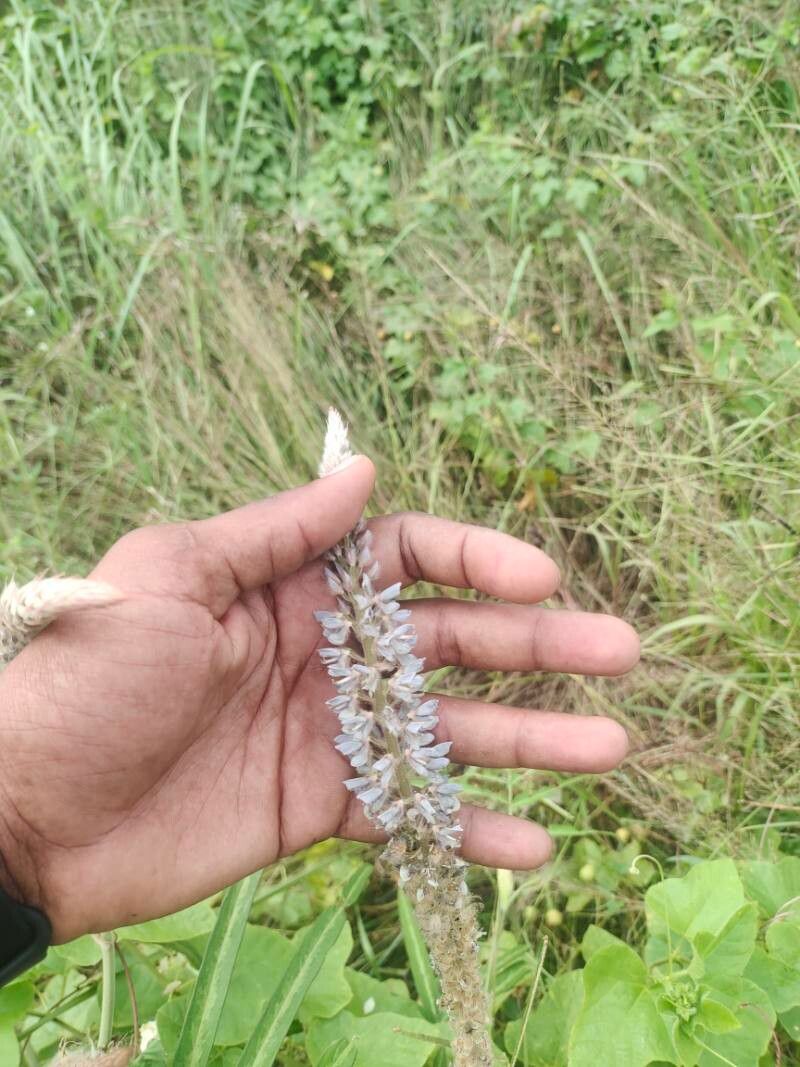
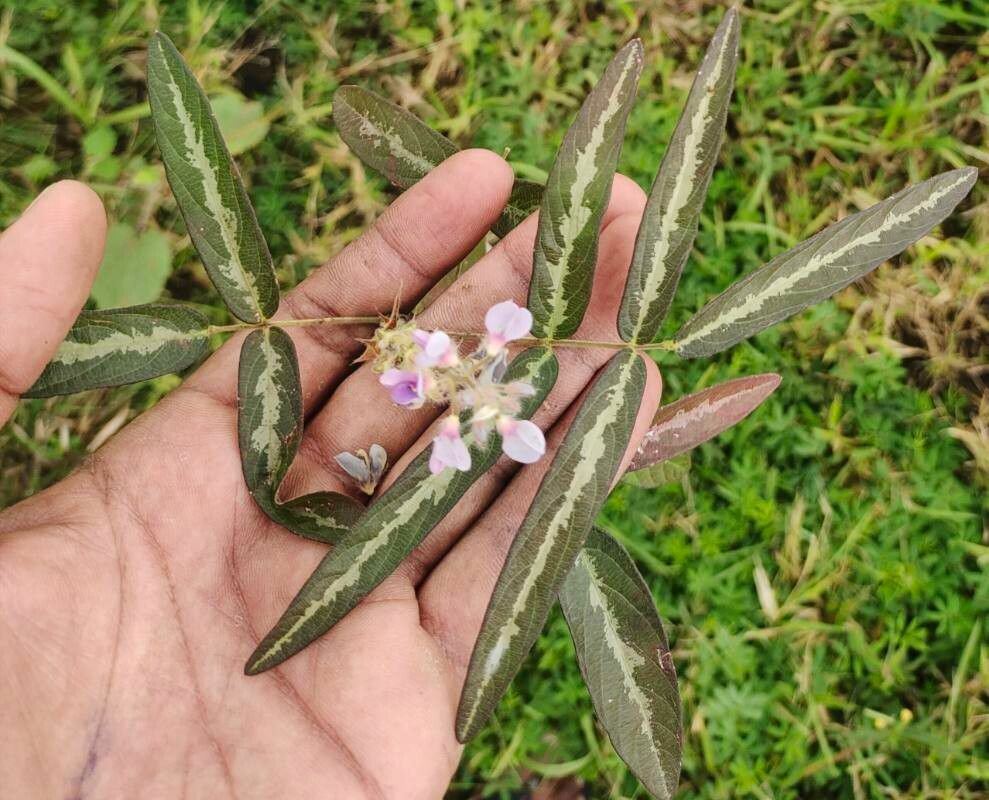
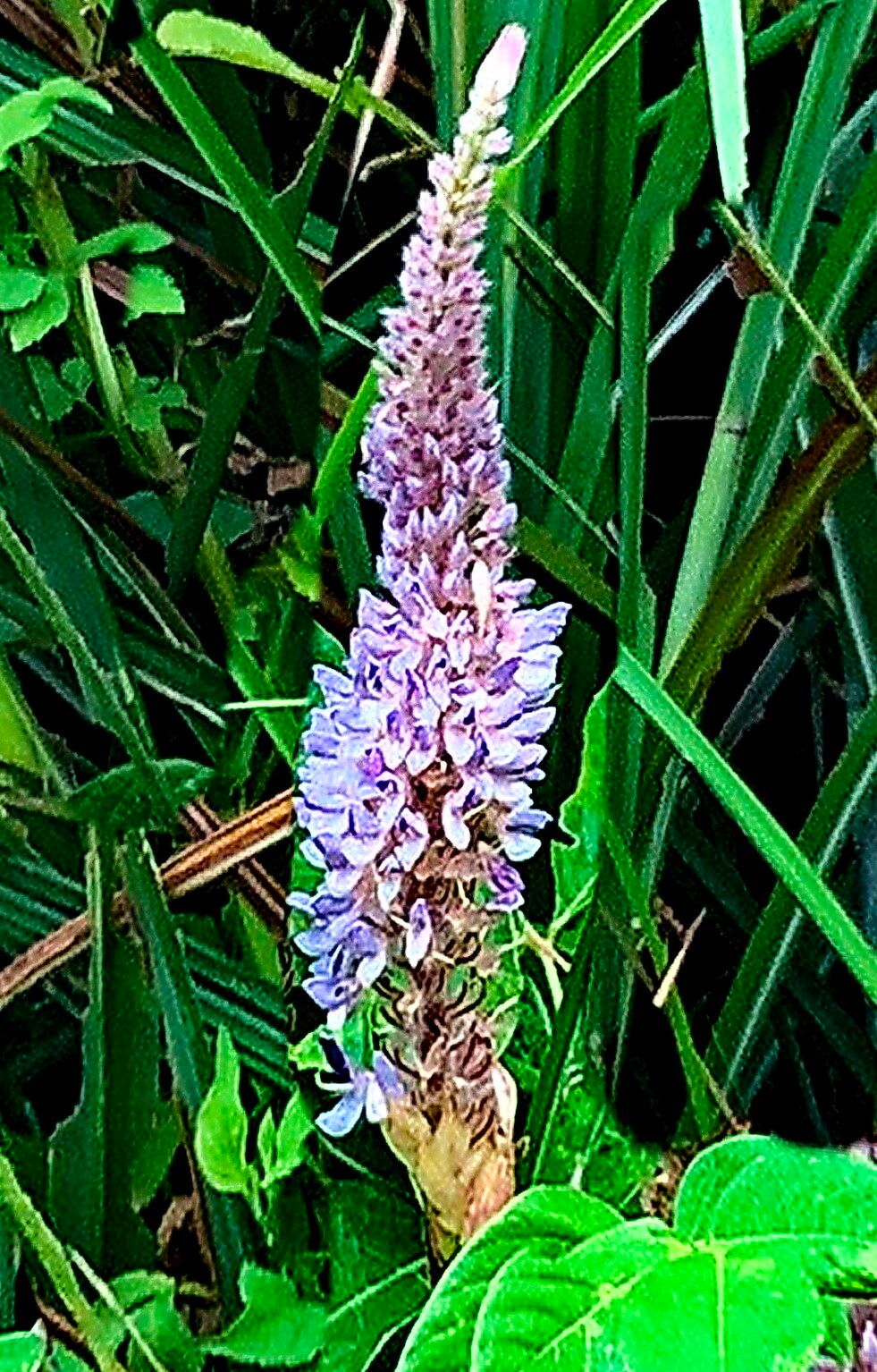
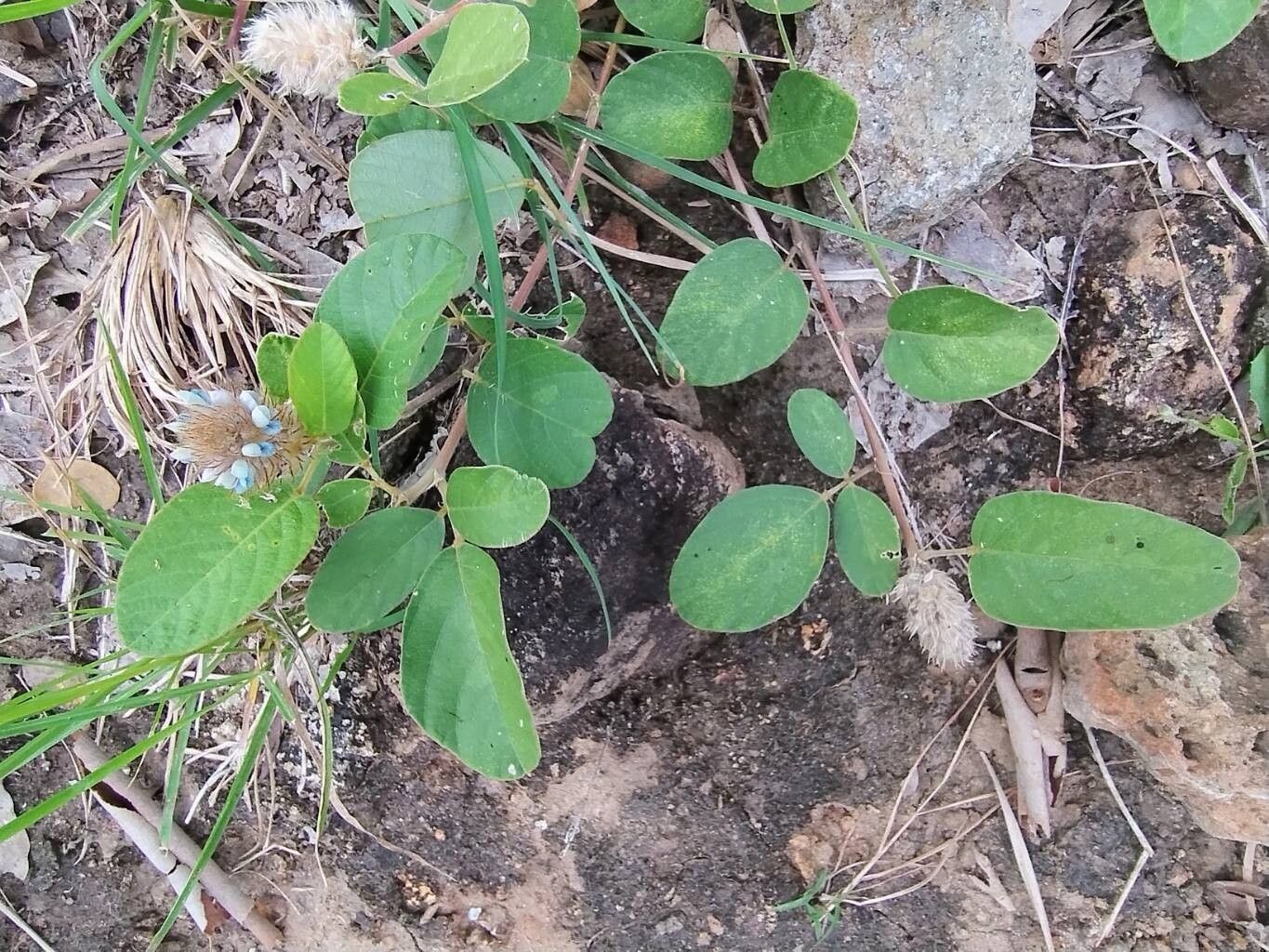
Uraria picta, also known by its common name Prishniparni is a species from the genus Uraria. The species was described in 1825.
dabra is resistant to disease and is generally not prone to illnesses. Regarding care, this plant is fairly low-maintenance. When grown outdoors it needs little watering, and larger plants typically do not require pruning. Smaller plants, however, should be pruned after they finish blooming. dabrat is appropriate for anyone with an outdoor area, like a garden or deck, and does not demand extensive gardening experience.
How to keep Uraria Picta.
Light
dabra is native to open habitats like sunny meadows and forest edges that provide abundant light. It does best in full sun but can tolerate partial sun, adapting well to a range of sunlight conditions.
Water
Dabra thrives in environments with high humidity and consistent moisture, similar to tropical settings. To maintain its health, water the plant every 2 to 3 weeks, ensuring the soil remains evenly moist but not waterlogged. When grown indoors, it can benefit from the use of pebble trays or humidifiers to maintain the necessary humidity levels.
Temperature
dabra comes from tropical areas, where the climate is generally warm and humid. Consequently, it is adapted to high heat and humidity. It is sensitive to sudden temperature shifts and prefers a steady thermal environment, so avoiding indoor temperature fluctuations is important. It usually cannot tolerate cold and needs warmer temperatures to grow. If the surrounding temperature falls too low, the plant may stop growing or even die.
Fertilizer
Fertilizing is essential for dabra's care. Feeding it regularly during the growing season preserves the energy needed for showy leaves and promotes overall growth. Failing to fertilize can lead to unhealthy leaves, reduced ornamental appeal, and stunted or weak growth that is prone to breaking.
Pruning
Dabra benefits from early spring pruning, which promotes healthy growth. To maintain the plant's shape and prevent disease, remove any dead branches. Light trimming also helps improve air circulation. By aligning pruning with its growth cycle, you can enhance flowering and overall appearance, ensuring a robust plant.
Botanical profile.
- Plant Type
- Shrub
- Life Cycle
- Perennial
- Genus
- Uraria
- Family
- Fabaceae
- Hardiness Zone
- 10-12
- Mature Height
- 0.91 m to 2.13 m
- Mature Spread
- 30 cm to 61 cm
- Leaf Color
- Green, Dark Green
- Leaf Type
- Deciduous
- Flower Color
- Purple, Lavender
- Flower Size
- 10.16 cm to 30.48 cm
- Bloom Time
- Summer, Early fall, Mid fall
- Planting Time
- Spring, Autumn
- Harvest Time
- Late summer, Fall, Early winter
- Native Area
- Sri Lanka, Burkina Faso, India, Malaysia, Angola, Rwanda, Pakistan, Nigeria, Guinea-Bissau, Niger, Uganda, Tanzania, Benin, Mali, Sierra Leone, Indonesia, Cambodia, Cameroon, Liberia, Mozambique, Ghana, Ethiopia, Congo, Nepal, Malawi, Philippines, Sudan, Bangladesh, Guinea, Chad, China, Vietnam, Myanmar, Japan, Togo, Bhutan, Senegal, Côte d'Ivoire, Gambia, Congo (DRC), Thailand, Gabon
Reader questions.
What are the sunlight requirements for dabra plants?
Dabra plants, also known as Uraria picta, originate from open environments like sunny meadows and forest edges, which provide ample light. They thrive in full sun, requiring over 6 hours of sunlight daily, but can also tolerate partial sun, with about 3-6 hours of sunlight. It's essential to watch how sunlight moves through your garden to choose spots that provide the right balance of light and shade for these plants, ensuring their happiness and healthy growth.
How can artificial lighting be used for dabra plants?
When dabra plants are grown indoors or in conditions where natural sunlight is insufficient, especially during winter or in less sunny spaces, artificial lighting becomes crucial for their growth. Indoor plants require adequate lighting, with full sun plants needing 30-50W/sq ft, partial sun plants need 20-30W/sq ft, and full shade plants require 10-20W/sq ft of artificial light. LED lights are recommended for indoor plant lighting as they can be customized to provide specific wavelengths needed by the plants. The light source should be placed 12-36 inches above the plant, mimicking natural sunlight, and provided for 8-12 hours per day to promote faster and healthier growth.
What are the signs of insufficient light for dabra plants?
Dabra plants may show several symptoms when they receive insufficient light. These include smaller new leaves compared to older ones, leggy or sparse growth, faster leaf drop, slower or ceased new growth, lighter-colored new leaves, and symptoms of excessive sunlight exposure like chlorosis, sunscald, leaf curling, wilting, and leaf scorching. These signs indicate a need to adjust the plant's light exposure to ensure its health and vitality.
What are the solutions for dabra plants suffering from light deficiency?
To combat light deficiency in dabra plants, begin by gradually moving them each week to locations with at least 6 hours of direct sunlight, preferably by a south-facing window, and use artificial light if necessary. For outdoor plants, make the transition to sunnier spots gradually to prevent sunburn. Reducing obstructions like pruning trees can help increase sunlight exposure. For smaller plants, consider transplanting during their dormant period to a location with better sunlight and drainage. Note that parts of the plant affected by insufficient light may not recover, but new growth should be healthy with improved light conditions.