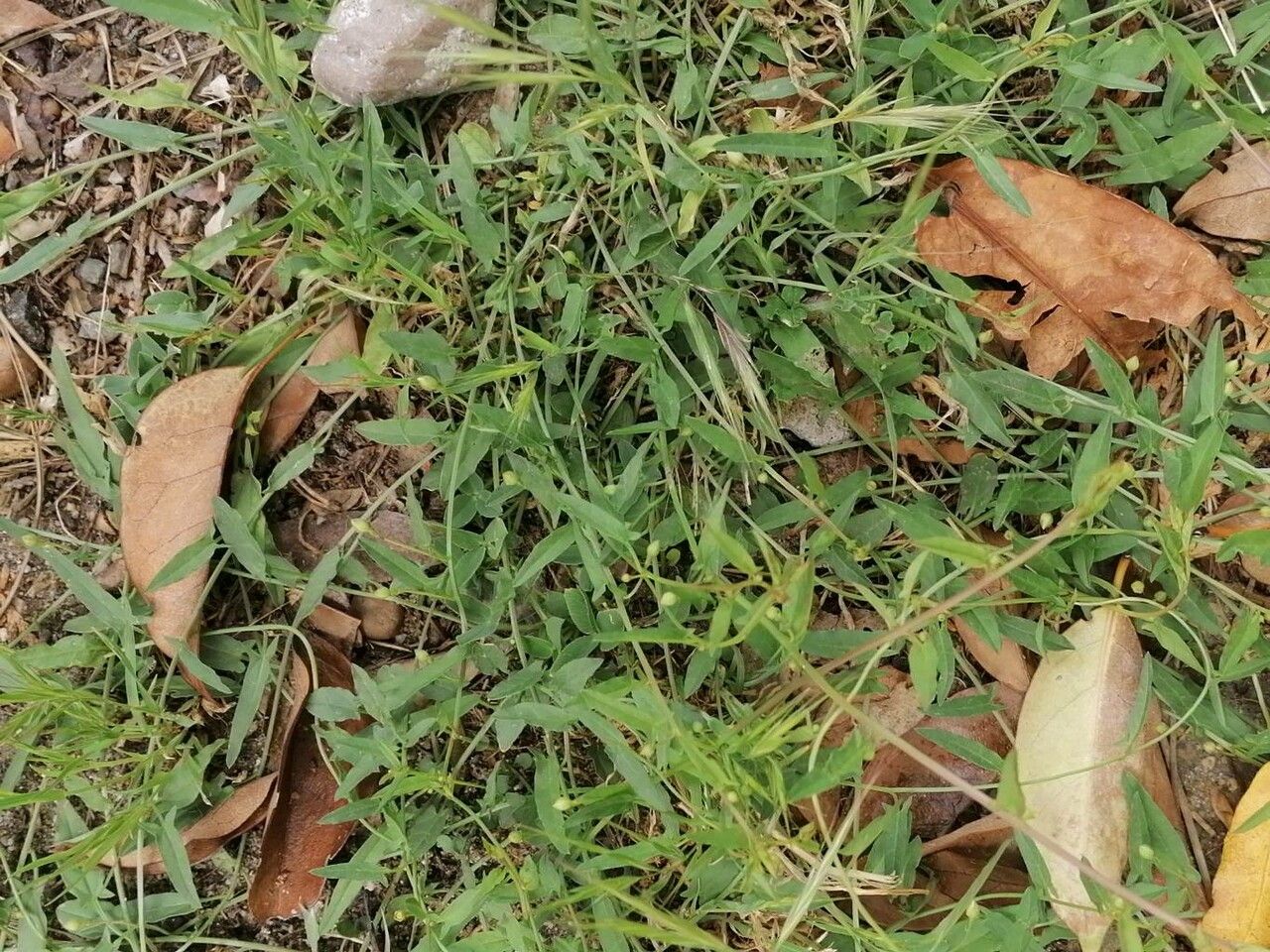
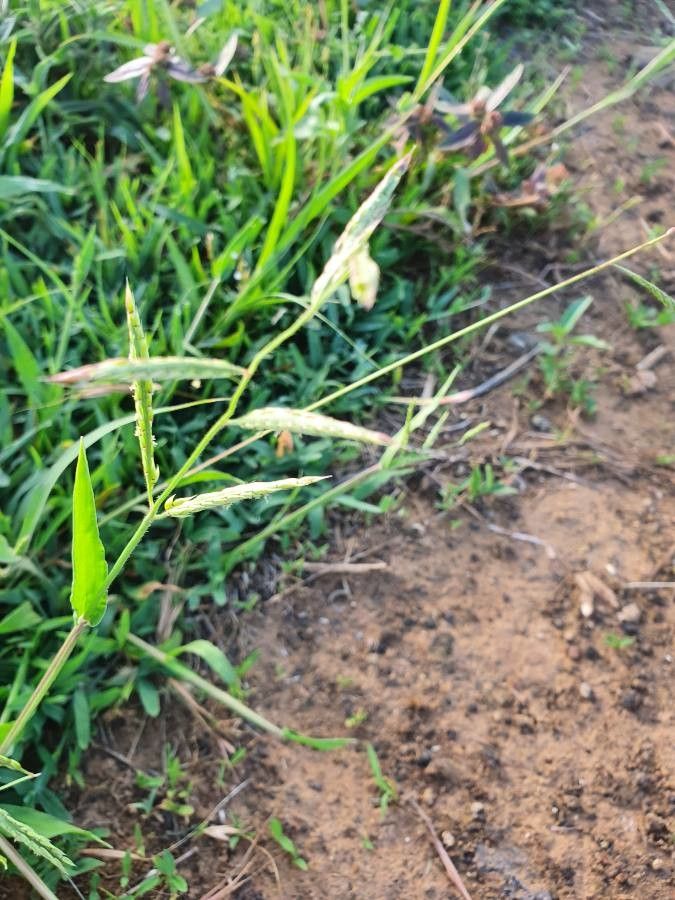
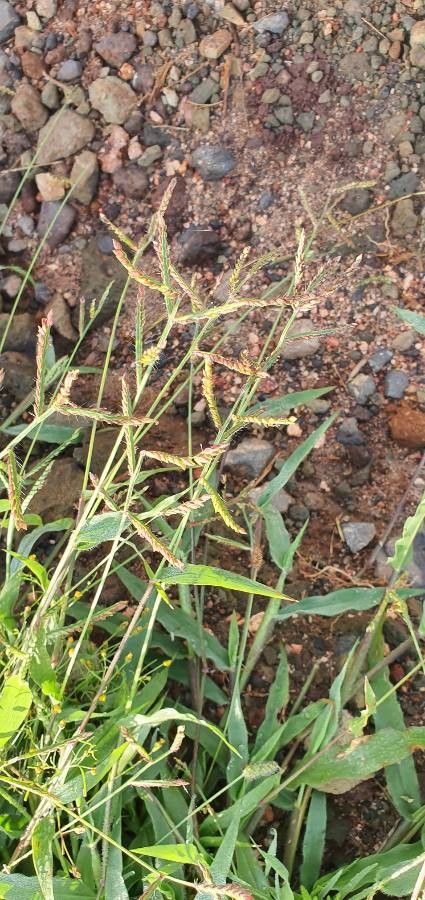
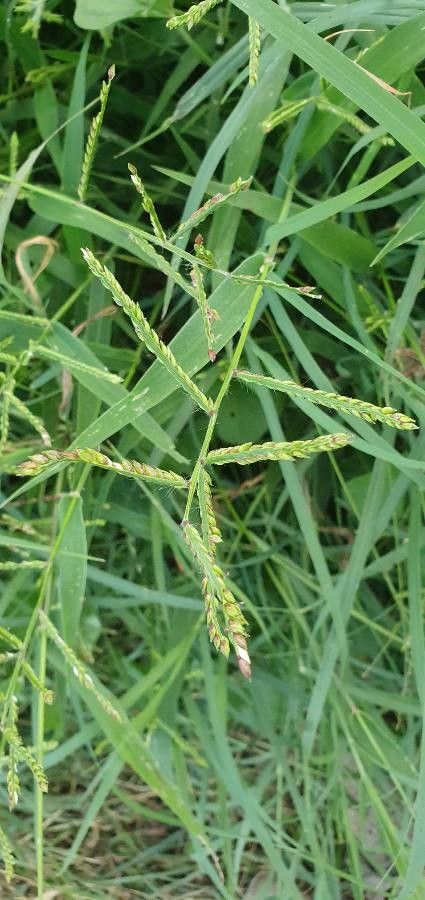
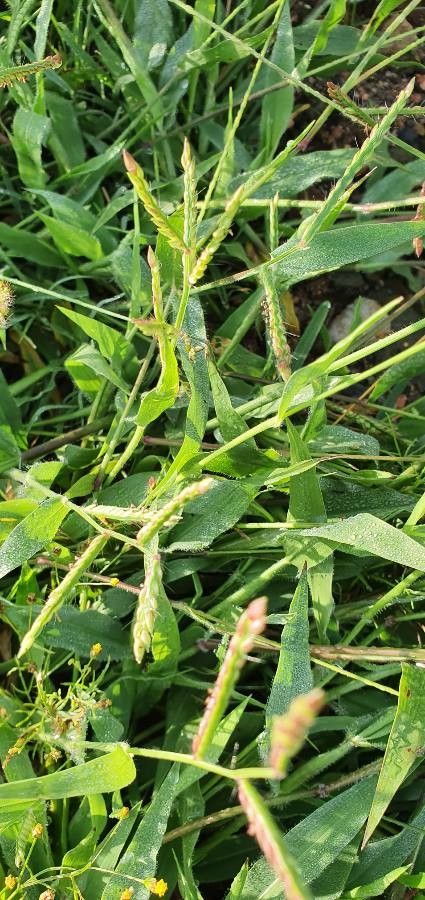
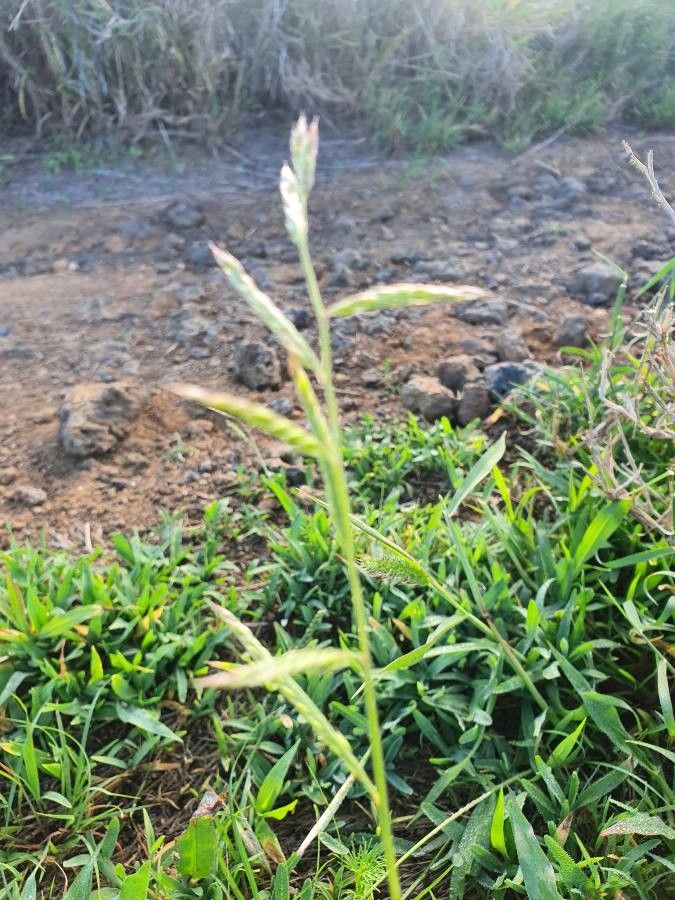
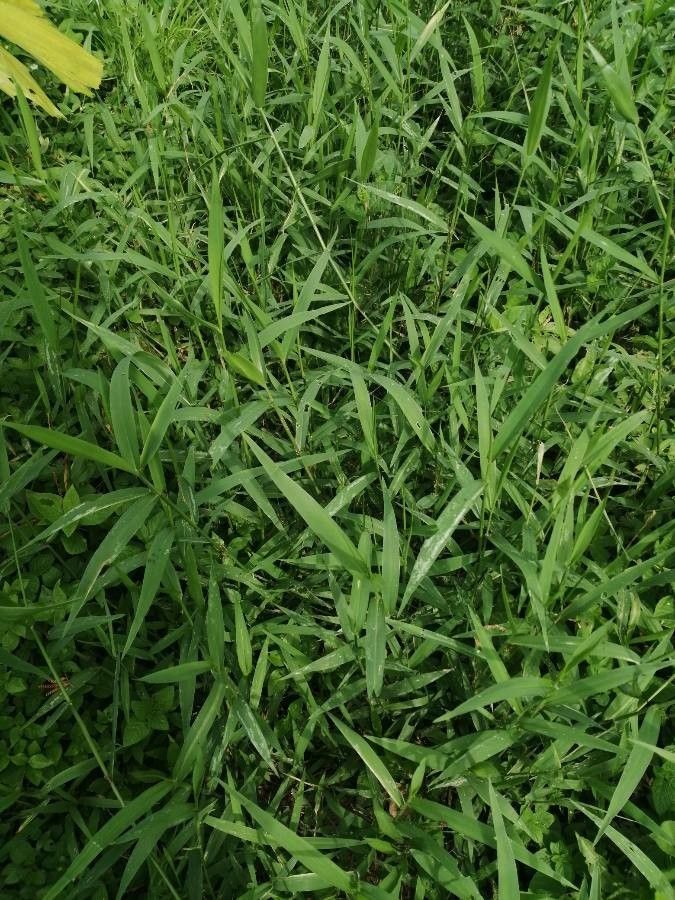
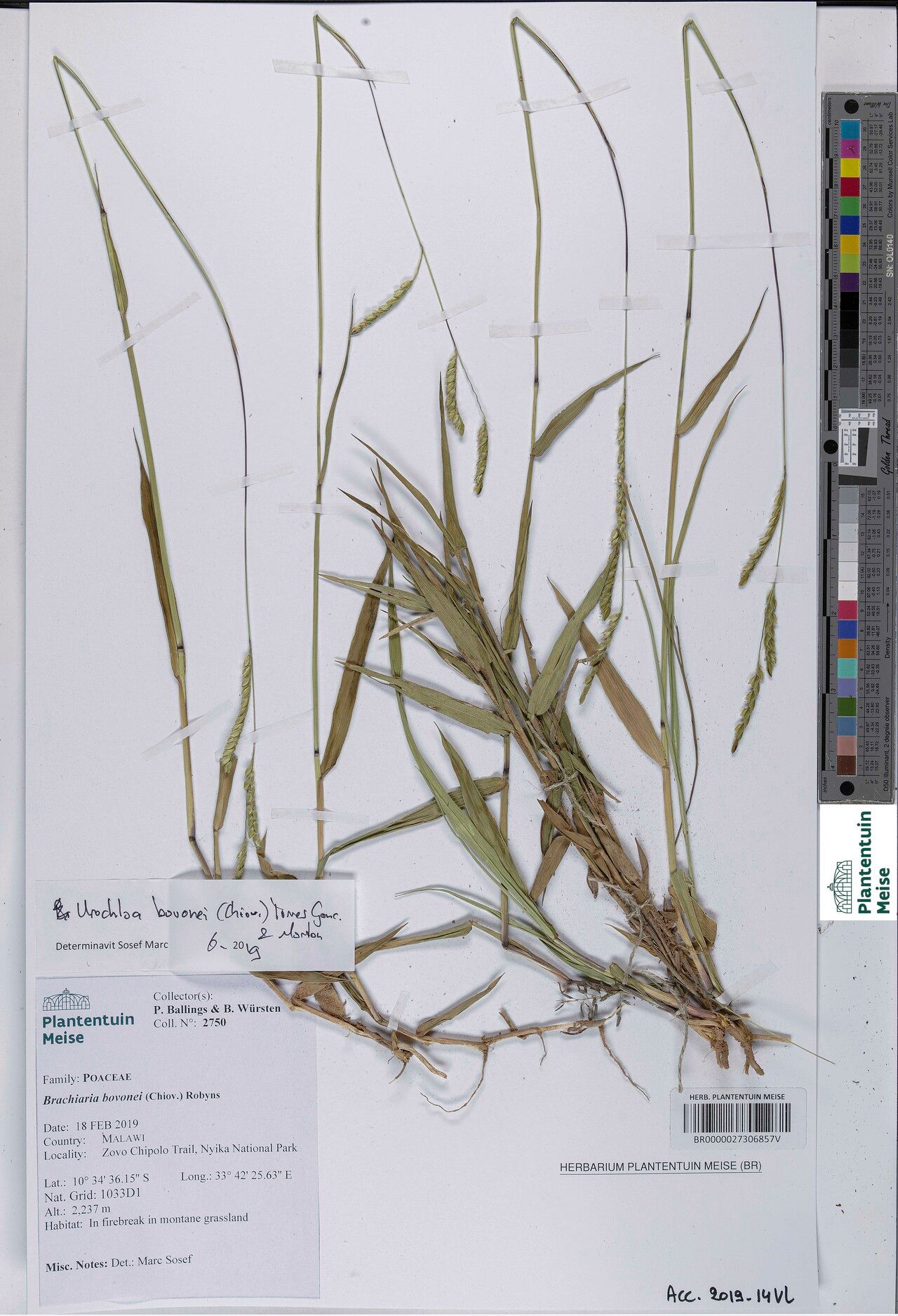
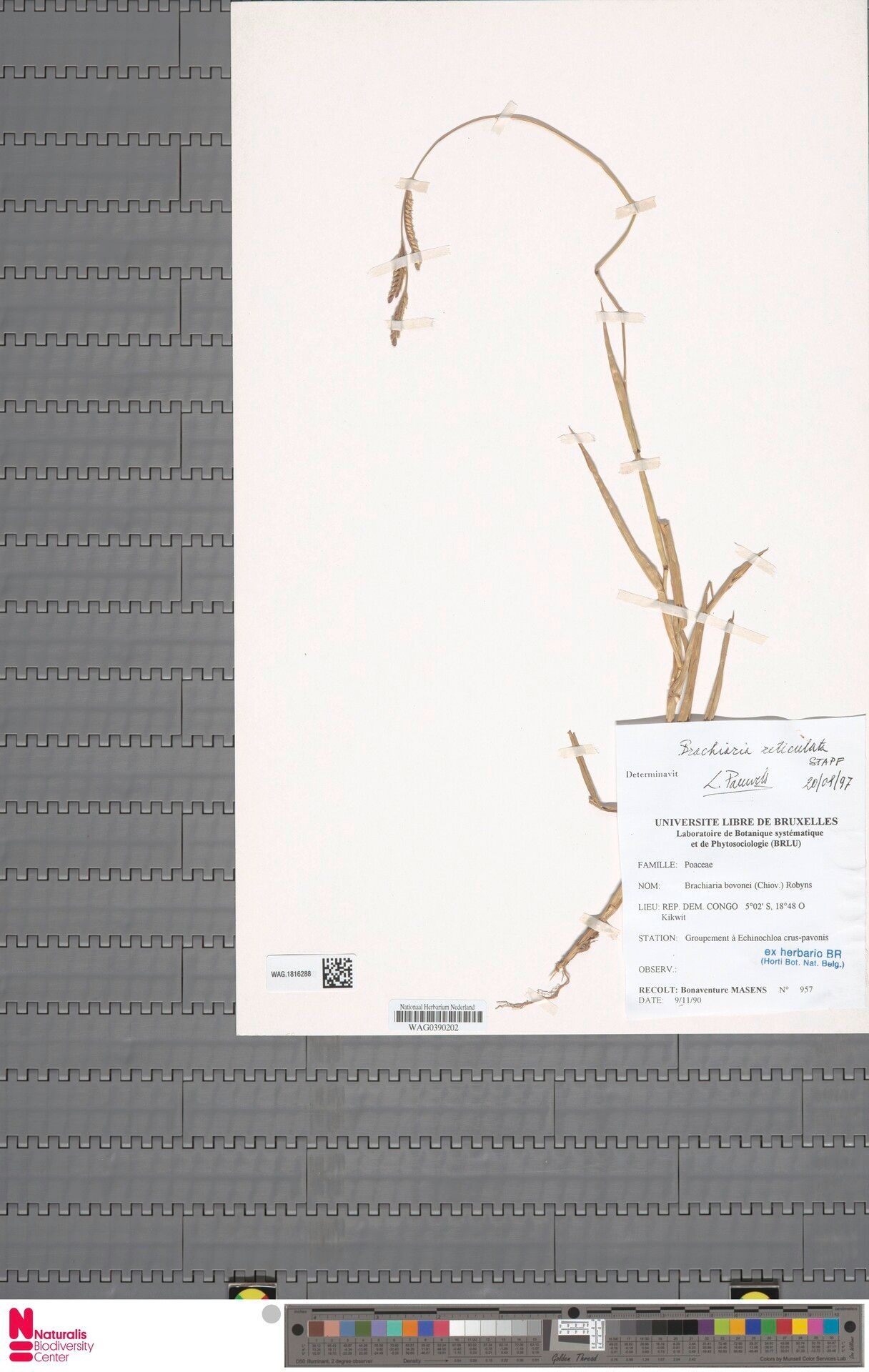
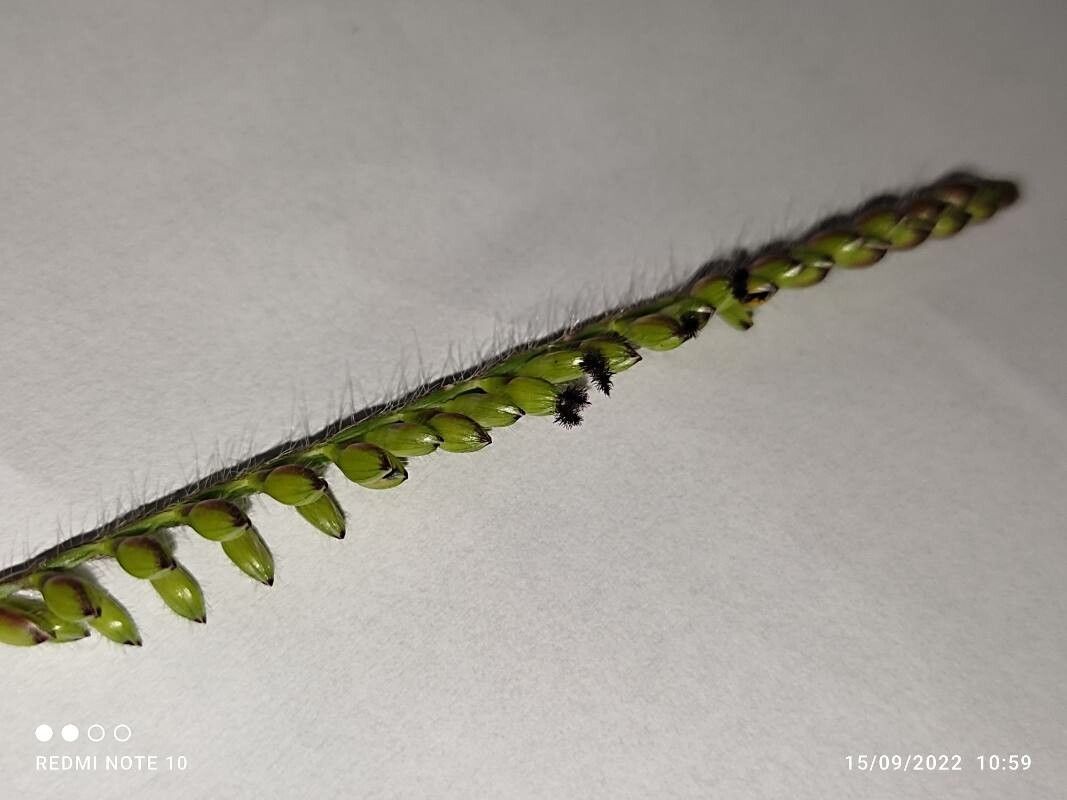
Urochloa panicoides is a fodder grass originating in Southern Africa.
Panic liverseed grass has strong disease resistance and is typically not susceptible to diseases. Regarding care, this plant is fairly low maintenance. When grown outdoors it needs little watering, and larger specimens generally do not require pruning. Smaller plants, however, should be pruned after they have bloomed. Panic liverseed grass is appropriate for anyone with outdoor space, such as a garden or a deck, and does not demand extensive care experience.
How to keep Urochloa Panicoides.
Light
Panic liverseed grass comes from bright, open environments where it performs best in full sun. It can tolerate partial sun but prefers direct sunlight for the best growth. This plant, which can be annual or biennial, is recognized for its sun-loving habit.
Water
Panic liverseed grass originates in savannas and thrives through cycles of wet and dry conditions, showing moderate tolerance to drought. For optimal growth, it requires weekly watering, but it also adapts well to natural rainfall patterns that affect its growth and water efficiency.
Temperature
Panic liverseed grass comes from tropical regions, where the climate is usually warm and humid. As a result, it is well adapted to high temperatures and humidity. It is sensitive to sudden temperature changes and prefers a stable temperature environment, so it is important to avoid temperature fluctuations indoors. It generally does not tolerate cold temperatures and requires higher temperatures for growth. If the surrounding temperature falls too low, the plant may stop growing or even die.
Pruning
To maintain the shape and promote healthy growth of panic liverseed grass, it's beneficial to prune it from early to late spring. This practice helps prevent overcrowding, encourages new growth, and improves air circulation. As a result, it reduces the risk of pests and enhances the plant's overall vitality. Be sure to remove any dead or diseased stems to ensure optimal health.
Botanical profile.
- Plant Type
- Grass
- Life Cycle
- Annual
- Genus
- Urochloa
- Family
- Poaceae
- Hardiness Zone
- 8-11
- Mature Height
- 91 cm
- Mature Spread
- 91 cm
- Leaf Color
- Light Green, Green
- Leaf Type
- Semi-evergreen
- Flower Color
- Yellow, Green, Brown
- Flower Size
- 6.35 cm
- Bloom Time
- Summer, Early fall, Mid fall
- Planting Time
- Spring
- Harvest Time
- Late summer, Fall, Early winter
- Native Area
- Sri Lanka, Somalia, Lesotho, India, Egypt, Namibia, Madagascar, Eritrea, Pakistan, Yemen, Kenya, Uganda, Tanzania, Zimbabwe, Russia, Cambodia, Burundi, Mozambique, Oman, Ethiopia, Botswana, Nepal, Saudi Arabia, Malawi, South Africa, Zambia, Sudan, Cyprus, Laos, Bangladesh, Chad, China, Vietnam, Myanmar, Israel, Bhutan, Eswatini, Iran, Congo (DRC)
Other names.
Reader questions.
What do I do if I give too much or too little water to my Panic liverseed grass?
Proper watering is vital for the health of this beautiful ornamental grass. When planted in the ground, watering issues can be resolved. However, in a container, excessive or insufficient water can quickly kill Panic liverseed grass. Insufficient water can cause the grass to stop growing, while overwatering can lead to yellow leaves with brown tips. Underwatering can result in drooping leaves, weak seed head production, and browned leaves. If you suspect improper watering, first determine whether there is too much or too little water. If there is excessive water, stop watering immediately and allow time for the soil to dry out. Once new growth appears, test the soil for moisture and decide if additional watering is required. Conversely, if there is insufficient water, simply give the grass a deep drink and observe if it improves. In any case, remember that longer, deeper watering is always better than frequent shallow waterings. Deep watering promotes deep root growth, making the grass more resistant to drought and watering-related problems.
What are the sunlight requirements for Panic liverseed grass?
Panic liverseed grass thrives in places that offer full sun, requiring more than 6 hours of sunlight daily for optimal growth. It can also tolerate partial sun, meaning about 3-6 hours of sunlight a day. It's important to observe how sunlight moves through your garden to find the best spots that provide the necessary balance of light and shade, ensuring the plants' well-being.
How often do I need to water my Panic liverseed grass?
The watering needs of Panic liverseed grass will vary depending on where it is planted. Generally, water this grass every week. In hot climates, watering once or twice a week in the summer may be necessary. In moderate climates, watering once every seven days or more may be enough. Grass in containers usually require more frequent watering than grasses in the ground. However, the location also matters because this grass can thrive in full sun or part shade. Shaded grasses need to be watered less frequently than grasses in the ground. Only water Panic liverseed grass when the soil is dry. To determine if the soil is dry, press your finger a couple of inches into the soil. For potted grass, check if the pot feels light. When the roots lack sufficient water, the grass blades may appear folded along their centers and thinner than usual. Despite its drought tolerance, regular, deep waterings will result in beautiful color. In its natural habitat, Panic liverseed grass grows in open scrubland with extreme heat, bright sun, and intermittent rain. Although this grass is drought resistant, it still needs care and attention. It thrives best with consistent water. When initially planted, Panic liverseed grass requires more frequent watering until it establishes deep roots. Potted grass in hot, direct sun dries out quickly, so test the soil every 3 to 4 days and water when it feels dry. Grass in the ground generally needs less watering, but this depends on the soil type. Clay soil may appear dry at the surface but still retain moisture below, while sandy soil that drains quickly requires more frequent watering.
How does Panic liverseed grass perform with artificial lighting?
In situations where natural sunlight is insufficient, especially during winter or in locations that get less sunlight, artificial lighting can be a critical solution for Panic liverseed grass. Optimal growth under artificial light requires selecting the correct type of light, such as LED lights, which can be customized to provide specific wavelengths needed by the plant. Full sun plants need 30-50W/sq ft, partial sun plants require 20-30W/sq ft, and full shade plants need 10-20W/sq ft of artificial light. The light source should be placed 12-36 inches above the plant to mimic the sun, and the lighting should last 8-12 hours per day to simulate natural daylight hours.
What do I need to watch out for when watering my Panicum virgatum grass in different seasons, climates, or during different stages of growth?
To determine if you are watering your grass enough, observe the rate of growth. Panic liverseed grass tends to double in size during the hottest months. If the weather is hot and the grass isn't growing vigorously, it may be necessary to adjust your watering schedule. In winter, watering once a month might be sufficient, but always check the soil for moisture. During the warmest months, the grass will require more water, while during winter and cooler months, its water needs will significantly decrease. Remember that Panic liverseed grass should be watered only after the soil has dried out completely.
What are common symptoms of light deficiency in Panic liverseed grass when grown indoors?
When Panic liverseed grass is grown indoors under insufficient light conditions, it may show symptoms such as smaller than usual new leaves, leggy or sparse growth, faster leaf drop, slower or no new growth, lighter-colored new leaves indicating a lack of chlorophyll and nutrients, chlorosis leading to leaves losing their green color, sunscald causing damage to leaves or stems, leaf curling as a defense mechanism, wilting due to loss of turgor pressure, and leaf scorching marked by brown, dry edges on leaves.
How can you address light deficiency issues for Panic liverseed grass?
To address light deficiency in Panic liverseed grass, gradually move plants to sunnier locations, aiming for at least 6 hours of direct sunlight daily, especially by placing them near a south-facing window. If moving the plant isn't feasible, consider using artificial lighting, such as desk lamps or professional grow lights, for at least 8 hours a day. For outdoor plants, it's crucial to move them gradually to avoid shock and potential sunburn. Reducing obstructions like pruning trees and transplanting smaller plants during their dormant period can also help increase sunlight exposure.